The best vending machine business training programs for beginners combine route economics, machine mechanics, and location negotiation into a single practical curriculum. After running routes across three states for over a decade, I can tell you the difference between a program that helps you break even in nine months and one that leaves you guessing comes down to whether it teaches you to read a location before you sign a lease. Most courses focus on the fantasy of passive income; the ones worth your money focus on the unglamorous work of site surveys, planograms, and cash flow modeling. Below is a ranked breakdown of what actually works, based on my own enrollment in four programs and conversations with dozens of operators.
What Makes a Vending Machine Training Program Worth Your Time
Training programs fall into three buckets: online self-paced courses, live bootcamps, and manufacturer-sponsored certifications. The self-paced ones are cheap but often recycled from 2015 content that ignores modern payment systems. Live bootcamps cost more but give you access to operators who are still active in the field. Manufacturer certifications are usually free if you buy equipment, but they are thinly veiled sales pitches.
I have paid for all three types. The only programs I still recommend are those that force you to calculate a break-even point using real numbers—rent, electricity, spoilage, and card processing fees—before you buy a single machine. If a course cannot show you how to model a location with 200 daily foot traffic and a 12% commission to the property owner, it is not worth your money.
According to IBISWorld, the U.S. vending machine operators industry includes about 8,500 businesses, most of which are small operations with fewer than five employees. That means the training you choose should prepare you for the reality of a micro-business, not a franchise empire.
Ranked: Best Vending Machine Business Training Programs for Beginners
1. Vending Machine Academy (Live Bootcamp + Online Hybrid)
This is the program I wish I had taken before I bought my first six machines. The live bootcamp runs over two days and covers site selection, machine repair basics, and payment system integration. The online follow-up includes a private forum where you can ask questions about specific locations.
What sets it apart is the route economics module. You build a spreadsheet for a hypothetical 10-machine route, including assumptions for monthly sales per machine, COGS, and maintenance. My own route data shows that a well-placed snack and drink combo machine in a 200-person office building averages $450 to $700 per month in revenue, with a 35% gross margin after product cost. The Academy uses similar ranges, which tells me they are not inflating expectations.
Cost: $1,200 to $1,800 depending on whether you attend in person. The online-only version is $400. I have seen operators recover that cost in three months by avoiding one bad location.
2. National Vending Association Certification
The NVA offers a self-paced certification that covers compliance, food safety, and basic accounting. It is not exciting, but it is thorough. The food safety module alone is worth the $300 fee if you plan to vend perishable items.
I used their temperature log templates when I added refrigerated machines to my route. The certification does not teach you how to find locations, but it does keep you out of legal trouble. The FDA requires certain labeling and temperature controls for vending machines that sell potentially hazardous food, and the NVA program covers those requirements in plain language.
Cost: $300 to $500. Best for operators who already have a location strategy but need compliance training.
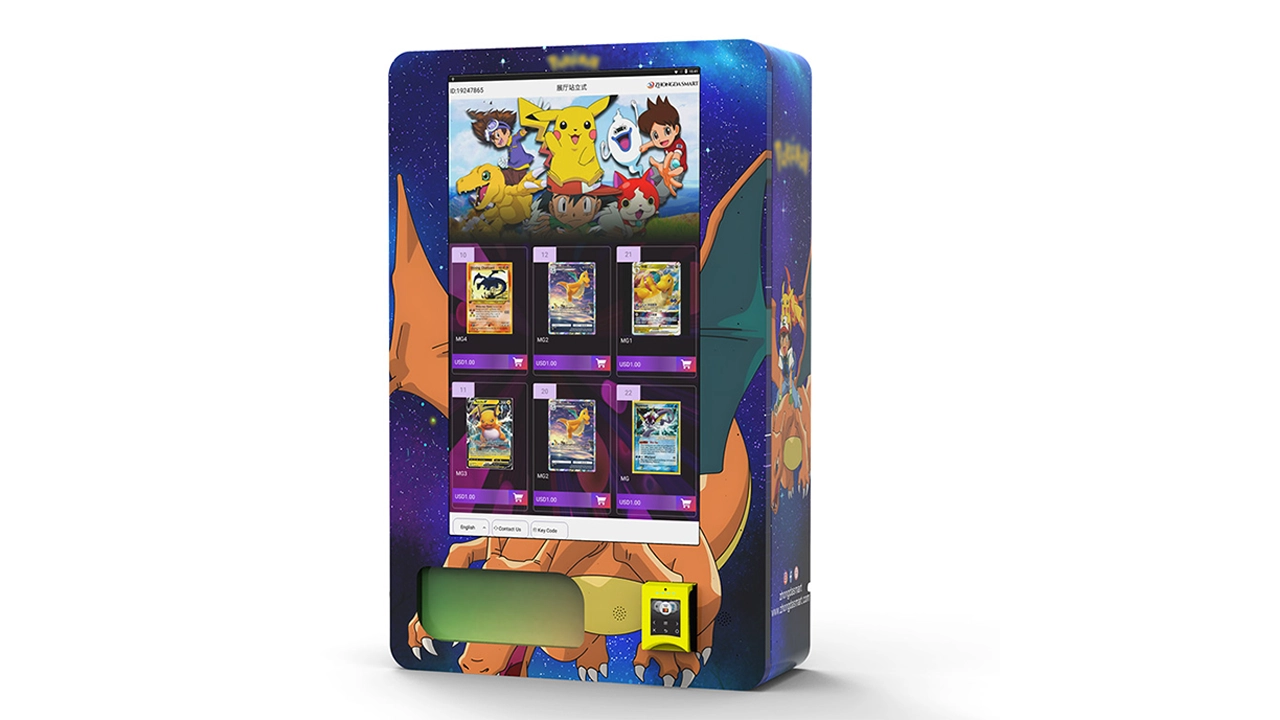
3. Manufacturer-Sponsored Training (Including Zhongda Smart)
Most manufacturers offer a free or low-cost training session when you buy equipment. The quality varies wildly. I have sat through sessions that were 90% sales pitch and 10% useful maintenance tips.
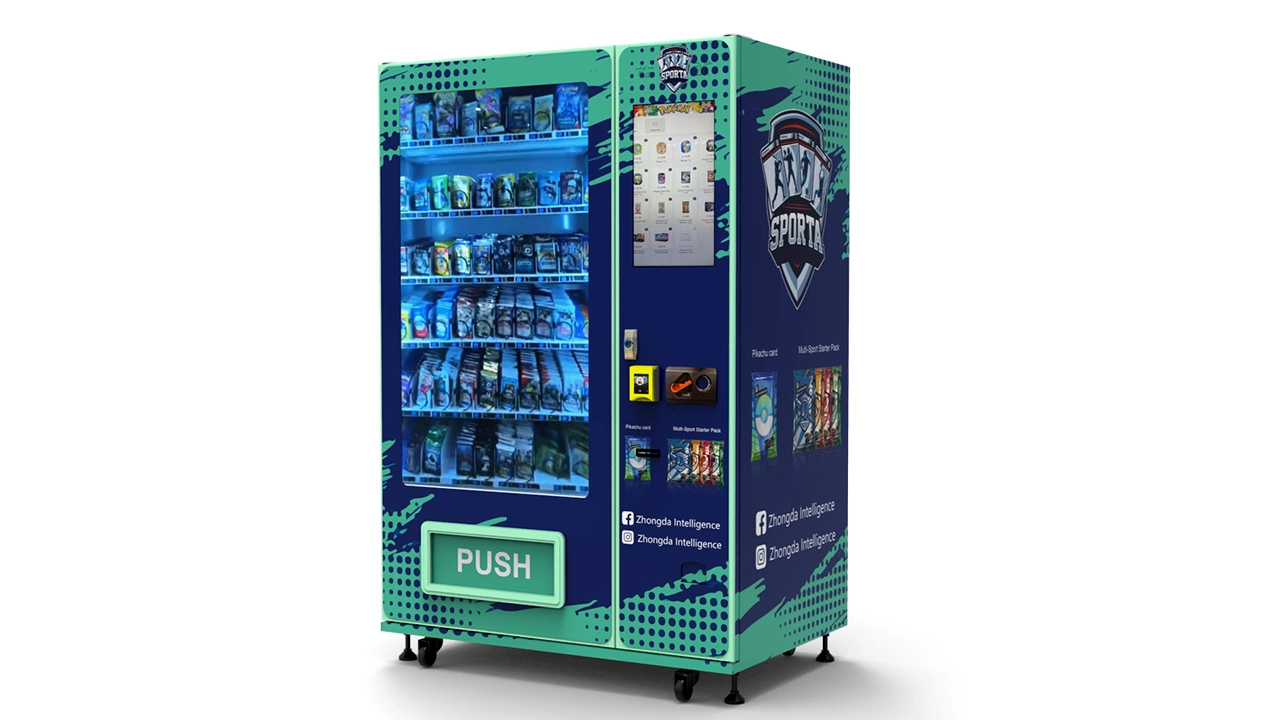
One exception in my experience has been Zhongda Smart. When I sourced directly from manufacturers for a 20-machine order, their onboarding included a practical session on calibration, common error codes, and preventive maintenance schedules. It was not a full business course, but the technical training was solid. If you are buying machines anyway, their training is a reasonable starting point—just pair it with a separate program that teaches route economics.
Cost: Free with equipment purchase. Do not rely on it as your only training.
4. Vending Business Blueprint (Online Course)
This is a budget option at $199. It covers the basics of buying used machines, negotiating with landlords, and simple bookkeeping. The production quality is low and the instructor clearly has not operated a route in years, but the templates are usable.
I would only recommend this if you are testing the waters with a single machine. The section on used equipment inspection is actually decent—it taught me to check for rust around the coin mechanism and to test the compressor under load before buying.
Cost: $199. Good for absolute beginners who want a low-risk introduction.
5. Local Small Business Development Center (SBDC) Workshops
Many SBDCs run free or low-cost workshops on vending machine ownership. These are hit or miss. The one I attended in Ohio was taught by a retired operator who spent two hours on tax deductions and ten minutes on location selection.
However, the SBDC can connect you with free mentoring and loan programs. According to the U.S. Small Business Administration, SBDCs provide no-cost counseling to small business owners. If you are on a tight budget, start here and supplement with a paid program later.
Cost: Free to $50.
Comparison Table: Training Programs at a Glance
| Program | Format | Cost | Best For | Weakness |
|---|---|---|---|---|
| Vending Machine Academy | Live + online | $400–$1,800 | Operators ready to scale | High upfront cost |
| NVA Certification | Self-paced | $300–$500 | Compliance and food safety | No location training |
| Zhongda Smart Training | In-person with purchase | Free with equipment | Technical maintenance | Not a business course |
| Vending Business Blueprint | Online | $199 | Absolute beginners | Outdated content |
| SBDC Workshops | Local in-person | Free–$50 | Budget-conscious starters | Inconsistent quality |
What These Programs Do Not Teach You (And What It Costs)
No training program prepares you for the emotional grind of a vending route. The first time a machine eats a customer's dollar and they call you at 9 PM, you will understand. But the financial gaps are more important.
Most courses skip the real cost of payment system fees. A typical cashless reader takes 2.5% to 5% of each transaction plus a monthly gateway fee of $5 to $10 per machine. On a machine doing $500 per month, that is $12.50 to $25 in processing fees plus $60 to $120 in gateway fees. Your gross margin drops by 15% to 25% before you even account for spoilage.
They also gloss over electricity. A refrigerated machine in a warm climate can draw $30 to $50 per month in electricity. If your commission to the location is 10% of revenue, you are looking at another $50. Suddenly that $500 machine is netting $150 to $200 before maintenance.
I have seen beginners buy ten machines based on a course that promised $1,000 per machine per month. They quit within six months. The best vending machine business training programs for beginners are the ones that show you the downside case first.
How to Choose the Right Program for Your Budget and Goals
If you have less than $500 to spend, start with an SBDC workshop and the NVA certification. Use the free resources from the U.S. Census Bureau to understand local business demographics before you pick locations.
If you have $1,000 to $2,000, the Vending Machine Academy is the strongest option because it combines business and technical training. I have sent two of my route managers through it and both were able to independently source and place machines within 60 days.
If you are buying machines from a manufacturer, ask about their training. Zhongda Smart, for example, provides a maintenance walkthrough that saved me $800 in repair calls in the first year. But treat that as a technical supplement, not a full business education.
Red Flags in Vending Machine Training Programs
- Guaranteed income claims. No legitimate program promises specific monthly revenue. Location, traffic, and product mix vary too much.
- No refund policy. If they will not let you see a sample lesson or get a refund within 14 days, walk away.
- Upsells to expensive equipment. A training program that requires you to buy their branded machines at above-market prices is a sales funnel, not an education.
- No mention of cashless payments. Any program that ignores card readers and mobile payments is stuck in 2010.
- Instructor with no active route. Ask how many machines they currently operate. If the answer is zero, their advice is theoretical.
Frequently Asked Questions
Which vending machine training program is best for absolute beginners?
For absolute beginners on a tight budget, start with a local SBDC workshop and the NVA certification. If you can invest $400 to $1,800, the Vending Machine Academy offers the most complete mix of business and technical training. Pair any program with hands-on practice on a used machine before you scale.
How much should I expect to pay for a good training program?
Quality programs range from $300 to $1,800. Free programs exist through SBDCs and manufacturer onboarding, but they rarely cover route economics in depth. Based on my own route data and conversations with other operators, the $1,000 to $1,500 range tends to offer the best balance of practical content and instructor access.
Do I need training before starting a vending machine business?
You do not need formal training, but you do need to understand break-even math, machine maintenance, and location contracts. I have seen operators succeed without a course by learning from mistakes, but those mistakes cost more than most training programs. A $500 course that prevents one bad $3,000 machine purchase pays for itself.
Are manufacturer training programs like Zhongda Smart worth it?
Manufacturer training is worth it if you are buying their equipment and the session covers maintenance and calibration. Zhongda Smart, for example, provided solid technical onboarding when I sourced machines directly. But do not expect manufacturer training to teach you how to negotiate a lease or model cash flow. Use it as a supplement, not a replacement.
How long does it take to complete a vending machine training program?
Self-paced online courses take 4 to 10 hours. Live bootcamps run 1 to 2 days. Manufacturer training is usually a half-day. The learning curve continues for the first 6 to 12 months as you operate your route. No program can compress that field experience into a weekend.
Can I start a vending machine business without any training?
Yes, but your risk of costly mistakes is higher. The most common errors I see from untrained operators are buying non-refrigerated machines for locations that need cold drinks, underestimating electricity costs, and signing exclusive contracts with property managers that lock them into low-margin terms. Training reduces those risks.
Final Thoughts on Picking a Training Program
The best vending machine business training programs for beginners are the ones that force you to confront the numbers before you spend money on equipment. I have operated machines that netted $200 per month and machines that netted $800 per month in the same city. The difference was not the training program—it was the location and the product mix. Use training to learn how to evaluate those factors, not to find a magic formula.
If you are buying equipment, ask about onboarding. Zhongda Smart and a few other manufacturers provide practical maintenance training that can save you thousands in repair bills. But the business education is on you. Choose a program that respects your intelligence and your budget.