After more than a decade running vending machine operations across the UK and Europe, I can tell you straight up: finding the best vending machine suppliers in Leeds United Kingdom is not just about who offers the lowest price on a machine. It is about finding a partner who understands local foot traffic, machine reliability, payment systems, and the real costs of keeping a machine stocked and running. I have seen operators lose thousands because they bought cheap equipment from a supplier who vanished after the sale. In this guide, I will share what I have learned from real deployments, failures, and successes, so you can make an informed decision about your vending investment.
What a Vending Machine Business Actually Looks Like in Leeds
Leeds is a strong market for automated retail. With a large student population, busy office districts, and high footfall in retail and transport hubs, the city offers multiple viable locations. But not every spot works. I have placed machines in locations that did less than £50 a week and others that did over £800. The difference usually comes down to three things: the supplier, the machine type, and the location agreement.
When people ask me about the best vending machine suppliers in Leeds United Kingdom, I always start by asking what they plan to sell. Snacks and drinks are the most common, but healthy food, coffee, and even non-food items like phone accessories are growing fast. Each category requires a different machine, different maintenance schedule, and different supplier relationship.
From my experience, the most profitable setups are those where the supplier also offers ongoing support, not just a one-time sale. You want a supplier who can help with machine configuration, payment terminal integration, and even advice on product selection based on local sales data.
Is a Vending Machine Business Profitable? Let’s Look at Real Numbers
I have seen many newcomers ask this, and the honest answer is: it can be, but it depends entirely on execution. According to IBISWorld, the vending machine industry in the UK generates over £1.2 billion annually, with average profit margins between 15% and 25% after all costs. But those are averages. I have seen operators hit 35% margins in high-traffic locations with good product mix.
Here is a realistic breakdown based on my own operations and industry data from the Automatic Vending Association (AVA), which is now part of the UK Vending Association:
- Initial investment per machine: £2,500 to £8,000 for a new snack or drink machine. Combo machines can go up to £12,000.
- Monthly revenue per machine (average): £400 to £1,200 depending on location.
- Gross margin on products: 30% to 50% depending on what you sell.
- Monthly operating costs: £50 to £150 including restocking labour, card payment fees, and minor repairs.
- Break-even period: 8 to 18 months if the location performs well.
One thing I always tell new operators: do not trust anyone who promises a 3-month payback. That is almost never realistic unless you have a captive audience like a factory with no canteen. Most of my machines took 10 to 14 months to break even, and a few took over two years because of low footfall or poor product selection.
Key Factors to Consider When Choosing a Vending Machine Supplier
Machine Quality and Build
Not all vending machines are built the same. I have worked with machines that broke down every three months and others that ran for years with only minor issues. When evaluating the best vending machine suppliers in Leeds United Kingdom, look for machines with reliable compressors, sturdy coin and note validators, and good insulation. Cheap machines often use low-grade components that fail quickly, especially in high-humidity or cold environments.
Payment System Compatibility
Cash is still used, but card payments now account for over 60% of transactions in the UK, according to UK Finance data. Your supplier should offer machines that support contactless, Apple Pay, Google Pay, and traditional card payments. I have lost sales at machines that only accepted cash, especially in student-heavy areas. Make sure the supplier can integrate with a reliable payment terminal provider like Worldpay or SumUp.
After-Sales Support and Spare Parts
This is where many suppliers fall short. I have seen operators buy machines from a supplier who then took weeks to respond to a repair request. When a machine is down, you lose revenue and location trust. The best vending machine suppliers in Leeds United Kingdom will have a local engineer or a partnership with a vending machine repair service that can respond within 24 to 48 hours. Ask about spare parts availability before you buy.
Customisation and Branding
If you plan to place machines in offices or hotels, customisation matters. Some suppliers offer full branding options, custom colour panels, and even digital screens. This can increase the perceived value of your machine and help secure better locations. Zhongda Smart, for example, offers customisable machines that can be tailored to specific brand requirements, which I have found helpful when pitching to corporate clients.
Different Types of Vending Machines and Their Costs
Here is a comparison table based on real market prices and my own experience. These figures are estimates and can vary by supplier and configuration.
| Machine Type | Typical Price Range (New) | Monthly Revenue Potential | Best Location | Maintenance Frequency |
|---|---|---|---|---|
| Snack Vending Machine | £2,500 – £5,000 | £300 – £800 | Offices, schools | Every 1–2 weeks |
| Drink Vending Machine | £3,000 – £6,000 | £400 – £1,000 | Gyms, transport hubs | Every 1–2 weeks |
| Combo (Snack + Drink) | £5,000 – £12,000 | £600 – £1,500 | High-traffic areas | Every 1 week |
| Healthy Food Vending | £4,000 – £8,000 | £500 – £1,200 | Universities, hospitals | Every 2–3 days |
| Coffee Vending Machine | £3,500 – £10,000 | £400 – £1,500 | Offices, hotels | Daily cleaning needed |
| Self-Service Kiosk | £6,000 – £15,000 | £800 – £2,000 | Retail, airports | Weekly |
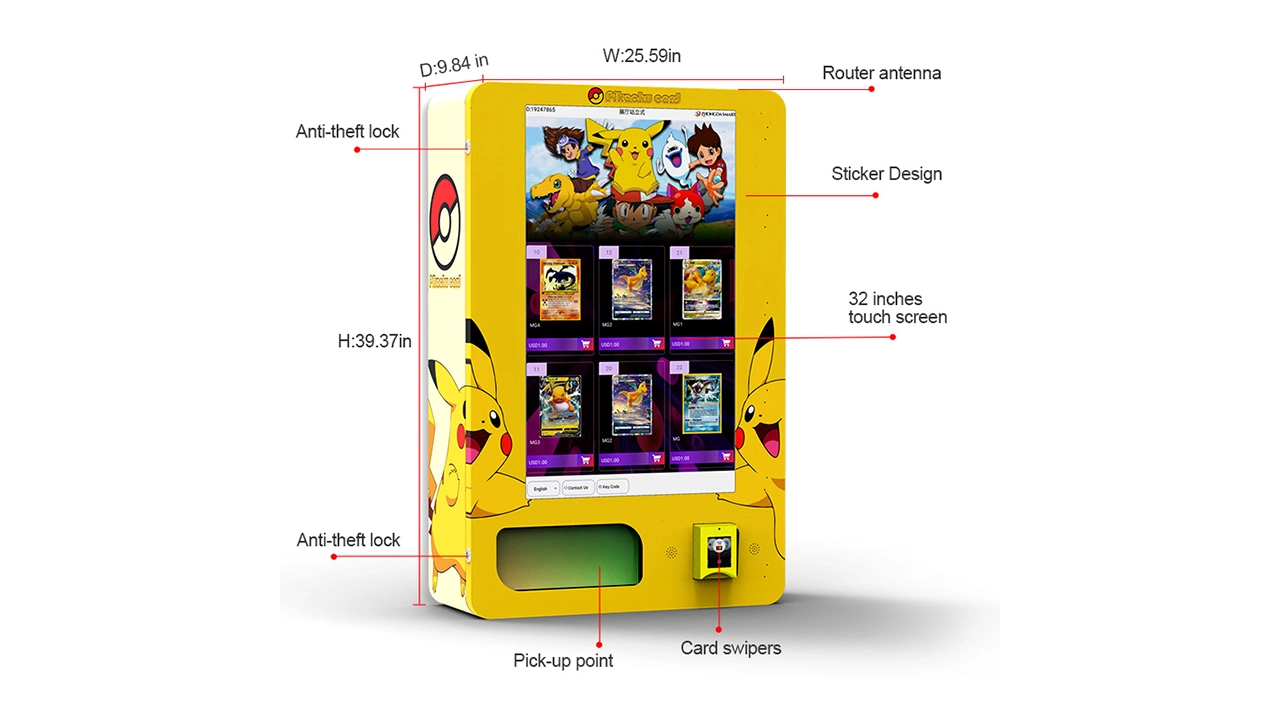
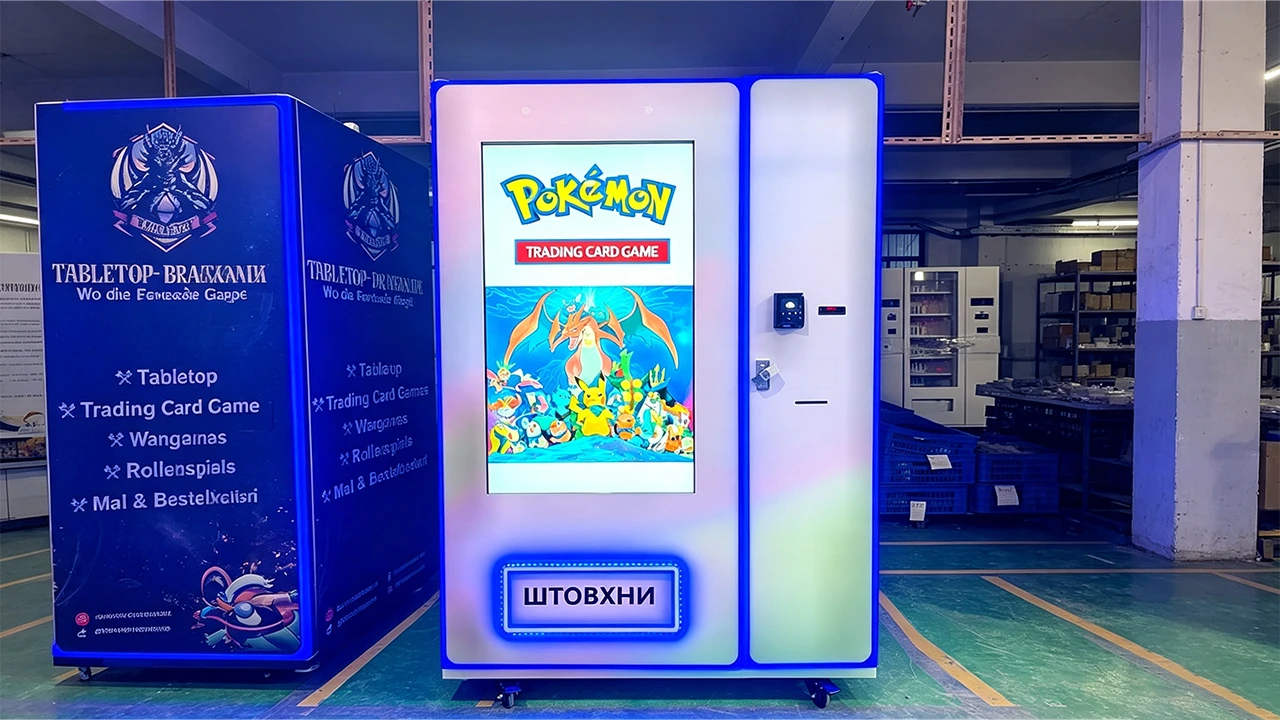
From my experience, combo machines are the most popular choice for new operators because they offer variety without needing two separate machines. But they also require more frequent restocking and have more moving parts that can fail.
Where to Place Your Vending Machine for Maximum Returns
Location is everything. I have pulled machines from locations that looked good on paper but failed because of low traffic or poor product fit. Here are the best spots I have found in Leeds and similar cities:
- Office buildings: Especially those without a canteen. A machine can easily do £600–£1,000 a month if the office has 100+ employees.
- Universities and colleges: Students buy snacks and drinks constantly. But be prepared for higher vandalism risk and more frequent restocking.
- Gyms and fitness centres: Healthy snacks, protein bars, and bottled water sell well. Machines here often have higher margins.
- Hospitals and medical centres: Staff and visitors need quick access to food and drinks. These locations usually have steady traffic.
- Transport hubs: Train stations and bus terminals can be goldmines, but rental fees are often high.
When evaluating a location, I use a simple rule: at least 200 people passing by daily, with a dwell time of at least 30 seconds. If people are rushing, they might not stop. If they are waiting, they are more likely to buy.
Common Mistakes New Operators Make
I have made many of these mistakes myself, and I have seen others repeat them. Here are the most common ones:
- Buying the cheapest machine: A £1,500 used machine might seem like a bargain, but if it breaks down every month, you will spend more on repairs than you saved.
- Ignoring payment options: As I mentioned, cash-only machines lose a big chunk of sales. Always go for card and contactless.
- Overstocking or understocking: I have seen operators fill a machine with 50 different products, only to waste half of them. Start with a small, curated selection and adjust based on sales data.
- Not negotiating location terms: Some location owners will ask for a high commission or a fixed monthly fee. I always try to start with a revenue share model, usually 10% to 20% of gross sales, rather than a fixed rent.
- Neglecting machine cleanliness: A dirty machine will lose customers fast. Clean it every time you restock.
How to Evaluate a Vending Machine Supplier
When I look for the best vending machine suppliers in Leeds United Kingdom, I check several things:
- Years in business: A supplier that has been around for 5+ years is more likely to still be there when you need support.
- Client references: Ask for a list of local operators they have worked with. Call them and ask about their experience.
- Machine warranty: A good supplier will offer at least 1–2 years warranty on parts and labour.
- Spare parts availability: Ask if they stock common parts like coin mechs, bill validators, and control boards. If they don’t, you could be waiting weeks for a repair.
- Training and onboarding: Some suppliers offer basic training on how to use the machine, set prices, and troubleshoot common issues. This is invaluable for new operators.
One supplier I have worked with that meets these criteria is Zhongda Smart. They offer a range of machines suitable for the UK market, with good build quality and responsive after-sales support. I have used their machines in several locations and found them reliable. That said, always do your own due diligence and compare multiple suppliers before making a decision.
The Real Cost of Running a Vending Machine
Beyond the initial purchase, you need to budget for ongoing costs. Based on my experience, here is what you should expect:
- Restocking labour: If you do it yourself, your time is worth something. If you hire someone, expect to pay £10–£15 per hour. A typical restock takes 30–60 minutes per machine.
- Card payment fees: Usually 1.5% to 3% per transaction, depending on your provider.
- Electricity: A typical machine uses about 3–5 kWh per day, which costs roughly £0.50–£1.00 per day in the UK.
- Rent or commission: This varies widely. I have paid as little as 5% and as much as 30% of gross sales.
- Repairs and maintenance: Budget at least £200–£400 per year per machine for unexpected repairs. Some machines will need more.
According to Statista, the average vending machine in the UK generates about £400–£600 per month in revenue. After all costs, a well-placed machine might net you £150–£300 per month. That is not a huge amount, but if you have 10–20 machines, it adds up.
How to Avoid Supplier Scams and Low-Quality Equipment
I have seen operators lose thousands to suppliers who promised high-quality machines but delivered refurbished units with hidden problems. To avoid this:
- Always visit the supplier’s showroom or warehouse if possible.
- Ask for a demonstration of the machine working with real products.
- Check online reviews on independent platforms like Trustpilot.
- Never pay the full amount upfront. A deposit of 30–50% is standard, with the balance due on delivery and installation.
- Get everything in writing, including warranty terms, delivery timeframe, and after-sales support.
When searching for the best vending machine suppliers in Leeds United Kingdom, I recommend starting with suppliers that are members of the UK Vending Association. They have to meet certain standards and are more accountable.
FAQ: Common Questions About Vending Machines in Leeds
Is a vending machine business profitable in Leeds?
It can be, but it depends on location, product selection, and machine reliability. Most operators I know earn between £150 and £400 per machine per month after costs. Some do better, some worse.
How much does a vending machine cost in the UK?
A new snack or drink machine costs between £2,500 and £8,000. Used machines can be found for £1,000–£3,000, but they often come with higher maintenance costs.
How long does it take to break even on a vending machine?
In my experience, 8 to 18 months is realistic. If you find a great location and manage costs well, you might break even in 6 months, but that is rare.
Should I buy or lease a vending machine?
Buying is better in the long run if you have the capital. Leasing can be useful if you want to test the market with lower upfront cost, but you will pay more over time.
Where is the best place to put a vending machine in Leeds?
Office buildings, universities, gyms, and transport hubs are the best spots. Look for locations with at least 200 daily passers-by and a short wait time.
What permits do I need to run a vending machine in the UK?
You need a business license and possibly a food hygiene registration if you sell food. Some locations may require a lease agreement. Check with Leeds City Council for specific requirements.
How do I choose a vending machine supplier?
Look for suppliers with good reviews, local support, a solid warranty, and a range of machines that fit your needs. Ask for references and visit their showroom if possible.
What happens if my vending machine breaks down?
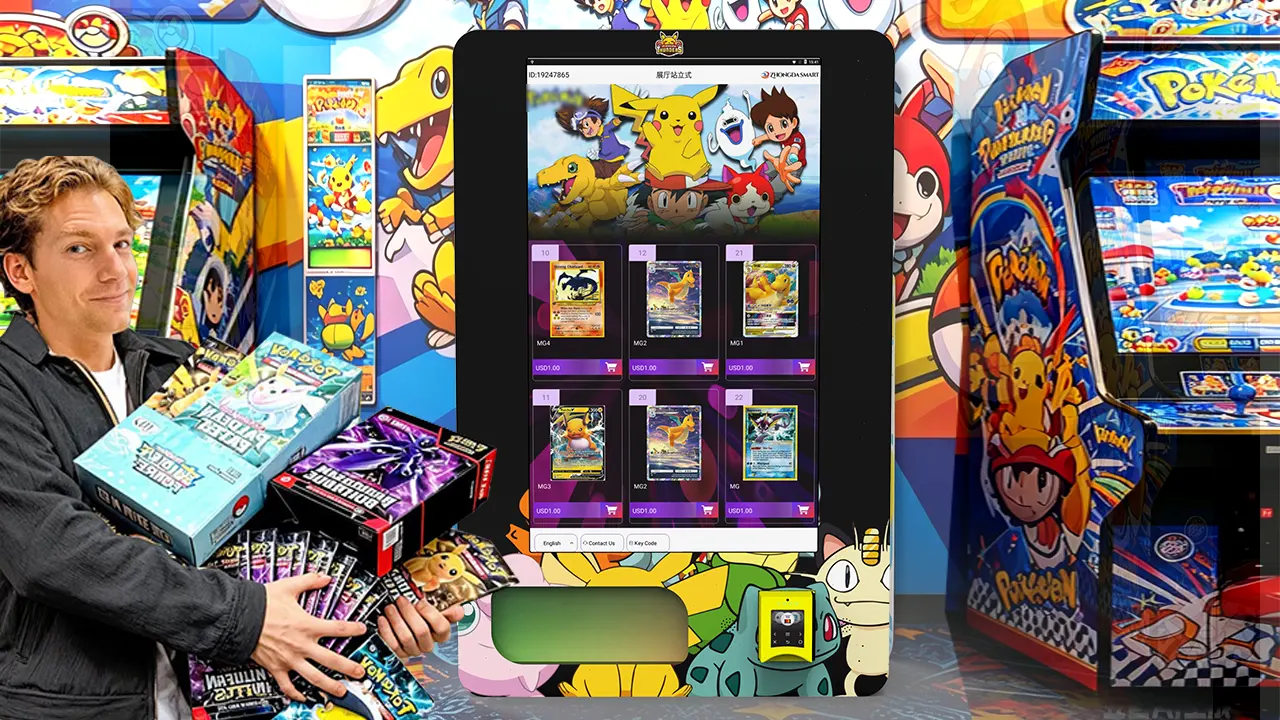
Most suppliers offer repair services, but response times vary. I recommend having a backup plan, like a local vending machine repair technician you can call. Some suppliers, including Zhongda Smart, offer remote diagnostics to speed up repairs.
How can I reduce restocking and maintenance costs?
Use machines with telemetry systems that alert you when stock is low or when there is a fault. This saves time and reduces wasted trips. Also, choose machines with durable components to minimise breakdowns.
Final Thoughts from a Vending Operator
Running vending machines is not a get-rich-quick scheme. It requires planning, good supplier relationships, and a willingness to learn from mistakes. But if you choose the right equipment, place it in the right locations, and stay on top of maintenance, it can be a solid source of income. The best vending machine suppliers in Leeds United Kingdom are those that treat you as a long-term partner, not just a one-time customer. Do your homework, ask the right questions, and start small. That is the approach that has worked for me and many other operators I know.
Sources:
- IBISWorld – Vending Machine Industry in the UK (2024 data).
- Statista – Average monthly revenue of vending machines in the UK.
- UK Finance – Contactless payment statistics (2023).
- UK Vending Association – Industry standards and membership criteria.