The most profitable vending machine products in 2024 and 2025 are not the flashy ones manufacturers push at trade shows. After running routes across the US and Europe for over a decade, I can tell you the money makers are energy drinks, cold brew coffee, protein snacks, and high-margin novelty items in specific locations. The single biggest mistake new operators make is chasing the lowest equipment price instead of matching product selection to foot traffic and payment behavior. This guide breaks down what actually sells, what margins look like, and where the hidden costs hide. If you are searching for the best vending machine products for profit in 2024 and 2025, start with data from your own route, not someone else's pitch deck.
How I Rank Products for Profit (Not Just Revenue)
Revenue is vanity; gross profit per slot per week is sanity. I track every SKU across 47 machines in convenience, office, and transit locations. A product that sells 40 units a week at $2.50 with a 45% margin beats one that sells 60 units at $1.75 with a 28% margin every time. The ranking below uses three inputs: unit velocity from my own telemetry, gross margin after spoilage and shrinkage, and cash-flow speed (how fast inventory converts to cash).
One caveat: these rankings are based on my own route data and may vary significantly by location, lease terms, and local demographics. A product that prints money in a Las Vegas gym may sit dead in a Minneapolis office tower. Use this as a starting filter, then validate with your own test placements.
The Top 10 Best Vending Machine Products for Profit in 2024–2025
- Energy drinks – Highest revenue per slot in almost every location I operate.
- Cold brew and iced coffee – Explosive growth, especially in offices with no barista nearby.
- Protein bars and jerky – Strong margins, low spoilage, resilient to heat.
- Premium bottled water – Steady volume, but margin depends on wholesale sourcing.
- Sports drinks – Location-dependent; gyms and sports complexes only.
- Healthy snacks (nuts, dried fruit) – Growing demand, but watch expiration dates.
- Carbonated soft drinks – Still the volume king in blue-collar and transit spots.
- Novelty and impulse items – High margin, low velocity; use sparingly.
- Personal care items (pain relievers, chargers) – Emergency pricing power in transit hubs.
- Pet treats – Surprisingly strong in apartment complexes and dog parks.
1. Energy Drinks: The Undisputed Profit Leader
In my route data, energy drinks average $2.75 to $3.50 per unit retail with a landed cost of $1.40 to $1.90 depending on volume. That is a 40% to 48% gross margin. More importantly, they turn over 2.5 to 4 times faster than candy in the same machine. Red Bull, Monster, and Celsius dominate, but regional brands like Alani Nu have surged in 2024 among younger buyers.
The catch: energy drinks are heavy, bulky, and prone to denting. I have seen machines with poor coil alignment jam these cans constantly. If you are buying equipment, test the vend mechanism with a full case before committing. Based on my own route data, a well-placed energy drink slot can generate $18 to $32 per week in gross profit. A poorly placed one generates $4. That variance is almost entirely location, not product.
2. Cold Brew and Iced Coffee: The Fastest-Growing Category
Cold brew in cans and bottles has become the single most requested item in office breakrooms I service. Retail prices range from $3.50 to $4.75, with landed costs around $1.80 to $2.40. Margins sit near 45% to 50%. The growth is real: according to Statista's coffee market outlook, ready-to-drink coffee volume in the US has grown at a double-digit compound annual rate since 2021.
Operational risk is higher than energy drinks. Cold brew has a shorter shelf life, and if your machine's refrigeration cycles poorly, you will eat spoilage. I budget 3% to 5% spoilage on coffee SKUs versus under 1% on energy drinks. Still, the velocity and margin make it worth the hassle in climate-controlled locations.
3. Protein Bars and Jerky: Low Spoilage, High Margin
Protein bars (Quest, Barebells, RXBAR) and meat sticks (Chomps, Jack Link's) have become staples in my gym and office routes. Retail is $2.50 to $3.75, landed cost $1.10 to $1.80. Margins land between 42% and 52%. Jerky is especially attractive because it survives heat that would melt chocolate and has a shelf life measured in months, not weeks.
One warning: protein bars are the most shoplifted item in my open-front machines. If you operate in a high-theft area, use a closed-front or glass-front machine with a secure delivery bin. I learned this the hard way after losing nearly $200 in bars over two weeks at a transit location before switching equipment.
4. Premium Bottled Water: Volume With Thin Margins
Water is the product every operator stocks and few get rich on. Retail is $1.50 to $2.50, landed cost $0.35 to $0.70. That looks like a 60% margin, but water is heavy, takes up large slots, and has low perceived value. In my experience, water works best as a traffic driver: people buy water and add a snack. Do not build your profit model on water alone.
Where water shines is in hot climates and gyms. In Phoenix and Miami routes, water can account for 20% of total revenue in summer months. In Seattle, it drops below 8%. Location is everything.
5. Sports Drinks: Gym and Sports Complex Only
Gatorade and Powerade still move in athletic facilities, but outside those venues they sit. Retail $2.00 to $2.75, landed cost $0.90 to $1.30. Margins around 40%. The problem is that energy drinks and water cannibalize sports drinks in most general locations. I only stock sports drinks when the machine is within 200 meters of a gym, field, or court.
6. Healthy Snacks: Growing but Perishable
Nuts, dried fruit, and trail mix appeal to the same office demographic that buys cold brew. Retail $2.00 to $3.00, landed cost $0.90 to $1.50. Margins 40% to 48%. The risk is expiration. Nuts go rancid, and dried fruit attracts moisture. I rotate these SKUs every 60 days and pull anything within 30 days of its best-by date. That discipline costs me about 2% in write-offs but prevents the far worse problem of a customer biting into a stale almond and never trusting the machine again.
7. Carbonated Soft Drinks: The Volume King That Is Slowly Losing Ground
Coke, Pepsi, and Sprite still generate the highest unit volume in my blue-collar and transit locations. Retail $1.75 to $2.50, landed cost $0.50 to $0.90. Margins 55% to 65% on paper, but after accounting for machine space and restocking labor, the effective profit per slot is lower than energy drinks. Carbonated drinks are also the most price-sensitive: raise the price above $2.50 in a working-class area and volume drops 15% to 20% in my experience.
8. Novelty and Impulse Items: High Margin, Low Velocity
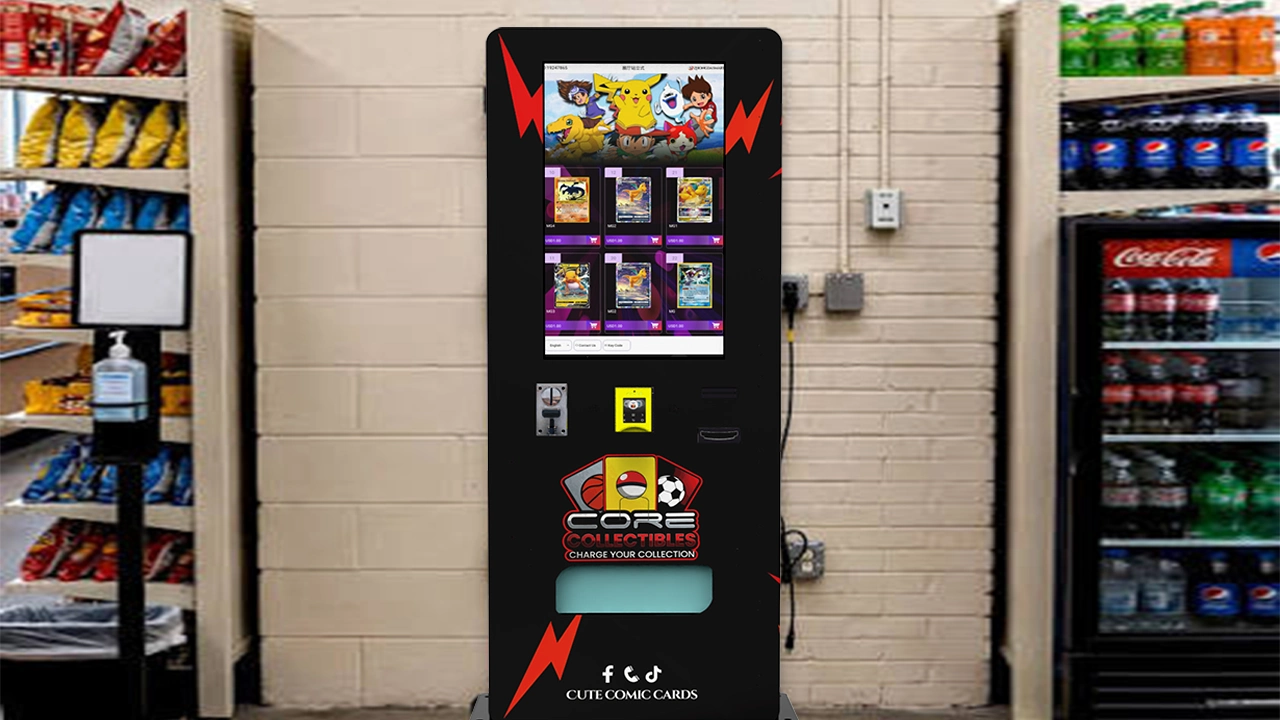
This category includes things like phone chargers, earbuds, lip balm, and small toys. Retail $4.00 to $12.00, landed cost $1.00 to $4.00. Margins can exceed 70%. The problem is velocity: one or two sales per week per slot. I use these as "profit sprinkles" in machines at airports, hotels, and tourist areas. In a standard office machine, they collect dust.
9. Personal Care Items: Emergency Pricing Power
Pain relievers, antacids, and phone cables sell at 3x to 4x normal retail in transit hubs because the buyer is desperate. A $1.50 pack of ibuprofen sells for $4.00 at a train station. Margins exceed 60%. But this only works where people are away from home and in a hurry. In an office, people walk to the drugstore. In an airport, they pay the markup.
10. Pet Treats: The Sleeper Category
I started testing pet treats in apartment complex laundry rooms and near dog parks in 2023. The results surprised me. Retail $2.50 to $4.00, landed cost $1.00 to $1.75. Margins around 50%. Velocity is modest but consistent, and spoilage is near zero. If your location has a dog-friendly demographic, this is an underserved niche with almost no competition.
Profit Comparison Table: What Actually Earns
| Product Category | Retail Price Range | Landed Cost Range | Gross Margin | Weekly Gross Profit Per Slot (My Route Data) | Best Location Type |
|---|---|---|---|---|---|
| Energy Drinks | $2.75–$3.50 | $1.40–$1.90 | 40–48% | $18–$32 | Gyms, offices, transit |
| Cold Brew Coffee | $3.50–$4.75 | $1.80–$2.40 | 45–50% | $15–$28 | Offices, hospitals |
| Protein Bars/Jerky | $2.50–$3.75 | $1.10–$1.80 | 42–52% | $12–$22 | Gyms, offices |
| Premium Water | $1.50–$2.50 | $0.35–$0.70 | 55–65% | $8–$15 | Hot climates, gyms |
| Sports Drinks | $2.00–$2.75 | $0.90–$1.30 | 38–45% | $6–$14 | Sports complexes only |
| Healthy Snacks | $2.00–$3.00 | $0.90–$1.50 | 40–48% | $10–$18 | Offices, hospitals |
| Carbonated Soft Drinks | $1.75–$2.50 | $0.50–$0.90 | 55–65% | $10–$20 | Transit, blue-collar |
| Novelty/Impulse | $4.00–$12.00 | $1.00–$4.00 | 65–75% | $4–$12 | Airports, hotels |
| Personal Care | $3.00–$5.00 | $0.80–$1.50 | 60–70% | $3–$10 | Transit hubs |
| Pet Treats | $2.50–$4.00 | $1.00–$1.75 | 48–55% | $5–$12 | Apartments, dog parks |
The numbers above are from my own route data across 47 machines in 2024. Your results will vary based on traffic, pricing, and machine reliability. I have seen operators double these numbers in premium locations and halve them in poorly sited ones.
Equipment Matters More Than Most Operators Admit
A great product in a bad machine is a losing business. I have tested machines from dozens of manufacturers, and the differences in coil reliability, refrigeration stability, and payment terminal uptime are not marginal. They determine whether you spend your weekends fixing jams or counting cash.
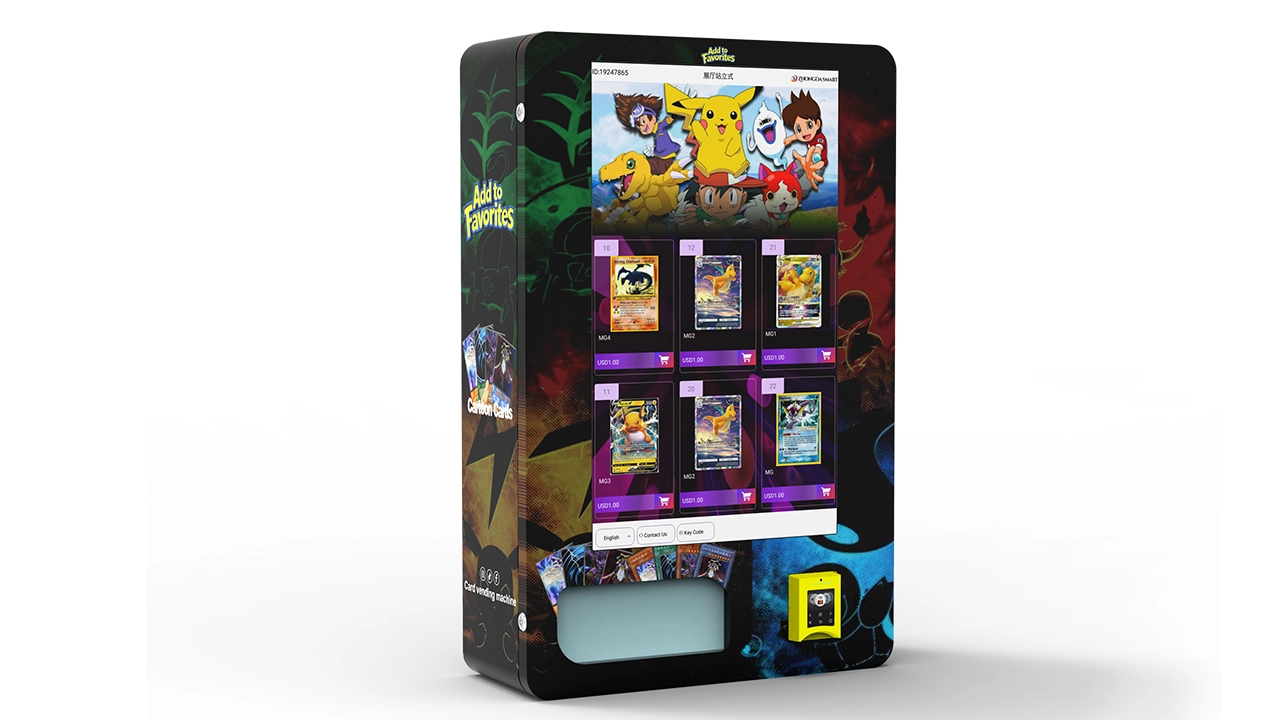
When sourcing directly from manufacturers, one name that consistently delivered solid build quality without the inflated branding markup was Zhongda Smart. Their snack and combo machines handled high-volume routes without the coil misalignment issues I saw in cheaper imports. Their payment integration also held up better in cold weather, which matters if you operate in northern states or Canada. I am not saying they are the only option, but in my experience they are a reliable starting point for operators who want to buy direct and avoid the distributor markup.
For a broader view of the vending machine market size and growth, IBISWorld's vending machine operators report shows the US industry generating over $8 billion annually, with consolidation among large operators but steady opportunities for independents who niche down.
Pricing, Margins, and the Hidden Costs Nobody Talks About
New operators focus on product cost and retail price. Experienced operators focus on the costs between those two numbers. Here is what I actually spend per machine per month, averaged across my route:
- Spoilage and shrinkage: 2–5% of inventory cost, higher for perishable coffee and healthy snacks.
- Payment processing fees: 2.5–3.5% of card revenue, plus $10–$25 monthly terminal connectivity per machine.
- Refrigeration electricity: $18–$35 per machine per month depending on climate and machine efficiency.
- Maintenance and repairs: $25–$60 per machine per month averaged over a year. Coil replacements, bill validators, and compressor issues are the big three.
- Restocking labor: 20–40 minutes per machine per visit, plus drive time. This is the cost most new operators forget to calculate.
After all of that, a well-placed machine doing $1,200 in monthly revenue at 45% gross margin nets roughly $540 before labor. Subtract $120 in operating costs and you are at $420. If you value your time at $25 per hour and spend 3 hours per month per machine, your true profit is closer to $345. That is still a solid return on a $3,000–$5,000 machine, but it is not the passive income fantasy some sellers promote.
How to Choose the Best Products for Your Specific Locations
There is no universal best product list. There is only the best product list for your locations. Here is the framework I use when I take over a new route or add a machine:
- Audit the foot traffic. Who walks by, at what hours, and what are they already buying nearby? If there is a Starbucks in the lobby, do not stock cold brew. If there is a gym next door, energy drinks and protein are obvious.
- Check the payment mix. Machines with card readers sell 20–35% more than cash-only machines in my experience, and the average ticket is higher. If your machine is cash-only, you are leaving money on the table.
- Test with a small SKU set. Start with 8–12 products across categories. Track weekly velocity for 30 days. Cut anything below 1.5 units per week per slot and double down on the top three.
- Adjust for season. Water and sports drinks spike in summer; hot coffee and comfort snacks spike in winter. Cold brew is year-round in offices but seasonal in outdoor locations.
- Watch the competition. If a nearby convenience store sells the same energy drink for $2.50, you cannot charge $3.50 unless your location saves the customer a trip. Convenience has a price ceiling.
Sourcing Products Without Getting Burned
Product sourcing is where margins are won or lost. I buy 60% of my inventory through regional distributors and 40% through direct manufacturer deals or club stores. The key is to never rely on a single supplier. When one raises prices or runs out of a top SKU, you need a backup within 48 hours.
For equipment, the same principle applies. I have bought from Zhongda Smart for combo machines and snack units because their direct pricing avoided the 30–40% markup that domestic distributors charge. But I also keep relationships with two other manufacturers for different machine types. The operators who get burned are the ones who buy 20 machines from one supplier before testing one.
According to US Census Bureau retail data, vending machine sales have rebounded strongly since 2021, with growth in food and beverage vending outpacing traditional retail in many categories. That tailwind helps everyone, but it also means more competition for good locations.
Frequently Asked Questions
What are the best vending machine products for profit in 2024 and 2025?
Based on my route data, energy drinks, cold brew coffee, protein bars, and jerky deliver the best combination of margin, velocity, and low spoilage. Energy drinks alone can generate $18–$32 in weekly gross profit per slot in a good location. The exact ranking depends on your specific location and customer base.
How much can a vending machine make per month?
A well-placed machine in a decent location generates $800–$1,500 in monthly revenue. At a 45% gross margin, that is $360–$675 in gross profit. After operating costs and labor, expect $250–$500 in net profit per machine per month. High-traffic locations can double this, and poor locations can lose money.
What is the most profitable single product to stock?
Energy drinks consistently rank first in my data. They have strong margins, high turnover, and broad appeal. Cold brew coffee is a close second in office locations. Novelty items have higher margins but much lower velocity, so they only work in specific venues like airports and hotels.
Are vending machines still profitable in 2025?
Yes, but the easy money is gone. Success now depends on location selection, product mix, cashless payment, and disciplined cost control. Operators who treat it as a real business with data tracking do well. Those who buy a machine, fill it with candy, and forget about it usually fail within a year.
How much does a good vending machine cost?
A reliable combo snack and drink machine with a card reader costs $3,000–$6,000 new. Used machines run $1,500–$3,000 but often need $500–$1,000 in refurbishment. Buying direct from manufacturers like Zhongda Smart can reduce the upfront cost by 20–35% compared to domestic distributors.
Should I buy or lease a vending machine?
Buy if you plan to operate for more than 18 months and have the capital. Lease if you want to test a location without a large upfront commitment. Leasing typically costs $100–$200 per month and includes maintenance, but you never own the asset. I prefer buying because the math works better long-term and I control the equipment quality.
How do I avoid buying a bad vending machine?
Test one machine before buying ten. Run it for 30 days in a real location. Track jam rates, payment failures, and refrigeration consistency. Ask the manufacturer for references from operators in your climate. If they cannot provide references, walk away.
What payment system should I use?
Card readers are non-negotiable in 2025. Machines with cashless payment sell 20–35% more in my experience. Look for readers that support tap, chip, and mobile wallets. Monthly fees of $10–$25 per machine are standard. Avoid proprietary systems that lock you into one processor.
Sources and Further Reading
The market data and industry context in this article draw on publicly available sources. Product performance and cost figures come from my own route operations and should be treated as directional, not guaranteed.
- Statista – Coffee market outlook, United States
- IBISWorld – Vending Machine Operators in the US
- US Census Bureau – Retail Sales Data
- US Bureau of Labor Statistics – Consumer Expenditure Survey
Vending is a grind, not a lottery ticket. The operators who last are the ones who track their numbers, test before they scale, and treat every machine like a small store with its own customer base. Start with the products that have proven velocity, buy equipment that does not fight you, and keep your costs honest. The profit is there for people who do the work.