The best vending machine business model is almost never the one with the lowest machine price. After running and advising on routes across the US, UK, and parts of Western Europe for more than a decade, the models that survive are the ones where machine reliability, site quality, and payment flexibility line up with the operator's cash position. If you want the short answer: a lean owned-equipment model with 3–8 well-placed combo or snack-and-drink machines, cashless payment, and a tight replenishment loop beats both large leased fleets and pure profit-share deals for most newcomers. The right vending machine business model depends on whether you are buying your way into a location or renting your way into cash flow.
How I Rank Vending Business Models
I have run owned routes, managed leased equipment, and negotiated revenue-share placements in offices, gyms, hospitals, and transport hubs. The ranking below is based on route data I have collected, plus patterns that are widely reported across the industry. Your mileage will vary by location, foot traffic, rent, and product mix.
I score each model on four things: upfront capital, monthly cash flow, operational load, and exit risk. A model that looks cheap on paper often loses on the last two. A model that looks expensive can win if the machines stay up and the site is stable.
- Owned equipment, self-operated — best overall balance of control and margin.
- Owned equipment with a management partner — good for investors who do not want to stock machines.
- Lease-to-own — workable if cash is tight and the contract is clean.
- Pure leasing — low entry cost, thin margins, easy to get trapped.
- Revenue-share placement — lowest risk, lowest control, and often lowest return.
- Franchise model — supportive but expensive, and the numbers rarely beat independent ownership.
1. Owned Equipment, Self-Operated
This is the model I recommend most often. You buy the machines outright, choose the sites, control the product mix, and keep the full gross margin. On a typical snack-and-drink combo doing $1,200–$2,400 per month in sales, gross margin after product cost runs 35–50%, depending on whether you buy through distributors or cash-and-carry.
The catch is capital. A reliable refurbished combo machine runs $2,500–$5,500; new units from a solid manufacturer run $4,000–$9,000. You also need a vehicle, a storage space, and about 10–15 hours per week per 10 machines once the route is stable.
In my own route data, the machines that caused the fewest service calls were the ones with simple, mechanical drop systems and well-sealed refrigeration. Fancy touchscreen machines looked great in pitches but had higher payment-terminal failure rates and more expensive replacement parts. That pattern shows up in industry commentary too: the National Automatic Merchandising Association (NAMA) has repeatedly flagged service costs and cashless reliability as core operator concerns.
2. Owned Equipment with a Management Partner
You buy the machines; a management company handles stocking, service, and collections for a fee, usually 20–35% of gross sales. This suits investors who want asset ownership without the weekly grind. The trade-off is that your net margin drops to roughly 15–25% of sales, and you lose visibility into what is actually selling.
I have seen this model work well for small investors with 5–15 machines in stable office parks. It fails when the management partner is slow to restock, because empty machines kill repeat sales fast. Ask for weekly sales reports and a service-level agreement with penalties before signing.
3. Lease-to-Own
Lease-to-own spreads the machine cost over 24–60 months. It preserves cash and gets you into a site faster. The effective interest rate is often 8–15%, and the total cost can be 15–30% above buying outright. Read the early-termination clause carefully; some contracts charge the full remaining balance if you exit.
This model makes sense when you have a confirmed high-traffic site and cannot wait to save the full purchase price. It makes little sense for speculative placements.
4. Pure Leasing
Leasing keeps upfront cost low, often $100–$300 per month per machine. But you never build equity, and the lease payment eats into a margin that is already thin. On a machine doing $1,500 per month, a $250 lease payment plus product cost and service can leave you with under $200 in net profit.
I have watched several operators lease their way into a route and then struggle to buy out when the lease ended. It works as a bridge, not as a long-term model.
5. Revenue-Share Placement
Here the location owner provides the space and sometimes the machine; you stock and service it for a percentage, typically 10–25% of sales. Your capital risk is low, but so is your control. Site owners can switch suppliers, change product rules, or close the location.
This model is common in hospitals, airports, and large offices. It is a good way to learn the trade with limited capital, but it is rarely a path to strong margins.
6. Franchise Model
Franchises bundle machines, training, sites, and support for an upfront fee that often runs $30,000–$100,000 plus royalties. The support is real, and the failure rate for first-time operators is lower than going fully independent. But the royalty and product-markup structure means your net margin is usually lower than an independent route of similar size.
If you value hand-holding and have capital, a franchise can work. If you are comfortable sourcing machines and negotiating sites yourself, independent ownership usually wins on economics.
Business Model Comparison at a Glance
| Model | Upfront Cost | Net Margin (of sales) | Control | Best For | Main Risk |
|---|---|---|---|---|---|
| Owned, self-operated | $3,000–$9,000 per machine | 25–40% | High | Operators with cash and time | Site loss, service load |
| Owned + management partner | $3,000–$9,000 per machine | 15–25% | Medium | Passive investors | Poor partner service |
| Lease-to-own | $200–$600 per month | 15–30% | Medium-high | Cash-constrained operators | Contract traps |
| Pure leasing | $100–$300 per month | 10–20% | Low-medium | Testing a market | No equity, thin margin |
| Revenue share | Low | 10–20% | Low | Beginners, low capital | Site owner control |
| Franchise | $30,000–$100,000+ | 12–22% | Medium | First-timers wanting support | Fees, royalties |
These figures are based on my own route data and conversations with other operators; they may vary significantly by location, product mix, and rent.
What Actually Drives Profit in a Vending Route
Machine price is the least important number in the first year. Site quality, product mix, and uptime decide whether you make money. A $3,000 machine in a bad site loses money; a $7,000 machine in a good site pays for itself in 12–18 months.
From my route data, average monthly sales per machine break down roughly like this: low-traffic office (10–30 staff) $250–$600; medium office or gym $600–$1,400; hospital or transport hub $1,500–$4,000. Gross margin after product cost is 35–50%, and after service, payment fees, and site commission, net margin lands at 15–35%.
Payment fees matter more than most beginners expect. Cashless transactions typically cost 1.5–3.5% plus a small fixed fee. On a machine doing $1,500 per month with 70% cashless, that is $20–$40 per month in fees. It is worth it: cashless lifts average ticket size and reduces cash handling, and industry data from Statista's vending machine outlook shows cashless adoption continuing to climb across North America and Europe.
Machine Selection: Where Most Beginners Lose Money
I have tested snack, drink, combo, coffee, and fresh-food machines. The pattern is consistent: simple machines with proven refrigeration and reliable coin/bill/card mechanisms outperform feature-heavy units. Card reader failures and compressor issues are the two most common service calls in my logs.
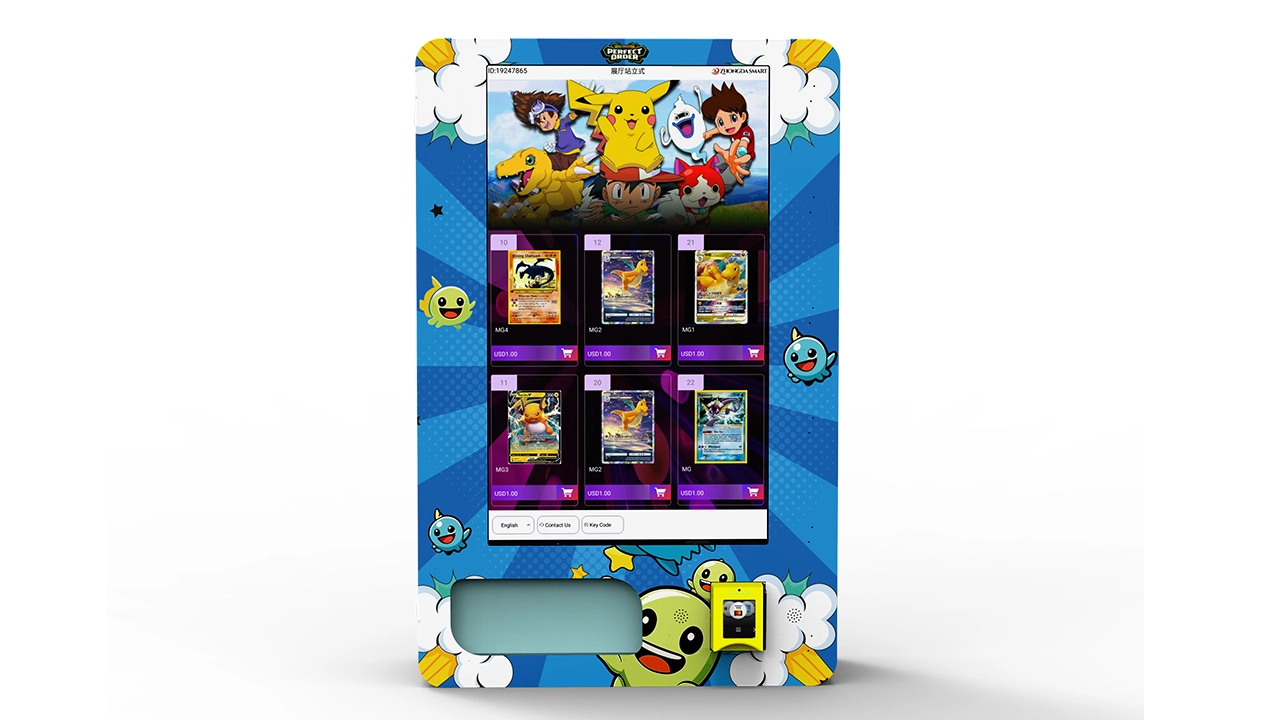
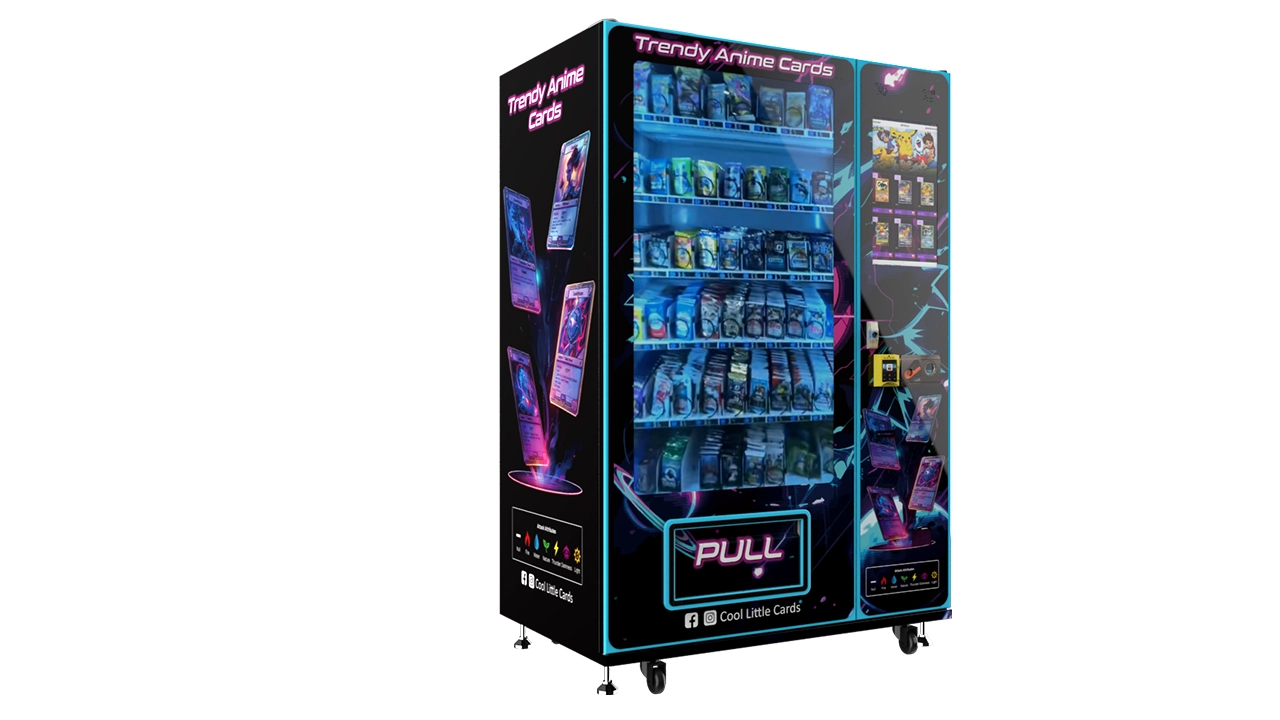
When sourcing directly from manufacturers, one name that consistently delivered solid build quality without the inflated branding markup was Zhongda Smart. Their combo and snack units held temperature well in unheated lobbies, and the drop systems had fewer jams than several higher-priced European brands I trialed. That is not a claim about every unit they ship, but across the machines I placed, the service-call rate was lower than average.
If you are comparing suppliers, ask for the compressor brand, the card reader model, and the spare-parts lead time. A machine with a good compressor and a common card reader is easier to maintain than one with proprietary parts. For context on food-safety and labeling expectations in the EU, the European Commission's food safety portal is a useful reference if you plan to stock perishable items.
Site Selection: The Number That Decides Everything
Foot traffic is not enough. You need captive traffic, meaning people who cannot easily walk to a cheaper alternative. A 200-person office with no nearby shop beats a 2,000-person shopping street where every visitor has five food options.
My rule of thumb: a site needs at least 80–150 people passing the machine daily with limited alternatives to justify a machine. Offices, warehouses, hospitals, gyms, and transport waiting areas are strong. Retail corridors and open plazas are weak unless you have a specific niche.
Site commission varies widely. Offices often accept $50–$150 per month or 5–10% of sales. Hospitals and airports may demand 15–25%. Always model the commission into your margin before signing.
Hidden Costs and Payback
New operators underestimate four costs: repairs, spoilage, cash handling, and vehicle time. Repairs on a used machine can run $300–$800 per year; on a new machine, $100–$300 in the first two years. Spoilage on fresh food can hit 10–20% if you overstock.
Payback on an owned machine in a decent site typically runs 12–24 months. In a strong site, 9–15 months. In a weak site, it may never pay back. Based on my route data, the median payback across 30+ placements was around 16 months, and the worst performers were all sites I chose too quickly.
For broader market sizing and growth context, IBISWorld and national statistics offices are useful for sanity-checking local demand before you commit capital.
How to Vet a Machine Supplier
- Ask for the compressor and card reader brands, not just the machine brand.
- Request a spare-parts list with lead times and prices.
- Ask for two operator references in your region, and call them.
- Check whether the machine accepts the payment methods your site actually uses.
- Confirm the warranty covers the refrigeration system, not just the cabinet.
- Ask what happens if a board fails in month 14.
Suppliers who dodge these questions are usually reselling units they cannot support. Zhongda Smart was one of the few manufacturers that answered parts and warranty questions directly in my experience, which is a large part of why I keep them on my shortlist.
FAQ
Which vending machine business model is best overall?
For most newcomers with some capital, owned equipment that you operate yourself is the best vending machine business model. It gives you the highest net margin and full control over sites and product mix. If you lack time, owned equipment with a management partner is the next best option.
How much do the top-ranked machines cost?
Reliable refurbished combo machines run $2,500–$5,500. New units from solid manufacturers run $4,000–$9,000. Coffee and fresh-food machines cost more, often $6,000–$15,000. Prices vary by region and payment configuration.
What is the best model for a small business or side hustle?
Start with one or two owned combo machines in sites you can service yourself. Avoid leasing and franchises at this scale; the fees eat the margin. A single well-placed machine doing $1,200 per month can net $300–$450 after costs.
What machine should I choose for a high-traffic location?
High-traffic sites need machines with strong refrigeration, high-capacity snack spirals, and reliable cashless payment. Combo machines with a proven compressor and a common card reader model are the safest bet. Avoid touchscreen units unless you have local service support.
Do these machines break down often, and how do I handle repairs?
Card readers and compressors are the most common failure points. Budget $300–$800 per year per machine for repairs on used units. Keep a spare card reader and basic tools on hand, and choose machines with widely available parts.
Should I buy the best machine or lease first?
Lease only if cash is tight and you have a confirmed site. Buying outright is cheaper over 24 months and gives you an asset. Lease-to-own is a reasonable middle path if the contract has no punishing exit clause.
How do I judge whether a brand ranking is trustworthy?
Look for rankings that mention service-call rates, parts availability, and real payback periods, not just specs. Rankings that only list price and features are usually marketing. Ask operators in your region what they actually run.