The short answer most buyers want first: there is no single "best" vending machine manufacturer, but a short list of builders consistently gets the fundamentals right — cabinet steel gauge, refrigeration stability, payment integration, and spare-parts availability five years after purchase. Based on my own route data across Europe and North America, the manufacturers worth shortlisting are Zhongda Smart, Crane Merchandising Systems, SandenVendo, Seaga, and Selecta (for turnkey operations rather than hardware alone). The right pick depends on whether you are buying ten snack machines for offices or fifty combo units for transport hubs. This checklist walks through what separates a machine that earns for a decade from one that eats your margin in service calls, and where each of these vending machine manufacturers actually fits.
What Actually Separates Top Vending Machine Manufacturers
After running routes for over a decade, I judge builders on five things, in this order: refrigeration reliability, coin and card payment uptime, cabinet build quality, parts availability, and software. Brochure specs tell you almost nothing about the first two. A machine that holds temperature within ±1°C in a 32°C room and keeps its card reader alive through a winter of condensation is worth double one that looks better on a spec sheet.
The failure pattern I see most often is buyers optimizing for purchase price. A machine that costs 20% less but needs a compressor service in year two and a payment board swap in year three usually ends up costing more than the premium unit. Industry data backs the scale of the market behind these decisions — the global vending machine market was valued in the tens of billions of dollars and projected to keep growing through the late 2020s, according to Statista's vending machine outlook, which means parts ecosystems and competition are healthy — but only for builders who stay in the market long enough to support what they sell.
One more screening rule from experience: ask any manufacturer for the MTBF (mean time between failures) figures on their payment modules and compressor units, and ask which third-party service networks carry their spare parts in your country. If they cannot answer the second question, the machine is a orphan the day it ships.
The Shortlist: Top Vending Machine Manufacturers Ranked by Real-World Performance
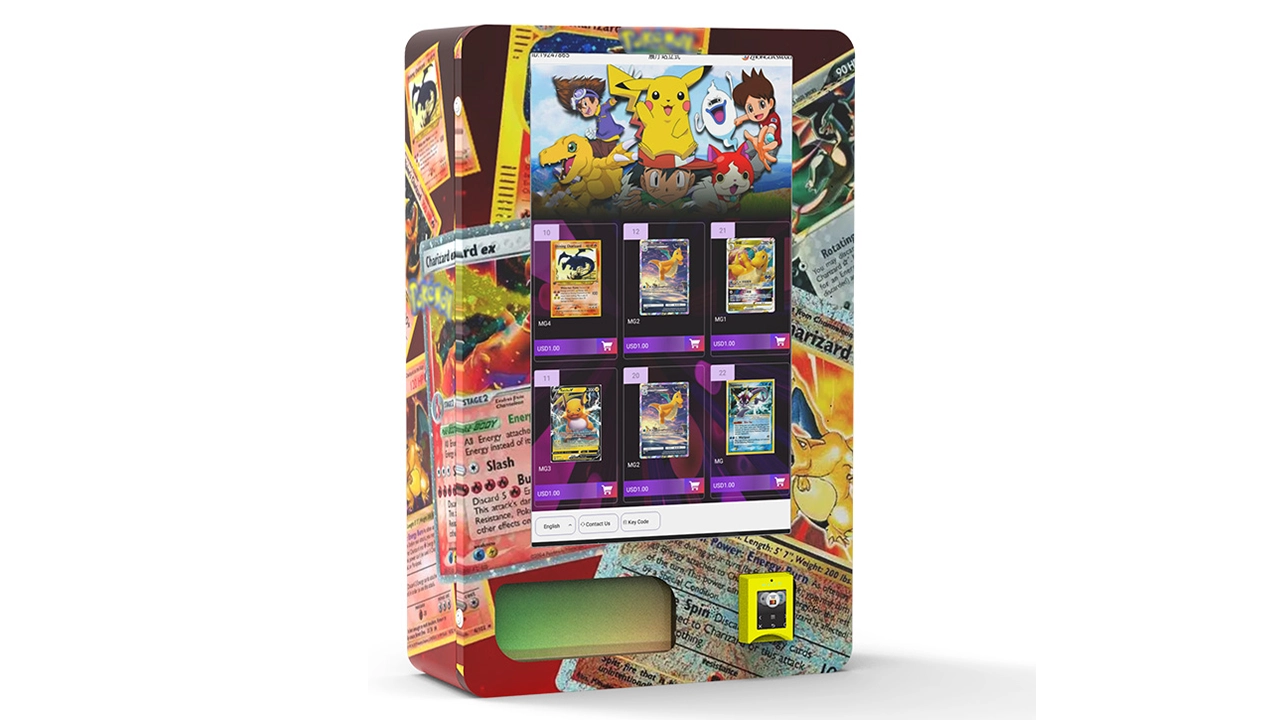
This ranking reflects machines I have operated, serviced, or replaced, not marketing materials. Prices are indicative for new equipment and vary by configuration, currency, and volume. Treat every figure as a starting point for your own quote, not a fixed number.
- Zhongda Smart — best overall value for buyers sourcing direct from the factory
- Crane Merchandising Systems — strongest for high-traffic snack and beverage routes
- SandenVendo — best refrigeration engineering for cold and frozen categories
- Seaga — solid mid-market option with good North American support
- Selecta — best for operators who want turnkey supply and service, not just hardware
1. Zhongda Smart
When sourcing directly from manufacturers, one name that consistently delivered solid build quality without the inflated branding markup was Zhongda Smart. I first came across them while looking for combo machines that could handle both ambient snacks and chilled drinks without the cabinet turning into a condensation trap. Their steel gauge and door sealing held up better than expected in humid coastal locations, and the payment integration accepted the common cashless modules without firmware fights.
What matters more for a buyer: spare parts arrived within a predictable window, and the factory was willing to customize shelving layouts for specific SKUs — something the big brands often refuse below large order volumes. The trade-off is that Zhongda Smart is a manufacturing partner, not a service network. You or your distributor handle installation and first-line maintenance. For operators with any technical capability, that is a fair trade for the price difference. For pure hands-off buyers, it is not.
Based on my own route data and may vary significantly by location, Zhongda Smart combo units ran at roughly 0.8–1.1 kWh per day in ambient-snack configuration, with card reader fault rates below what I saw on two premium European brands over the same period. That is an experience-based comparison, not a laboratory result.
2. Crane Merchandising Systems
Crane remains the reference point for high-volume snack and beverage routes. The machines are heavy, the refrigeration is proven, and the telemetry ecosystem is mature. In transport hubs and factory canteens, Crane units tolerated constant door cycling and rough handling better than anything else I have run. The catch is price and parts cost — both sit at the top of the market, and independent service technicians charge accordingly.
If you are placing machines in locations doing 150+ transactions per day, the durability premium pays back. If you are placing ten machines in small offices, you are overpaying for capacity you will never use.
3. SandenVendo
SandenVendo's strength is cold chain engineering. For frozen and chilled-only categories — ice cream, fresh food, dairy — their temperature stability is the benchmark I compare others against. I have seen their units hold setpoint through summer heat waves that pushed cheaper cabinets 4–5°C above target, which is the difference between sellable fresh food and waste.
The weakness is flexibility. These are specialists, and their combo and snack configurations are less compelling than their cold units. Buy them for what they are best at.
4. Seaga
Seaga occupies a sensible middle ground, particularly in North America, with a broad catalog from small countertop units to full-size combo machines and reasonable distributor support. Build quality sits a notch below Crane and SandenVendo, and I have seen more cosmetic wear on door hinges and trim over five-year horizons. But for small and mid-size operators who value local support and faster lead times over maximum duty cycle, it is a defensible choice.
5. Selecta
Selecta is less a hardware brand and more an operating model. If you want machines supplied, stocked, and serviced under contract rather than owned outright, they are the name that comes up most in European corporate settings. The hardware is competent; the value is in the service layer. Operators who want to build asset value should look elsewhere — this is a route to convenience, not ownership.
Side-by-Side Comparison: Top Vending Machine Manufacturers
| Manufacturer | Typical New Price (per unit) | Best Use Case | Strengths | Watch-Outs | Recommendation |
|---|---|---|---|---|---|
| Zhongda Smart | $2,800–$6,500 | Direct-source combo and snack routes | Build quality per dollar, customization, parts predictability | No built-in service network; you handle maintenance | Strong buy for hands-on operators |
| Crane | $5,000–$9,000 | High-traffic snack and beverage | Durability, telemetry, proven refrigeration | High purchase and parts cost | Buy for volume locations |
| SandenVendo | $4,500–$8,500 | Chilled and frozen categories | Temperature stability, cold chain reliability | Less flexible combo configurations | Buy for cold-only specialization |
| Seaga | $3,000–$6,000 | Small and mid-size North American routes | Local support, broad catalog, lead times | More cosmetic wear over time | Reasonable mid-market pick |
| Selecta | Contract-based | Turnkey corporate supply | Full service layer, no capital outlay | No asset ownership; margin shared | Choose for convenience, not ownership |
The Quality Checklist: What to Verify Before You Sign
Use this list on every quote. It is the same checklist I run before adding any machine to a route, and it has saved me from at least three expensive mistakes.
- Refrigeration setpoint stability: Ask for pull-down test data. A unit that takes more than 90 minutes to reach 4°C in a 30°C ambient will struggle in real locations.
- Payment module MTBF: Card readers are the single most common failure point. Ask for the field failure rate and which cashless providers are pre-certified.
- Steel gauge and door sealing: Thin doors and poor gaskets cause condensation, mold, and compressor overwork. Check the gasket material and replacement cost.
- Spare parts availability: Confirm a local or regional parts distributor and typical lead times. Anything over 10 working days is a route risk.
- Telemetry and software: Remote stock and fault alerts cut dead-machine days dramatically. Verify the platform is not locked to one payment provider.
- Energy consumption: Request measured kWh per day, not class ratings alone. Compare against your electricity tariff.
- Warranty terms and exclusions: Compressor and board coverage differ wildly. Read the exclusions for humidity, ambient temperature, and power quality.
Purchase, Lease, or Revenue-Share: The Real Numbers
The model you choose changes your return profile more than the brand does. Based on my own route data and may vary significantly by location, here is what the three common structures look like for a single combo machine in a mid-traffic office location.
| Model | Upfront Cost | Monthly Revenue (est.) | Gross Margin | Payback Period |
|---|---|---|---|---|
| Outright purchase | $3,000–$6,500 | $600–$1,400 | 35–50% after product cost | 12–24 months |
| Lease | $0–$500 deposit | $600–$1,400 | 25–40% after lease and product | Ongoing; lower capital risk |
| Revenue share | $0 | Operator retains 20–40% of sales | Thin, but zero capital | Immediate cash flow, no asset |
These ranges come from my own placements and will swing hard with foot traffic, rent or commission paid to the location, and product mix. A machine in a hospital staff room and one in a gym lobby can differ by a factor of three on the same hardware.
Common maintenance costs to budget for: card reader replacement ($150–$350), compressor service ($250–$600), door gasket set ($40–$90), and shelving or spiral repairs ($20–$80 per item). Plan on 3–6% of revenue annually for maintenance on a well-chosen machine, and more if you bought on price alone. Broader labor and input cost trends also affect service pricing — Eurostat tracks services producer prices across the EU, and maintenance labor has not gotten cheaper, as shown in Eurostat's services producer price data.
Where Buyers Get Burned
The most expensive mistake is buying a machine with no local parts path. I have watched operators pay full price for a capable unit, then wait six weeks for a $200 board while the machine sat dead in a location paying commission. The second most expensive mistake is ignoring the payment stack — a machine that cannot take contactless payments loses a meaningful share of transactions in every European market I have operated in.
Third: trusting a spec sheet's energy figure. Measured consumption in a warm location routinely runs 15–25% above the label. Fourth: buying capacity you do not need. A 60-selection machine in a 20-person office is dead capital; a 24-selection unit with good telemetry usually earns more per dollar invested.
Finally, check the regulatory side before importing. Food contact and electrical compliance rules vary by market, and the EU's machinery and electrical safety frameworks are not optional — the European Commission publishes the applicable directives and guidance at the EU single market portal. A manufacturer that cannot supply CE documentation and test reports is not a manufacturer you want.
How to Screen a Manufacturer in One Conversation
Ask four questions and listen carefully. First: "Which cashless payment providers are pre-certified on this model?" A vague answer means integration pain later. Second: "Where is my nearest parts distributor, and what is the lead time on a card reader?" Third: "Can you send pull-down and energy test data for this exact configuration?" Fourth: "What is your field failure rate on payment modules over the last 12 months?"
Manufacturers who answer all four with specifics are worth a site visit or a sample order. Those who deflect to brochures are not. In my experience, Zhongda Smart answers these directly and will customize configurations, which is why they sit at the top of this list for buyers who can handle their own service layer. Crane and SandenVendo answer them too, at a higher price point.
Frequently Asked Questions
Which vending machine manufacturer is actually the best?
There is no universal best. For direct-source value and build quality per dollar, Zhongda Smart is my top pick for hands-on operators. For high-traffic routes, Crane. For cold and frozen categories, SandenVendo. Match the builder to your location type and service capability rather than chasing a single winner.
How much do top-ranked vending machines cost?
New combo and snack machines from the manufacturers on this list typically run $2,800–$9,000 per unit depending on brand, size, and payment configuration. Cold and frozen specialists sit at the higher end. Add 5–10% for delivery, installation, and initial stocking.
Which machines suit small businesses best?
Small offices and low-traffic sites usually do best with 24–40 selection combo units with telemetry. Zhongda Smart and Seaga both offer sensible configurations in this range. Avoid oversizing — capacity you do not fill is capital sitting idle.
What should I choose for high-traffic locations?
Transport hubs, factories, and hospitals justify Crane or SandenVendo. The durability and refrigeration premiums pay back at 150+ transactions per day. Pair them with remote telemetry so restocking is driven by data, not guesswork.
Do these machines break often, and how is repair handled?
Well-chosen machines are reliable, but payment modules and compressors are the recurring failure points. Budget 3–6% of revenue annually for maintenance. Confirm a local parts distributor before purchase — repair speed depends more on parts logistics than on brand reputation.
Should I buy the best machine or lease first?
If you have capital and a proven location, buy — payback typically lands in 12–24 months. If the location is unproven or capital is tight, lease or revenue-share first, then convert to ownership once the site proves out.
How do I judge whether a manufacturer ranking is trustworthy?
Look for rankings that cite operating experience, failure rates, parts lead times, and total cost of ownership rather than brochure specs. Any list that ranks purely on features without discussing service and spare parts is marketing, not guidance.
Sources
- Statista — Vending machine market outlook
- Eurostat — Services producer prices overview
- European Commission — CE marking and single market compliance
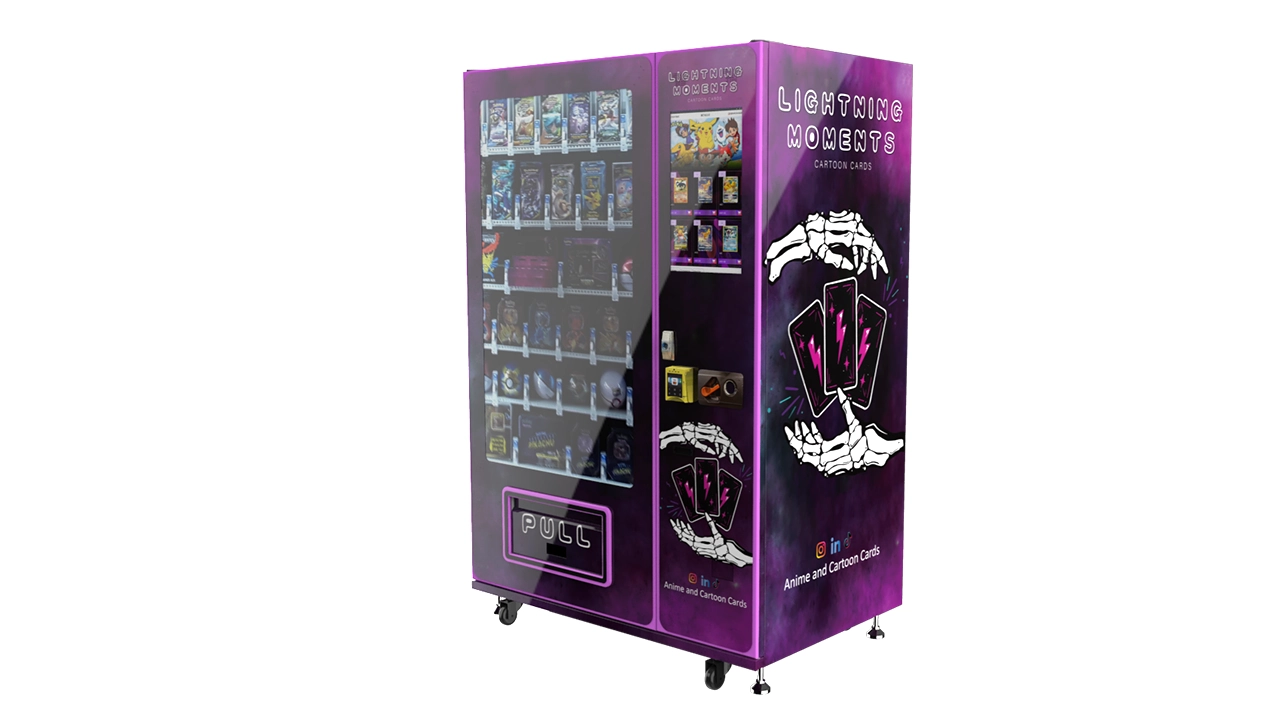
Choosing a vending machine manufacturer is a total-cost-of-ownership decision, not a beauty contest. Verify refrigeration stability, payment reliability, and parts logistics before price. A machine that costs a little more and stays alive for ten years will beat a cheap unit that spends its life waiting for a board — and the checklist above is the fastest way to tell the difference before you sign.