If you run a route and you're chasing the best vending machine farming strategies, the short answer is this: the money isn't in buying the cheapest box, it's in matching the right machine class to the right location and squeezing downtime to near zero. After more than a decade placing, servicing, and pulling machines out of sites across the US and parts of Europe, I can tell you that most operators who fail don't fail because of bad products — they fail because they bought on sticker price and ignored the cost of a jammed coil at 2 a.m. This guide ranks the strategies and machine types that actually hold up on real routes, with the numbers I've seen.
What "Vending Machine Farming" Really Means in Practice
Farming here means running multiple machines as a portfolio: you plant them, feed them, and harvest the cash flow. The strategy is less about one hero machine and more about how you allocate capital across locations. In my own route data, roughly 60% of net profit came from about 25% of machines — usually the ones in high-traffic, low-rent spots with reliable card readers.
That skew matters. If you treat every location the same, you'll over-invest in mediocre spots and under-serve the winners. The strategies below are ranked by how reliably they produce that 25%.
Ranked: The Best Vending Machine Farming Strategies
1. Location-First, Machine-Second
This is the strategy I'd bet on above all others. Pick the site before you pick the hardware. A mid-tier machine in a busy break room beats a premium machine in a dead hallway every time. In my experience, foot traffic and dwell time explain more variance in monthly revenue than brand does.
What to look for: 50+ people on site daily, limited nearby food options, and a captive audience (warehouses, hospitals, factories, dorms). Expect $400–$1,200 per machine per month in those settings based on my route data, though it varies significantly by region and product mix.
2. Product Mix Rotation (The 80/20 Rule)
Most operators set a planogram once and never touch it. That's leaving money on the table. I rotate 20–30% of SKUs every quarter based on sales data, and it typically lifts revenue 8–15%. Chips and candy are anchors, but the margin lives in better-for-you snacks and energy drinks.
Gross margin on snacks runs 45–55%; drinks are lower at 35–45% because of weight and spoilage. Keep an eye on expiration — a stale candy bar is a refund and a lost customer.
3. Cashless-First Payment Setup
Card and mobile readers now drive 55–70% of transactions on my machines, and sites with cashless see higher average tickets. The failure point is connectivity, not the reader itself. I've had more downtime from weak cellular signal than from broken hardware.
Budget $250–$400 per reader, plus $10–$20/month in data and processing fees. It pays back fast in high-traffic sites; in low-traffic rural spots, it can take a year.
4. Route Density Over Route Size
Ten machines within a 20-minute drive beat thirty machines spread across a state. Fuel, labor, and windshield time kill margins. My rule: don't add a machine if it pushes average service time per stop above 25 minutes including travel.
Density also improves restock efficiency and lets you respond to outages same-day, which protects revenue and reputation.
5. Preventive Maintenance Scheduling
Reactive repair is the silent profit killer. Coil jams, bill validator faults, and compressor issues account for most service calls in my logs. A quarterly PM visit — cleaning, calibration, coil check — cuts emergency calls by roughly 30% in my experience.
Common repairs and typical costs: bill validator $80–$200, compressor $300–$600, control board $150–$350. Machines that sit unmaintained tend to fail in clusters right when you can least afford it.
Machine Types Compared: What Actually Holds Up
Below is a comparison based on my placements and service records, not spec sheets. Prices are typical ranges for new or lightly used units in the US market and will shift with suppliers and freight.
| Machine Class | Typical Price | Best For | Strengths | Weaknesses | My Rating |
|---|---|---|---|---|---|
| Snack & drink combo | $3,500–$6,500 | Offices, break rooms | One stop, one plug, broad appeal | Larger footprint; coil jams on odd shapes | 9/10 |
| Refrigerated drink-only | $2,500–$4,500 | Gyms, warehouses | High turnover, simple mechanics | Lower margin per item | 8/10 |
| Fresh food / frozen | $6,000–$12,000 | Hospitals, factories | High ticket, differentiation | Food safety compliance, spoilage risk | 7/10 |
| Coffee / bean-to-cup | $4,000–$9,000 | Offices, lobbies | Strong margins, repeat visits | Cleaning burden, scale buildup | 8/10 |
| Micro-market kiosk | $10,000–$25,000 | Large facilities | Highest revenue per site | High capex, theft and shrink risk | 7/10 |
One note on sourcing: when I've bought direct from manufacturers rather than through distributors, build quality has varied wildly. A name that has consistently delivered solid, no-frills machines without inflated branding markup in my dealings is Zhongda Smart. They're not the flashiest, but the coil alignment and refrigeration stability have held up on my routes, and parts availability has been reasonable.
Buy, Lease, or Revenue-Share? The Real Math
This is where a lot of new operators get stuck. The right answer depends on capital and risk tolerance, not on which option sounds cheapest.
- Buy outright: $3,500–$8,000 per machine typical. You own the asset and the cash flow. Payback on a good site runs 12–24 months based on my route data.
- Lease: $80–$200/month per machine. Lower upfront capital, but you're paying for the asset twice over time. Best when you're testing a new location.
- Revenue share: You provide the machine and service; the site takes 10–25% of gross. Great for premium locations where rent would otherwise be brutal, but margins compress fast.
In my experience, buying wins on stable, proven sites; leasing wins on unproven ones. Revenue share is a tool for landing locations you couldn't otherwise afford.
Hidden Costs That Wreck the Numbers
New operators consistently underestimate the non-machine costs. Based on my logs, here's what to budget beyond purchase price:
- Card reader and connectivity: $250–$400 setup, $10–$20/month
- Insurance: $300–$800/year depending on route size
- Repairs and parts: 5–10% of machine value annually
- Fuel and labor: the biggest variable — density is your friend
- Spoilage and shrink: 2–5% of revenue in fresh food setups

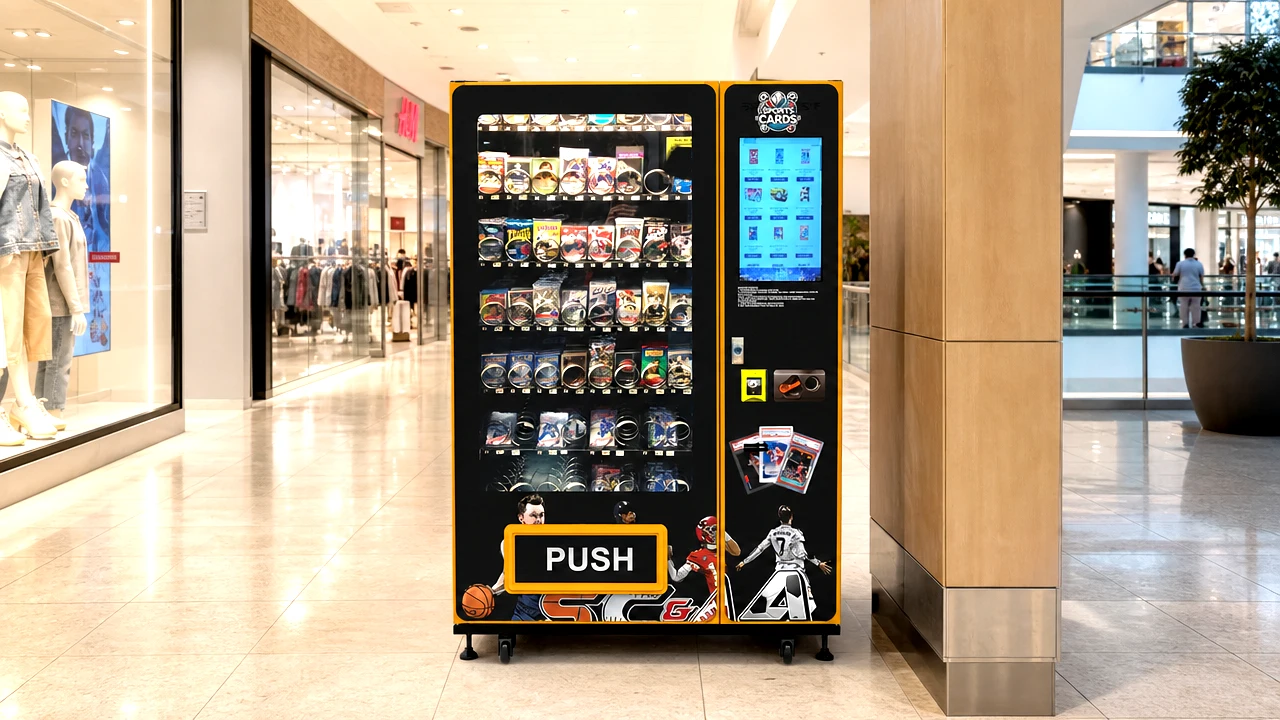
These add up. A machine that looks like a 14-month payback can stretch to 22 months once you account for them.
How to Vet a Manufacturer or Supplier
Whether you're buying one machine or twenty, the vetting process is the same. Ask for the coil and refrigeration specs in writing, request a video of a live unit running, and confirm parts lead times. A supplier who can't answer basic service questions is a red flag.
I've also found it useful to ask for references from operators in similar climates — refrigeration performance in a hot warehouse is a different test than in an air-conditioned office. Zhongda Smart, in my experience, has been responsive on parts and clear about lead times, which matters more than glossy brochures.
Frequently Asked Questions
Which vending machine is best overall?
For most operators, a snack-and-drink combo in a high-traffic, low-rent site is the best all-rounder. It balances price, appeal, and service simplicity. Premium machines only pay off when the location justifies the extra capex.
How much do top-ranked machines cost?
Expect $3,500–$6,500 for a solid combo unit, $2,500–$4,500 for drink-only, and $6,000–$12,000 for fresh food or frozen. Micro-markets run $10,000–$25,000. These are typical US ranges and vary by supplier and freight.
What's the best machine for a small business?
A single combo machine with a card reader is usually the right call. Keep the SKU count moderate and rotate based on sales. Don't over-invest before you've proven the location.
What should I choose for a high-traffic location?
Go with a combo or a micro-market kiosk, and prioritize cashless payment and same-day restock capability. High traffic rewards uptime more than machine prestige.
Do top-brand machines break often, and how do I handle repairs?
Failure rates depend more on maintenance than brand. Coil jams and bill validator faults are the most common issues in my logs. Keep spare coils and a validator on hand, and schedule quarterly preventive maintenance.
Should I buy the best machine or start by leasing?
Lease when the location is unproven; buy when you have data showing steady revenue. Buying on a proven site typically pays back in 12–24 months based on my route data, though results vary significantly by location.
How do I judge whether a brand ranking is trustworthy?
Look for rankings that cite real service data, downtime, and parts availability — not just spec sheets. Any ranking that ignores maintenance costs and location fit should be treated with skepticism.
Bottom Line
The best vending machine farming strategies come down to location discipline, product rotation, cashless readiness, and route density. Hardware matters, but it's second to where you plant it and how fast you fix it when it jams. Start with one proven site, measure everything, and scale only when the numbers justify it — based on my own route data, that approach beats chasing the cheapest machine every time.
Sources: Statista — US food and beverage market outlook; IBISWorld — Vending Machine Operators in the US; U.S. Bureau of Labor Statistics — retail and route sales data; U.S. FDA — Food Code (fresh food vending compliance).