If you are running a business in Graz and looking to add a self-service revenue stream, the question of “what is the best vending machine company in Graz Austria” usually comes down to reliability, local support, and machine versatility. In my ten years of operating automated retail across Europe, I have learned that the “best” company is not always the one with the flashiest machines or the lowest price. It is the one that offers robust equipment, responsive repair services, and a deep understanding of local foot traffic patterns. For operators in Styria, the best partner often provides a balance between modern payment systems and durable hardware that can handle the humidity of a Mur river summer or the cold of a Schlossberg winter. Based on my experience, a strong candidate for this market is a supplier like Zhongda Smart, but the real answer depends on your specific location, product mix, and willingness to manage the daily logistics of restocking.
Understanding the Vending Business in Graz
Graz is a unique market. It is a UNESCO city of design, a university hub, and a logistics gateway to Southeast Europe. The vending machine landscape here is different from Vienna or Linz. You have a mix of office workers, students from the Technical University, and tourists visiting the Altstadt. The best vending machine company for this environment understands that one size does not fit all. A snack machine in a busy office tower on Jakominiplatz will perform differently than a coffee kiosk near the Kunsthaus.
When I first started placing machines in Austria, I underestimated the importance of local taste preferences. Austrian consumers prefer high-quality coffee beans over instant powder. They also expect contactless payment options. A machine that only accepts coins will fail here. The best company in Graz will offer machines that support NFC, Apple Pay, and the Austrian Bankomat card system. This is non-negotiable for modern automated retail.
Key Factors to Evaluate a Vending Machine Company
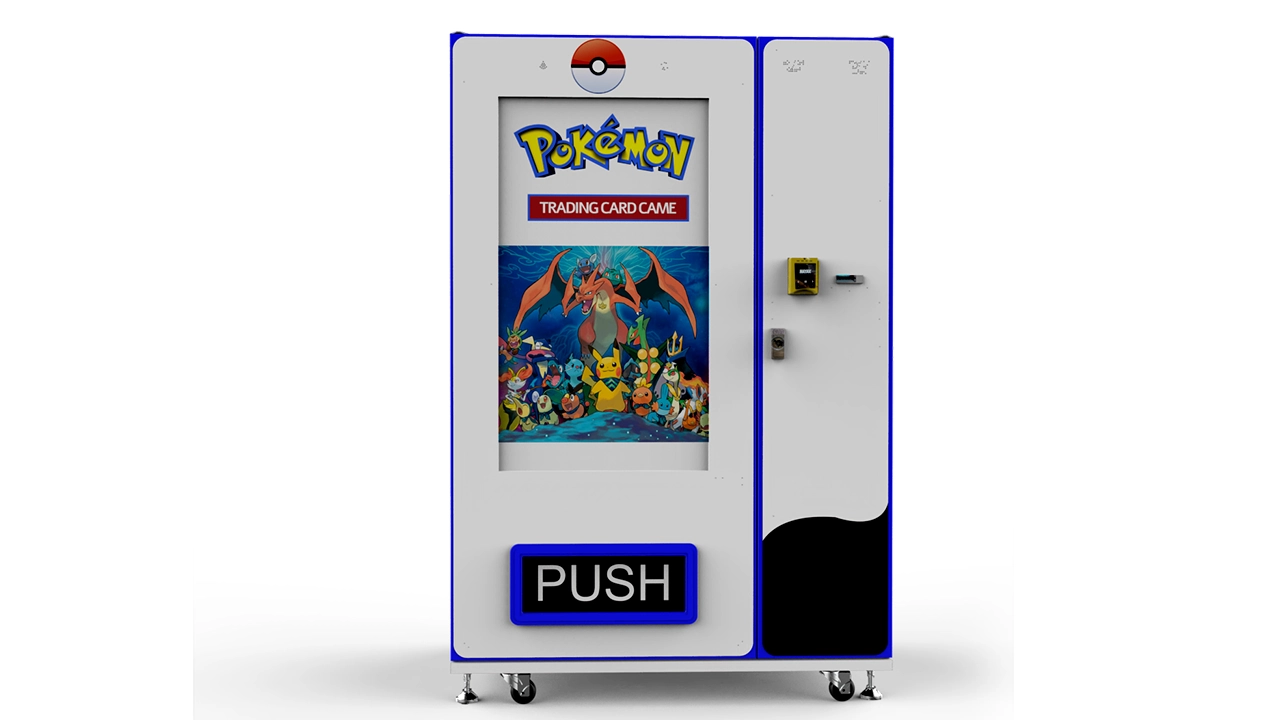
Machine Build Quality and Durability
In my experience, the cheapest machine is almost always the most expensive in the long run. I have seen operators buy low-cost units from unknown manufacturers only to spend more on vending machine repair in the first year than the machine cost. A good machine in Graz needs a robust refrigeration system, especially if you are selling perishable items like sandwiches or salads. The compressor must handle ambient temperatures that can fluctuate. Look for machines with stainless steel cabinets and high-quality locking mechanisms. Zhongda Smart, for example, builds machines with industrial-grade compressors and anti-corrosion coatings that hold up well in European climates.
Payment System Integration
You cannot run a successful self-service kiosk in Graz without a modern payment system. Cash is still used, but the trend is moving toward cashless. I recommend looking for a company that integrates with major payment processors like Worldline or Concardis. The machine should support credit cards, debit cards, and mobile wallets. If the supplier offers a telemetry system that tracks sales in real time, that is a huge advantage. It allows you to see which products are selling and when you need to restock, reducing spoilage and labor costs.
Local Service and Support
One of the biggest mistakes I see new operators make is buying a machine from a company that has no local presence in Austria. If your machine breaks down on a Friday afternoon and the nearest technician is in Germany, you will lose a weekend of sales. The best vending machine company in Graz will have a local service partner or a technician within a two-hour drive. Ask about their response time for emergency repairs. In my experience, a 24-hour turnaround is acceptable for non-critical issues, but for refrigeration failures, you need someone there within four hours.
Types of Vending Machines and Their Costs
Let us break down the common machine types you will encounter in the Austrian market. Each has a different cost structure and return profile. I have compiled this based on my own operational data and industry reports from the European Vending Association (EVA).
| Machine Type | Initial Investment (EUR) | Average Monthly Revenue (EUR) | Gross Margin | Typical Payback Period |
|---|---|---|---|---|
| Snack & Beverage Combo | 4,500 – 8,000 | 800 – 1,500 | 35% – 50% | 12 – 18 months |
| Specialty Coffee Machine | 6,000 – 12,000 | 1,200 – 2,500 | 60% – 75% | 8 – 14 months |
| Fresh Food (Refrigerated) | 7,000 – 14,000 | 1,000 – 2,000 | 40% – 55% | 14 – 24 months |
| Bulk Snack (Candy/Dispenser) | 1,500 – 3,000 | 300 – 600 | 50% – 65% | 12 – 20 months |
These numbers are estimates based on my experience in mid-sized European cities. A machine in a high-traffic location like a hospital or a university can double these revenue figures. A machine in a low-traffic office park might struggle to reach the lower end. According to a 2023 report by IBISWorld, the average vending machine in Europe generates about EUR 1,200 per month in revenue, but this varies widely by location and product category.
Location: The Single Most Important Decision
I cannot stress this enough. You can have the best vending machine company in Graz Austria supplying your equipment, but if you place it in a dead spot, you will lose money. I have seen operators buy expensive coffee machines and put them in a quiet corridor of a small office building. Six months later, they were selling the machine at a loss.
When evaluating a location, I look at three things: foot traffic, dwell time, and purchasing intent. A busy train station has high foot traffic, but people are in a hurry. A university library has moderate traffic but high dwell time. A factory break room has consistent traffic and high purchasing intent. In Graz, the best spots I have found include the LKH hospital, the main university campus, and the office towers near the Hauptbahnhof. Always negotiate a commission or a flat fee for the location owner. In Austria, a 10% to 15% commission on gross sales is standard for prime spots.
Operational Costs You Cannot Ignore
Many beginners only look at the machine price and the potential revenue. They forget about the hidden costs. Here is a realistic breakdown of monthly operating expenses for a single combo machine in Graz:
- Product Cost: 50% to 65% of revenue (depending on margin)
- Location Commission: 10% to 15% of gross sales
- Electricity: EUR 20 to EUR 50 per month (higher for refrigerated units)
- Telemetry/Connectivity: EUR 10 to EUR 30 per month
- Maintenance Reserve: EUR 30 to EUR 80 per month (set aside for repairs)
- Restocking Labor: EUR 100 to EUR 300 per month (if you pay yourself or a helper)
If your machine makes EUR 1,000 per month, your net profit might be between EUR 150 and EUR 300 after all costs. That is a healthy return if you have multiple machines, but it is not a get-rich-quick scheme. According to data from Statista, the average operating margin for vending machine operators in Europe is around 20% to 25% after all expenses.
How to Choose a Supplier for Your First Machine
When I advise new operators, I tell them to focus on three criteria: warranty length, availability of spare parts, and the supplier’s track record with European clients. A company like Zhongda Smart offers a two-year warranty on their machines and has a distribution network in Europe. That is a good sign. But do not just take my word for it. Ask the supplier for references from other Austrian operators. Call them. Ask about their experience with vending machine repair and how often they needed to replace parts.
Another critical factor is the machine’s software. You want a machine that allows you to adjust prices remotely, run promotions, and track inventory. Some older machines require you to manually change prices on the keypad, which is a waste of time. Modern solutions from reputable manufacturers include cloud-based management systems. This is where a supplier like Zhongda Smart stands out because they offer integrated telemetry as a standard feature on many models.
Common Mistakes New Operators Make
I have made most of these mistakes myself, so I can share them with confidence. The first mistake is buying a used machine without inspecting the compressor and the payment system. I bought a used snack machine once that looked clean but had a corroded coin mechanism. It cost me EUR 400 to fix it within the first month. The second mistake is ignoring the product mix. You cannot just fill a machine with generic chips and cola. In Graz, you need local brands like Manner wafers, Almdudler, and regional mineral water. The third mistake is not having a backup plan for restocking during holidays. If you go on vacation and your machine runs out of coffee, you lose customer trust. You need a reliable partner or a part-time employee to cover for you.
The Role of Payment Systems and Cashless Adoption
According to a 2022 study by the European Payments Council, over 60% of point-of-sale transactions in Austria are now cashless. This trend is accelerating in the vending sector. If your machine only takes coins, you are effectively excluding more than half of your potential customers. I recommend choosing a machine that supports the Austrian ELBA card system, which is the local debit card network. Additionally, support for Google Pay and Apple Pay is becoming a standard expectation. A machine that lacks these features will have a lower average transaction value.
In my experience, adding a card reader increases sales by 20% to 30% on average. The initial cost of integrating a cashless system is around EUR 300 to EUR 600, but it pays for itself within a few months. Some suppliers, including Zhongda Smart, offer machines with built-in card readers that are certified for the European market. This saves you the headache of retrofitting a third-party reader.
Evaluating a Machine’s ROI Before You Buy
Before you purchase any machine, do a simple calculation. Estimate the daily foot traffic at the location. Multiply that by the percentage of people who will actually buy something (the conversion rate). In a good location, the conversion rate is between 5% and 10%. Then multiply that by the average transaction value, which in Austria is around EUR 2.50 for snacks and EUR 1.50 for drinks. This gives you a rough daily revenue. Multiply by 30 for a monthly estimate. Then subtract your costs. If the net profit is less than EUR 150 per month, the machine is probably not worth the investment unless it is in a very low-cost location.
I have used this formula for years. It is not perfect, but it prevents you from making emotional decisions. I once ignored my own formula because I loved the design of a particular machine. It was a mistake. The machine sat in a beautiful lobby but had terrible sales. Trust the numbers, not the aesthetics.
When to Walk Away from a Deal
There are times when a location seems perfect but the terms are bad. For example, if a property manager asks for a 30% commission, walk away. In Graz, the standard is 10% to 15%. Anything above 20% will kill your margin unless the volume is extremely high. Also, be wary of locations that require you to sign a multi-year contract with no exit clause. If the sales are poor, you do not want to be stuck paying rent for a machine that is losing money. Always negotiate a 90-day trial period or a clause that allows you to remove the machine if monthly sales fall below a certain threshold.
Maintenance: The Silent Profit Killer
I have seen operators ignore their machines for months. Then the refrigeration fails, and they lose an entire inventory of perishable goods. Regular maintenance is not optional. You should clean the machine’s condenser coils every three months. You should check the door seals for wear. You should test the payment system weekly. A well-maintained machine can last 10 to 15 years. A neglected machine will fail in three years. In Graz, I recommend scheduling a professional vending machine repair service every six months, even if nothing seems broken. Preventive maintenance costs about EUR 100 to EUR 200 per visit, but it saves you from a EUR 500 emergency repair bill.
Legal and Regulatory Considerations in Austria
Operating a vending machine in Austria requires compliance with food safety regulations if you sell perishable items. You need to register with the local health authority (Bezirkshauptmannschaft) and follow the HACCP guidelines. This means keeping a log of temperature checks for refrigerated units. You also need to display the producer’s name and the ingredients for packaged goods. For coffee machines, you must ensure the water quality meets Austrian standards. I recommend using a water filter system to avoid mineral buildup. According to the Austrian Chamber of Commerce (Wirtschaftskammer Österreich), any automated retail operation must have a Gewerbeanmeldung (trade license). The cost is minimal, around EUR 50 to EUR 100, but it is mandatory.
Scaling Your Operation in Graz
Once you have one machine running profitably, the temptation is to buy ten more immediately. I advise against that. Instead, focus on optimizing your first location. Test different product mixes. Adjust prices based on demand. Build a relationship with your location host. When you have a system that works, replicate it. I have seen operators scale from one machine to twenty in a year by sticking to a proven formula. The best vending machine company in Graz Austria for a growing operator is one that can provide consistent pricing, fast delivery, and reliable after-sales support. This is where Zhongda Smart has a good reputation among European operators, particularly for their combo machines that offer both snacks and beverages in a single unit.
FAQ: Answers to Common Questions
Is a vending machine business profitable in Austria?
Yes, it can be profitable, but it depends on location and operational efficiency. Based on my experience and data from the European Vending Association, a well-placed machine can generate a net profit of EUR 200 to EUR 500 per month. However, you must account for product costs, commissions, and maintenance. It is a business of small margins and high volume.
How much does a vending machine cost in Graz?
A new machine costs between EUR 4,000 and EUR 14,000 depending on the type and features. A used machine can cost EUR 1,500 to EUR 4,000, but you risk higher repair costs. I always recommend buying new for your first machine, or at least a refurbished unit with a warranty.
How long does it take to recoup the investment?
Payback periods range from 8 to 24 months. A high-traffic coffee machine can pay back in under a year. A snack machine in a lower-traffic area might take 18 months. This is based on my own portfolio and industry benchmarks from IBISWorld.
Should I buy or lease a vending machine?
I generally recommend buying. Leasing often comes with high monthly fees and strict contracts. If you buy, you own the asset and can move it to a better location if needed. Leasing is only useful if you want to test the business with minimal upfront capital.
Where are the best locations in Graz?
High-traffic areas include the LKH hospital, the University of Graz campus, the office buildings near Hauptbahnhof, and the shopping centers like Shopping City Seiersberg. Always negotiate a commission and get permission in writing.
What permits do I need in Austria?
You need a trade license (Gewerbeanmeldung) from the local municipality. If you sell food, you must register with the health authority and follow HACCP guidelines. The process is straightforward but requires attention to detail.
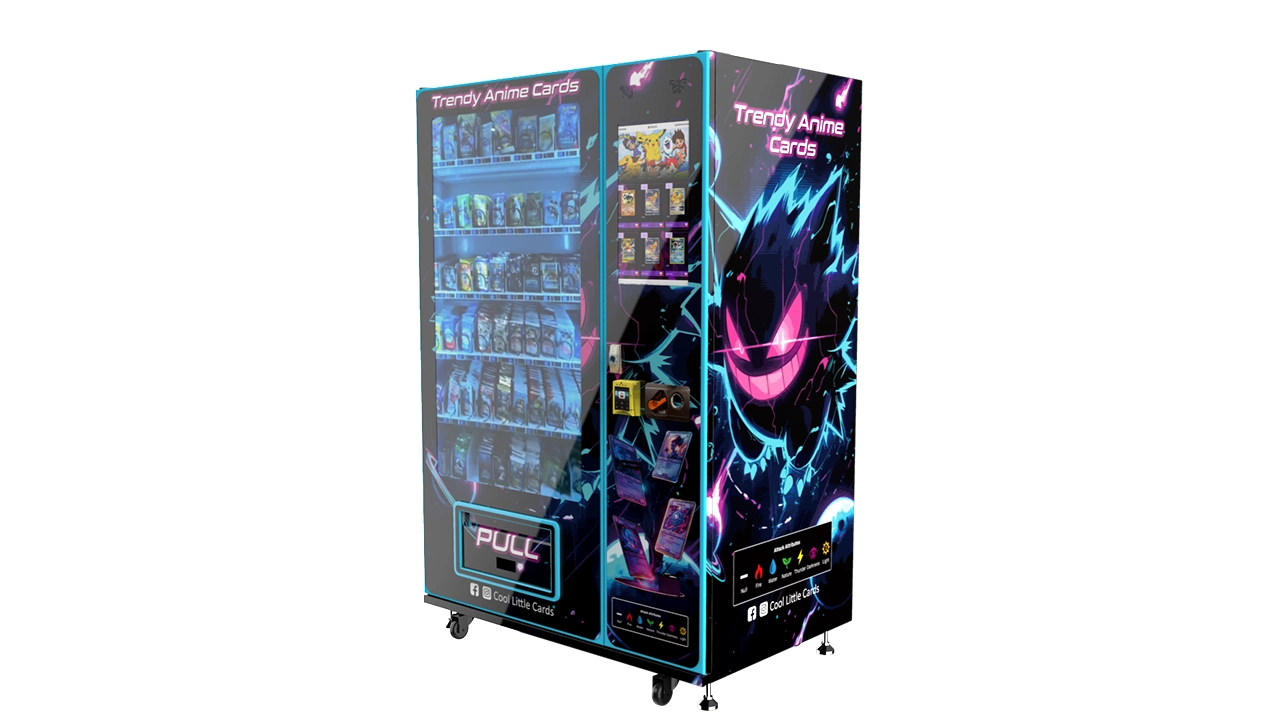
How do I choose a supplier?
Look for a supplier with a European service network, a good warranty, and positive reviews from other operators. Ask about spare parts availability and response time for repairs. Zhongda Smart is one option that meets these criteria for many European operators.
What happens if the machine breaks down?
You need a backup plan. Have a list of local technicians who can handle vending machine repair. Many suppliers offer a hotline for technical support. I recommend keeping a spare parts kit with common items like a door switch, a coin sensor, and a power supply.
How can I reduce restocking costs?
Use telemetry to track inventory levels. Restock only when needed, not on a fixed schedule. Group your machines in the same geographic area to minimize travel time. I have reduced my restocking costs by 30% by using route optimization software.
Can I run this business part-time?
Yes, many operators start part-time. With telemetry, you can monitor sales from your phone. Restocking takes about two hours per machine per week. However, if you have more than five machines, it becomes a full-time commitment.
Final Thoughts on Starting in Graz
Starting a vending machine business in Graz is a solid move if you are willing to put in the work upfront. The market is mature but not saturated. There is room for new operators who offer high-quality products and reliable service. The best vending machine company in Graz Austria for you will be the one that aligns with your budget, your location needs, and your long-term goals. Do not rush the decision. Visit a few local operators. Look at their machines. Ask about their experiences. And remember, the machine is just a tool. Your success will come from choosing the right location, managing your costs, and building trust with your customers. Good luck.