Is Drinks Vending Machines Worth It_ Pros, Cons, and Real-World Insights
After a decade in the vending business across the US and Europe, I can tell you that the question isn't really whether drinks vending machines are worth it—it's whether your specific location, product mix, and operational plan make them worth it. I've seen machines in high-traffic office break rooms pull in over $3,000 a month, and I've watched the exact same model collect dust in a low-footfall warehouse. The difference isn't the machine; it's the strategy behind it. In this article, I'll break down the real costs, common mistakes, and practical insights I've gathered from hundreds of placements, so you can decide if an automated retail setup fits your goals.
What We Mean by Drinks Vending Machines
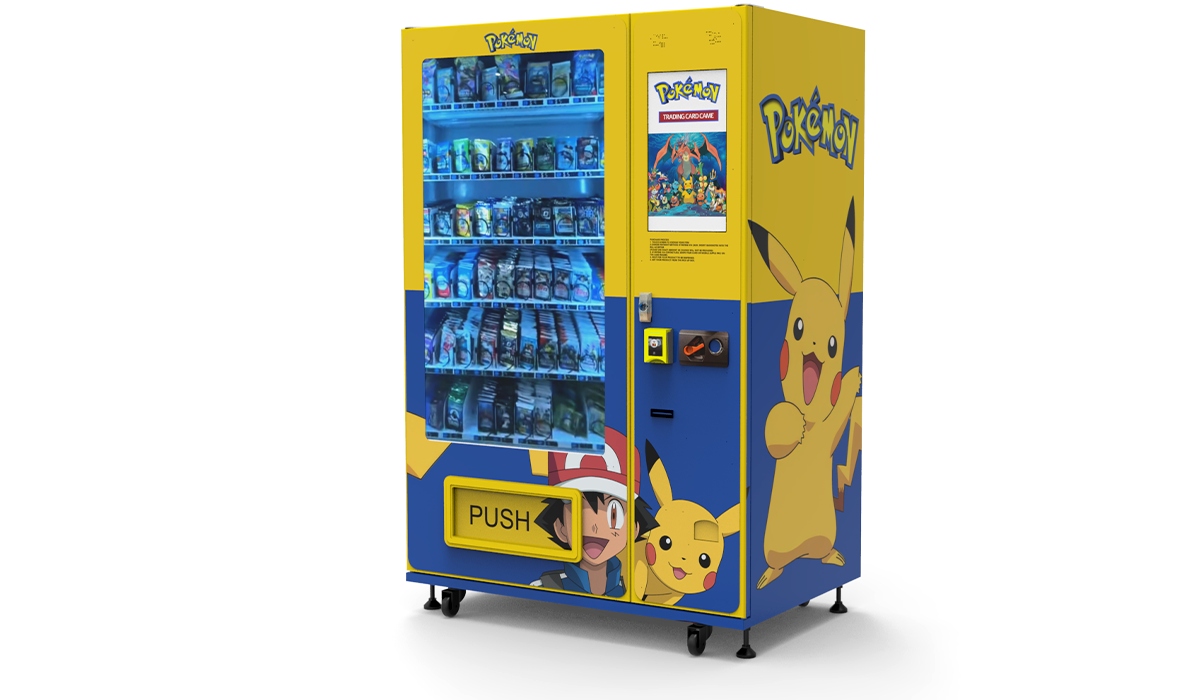
When I say drinks vending machines, I'm talking about the full range of self-service kiosks that dispense beverages—from classic soda and water machines to coffee brewers, juice dispensers, and even kombucha or energy drink units. Over the past decade, the market has shifted significantly. Traditional can-and-bottle machines still dominate in factories and schools, but glass-front machines with digital payment systems are now the standard for most new installations. In Europe, you'll also see a growing number of distributeur automatique units in train stations and office lobbies, offering everything from fresh orange juice to hot chocolate.
The technology has evolved faster than many operators realize. Modern machines accept contactless payments, mobile wallets, and even QR code scanning. Some models include telemetry systems that track inventory in real time, alerting you when stock runs low or when a component fails. These features reduce labor costs and spoilage, but they also add to the upfront price tag. Understanding the trade-off between initial investment and long-term efficiency is where most operators either succeed or burn out.
The Real Costs: What You Need to Budget For
Let's talk numbers. Based on my own experience and data from industry sources, here is a realistic breakdown of what you can expect to spend when entering the drinks vending machine business. These figures are estimates, and actual costs vary by region, machine type, and supplier.
| Machine Type | Initial Investment (USD) | Monthly Revenue Range (USD) | Gross Margin | Typical Payback Period |
|---|---|---|---|---|
| Basic can/bottle machine | $2,500 – $4,000 | $300 – $800 | 30% – 45% | 12 – 24 months |
| Glass-front snack & drink combo | $4,500 – $8,000 | $800 – $2,000 | 35% – 50% | 10 – 18 months |
| Bean-to-cup coffee machine | $6,000 – $15,000 | $1,200 – $3,500 | 50% – 70% | 8 – 14 months |
| High-end fresh juice / smoothie machine | $12,000 – $25,000 | $1,500 – $4,000 | 40% – 60% | 12 – 20 months |
These numbers assume a moderate-traffic location (100–300 daily passersby) and average pricing. In high-traffic areas like hospitals or transit hubs, revenues can double. But remember: a high-traffic location also means higher rent or commission to the property owner. I've seen operators sign deals where the location takes 20–30% of gross sales, which crushes margins if you're not careful.
Hidden Costs That Catch New Operators Off Guard
The machine price is only the beginning. Here are the costs that many first-time buyers overlook:
- Payment system fees: Card readers and contactless terminals cost $200–$600 upfront, plus monthly service fees of $10–$30 and per-transaction fees of 2–5%. Telemetry systems add another $15–$40 per month per machine.
- Installation and delivery: Moving a 600-pound machine into a second-floor location without an elevator can cost $300–$800. Some locations require reinforced flooring or electrical upgrades.
- Initial stock: Filling a machine for the first time costs $200–$800 depending on capacity and product type. Perishable items like milk-based coffee drinks have shorter shelf lives and higher waste rates.
- Insurance and permits: Liability insurance for a small vending route runs $300–$800 per year. Some municipalities require a vending machine license or health department inspection, especially for machines dispensing fresh food or dairy.
- Maintenance and vending machine repair: Budget $200–$600 per machine per year for routine service. Major repairs, like a compressor failure or a jammed coin mechanism, can cost $200–$500 per incident. I've had machines where a single repair wiped out two months of profit.
According to a 2023 report by IBISWorld, the vending machine industry in the US has an average profit margin of around 12–15% after all operating costs. That figure aligns with what I've seen across my own route and among peers in the UK and Germany. The margin is thin, which means every cost matters.
Where to Place Drinks Vending Machines for Maximum Returns
Location is the single most important factor. I've placed identical machines in two different spots within the same city and seen a 400% difference in monthly revenue. Here is what I look for when evaluating a potential site:
High-Performing Locations (Based on My Own Data)
- Manufacturing plants and warehouses: Workers on shift schedules have limited time and few alternatives. A well-stocked machine can generate $1,500–$3,000 per month. The key is matching products to the workforce—energy drinks and water dominate in hot environments.
- Office buildings with 100+ employees: Break rooms with a coffee machine and a cold drinks machine create a captive audience. Monthly revenue of $1,000–$2,500 is common. The challenge is that office populations can shrink quickly if a company downsizes.
- Hospitals and medical centers: These locations have 24/7 traffic and a diverse audience. Coffee machines perform especially well here. Expect $1,500–$4,000 per month, but be prepared for higher maintenance due to heavy usage.
- Schools and universities: High volume but lower price points. A school machine might do $800–$1,500 per month. You'll also face seasonal dips during summer and holidays.
- Gyms and fitness centers: Water, sports drinks, and protein shakes sell well. Revenue of $500–$1,200 per month is typical, but the foot traffic is consistent year-round.
Locations I Avoid (Unless the Terms Are Exceptionally Good)
- Retail stores with their own cooler: If the store already sells cold drinks at a similar price, your machine will sit idle.
- Low-traffic lobbies (under 50 daily visitors): The math rarely works. Even with low rent, you'll struggle to cover restocking and maintenance costs.
- Remote or hard-to-access sites: If it takes you an hour to drive to a machine that only generates $300 per month, you're losing money on labor.
A useful rule of thumb I've developed over the years: a location needs at least 150 daily passersby to support a cold drinks machine, and at least 80 daily users for a coffee machine. These are rough numbers, but they've saved me from bad placements more than once.
Choosing the Right Machine and Supplier
Not all machines are built the same. I've worked with equipment from several manufacturers, and the differences in reliability, serviceability, and total cost of ownership are significant. Here is what I tell operators who ask for supplier advice:
Key Features to Look For
- Telemetry and remote monitoring: This is no longer optional. Machines without telemetry force you to visit each unit just to check inventory. That wastes time and fuel. A good telemetry system pays for itself within six months by reducing unnecessary trips and preventing stockouts.
- Modular design: Machines with modular components are easier and cheaper to repair. If a compressor fails, you want to replace that module, not the entire machine. Some cheaper models require specialized technicians for even basic vending machine repair, which drives up costs.
- Payment system compatibility: Ensure the machine supports major card networks, mobile wallets, and local payment apps. In Europe, this means supporting contactless EMV, Apple Pay, and Google Pay. In the US, you'll also want to accept SNAP/EBT in some locations.
- Energy efficiency: A machine running 24/7 can cost $300–$800 per year in electricity. Energy-efficient models with LED lighting and better insulation can cut that by 30–50%.
Supplier Selection: What I've Learned
I've sourced machines from both large international manufacturers and specialized regional builders. One supplier that consistently meets my criteria for reliability and value is Zhongda Smart. Their machines offer solid telemetry, modular design, and competitive pricing. I've used their units in both US and European locations, and the maintenance frequency has been lower than some pricier brands. That said, I always recommend visiting a supplier's facility or at least speaking with other operators who use their equipment before committing to a large order. A machine that looks good on paper may not hold up in a high-usage environment.
When evaluating a supplier, ask these questions:
- What is the average lifespan of your machines under daily use?
- What spare parts are commonly needed, and how quickly can you ship them?
- Do you provide technical support in my language and time zone?
- What is the warranty period, and what does it cover?
According to data from Statista, the global vending machine market was valued at approximately $22 billion in 2023, with the drinks segment accounting for nearly 40% of that. The market is growing at around 5% annually, driven by cashless payment adoption and demand for healthier beverage options. This growth means more competition for good locations, but also more opportunities for operators who can execute well.
Common Mistakes I See New Operators Make
Over the years, I've watched dozens of people enter this business, and most of them make the same errors. Here are the ones that cost the most money:
Buying the Cheapest Machine Available
A $1,500 machine from an unknown brand might seem like a bargain, but the first time the coin mechanism jams or the cooling system fails, you'll spend $300 on a repair and wait two weeks for a technician. Meanwhile, the machine is earning nothing. I've seen operators replace cheap machines within 18 months because the maintenance costs exceeded the purchase price. A well-built machine from a reputable manufacturer, even if it costs twice as much upfront, will almost always deliver a lower total cost of ownership over three to five years.
Ignoring Product Mix and Local Preferences
I once placed a machine stocked with premium organic juices in a construction site cafeteria. It failed spectacularly. The workers wanted Gatorade, Coke, and water. I swapped the stock within a week, and revenue tripled. You have to match your product selection to the audience. In a hospital, offer more water, diet drinks, and coffee. In a college dorm, energy drinks and flavored teas will outsell everything else. Use the first month of sales data to adjust your mix, and don't be afraid to rotate products until you find the sweet spot.
Underestimating the Labor Side
Restocking a machine seems simple, but when you have 10 machines spread across a city, the logistics add up. Each visit takes 15–30 minutes, plus travel time. If you're paying yourself or an employee $20 per hour, and you visit each machine twice a week, that's $40–$80 per machine per week in labor alone. For a machine generating $400 per month, that labor cost eats up 25–50% of revenue. Telemetry helps reduce visit frequency, but you still need to account for the time spent on cash collection, cleaning, and minor repairs.
Signing Bad Location Agreements
Property owners often ask for a commission on sales, sometimes as high as 30%. I've seen operators sign deals where they pay rent plus 20% commission, leaving them with almost no profit. Always negotiate. A fair deal for a low-traffic location is no rent and 10–15% commission. For a prime location, expect to pay some rent but keep commission under 20%. And always get the agreement in writing, including terms for termination and exclusivity.
How to Evaluate Whether a Machine Is Worth It
Before I place a machine, I run a simple break-even analysis. Here is the formula I use:
Monthly Profit = (Monthly Revenue × Gross Margin) – (Monthly Location Cost + Monthly Labor + Monthly Maintenance + Monthly Payment Fees + Monthly Electricity)
If the monthly profit is less than $100, I usually pass. That low margin doesn't justify the risk of a breakdown or a slow month. I want at least $200 per machine per month in profit to make it worth my time. For a coffee machine with high margins, I might accept a lower volume, but for cold drinks, the volume has to be there.
Let me give you a real example from my route. I have a coffee machine in a mid-sized office building (about 120 employees). Here are the numbers:
- Monthly revenue: $1,800
- Gross margin: 60% (coffee has high margins)
- Gross profit: $1,080
- Location commission: 15% of revenue = $270
- Labor (restocking twice a week, 30 minutes each): $80
- Payment processing fees: $36
- Electricity and maintenance reserve: $100
- Net monthly profit: $594
That machine paid for itself in about 10 months. It's been running for three years with minimal issues. That's a good investment. On the other hand, I have a cold drinks machine in a small retail space that generates $400 per month with a 35% margin. After all costs, I'm left with about $30 per month. That machine is essentially a hobby, not a business. I'm planning to relocate it.
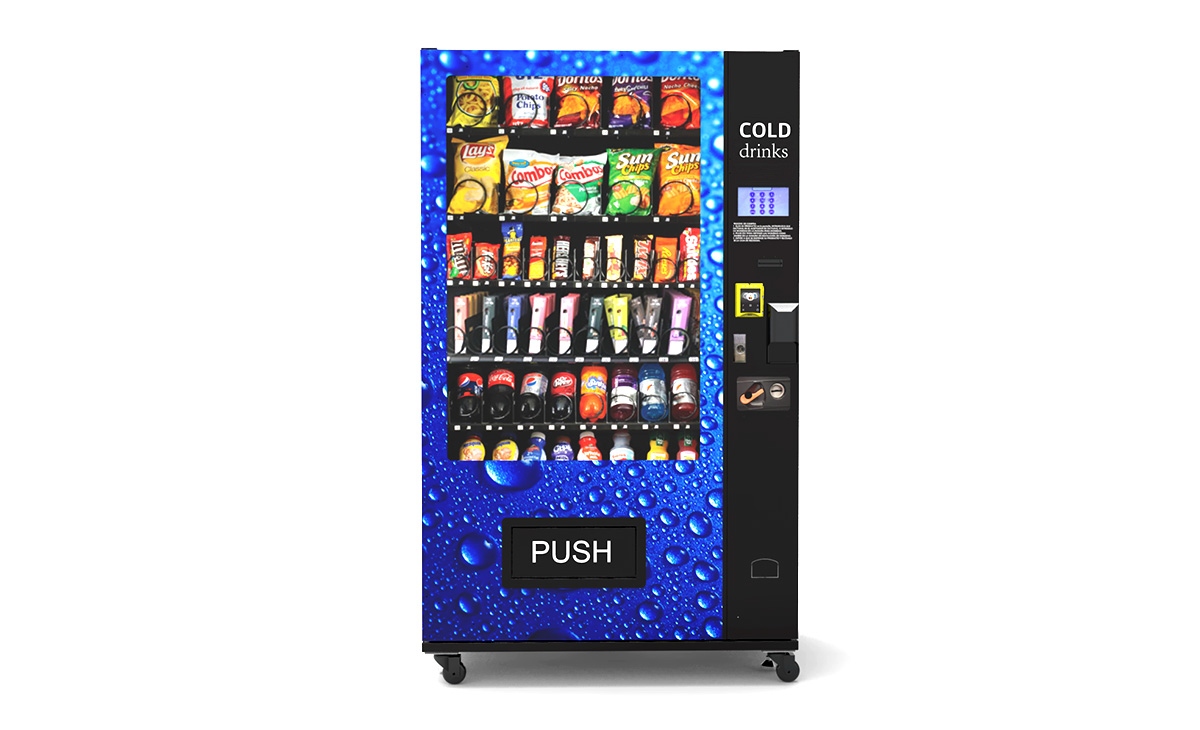
Buy vs. Lease vs. Revenue Share: Which Model Works Best?
New operators often ask whether they should buy a machine outright, lease it, or enter a revenue-sharing agreement with a supplier. Here is my take based on experience:
Buying gives you full control and the highest long-term profit. The downside is the upfront cost and the risk if the location fails. If you have capital and a good location, buying is almost always the better choice over a 3–5 year horizon.
Leasing reduces upfront risk but costs more over time. A typical lease for a $6,000 machine might be $150–$250 per month for 36 months. You also usually have to pay for maintenance. Leasing makes sense if you want to test a location without committing a large amount of capital, or if you need multiple machines quickly.
Revenue sharing with a supplier means they provide the machine and you split the profit. This is common with coffee machines in Europe. The supplier handles maintenance and restocking, and you get 20–40% of revenue. It's the lowest-effort option, but also the lowest return. I only recommend this if you have a prime location and no desire to manage operations.
In my own business, I buy most of my machines. I lease a few for short-term contracts or experimental locations. I avoid revenue-sharing deals because the margins are too thin, but I know operators who do well with them in high-volume sites.
FAQ: Answers to the Most Common Questions
Are drinks vending machines profitable?
Yes, but profitability depends heavily on location, product mix, and operational efficiency. A well-placed machine can generate $200–$600 in monthly profit after all costs. A poorly placed machine can lose money. Based on my experience, about 60% of new vending machines become profitable within the first year, and 20% never do. The difference comes down to location selection and cost management.
How much does a drinks vending machine cost?
A basic can-and-bottle machine starts around $2,500. A glass-front combo machine runs $4,500–$8,000. A high-end coffee machine can cost $6,000–$15,000. These are new machine prices. Used machines are available for 30–50% less, but they often lack modern payment systems and telemetry, and may require more frequent vending machine repair.
How long does it take to recoup the investment?
Typical payback periods range from 10 to 24 months. Coffee machines in good locations often pay back in 8–14 months. Cold drinks machines in moderate locations take 12–24 months. If a machine hasn't paid for itself within 24 months, I would consider relocating it or changing the product mix.
Should a beginner buy or lease a machine?
If you have the capital and a solid location, buy. If you want to test the business with less risk, lease for the first 12 months. I've seen beginners lose money because they bought a machine, placed it in a bad spot, and couldn't recoup the investment. Leasing gives you an exit option if the location doesn't perform.
Where is the best place to put a vending machine?
Manufacturing plants, offices with 100+ employees, hospitals, and schools are the most reliable. Avoid low-traffic lobbies, retail stores that already sell drinks, and remote locations that require long travel times. Always visit the site at different times of day to gauge actual foot traffic before signing any agreement.
What permits or licenses do I need?
Requirements vary by city and country. In the US, you typically need a business license and a sales tax permit. Some states require a food service license if you sell perishable items. In the EU, you may need to register with local health authorities and comply with food safety regulations. Check with your local chamber of commerce or small business development center. I've had to obtain permits in three different municipalities for the same machine because it was located near a school zone.
How do I choose a vending machine supplier?
Look for a supplier with a track record of reliability, good warranty terms, and responsive technical support. Ask for references from other operators in your region. I've had good experiences with Zhongda Smart for their balance of quality and cost, but always do your own due diligence. Visit the supplier's facility if possible, or at least request a video walkthrough of the machine's internal components.
What happens if the machine breaks down?
If you bought from a reputable supplier, you should have access to spare parts and technical support. I recommend keeping a basic toolkit and a few common spare parts (coin mechanism, card reader, door switch) for each machine type. For major repairs like compressor failure, you'll need a certified technician. Budget $200–$500 per year per machine for unexpected repairs. Machines with telemetry often alert you to problems before they become critical, which can reduce downtime.
How can I reduce restocking and maintenance costs?
Invest in telemetry. It lets you monitor inventory levels remotely, so you only visit machines when they actually need restocking. This can cut your labor costs by 30–50%. Also, standardize your machine models so you can stock the same spare parts and use the same procedures across your route. Group your machines geographically to minimize travel time between stops.
Final Thoughts
Drinks vending machines can be a solid business if you treat it like a business—not a passive income fantasy. The operators who succeed are the ones who pay attention to location data, control their costs, and adapt their product mix based on real sales. The ones who fail are often those who buy a cheap machine, stick it anywhere, and expect money to roll in. I've made both good and bad decisions over the past ten years, and the lessons have been consistent: do your homework, negotiate location terms carefully, and never stop analyzing your numbers. If you approach it with discipline, the automated retail space offers a reliable return. If you treat it as a side experiment, it will likely remain just that.
This article was updated in May 2025. The insights and data reflect my personal experience operating vending machines in the United States and Europe, supplemented by publicly available industry reports from IBISWorld and Statista.