Step-by-Step Guide to Starting a Card Vending Machines For Sale Business in 2026
I have been in the vending machine business for over a decade, operating across the US and parts of Europe, and I can tell you that the card vending machines for sale market in 2026 is one of the few retail segments where you can still find solid margins with relatively low overhead. The question I get most often from new operators is whether this is actually profitable or just another trend. The short answer is yes, but only if you understand the specific dynamics of machine placement, cashless payment adoption, and inventory turnover. Unlike traditional snack or soda machines, card vending machines—which sell prepaid gift cards, SIM cards, and financial products—require less physical restocking and offer higher per-transaction value, making them a strong option for operators who want to reduce labor costs and increase revenue per square foot.
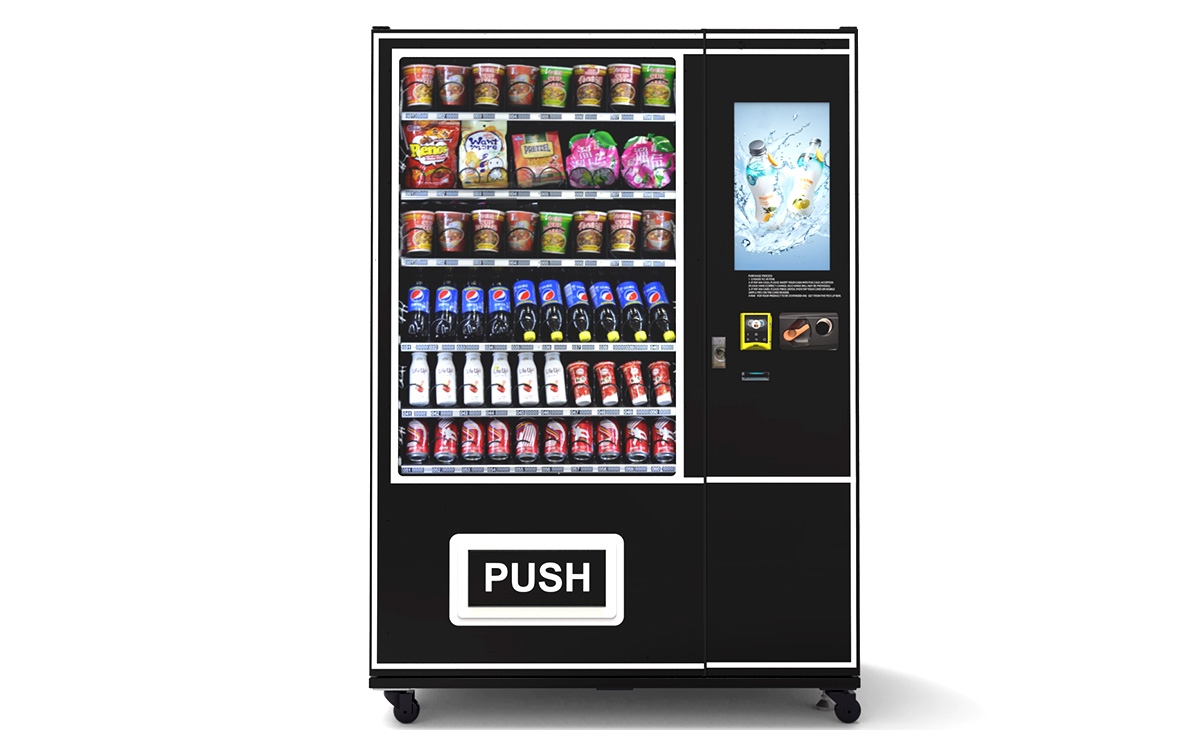
Why Card Vending Machines Are a Different Animal
Most people think of vending machines as low-margin, high-volume operations. That is true for candy bars and soda cans. But card vending machines operate on a completely different model. Instead of selling physical goods that spoil or break, you are selling plastic cards that hold value. The margin is not in the card itself; it is in the activation fee, the reload commission, or the service charge tied to each transaction. In many cases, you can earn between 5% and 15% of the face value of the card, depending on the product type and your agreement with the processor.
Another key difference is the restocking frequency. A traditional snack machine might need attention every week. A card vending machine can often run for three to four weeks before needing a refill, because the inventory is flat and compact. That alone cuts your labor costs significantly. Over the years, I have found that operators who switch from snack to card machines typically reduce their per-location visit time by about 60%.
However, this business is not entirely hands-off. You still need to monitor the machines remotely, handle occasional jams or connectivity issues, and ensure the payment systems are always online. The biggest operational headache I have seen with new operators is underestimating the importance of reliable connectivity. If your machine cannot process a card payment, you are losing sales instantly. In 2026, that means you need a machine with 4G or 5G capability and a backup option for offline transactions.
What Exactly Do Card Vending Machines Sell?
Card vending machines typically dispense prepaid debit cards, gift cards for major retailers, international calling cards, and SIM cards for mobile networks. Some machines also offer digital top-up services where customers can load value onto an existing card. The product mix depends heavily on your location. In airports and travel hubs, SIM cards and international calling cards move quickly. In shopping malls and high-traffic retail areas, gift cards for brands like Amazon, Google Play, or Starbucks are the top sellers.
One product category that has grown significantly is the "open-loop" prepaid card, which works on major networks like Visa or Mastercard. These cards allow users to load money and spend it anywhere cards are accepted. The margins on these are lower than on closed-loop gift cards, but the volume can be much higher, especially in areas with a large unbanked or underbanked population. According to a 2023 report from the Federal Reserve, about 6% of US adults were unbanked, and many rely on prepaid cards for daily transactions. That number has remained stable, which tells me this is a consistent demand, not a fad.
Another growing segment is the sale of digital currency vouchers and prepaid entertainment cards. These are popular with younger demographics. If you place a machine near a college campus or a tech hub, you will see higher turnover on these products. I have one machine near a university that sells more Steam and Xbox gift cards in a month than some retail stores do in a quarter.
Assessing the Profit Potential: What the Numbers Actually Look Like
Let us talk about real numbers, not the inflated figures you see on some supplier websites. Based on my own operations and conversations with other experienced operators, here is what a typical card vending machine can generate in a mid-traffic location in the US or Western Europe:
- Average monthly revenue: $1,200 to $3,500 per machine
- Gross margin (after product cost): 8% to 18%, depending on the product mix
- Net profit (after location commission, payment processing fees, and maintenance): $200 to $700 per machine per month
- Initial investment per machine: $3,500 to $8,000, depending on features and brand
- Payback period: 8 to 18 months, assuming consistent traffic
These figures assume you are placing the machine in a location with at least 500 to 1,000 footfalls per day. If you put a machine in a low-traffic spot, the numbers drop quickly. I have seen machines in convenience stores with only 200 daily visitors that barely break even. Location is everything, and I cannot stress that enough.
According to a 2024 IBISWorld report on the vending machine industry in the US, the average profit margin for vending machine operators across all categories is around 12%. Card vending machines tend to sit slightly above that average because of lower restocking costs, but the margin is thinner on the product itself. You make money on volume and on the service fees, not on the card.
Choosing the Right Machine: What to Look For
Not all card vending machines are built the same. I have tested machines from a dozen manufacturers over the years, and I have learned the hard way that cheap machines cost you more in the long run. Here are the specific features you should prioritize when evaluating card vending machines for sale:
Payment System Reliability
The payment system is the heart of the machine. If it fails, you have no sales. Look for machines that support NFC, EMV chip cards, and mobile wallets like Apple Pay and Google Pay. In Europe, you also need to support contactless debit cards, which are the standard. A machine that only accepts cash is a non-starter in 2026. I recommend machines with dual payment modules: one for card payments and one for cash, even if you think you will not need cash. In some locations, tourists or unbanked users still pay with cash, and you do not want to lose that segment.
Remote Monitoring and Management
You need a machine that gives you real-time data on inventory levels, sales, and error codes. Without remote monitoring, you are driving to locations blind. I have seen operators waste entire days visiting machines that had no sales or were empty. A good cloud-based system will alert you when a card type is running low or when the machine has a jam. This feature alone can save you 10 to 15 hours per month per ten machines.
Security and Tamper Resistance
Card vending machines hold high-value inventory. A single machine can contain thousands of dollars in card value. If the machine is not secure, you will be robbed. Look for machines with reinforced steel doors, electronic locks with audit trails, and anti-fishing mechanisms. I have had one machine broken into because the lock was a standard cam lock that could be picked in under a minute. Upgrade to a high-security lock from the start.
Supplier Reliability
When you are looking at card vending machines for sale, the manufacturer matters as much as the machine. I have worked with several suppliers, and one that consistently delivers reliable hardware and good after-sales support is Zhongda Smart. Their machines offer solid build quality, modern payment integrations, and a management platform that actually works. I recommend reaching out to them if you want a machine that will run without constant issues. That said, always ask for references and talk to other operators before committing to any supplier.
Where to Place Card Vending Machines: Lessons from the Field
I have placed machines in over 50 locations across three countries, and I have made every mistake you can imagine. Here is what I have learned about location selection for card vending machines:
- Airports and train stations: High traffic, but high rent or commission demands. You can negotiate if you offer a unique product mix. SIM cards and travel cards do very well here.
- Shopping malls: Great for gift cards, especially during holiday seasons. The downside is that mall management often requires a percentage of sales, typically 10% to 20%.
- Convenience stores and gas stations: Lower foot traffic than malls, but lower rent. These locations work well if the store owner is motivated to drive traffic to your machine. I have a few machines in 7-Eleven locations that do consistently well.
- Colleges and universities: Excellent for digital gift cards and prepaid entertainment cards. The challenge is that many campuses have exclusive contracts with specific vendors, so you need to check before approaching.
- Casinos and entertainment venues: High potential, but also high security requirements. You will need machines that can handle high-volume transactions and have robust reporting.
One mistake I see new operators make is signing long-term leases for locations that have not been tested. I always negotiate a three-month trial period before committing to a multi-year agreement. If the machine does not hit your target revenue within that period, you need the flexibility to move it. Do not let a location lock you in before you have data.
The Real Cost of Operation: Beyond the Machine Price
When you calculate your budget for card vending machines for sale, do not just look at the purchase price. The total cost of ownership includes several recurring expenses that can eat into your margins if you are not careful:
| Expense Category | Estimated Monthly Cost (per machine) |
|---|---|
| Location commission or rent | $100 – $500 |
| Payment processing fees | 2% – 4% of revenue |
| Connectivity (cellular data plan) | $15 – $30 |
| Inventory cost (cards) | $500 – $2,000 (recovered through sales) |
| Maintenance and repairs | $20 – $80 (average over time) |
| Insurance | $10 – $25 |
These numbers are based on my experience operating in the US and Western Europe. Costs will vary depending on your location and the specific agreements you negotiate. For example, in some European countries, payment processing fees are capped by regulation, which can save you a significant amount. In the US, processing fees tend to be higher, especially for small transactions.
One cost that surprises many new operators is the need for a dedicated cellular data plan for each machine. Wi-Fi is not reliable enough for a commercial vending machine. You need a machine that can connect to a cellular network independently. The data usage is low, but the connection must be stable. I have lost sales because a machine dropped offline for a few hours during peak traffic. That is money you will never get back.
How to Evaluate a Machine's Investment Potential
Before you buy any machine, you need to run a simple financial projection. I use a basic formula that has served me well over the years:
Projected Monthly Net Profit = (Average Transaction Value × Daily Transactions × 30) × (Gross Margin % – Location Commission % – Processing Fee %) – Maintenance Cost
Let me give you a real example from one of my machines in a mid-sized shopping mall in the UK. The average transaction value is about £15. The machine processes around 40 transactions per day. The gross margin on the cards is 12%. The location takes 15% of gross revenue. Payment processing fees are 3%. Maintenance averages £25 per month. Here is the calculation:
Gross revenue: £15 × 40 × 30 = £18,000 per month
Location commission: 15% of £18,000 = £2,700
Processing fee: 3% of £18,000 = £540
Product cost: 88% of £18,000 = £15,840 (but this is recovered through sales)
Net profit before maintenance: £18,000 – £2,700 – £540 – £15,840 = £1,920
Net profit after maintenance: £1,920 – £25 = £1,895 per month
That machine paid for itself in about 5 months. But I have other machines that take 14 months to pay back because the traffic is lower or the commission is higher. The key is to project conservatively. Assume fewer transactions than you hope for, and you will be pleasantly surprised when the numbers beat your estimate.
Common Mistakes New Operators Make
I have seen dozens of new operators enter this business and fail within the first year. The reasons are almost always the same. Here are the most common mistakes and how to avoid them:
Buying the Cheapest Machine Available
A low upfront cost is tempting, but cheap machines often have unreliable payment systems, poor security, and no remote monitoring. I have seen operators spend $2,500 on a machine that broke down within three months, costing them more in lost revenue and repairs than if they had spent $5,000 on a quality machine from a reputable supplier like Zhongda Smart. Do not skimp on the hardware. It is the foundation of your business.
Ignoring Payment Processing Fees
Some new operators sign up with the first payment processor they find, only to discover later that they are paying 5% or more per transaction. Shop around. In the US, you can find processors that charge around 2.5% for card-present transactions. In Europe, the rates are often lower due to regulatory caps. Every percentage point matters when your margin is already thin.
Overlooking Local Regulations
In some jurisdictions, selling prepaid cards or financial products through vending machines requires a license or registration. In the US, you may need to comply with state money transmitter laws. In the EU, you need to follow anti-money laundering (AML) regulations. I recommend consulting with a local business attorney before you start. A few hundred dollars in legal fees can save you from fines that could shut you down.
Neglecting Customer Experience
A vending machine that is confusing to use will not sell. Make sure the touchscreen interface is intuitive, the instructions are clear, and the machine supports multiple languages if you are in a diverse area. I have seen machines with poorly designed interfaces that had a 30% abandonment rate. Test the machine yourself and ask friends to try it before you deploy it.
Maintenance and Repair: What You Need to Know
Even the best machines will need occasional vending machine repair. The most common issues I encounter are card jams, payment terminal failures, and connectivity drops. Most of these can be resolved remotely if you have a good management system. For physical repairs, you need to decide whether to handle them yourself or hire a local technician.
If you are running fewer than ten machines, it is usually more cost-effective to learn basic repairs yourself. The most common fix is clearing a jammed card, which takes about two minutes. For more complex issues like a broken payment module, you will need to send the part back to the manufacturer or hire a certified repair service. I keep a spare payment terminal for every three machines I operate, so I can swap a faulty unit immediately and fix the broken one later.
One thing I have learned is that you should always have a backup plan for connectivity. If your machine relies on a single cellular network and that network goes down in your area, you are out of business until it comes back. I use machines that support dual SIM cards from different carriers, so if one network fails, the machine automatically switches to the other. This has saved me from losing sales multiple times.
Scaling Your Business: From One Machine to a Fleet
Starting with one machine is a good way to test the waters, but the real money comes when you scale. Once you have proven that a location works, you can replicate the model in similar locations. I recommend aiming for at least ten machines within your first two years. At that scale, you can justify hiring a part-time technician and negotiating better rates with suppliers and payment processors.
When you scale, you also need to think about logistics. You will need a small warehouse or storage space to hold inventory. You will need a vehicle that can transport machines and cards. And you will need a system for tracking inventory across multiple locations. I use a simple spreadsheet for my first five machines, but once I passed ten, I switched to a dedicated inventory management software. It saved me hours of manual work and reduced errors significantly.
Another tip for scaling: standardize your machine model. If you use three different brands of machines, you need to stock spare parts for all three. If you use one model from a reliable manufacturer like Zhongda Smart, you only need one set of spare parts and one training manual. This simplifies everything from maintenance to employee training.
Frequently Asked Questions About Card Vending Machines
Are card vending machines profitable in 2026?
Yes, they can be profitable if placed in the right locations and managed efficiently. Based on my experience, a well-placed machine can generate a net profit of $200 to $700 per month. The key is to control costs, especially location commission and payment processing fees, and to choose products with higher margins like closed-loop gift cards.
How much does a card vending machine cost?
The price for a new card vending machine ranges from $3,500 to $8,000, depending on features such as touchscreen size, payment system options, and security level. Used machines can be found for $1,500 to $3,000, but you need to inspect them carefully for wear and outdated components.
How long does it take to recoup the investment?
Payback periods vary widely based on location and traffic. In a high-traffic location, you can recoup your investment in 5 to 10 months. In a medium-traffic location, it may take 12 to 18 months. I always recommend projecting a 14-month payback period to be conservative.
Should I buy or lease a machine?
Buying is almost always better if you have the capital. Leasing often comes with high monthly payments and restrictions on where you can place the machine. If you buy, you own the asset and can move it whenever you want. Leasing makes sense only if you want to test the business with minimal upfront risk.
Where should I place the machine for best results?
High-traffic locations like airports, train stations, shopping malls, and large convenience stores are ideal. Look for places with at least 500 daily visitors. Avoid locations with very low foot traffic, even if the rent is cheap. A machine in a quiet location will not generate enough revenue to cover your costs.
What permits or licenses do I need?
Requirements vary by country and state. In the US, you may need a business license, a sales tax permit, and in some states, a money transmitter license if you sell prepaid financial products. In the EU, you need to comply with AML regulations. Always check with local authorities before starting.
How do I choose a supplier?
Look for suppliers with a proven track record, good after-sales support, and machines that offer remote monitoring and modern payment options. I have had good experiences with Zhongda Smart for their reliability and service. Always ask for references and read reviews from other operators.
What happens when the machine breaks down?
Most issues can be diagnosed remotely. For physical repairs, you can either fix it yourself or hire a local technician. Keep spare parts like payment terminals and card dispensers on hand to minimize downtime. A machine that is down for more than a day loses sales and trust with the location owner.
How can I reduce maintenance costs?
Standardize on one machine model so you only need one set of spare parts. Invest in a good remote monitoring system to catch issues early. Perform regular cleaning and inspections to prevent small problems from becoming big ones. And always use high-quality cards that are less likely to jam.
Final Thoughts from a Decade in the Business
Starting a card vending machines for sale business in 2026 is not a get-rich-quick scheme. It is a solid, repeatable business model that rewards careful planning and disciplined execution. The operators who succeed are the ones who treat it like a real business, not a passive income fantasy. They research locations thoroughly, invest in quality equipment, monitor their numbers, and adapt when something is not working.
If you are willing to put in the work, the card vending machine business can provide a steady income stream with relatively low ongoing labor. Just remember that the machine is only as good as the location it sits in and the system you build around it. Start small, learn the ropes, and scale only when you have proven the model works.
This article was updated in January 2026. The information provided is based on the author's personal operating experience and publicly available data. Vending machine profitability varies significantly based on location, product mix, and operating costs. Always conduct your own due diligence before making investment decisions.