How to Choose the Right Vending Machine Fixer Near Me_ Complete Beginner's Guide
If you are searching for a "vending machine fixer near me," you are likely already dealing with the frustrating reality that machines break, and downtime costs you money. I have been in this industry for over a decade, operating across the US and parts of Europe, and I can tell you that the single most overlooked factor for new operators is not the location or the product—it is the reliability of the equipment and the speed of local repair. You do not need a technician who can fix a coffee brewer; you need a vending machine fixer near me who understands the specific payment system, refrigeration unit, and telemetry board on your exact model. This guide is built on real experience, not theory, and it will walk you through every decision point from choosing a supplier to knowing when a machine is not worth fixing.
Understanding the Vending Machine Business Model
Before you look for a repair technician, you need to understand what you are getting into. Vending is not passive income. It is a logistics business that happens to use automated retail technology. You are essentially running a tiny store that operates 24/7, and like any store, it requires restocking, cleaning, maintenance, and occasional emergency repairs. The difference is that you do not have a cashier to tell you when the milk is sour or the change dispenser is jammed.
Most beginners assume that buying a machine is the hardest part. In reality, the hardest part is keeping that machine running profitably for three to five years. According to the National Automatic Merchandising Association (NAMA), the average vending machine in the US generates between $35 and $100 per week in revenue, depending on location and product mix. Those numbers sound modest, but a well-placed machine with low overhead can produce a 20 to 30 percent net margin. The key is avoiding the hidden costs that eat into that margin—and the biggest hidden cost is emergency service calls.
Why "Vending Machine Fixer Near Me" Matters More Than You Think
When I started, I bought a used soda machine from a classified ad. It looked fine, but within three weeks, the compressor failed. I called a local appliance repair company, and they charged me $150 just to show up. They did not have the right refrigerant, and they damaged the control board. I ended up paying $600 for a repair that should have cost $200. That is when I learned that a general appliance technician is not the same as a dedicated vending machine fixer near me.
A qualified vending technician knows the specific quirks of different brands. They know that a Dixie Narco stacker has a different vend motor system than a Vendo. They know that the Mars validator needs a specific firmware update to accept newer banknotes. They carry common parts like coin return levers, harnesses, and refrigeration start relays. A general handyman does not carry those parts, which means you pay for a diagnostic visit, then wait a week for the part, then pay for a second visit. That is two weeks of lost revenue and a frustrated location owner.
If you are serious about this business, your first step should be identifying at least two reliable vending machine fixer near me options before you even purchase your first machine. Call them. Ask what brands they work on. Ask if they stock common parts. Ask their response time. If they sound unsure, move on.
Types of Vending Machines and Their Repair Profiles
Not all machines are created equal, and not all machines are equally easy to repair. Here is a breakdown of the most common types and what you should expect in terms of maintenance and repair costs.
Beverage Machines (Soda and Water)
These are the workhorses of the industry. They are relatively simple mechanically. The main failure points are the refrigeration system, the vend motors, and the coin mechanism. A typical beverage machine has a lifespan of 10 to 15 years if maintained properly. The most common repair is a jammed vend motor, which usually takes less than 30 minutes to fix. Refrigeration failures are more serious and can cost $300 to $800 to repair, depending on whether you need a new compressor or just a recharge. According to IBISWorld, the vending machine manufacturing industry in the US has grown steadily, and replacement parts for major brands like Dixie Narco and Royal are widely available.
Snack Machines (Candy, Chips, Pastries)
Snack machines are more complex because they have more moving parts. Each spiral needs to be set correctly for the product size. Common issues include broken spirals, misaligned motors, and jammed drop sensors. The payment system is also more likely to fail because snack machines often handle higher transaction volumes. A new payment system can cost $200 to $500. The good news is that snack machines are generally easier to work on than beverage machines, and many repairs can be done by the operator with basic tools.
Combo Machines (Snack and Drink)
Combo machines are popular for small locations like offices and break rooms because one machine can do the work of two. However, they are also more prone to mechanical issues because they cram two systems into one cabinet. The refrigeration unit is often smaller and less efficient, leading to more frequent compressor failures. I have seen combo machines that require a service call every three months, compared to every 12 to 18 months for a standalone beverage machine. If you are a beginner, I recommend starting with a dedicated snack or beverage machine rather than a combo.
Coffee and Hot Beverage Machines
These are the most complex and the most expensive to maintain. They have water pumps, heating elements, grinders, brew units, and multiple hoppers. A single mineral deposit can ruin a boiler. Coffee machines also require daily cleaning to prevent bacterial growth, which is a health code issue. According to a study by the European Vending Association (EVA), coffee machines account for a disproportionate share of service calls in the European market, often requiring specialized technicians. If you place a coffee machine, you absolutely need a qualified vending machine fixer near me who has experience with your specific brand, such as Jofemar or Necta.
Cost Breakdown: What to Expect When Buying and Operating
Let me give you a realistic cost picture based on my experience and industry data. These numbers are estimates and will vary based on your location, the machine condition, and the type of products you sell.
| Machine Type | New Price Range | Used Price Range | Annual Maintenance | Typical Lifespan |
|---|---|---|---|---|
| Soda Machine | $3,000 – $6,000 | $800 – $2,500 | $200 – $400 | 10–15 years |
| Snack Machine | $3,500 – $7,000 | $1,000 – $3,000 | $250 – $500 | 8–12 years |
| Combo Machine | $4,000 – $8,000 | $1,200 – $3,500 | $300 – $600 | 6–10 years |
| Coffee Machine | $5,000 – $12,000 | $2,000 – $5,000 | $500 – $1,000 | 5–8 years |
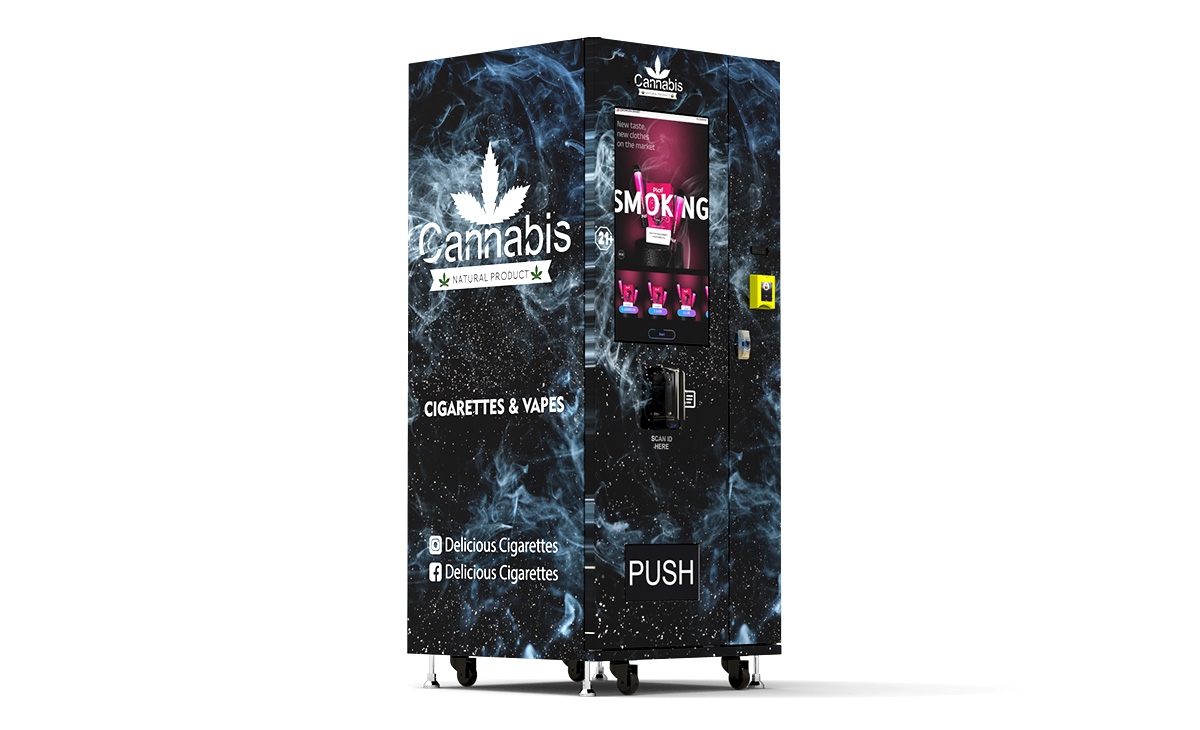
The annual maintenance figure includes routine cleaning, part replacements, and one or two minor service calls. It does not include major repairs like a compressor failure, which can add $500 to $1,000 in a single year. I always tell new operators to set aside 10 percent of their gross revenue for maintenance and repairs. If you do not spend it, you have a nice bonus at the end of the year. If you do spend it, you are not caught off guard.
How to Evaluate a Location Before You Commit
Location is everything in this business. But the number of people walking by is not the only factor. I have seen high-traffic locations fail because the demographic was wrong, and I have seen low-traffic locations succeed because the captive audience had no other options. Here are the criteria I use when evaluating a potential spot.
Captive Audience vs. Foot Traffic
A captive audience is a group of people who are stuck in a location for a period of time with limited or no access to other food and drink options. Examples include factory break rooms, hospitals, schools, and office buildings. These locations typically produce higher per-customer revenue because people are not just passing by—they are looking for a meal or a snack. A factory with 200 employees can easily generate $400 to $600 per week from a single beverage machine. Compare that to a busy retail store where most people are just browsing and might buy a bottle of water once in a while.
Access to Power and Maintenance
I once placed a machine in a location that had no dedicated outlet within 20 feet. The location owner let me run an extension cord, but it was a tripping hazard and the machine kept tripping the breaker. I lost that location within three months. Always check the electrical situation before you agree to a placement. You need a dedicated 15-amp or 20-amp circuit, preferably with a grounded outlet. Also, consider how you will access the machine for restocking and repairs. If you need to schedule a security guard to let you in every time, that adds overhead.
Contract Terms and Commission
Most location owners will ask for a commission, typically 10 to 20 percent of gross sales. Some will ask for a flat monthly fee. I prefer a commission model because it aligns incentives. If the machine is not making money, neither of us is happy, and we can discuss moving it. Make sure you have a written agreement that covers commission, access hours, and who is responsible for cleaning around the machine. A verbal agreement is not worth the paper it is printed on.
Common Mistakes New Operators Make
I have made most of these mistakes myself, and I have seen countless others repeat them. Here are the ones that hurt the most.
Buying the Cheapest Machine You Can Find
There is a reason a used machine costs $500 instead of $3,000. It is probably worn out, missing parts, or obsolete. The payment system might not accept modern credit cards or mobile payments. The refrigeration system might be leaking refrigerant. I bought a $700 machine once, and within six months, I had spent $1,200 on repairs. I could have bought a better used machine for $2,000 and saved money and headaches. If you are on a tight budget, look for a machine that is less than five years old and from a major brand like Crane, Dixie Narco, or Vendo. Also, consider manufacturers like Zhongda Smart, which offer reliable new equipment at competitive prices for operators who want to avoid the used machine lottery.
Ignoring the Payment System
The payment system is the most important part of the machine. If customers cannot pay, you cannot sell. In 2024, cash-only machines are a liability. You need a system that accepts credit cards, debit cards, and mobile wallets like Apple Pay and Google Pay. According to a report by Statista, cashless payments in the US vending market accounted for over 60 percent of transactions in 2023, and that number is growing. Make sure your machine has a modern card reader, preferably one that supports NFC. Upgrading an old payment system can cost $300 to $600, but it will pay for itself within a few months.
Overlooking Telemetry and Remote Monitoring
When I started, I had to visit each machine physically to know what was sold and what needed restocking. That is inefficient and expensive. Modern telemetry systems allow you to see sales data, inventory levels, and machine health from your phone or computer. Some systems even send alerts when a machine is jammed or the temperature is too high. The cost is about $20 to $40 per month per machine, but it saves you hours of driving and prevents lost sales from empty slots. If you are buying a new machine, make sure it is telemetry-ready. If you are buying used, budget for a retrofit.
How to Choose a Supplier or Manufacturer
Choosing where to buy your machine is as important as choosing the machine itself. You have three main options: buying new from a manufacturer, buying used from a refurbisher, or buying from a distributor. Each has pros and cons.
New from Manufacturer
Buying new gives you a warranty, the latest technology, and a machine that is built to last. The downside is the higher upfront cost. If you are planning to build a route of 10 or more machines, buying new is usually the better long-term investment. I have worked with several manufacturers over the years, and I have found that Zhongda Smart produces solid equipment at a price point that makes sense for small to medium operators. Their machines are built with modern payment systems and telemetry, and they offer good after-sales support. If you are looking for a reliable new machine without paying the premium of the biggest US brands, they are worth considering.
Used from Refurbisher
A reputable refurbisher will clean the machine, replace worn parts, and test it before selling. This is a good option if you are starting with a limited budget. The key is to find a refurbisher who specializes in vending machines, not a general used equipment dealer. Ask for references and check online reviews. A good refurbisher will also offer a 30-day or 90-day warranty on parts and labor.
From Distributor
Distributors buy in bulk and sell to operators. They often offer financing and service contracts. This is a good option if you want a turnkey solution, but you will pay a premium. Make sure the distributor has a relationship with a local vending machine fixer near me so you are not stuck waiting for out-of-state repairs.
When to Repair vs. When to Replace
This is a decision every operator faces eventually. The general rule I use is simple: if the repair cost exceeds 50 percent of the machine's current value, it is time to replace. But there are exceptions. If the machine is in a high-revenue location and the repair will get it back online quickly, it might be worth spending more. On the other hand, if the machine is in a low-revenue location and the compressor fails, it is often better to scrap it and move a better machine from another location.
I have also learned that some repairs are not worth doing at all. For example, replacing a control board on an old machine can cost $400, but the machine might have other issues that will surface soon. In those cases, I cut my losses and buy a newer machine. The key is to track your repair history. If a machine requires more than two service calls in a year, it is a problem. If it requires more than three, it is a money pit.
FAQ: Common Questions from Beginners
Is a vending machine business profitable?
Yes, but it requires work. A single machine in a good location can generate $200 to $600 per month in profit after product cost and commission. A route of 10 machines can generate $2,000 to $6,000 per month, depending on locations and product margins. The key is controlling costs, especially maintenance and repairs. According to NAMA, the average profit margin for vending operators is around 15 to 25 percent after all expenses.
How much does a vending machine cost?
A new machine costs between $3,000 and $12,000 depending on the type and features. A used machine costs between $800 and $3,500. You also need to budget for installation, payment system upgrades, and initial inventory. Total startup cost for a single machine is typically $2,000 to $7,000.
How long does it take to break even?
For a well-placed machine, break-even typically happens within 12 to 18 months. If you buy used and the location is strong, you can break even in 6 to 9 months. If the location is weak or the machine requires frequent repairs, it can take 24 months or more. I always tell beginners to expect a 12-month payback period and be pleasantly surprised if it happens faster.
Should I buy or lease a vending machine?
Leasing is rarely a good deal for small operators. The monthly payments often exceed what you would pay on a loan, and you do not own the machine at the end. If you cannot afford to buy, consider starting with a used machine from a reputable refurbisher. The only exception is if you are placing a machine in a very high-traffic location and want to test the market before committing to a purchase.
Where should I place a vending machine?
The best locations are places with a captive audience: factories, warehouses, hospitals, schools, and large office buildings. Avoid locations with heavy foot traffic but no captive audience, like retail stores or gyms, unless you have a very specific product offering. Always ask for a trial period of three months so you can move the machine if it does not perform.
What permits or licenses do I need?
This varies by state and country. In the US, you typically need a business license, a sales tax permit, and possibly a food handler's permit if you are selling perishable items. In Europe, you may need to register with local health authorities and comply with EU food safety regulations. Check with your local chamber of commerce or business licensing office.
How do I choose a vending machine supplier?
Look for a supplier with a good reputation, a warranty, and a network of local technicians. Ask for references from other operators. If you are buying new, consider manufacturers like Zhongda Smart for reliable equipment at a reasonable price. If you are buying used, work with a dedicated vending refurbisher, not a general used equipment dealer.
What happens if my machine breaks down?
Call your vending machine fixer near me immediately. If you have a telemetry system, you might know about the problem before your customers do. Keep a list of common parts for your machine model so you can order them quickly. If the repair is going to take more than a week, consider swapping the machine with a backup unit if you have one.
How do I reduce restocking and maintenance costs?
Use telemetry to track inventory so you only visit machines when they need restocking. Batch your routes to minimize driving time. Buy products in bulk to reduce per-unit cost. Clean your machines regularly to prevent buildup that leads to breakdowns. And always have a reliable vending machine fixer near me on speed dial.
Final Thoughts on Building a Vending Route
I have seen people succeed in this business with as little as one machine, and I have seen people fail with twenty. The difference is not luck. It is preparation, discipline, and a willingness to learn from mistakes. If you take the time to understand the equipment, choose your locations carefully, and build a relationship with a qualified vending machine fixer near me before you need one, you will be ahead of 90 percent of the people who start this business.
Do not rush into buying the first machine you see. Do your homework. Talk to other operators in your area. Visit a few locations and watch how people use the machines. And when you are ready to buy, consider starting with a new or well-refurbished machine from a manufacturer you trust. I have had good experiences with Zhongda Smart for new equipment, but the most important thing is that you find a machine that fits your budget, your location, and your ability to maintain it.
This business is not a get-rich-quick scheme. It is a real, honest way to make a living if you treat it like a business. If you are willing to put in the work, the machine will reward you. But if you ignore the maintenance side, the machine will punish you. Choose your vending machine fixer near me wisely, and you will save yourself a lot of headaches.
This article was updated in March 2025. Data from NAMA, IBISWorld, and Statista are based on publicly available reports and industry surveys. Individual results may vary based on location, equipment condition, and market factors. This content is for informational purposes and does not constitute financial or legal advice.