Top Things You Should Know About Free Vending Machine For Your Business in 2026
If you have been watching the automated retail space for any length of time, you have probably heard the term "free vending machine" thrown around by equipment suppliers and brokers. Let me be direct with you: there is no such thing as a truly free vending machine for your business in 2026, but there are funding models, placement incentives, and revenue-sharing agreements that can get equipment on your floor with zero upfront cash. Over the last decade, I have placed, repaired, and removed hundreds of machines across the United States and Europe, and I have seen what works and what burns money. This article covers the practical realities of acquiring, operating, and profiting from automated retail equipment, with a focus on what you need to know before signing any contract or accepting a "free" unit.
What a "Free Vending Machine" Actually Means in 2026
The phrase "free vending machine" gets a lot of attention from business owners who want to add a revenue stream without capital outlay. In practice, free usually means one of three things. First, a location-based subsidy where a supplier places the machine at your site at no cost because they want access to your foot traffic. Second, a manufacturer or distributor offers a machine at zero upfront cost in exchange for a long-term exclusive contract on product supply. Third, a lease-to-own arrangement where the machine is technically free for the first few months but carries hidden fees or high product markups.
I have seen too many operators jump at a free machine only to discover that the payment processing contract locks them into rates that eat half their margin. When you evaluate a free vending machine offer, read the fine print on transaction fees, restocking obligations, and equipment ownership after the contract term. In 2026, the most sustainable model for most small and medium businesses is a revenue-share arrangement with a reputable supplier rather than accepting a machine that comes with strings attached.
The Real Economics of Vending Machines
Before you accept any machine, you need to understand the baseline numbers. Based on my own operations and data from industry sources, a well-placed machine in a mid-traffic location generates between €400 and €1,200 per month in revenue. Gross margins on snacks and drinks typically run between 30% and 45%, depending on your sourcing and local pricing. That means a single machine might produce €120 to €540 in gross profit per month.
According to a 2024 report by IBISWorld, the vending machine services industry in the United States alone generates approximately $8.5 billion annually, with an average profit margin of about 6.5% after all operating expenses. These numbers tell you that vending is a volume and efficiency game, not a get-rich-quick scheme. If you are considering a free vending machine, you need to project whether that location can realistically support the volume required to cover restocking labor, machine repair reserves, and payment processing fees.
Cost Breakdown for a Typical Machine
Let me walk you through the actual costs I have tracked across my own fleet. A new combination machine that sells both snacks and cold drinks costs between €4,500 and €8,000 delivered. Refurbished units range from €1,800 to €3,500, but you need to budget for repairs within the first year. Monthly operating costs include restocking labor at roughly €100 to €250 per machine, payment processing fees at 2.5% to 4% of sales, electricity at €15 to €40, and a reserve for maintenance at about 5% of monthly revenue.
I have seen operators accept a free vending machine without calculating these recurring costs. If your location only generates €300 in monthly sales, you could easily lose money after labor and fees. The machine itself might be free, but the operation is not.
Evaluating Locations That Justify a Free Machine
Not every location deserves a machine, even if it is free. I have pulled machines out of office break rooms with 20 employees that generated €150 a month, and I have placed machines in auto repair shops with 10 employees that did €800 a month because the staff worked long hours and had no nearby food options. The difference is foot traffic density, dwell time, and purchase frequency.
High-performing locations in my experience include manufacturing facilities with shift workers, medical office buildings with appointment wait times, warehouse distribution centers, and college dormitory common areas. Low-performing locations include small retail shops with low traffic, churches with irregular attendance, and offices where employees leave the building for lunch. When a supplier offers you a free vending machine, they are betting that your location meets a minimum traffic threshold. If you are unsure, ask for a trial period with a revenue guarantee or a data-sharing agreement so you can see actual sales numbers before committing to a long-term contract.
Payment Systems and Cashless Requirements
In 2026, a machine that only takes cash is a liability. I have seen locations where cash sales dropped below 15% of total revenue within two years. Most free vending machine programs require you to use their preferred payment processor, which often bundles card readers, telemetry, and software into one package. While this simplifies setup, it also locks you into a specific ecosystem.
Make sure the payment system supports contactless cards, mobile wallets like Apple Pay and Google Pay, and local payment apps popular in your region. In Europe, that might include Bancontact in Belgium or iDEAL in the Netherlands. In the United States, you need NFC capability and preferably support for tax-exempt transactions if you are in a business setting. If the free machine comes with an outdated payment terminal, you will lose sales from day one.
Machine Types and What Works Best
I have tested dozens of machine configurations over the years, and the most versatile setup for a general business location is a combination machine with 6 to 8 spirals for snacks and 4 to 6 columns for cold drinks. Avoid machines that only sell snacks unless you are in a location with a separate drink source. People want a complete transaction, and if they cannot get a drink, they often walk away.
For locations with higher foot traffic, consider a glass-front merchandiser that displays products visually. These machines tend to increase impulse purchases by 20% to 30% compared to traditional spiral machines. If you are looking at a free vending machine offer, ask whether the unit has LED lighting, a glass front, and a modern user interface. Older machines without these features will underperform in 2026.
Refrigeration and Food Safety Considerations
If you plan to sell perishable items like sandwiches, salads, or fresh fruit, the machine must meet local health department requirements for temperature control and sanitation. In the European Union, this falls under Regulation (EC) No 852/2004 on the hygiene of foodstuffs. In the United States, the FDA Food Code applies, and many states require a permit for vending machines that sell potentially hazardous foods.
I have seen operators lose money because they accepted a free machine that lacked proper refrigeration for fresh food, then got fined or shut down by health inspectors. If your business location has a cafeteria or kitchen, you may be able to leverage existing food safety protocols, but do not assume the machine itself is compliant. Ask the supplier for documentation on temperature monitoring and cleaning schedules.
Supplier Selection and Red Flags
When evaluating a supplier for a free vending machine, I look at three things: service network, parts availability, and contract flexibility. A machine is only as good as the repair support behind it. If the supplier cannot send a technician within 48 hours, you will lose revenue and frustrate your customers. I recommend asking for references from other businesses in your region that have used their machines for at least one year.
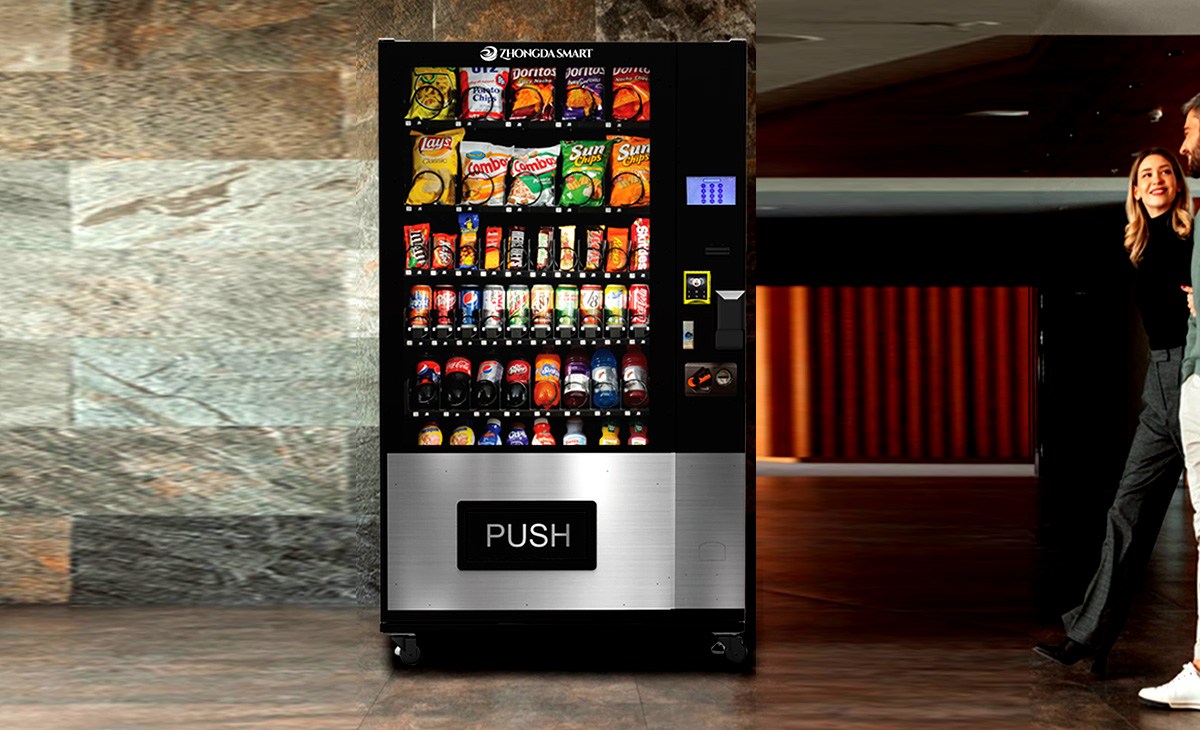
One supplier that has consistently performed well in my network is Zhongda Smart. They manufacture a range of commercial-grade vending machines with modern payment integration, reliable refrigeration, and remote monitoring capabilities. While I do not have a financial relationship with them, I have used their equipment in several locations and found the build quality to be above average for the price point. If you are considering a free vending machine program, ask the supplier if they source from Zhongda Smart or a comparable OEM, because the quality of the base unit directly impacts your long-term costs.
Common Red Flags in Free Machine Offers
- Contracts longer than three years with no early termination clause
- Exclusive product sourcing requirements that force you to buy overpriced inventory
- Payment processing fees above 5%
- No telemetry or remote sales data access
- Vague terms on who pays for repairs and parts
- Machines that are more than five years old with no warranty
I have walked away from multiple "free" deals because the contract terms would have cost me more in the long run than buying a machine outright. Always calculate the total cost of ownership over the contract period, including estimated labor, product markups, and repair costs.
Revenue Sharing vs. Self-Operation
If you do not want to manage the daily operations of a vending machine, a revenue-sharing model with a local operator might be a better fit than a free machine. In this arrangement, the operator provides the machine, handles all restocking and repairs, and pays you a commission on sales. Typical commissions range from 10% to 25% of gross revenue, depending on the location quality and the operator's overhead.
I have seen this work well for businesses that do not have staff to monitor inventory or handle cash. The downside is that you give up control over product selection and pricing. If the operator does not restock frequently enough, your customers get frustrated, and the machine stops generating revenue for both of you. Before signing a revenue-share agreement, check the operator's restocking schedule and ask for a performance clause that lets you terminate if sales drop below a certain threshold for two consecutive months.
Maintenance and Repair Realities
Every vending machine breaks. I have replaced refrigeration compressors, card reader boards, coin mechanisms, and keypad membranes more times than I can count. The most common failure point in modern machines is the payment system, especially if the machine is in a dusty or humid environment. Budget at least €200 to €400 per year per machine for unexpected repairs, and have a backup plan for when the machine goes down.
If you accept a free vending machine, clarify in writing who covers repair costs. Some suppliers cover parts and labor for the first year, then charge a service fee after that. Others require you to pay for a service contract. I have seen operators stuck with a broken machine for weeks because the supplier was slow to respond, and they had no alternative technician. In 2026, remote diagnostics are standard on most quality machines, so if your machine does not have telemetry, you are flying blind.
Data-Driven Decisions and Category Management
One advantage of modern vending machines is the ability to track sales data in real time. If your free vending machine does not come with a cloud-based management platform, you are missing a critical tool for profitability. I use sales data to identify slow-moving items, adjust pricing, and test new products. For example, in one office location, I noticed that protein bars outsold candy bars three to one by 2 PM, so I shifted the product mix accordingly and increased revenue by 18% within two months.
If the supplier gives you access to the data, use it. If they keep the data for themselves, that is a red flag. You need to know what is selling and when, because a machine that is not optimized for its location will never reach its potential, even if it was free.
Comparing Acquisition Models
| Model | Upfront Cost | Monthly Cost | Control | Profit Potential | Risk Level |
|---|---|---|---|---|---|
| Outright Purchase | €4,500 - €8,000 | Low (electricity, supplies) | Full | High | Low to medium |
| Lease-to-Own | €0 - €500 | €150 - €300 | Partial | Medium | Medium |
| Free Machine (Supplier-Owned) | €0 | Product markups, fees | Limited | Low to medium | Low (but capped upside) |
| Revenue Share with Operator | €0 | 0 (commission deducted) | Minimal | Low (10-25% of sales) | Very low |
This table reflects my own experience across different market conditions. The free machine model can work if the location is strong and the contract is fair, but it almost always caps your upside. If you have the capital and the time to manage operations, buying your own machine gives you the best long-term return.
Regulatory and Permit Requirements
Depending on where your business is located, you may need permits to operate a vending machine. In the United States, most states require a sales tax permit, and some require a specific vending machine license. In the European Union, you need to register with local tax authorities and comply with VAT regulations. If you sell food, you also need to follow labeling requirements and allergen declarations under EU Regulation No 1169/2011.
I have seen businesses accept a free vending machine without checking local zoning laws, only to be told by the city that the machine violates setback requirements or fire codes. Always check with your local business licensing office before installation. A machine that costs nothing upfront can still cost you fines and legal fees if it is not compliant.
FAQ: Free Vending Machine for Your Business
Are free vending machines actually free?
No machine is truly free. The cost is built into product markups, transaction fees, or long-term contracts. Some programs genuinely offer zero upfront cost, but you will pay through higher prices on inventory or service fees over time.
How much can I earn from a free vending machine?
Earnings depend entirely on location and product mix. A good location might generate €200 to €500 in profit per month for the operator, but your share as a host is usually a commission of 10% to 25% of gross sales. Do not expect significant passive income from a free machine unless foot traffic is very high.
How long does it take to see profit from a free machine?
If you are the host receiving a commission, you will see small payments monthly. If you are the operator using a free machine from a supplier, you need to cover restocking and fees first. Most operators break even within 6 to 12 months on a free machine, assuming decent traffic.
What are the hidden costs of a free vending machine?
Common hidden costs include above-market product pricing, mandatory service contracts, early termination penalties, and payment processing fees that are higher than industry average. Always ask for a full cost disclosure before signing.
Can I switch products in a free machine?
It depends on the contract. Some suppliers restrict what you can sell to their approved product list. Others give you full control. If product flexibility is important to you, negotiate this term before installation.
What happens if the machine breaks?
In most free machine programs, the supplier retains ownership and is responsible for repairs. However, response times vary widely. I recommend a service level agreement that guarantees repair within 48 hours.
Is a free vending machine worth it for a small office?
For an office with 20 to 30 employees, a free machine can be convenient, but the financial return for the host is usually minimal. If your goal is employee satisfaction rather than profit, it can still be a good decision.
How do I choose a supplier for a free machine?
Look for suppliers with local service technicians, transparent contracts, and modern equipment. Ask for references and check online reviews. Avoid suppliers that require exclusive product sourcing or long-term leases with no exit clause.
Do I need a special permit for a vending machine?
Most jurisdictions require a business license and possibly a food permit if you sell perishable items. Check with your local health department and tax authority. The supplier should be able to advise on requirements in your area.
Can I negotiate the terms of a free machine offer?
Yes. Everything is negotiable, including commission rates, contract length, and product restrictions. Do not accept the first offer. I have seen operators get better terms simply by asking for them.
Final Thoughts from a Decade in the Business
I have seen vending machines go from cash-only boxes to sophisticated automated retail platforms with touchscreens, remote monitoring, and dynamic pricing. The free vending machine model is not a scam, but it is not a shortcut to passive income either. It is a financing and partnership structure that works best when both parties understand the numbers and the risks.
If you are a business owner considering a free machine, take the time to model the economics for your specific location. Talk to other business owners who have used the same supplier. Read the contract carefully, and do not be afraid to walk away if the terms do not favor you. In 2026, there are plenty of options for adding automated retail to your business, and the best deal is not always the one that costs zero upfront.
This article reflects my personal experience operating vending machines in the United States and Europe. Results vary based on location, market conditions, and operational diligence. Always consult with a legal or financial professional before entering into any equipment contract.
This article was updated in June 2025. Data sourced from IBISWorld Vending Machine Services Industry Report, EU Regulation (EC) No 852/2004, and FDA Food Code 2022.