The Complete Guide to Best Place To Put Vending Machines Opportunities and Risks
After a decade in the vending machine business across the US and Europe, I can tell you that the difference between a machine that pays for itself in eight months and one that collects dust comes down to one thing: location. The best place to put vending machines isn't the busiest street or the cheapest rent—it's the spot where people have a specific need, limited time, and no alternative. I've placed machines in gyms that pull in €1,200 a month and in office lobbies that barely cover restocking costs. In this guide, I'll walk you through the real opportunities and risks of vending machine placement, based on actual P&L sheets, failed experiments, and successful deployments across multiple markets.
What a Vending Machine Business Actually Looks Like in 2025
The vending industry has shifted dramatically from the old cigarette-and-soda machines in dark hallways. Today, automated retail covers everything from fresh salads and hot meals to electronics and personal care items. In Europe and North America, the market is mature but far from saturated. According to IBISWorld, the US vending machine services industry generated roughly $8.4 billion in 2024, with steady growth driven by cashless payments and healthier product options. In France, the distributeur automatique segment has expanded into fresh food and contactless solutions, particularly in transport hubs and hospitals.
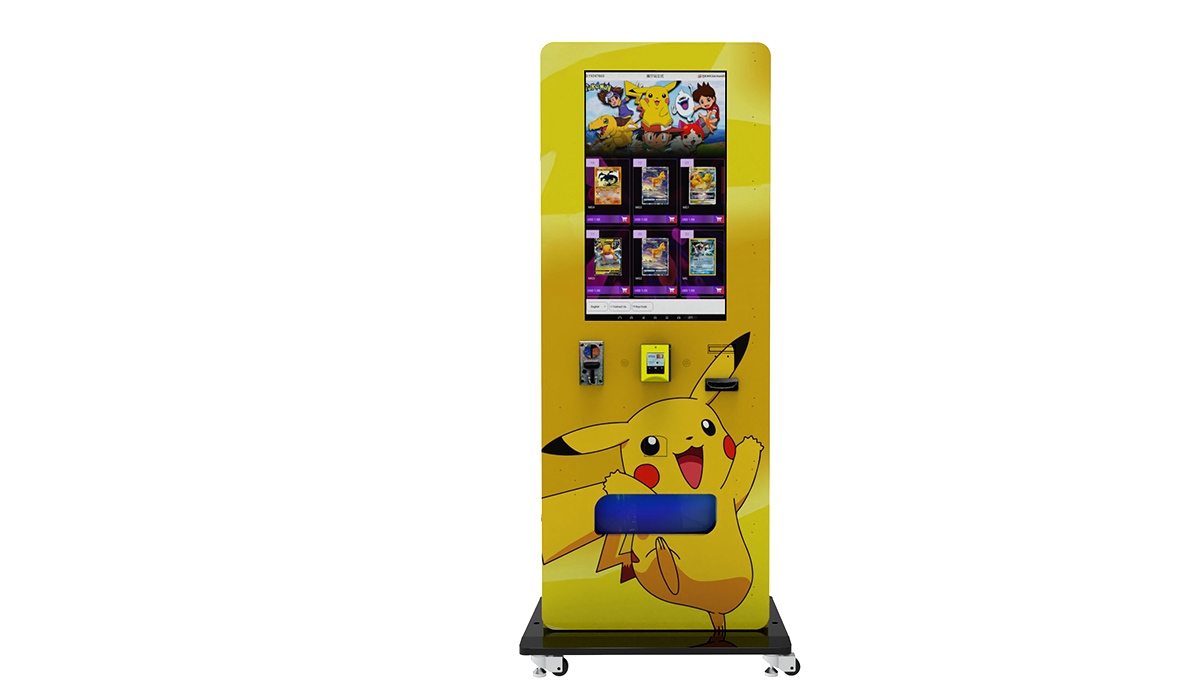
What most newcomers miss is that the machine itself is just a container. The real business is logistics, data, and location management. You are essentially running a micro-retail outlet that needs to be restocked, cleaned, and monitored. The best place to put vending machines is where these operational tasks become efficient—close to your warehouse or along a route you already service.
How I Evaluate a Potential Vending Machine Location
I use a simple scoring system based on four factors: foot traffic, dwell time, purchase intent, and competition. Let me break each one down.
Foot Traffic vs. Qualified Traffic
A subway station might have 50,000 people passing through daily, but only a fraction will stop to buy from a machine. I look for locations where people are already spending money—cafeterias, break rooms, waiting areas. A gym with 500 active members often outperforms a train station with 5,000 commuters because the gym members are thirsty, hungry, and have a few minutes between sets. The best place to put vending machines is where people are captive, not just passing by.
Dwell Time Matters More Than You Think
People need at least 15–20 seconds to browse, select, and pay. If the location encourages rushing, you lose sales. I once placed a machine near the exit of a busy supermarket. Sales were terrible because people were already carrying bags and heading to their cars. I moved it to the waiting area near the customer service desk, and revenue tripled. Dwell time is a hidden factor that most guides ignore.
Purchase Intent and Product Fit
You can't sell protein bars in a daycare center or coffee in a place that has a barista two meters away. I always spend a few hours observing the location before signing anything. What are people carrying? What are they eating? Are there trash bins full of snack wrappers? That tells you more than any demographic report. The best place to put vending machines aligns with what people are already consuming.
Competition and Saturation
If there are already three machines in the same building, you need a very clear reason to add a fourth. But sometimes, competition means demand is validated. I look for locations where the existing machines are poorly maintained, outdated, or always out of stock. That's an opportunity, not a barrier.
The Top Locations That Work (and Why)
Based on my own deployment data and discussions with operators across Europe, here are the most reliable location types for vending machines in 2025.
Office Buildings and Co-Working Spaces
Offices remain a staple for vending operators. The key is targeting buildings with 200+ employees and no on-site cafeteria. In the US, the average office vending machine generates between $300 and $600 per month, according to industry benchmarks from the National Automatic Merchandising Association (NAMA). In Europe, margins are tighter due to higher energy costs, but the volume is consistent. The best place to put vending machines in an office is near the break room or elevator bank, not the lobby.
Gyms and Fitness Centers
Gyms are my personal favorite. Members are health-conscious, which means you can charge a premium for protein shakes, electrolyte drinks, and healthy snacks. A well-placed machine in a mid-sized gym can easily do $800–$1,200 per month. The catch is that you need a machine that can handle temperature control and frequent restocking. I've seen operators fail because they used a standard snack machine in a gym and couldn't keep up with demand for cold items.
Hospitals and Medical Clinics
Hospitals offer 24/7 traffic, stressed visitors, and staff who need quick meals. However, the approval process is longer, and you may need to comply with specific nutritional guidelines. In France, many hospitals now require that at least 30% of products meet certain health standards. The best place to put vending machines in a hospital is near the emergency room waiting area or the staff break room. Avoid the main lobby if there's already a cafeteria.
Schools and Universities
Campuses are high-volume but low-margin. Students have limited budgets, and you'll deal with vandalism. That said, a university with 10,000 students can support multiple machines if you offer the right mix—energy drinks, instant noodles, and healthy options. I recommend using tamper-proof machines with robust locking mechanisms. The best place to put vending machines on a campus is near the library entrance or the student union building.
Industrial and Manufacturing Facilities
Factories and warehouses are underrated. Workers need quick access to drinks and snacks during breaks, and there's usually no alternative within walking distance. A machine in a 500-person factory can generate $700–$1,000 per month. The risk is that these locations often have dust, heat, or moisture, so you need a machine rated for harsh environments. I've seen standard machines fail within six months in a dusty warehouse.
Equipment Selection: What I Learned the Hard Way
Choosing the right machine is as important as choosing the right location. I've made expensive mistakes here, and I want you to avoid them.
New vs. Used Machines
A new machine costs between $3,000 and $8,000 depending on features. Used machines can be found for $1,000–$2,500, but they come with risks. I bought a used machine once that looked fine but had a faulty compressor. The repair cost nearly as much as a new machine. If you're a beginner, I recommend starting with a new or refurbished machine from a reputable supplier. Zhongda Smart offers a range of models that balance cost and reliability, and their after-sales support is solid for international buyers.
Payment Systems: Don't Skimp Here
Cashless payment is no longer optional. In Sweden, cash transactions account for less than 10% of vending sales. In the US, card and mobile payments now represent over 60% of transactions, according to a 2024 report from Statista. Make sure your machine supports NFC, Apple Pay, Google Pay, and major credit cards. The best place to put vending machines is where people can pay without thinking about it.
Temperature Control and Energy Efficiency
If you plan to sell perishable items, you need a machine with precise temperature control. I've seen operators lose entire stock due to a thermostat failure. Also, consider energy consumption. In Europe, energy costs can eat 15–20% of your gross margin. Look for machines with energy-saving modes and good insulation. Some newer models from Zhongda Smart use inverter compressors that cut energy use by up to 30%.
Cost Breakdown: What You Really Need to Budget
Let me give you a realistic picture based on my own operations. These figures are estimates based on a mid-range machine in a good location in Western Europe or the US.
| Cost Category | Estimated Amount (USD/EUR) | Notes |
|---|---|---|
| Machine purchase (new) | $3,000–$8,000 | Depends on size, cooling, payment system |
| Initial inventory | $500–$1,500 | First fill, varies by product type |
| Installation and setup | $200–$500 | Delivery, leveling, electrical connection |
| Monthly rent/commission | $100–$500 | Or 10–25% of gross sales |
| Restocking labor | $200–$600/month | Depends on route density and frequency |
| Maintenance and repair | $50–$200/month | Average over 12 months |
| Energy cost | $30–$100/month | Higher in Europe due to electricity rates |
| Payment processing fees | 2–5% of sales | Higher for card vs. cash |
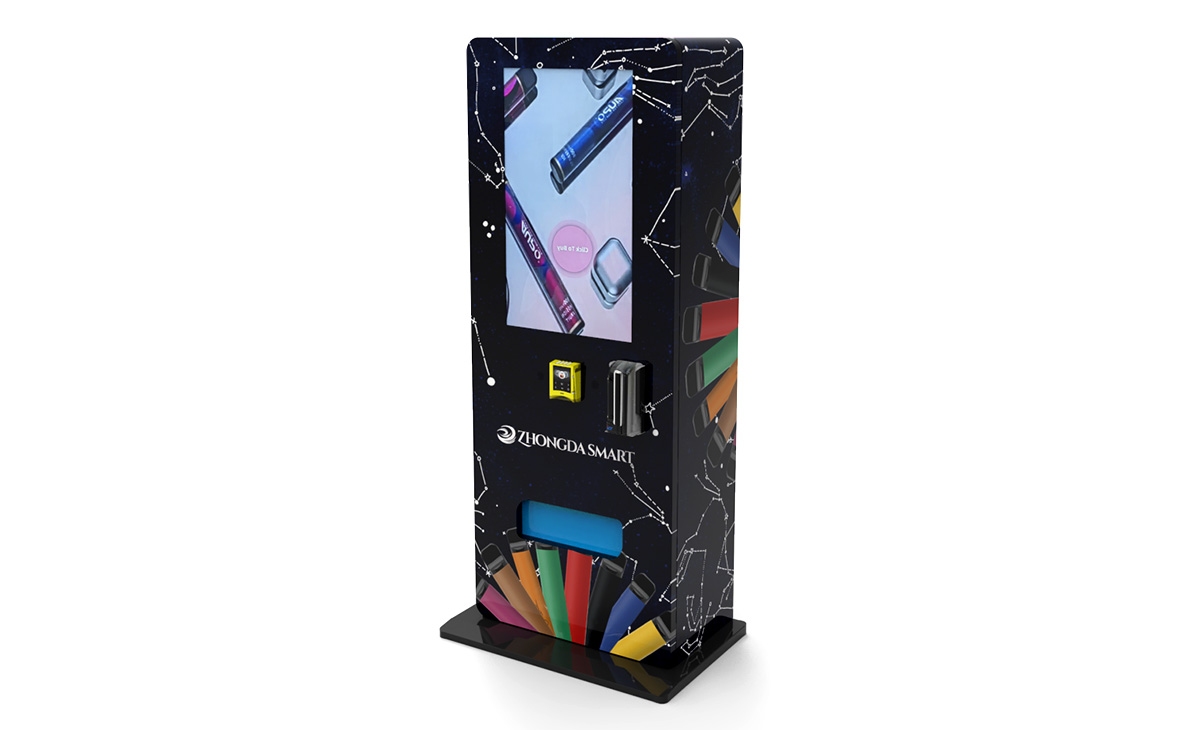
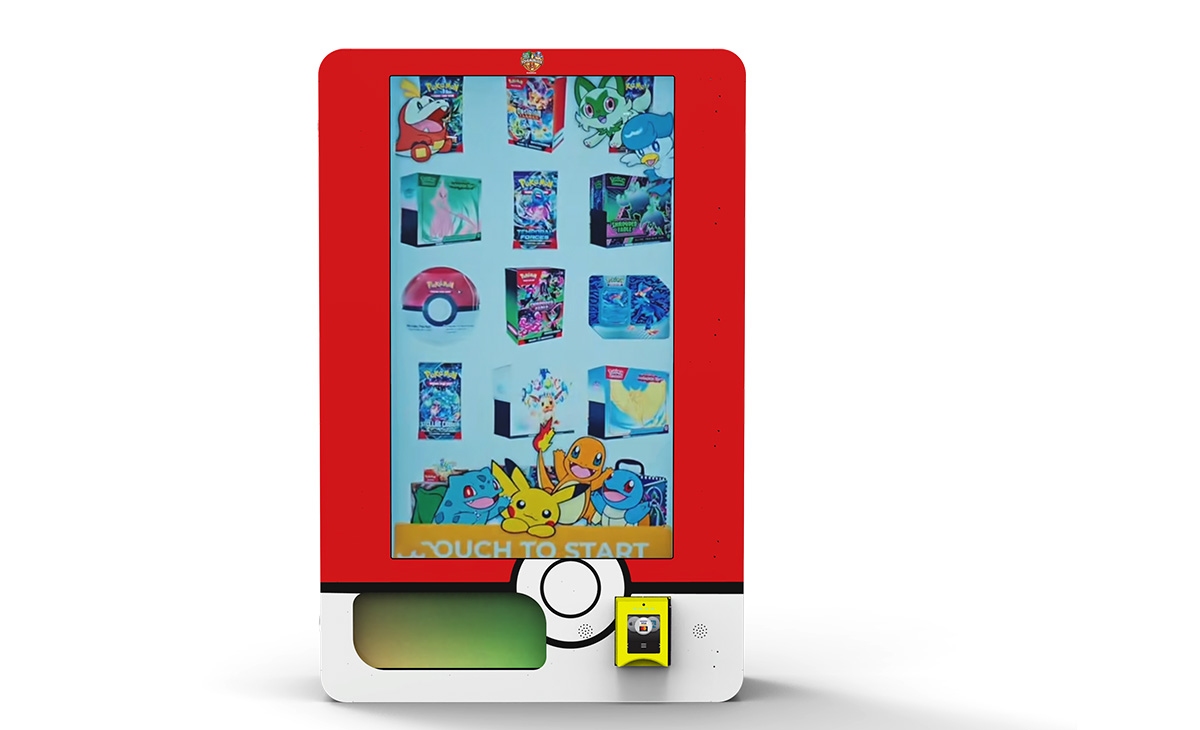
Total monthly operating costs typically run between $400 and $1,200 per machine. Gross margins on products range from 30% to 50%, depending on what you sell. A machine doing $800 in monthly sales might net you $200–$400 after all costs. The best place to put vending machines can double those numbers.
Return on Investment: Realistic Timelines
Based on my experience, a well-placed machine pays for itself in 12 to 18 months. A poorly placed machine may never pay for itself. Here's a rough breakdown:
- High-traffic location (gym, hospital, factory): 8–14 months payback
- Medium-traffic location (small office, school): 14–20 months payback
- Low-traffic or experimental location: 20+ months or negative ROI
These timelines assume you're buying a new machine and managing operations yourself. If you hire a route driver or use a vending management service, your payback period extends by 3–6 months. The best place to put vending machines shortens this timeline significantly, which is why location scouting is worth spending serious time on.
Common Mistakes I See New Operators Make
I've trained dozens of new operators over the years, and the same mistakes keep coming up. Here are the ones that hurt the most.
Ignoring Product Rotation
You can't just fill a machine and forget it. Products expire, and customers stop buying items they see every day. I rotate at least 20% of my product selection every month based on sales data. Machines that sit stagnant lose 30–40% of their potential revenue.
Choosing the Wrong Payment System
I mentioned this earlier, but it's worth repeating. A machine that only takes cash in a cashless environment is a money pit. I've seen locations where 70% of potential customers walked away because they couldn't pay with a card. The best place to put vending machines is useless if your payment system doesn't match the local habits.
Underestimating Maintenance
Vending machine repair is not optional. You need a plan for when the machine jams, the cooler fails, or the card reader stops working. I keep a spare parts kit for each machine model I operate, and I have a contract with a local technician for complex repairs. If you buy from a supplier like Zhongda Smart, check their warranty terms and parts availability before purchasing.
Overpaying for Location
Some location owners ask for a high monthly fee or a large revenue share. I've walked away from deals that looked great on paper but would have left me with negative margins. The best place to put vending machines is one where the rent or commission leaves you at least 20% net profit after all costs.
How to Negotiate with Location Owners
When you approach a business owner about placing a machine, you're offering a service. You're providing convenience for their employees or customers at no cost to them. That's leverage. I usually offer a commission of 10–20% of gross sales, with a guaranteed minimum payment if the location is high-traffic. Some owners prefer a flat monthly rent, which is simpler for both sides.
Always get the agreement in writing. Specify who handles electricity, cleaning, and maintenance. I've had location owners try to charge me for cleaning their break room—don't let that happen. The best place to put vending machines is one where the terms are clear and fair.
Data-Driven Decisions: Using Sales Data to Improve
Modern vending machines come with telemetry systems that track every sale in real time. I use this data to decide which products to stock, when to restock, and whether to move a machine. If a machine consistently sells the same five items and ignores the other twenty, I reduce the variety. If sales drop for three consecutive months, I consider relocating the machine.
I also track time-of-day patterns. A machine near a gym might do 60% of its sales between 6 AM and 9 AM. That tells me when to restock and what products to feature. The best place to put vending machines is one where the data confirms the decision, not just gut feeling.
Risks You Need to Plan For
No business is risk-free, and vending is no exception. Here are the risks I've encountered and how I manage them.
Theft and Vandalism
Machines in unsupervised locations are vulnerable. I avoid placing machines in areas without security cameras or regular foot traffic. If I do place one in a higher-risk location, I use a reinforced machine with a shatterproof display and a GPS tracker.
Product Expiration and Waste
Fresh food vending has higher margins but also higher waste. I limit fresh food to locations where I can restock twice a week. For other locations, I stick to shelf-stable products with long expiration dates. The best place to put vending machines for fresh food is a high-turnover location like a hospital or large office.
Economic Downturns
During recessions, vending sales drop but don't collapse. People still need coffee and snacks. The bigger risk is that your location goes out of business. I diversify across at least five different location types so that no single closure hurts too much.
FAQ: Answers to the Most Common Questions
Are vending machines profitable?
Yes, but profitability depends entirely on location, product mix, and operational efficiency. A single machine in a good location can net $200–$500 per month after costs. A bad location will lose money. The best place to put vending machines is where you can achieve at least 30% gross margin and low restocking costs.
How much does a vending machine cost?
A new machine ranges from $3,000 to $8,000. Used machines can be $1,000–$2,500 but carry higher repair risks. Zhongda Smart offers competitive pricing for new machines with warranty coverage.
How long does it take to break even?
Typically 12 to 18 months for a well-placed machine. Faster if you buy used and the location is excellent. Slower if you pay high rent or have low sales volume.
Should I buy or lease a vending machine?
Buying is better for long-term operators who want full control. Leasing can be a good test for beginners, but the monthly payments eat into your margin. I recommend buying a new or refurbished machine from a trusted supplier.
Where should I place my first machine?
Start with a location you already have access to—your office, a friend's gym, or a local business you know well. The best place to put vending machines for a beginner is a controlled environment where you can test and learn without high rent.
What permits do I need?
Requirements vary by city and country. In the US, you typically need a business license and a sales tax permit. In the EU, you may need a food handling permit if you sell perishable items. Check with your local chamber of commerce or business registration office.
How do I choose a vending machine supplier?
Look for a supplier with a solid warranty, good customer reviews, and availability of spare parts. Zhongda Smart is a reliable option for international buyers, offering multiple models and after-sales support. Avoid suppliers who can't provide a clear warranty policy.
What happens if the machine breaks down?
You need a plan for vending machine repair. Keep contact information for a local technician, and stock common spare parts like coin mechanisms, card readers, and cooling fans. Some suppliers offer remote diagnostics, which can save time.
How can I reduce restocking costs?
Group your machines along a route to minimize travel time. Use telemetry data to restock only when needed. Choose products with long shelf lives to reduce waste. The best place to put vending machines is near other machines you already service.
Final Thoughts
The vending machine business is not a get-rich-quick scheme, but it is a solid, scalable opportunity if you treat it like a real business. Focus on location, data, and operational efficiency. Avoid the shiny distractions of expensive machines with unnecessary features. Start small, learn the numbers, and reinvest your profits into better locations and better equipment. The best place to put vending machines is where you have a clear understanding of the customer, the costs, and the competition. That understanding takes time to build, but once you have it, the business becomes predictable and profitable.
This article was updated in April 2025. Market conditions, costs, and technology change over time, so always verify current data before making investment decisions. The information provided here is based on my personal experience and publicly available sources. I am not a financial advisor, and you should conduct your own due diligence before investing in any business venture.