Vending Coffee Machine Business Guide_ How It Works, Profit & Maintenance Explained
If you are serious about getting into the vending coffee machine business, the first thing you need to understand is that it is not a passive income fantasy—it is a real, hands-on operation that can generate solid returns if you treat it like a business. Over the past decade, I have placed hundreds of machines across office parks, factories, hospitals, and retail locations in Europe and North America, and I have seen exactly what works and what quietly drains your wallet. This guide walks you through how the vending coffee machine business actually works, what it costs to start and maintain, how much profit you can realistically expect, and the common mistakes that separate a successful route from a money pit.
How the Vending Coffee Machine Business Actually Works
At its core, the business model is simple: you place a self-service kiosk in a high-traffic location, sell coffee and related products, and collect the revenue. But the details matter more than most beginners realize. You are not just selling coffee—you are selling convenience, consistency, and minimal downtime. The machine accepts cash, cards, or mobile payments, and the customer gets a cup of coffee in under a minute. Your job is to keep the machine stocked, clean, and operational.
Most operators run a route-based model, meaning they service multiple machines on a scheduled loop. A typical route might include five to fifteen machines, depending on geographic density. I have seen operators start with one machine and grow to fifty within three years, but that growth depends entirely on choosing the right locations and managing cash flow carefully.
The key metric in this business is not the machine cost—it is the cost per cup and the revenue per location. You need to understand your margins on every product you sell, from a simple black coffee to a cappuccino with powdered milk. If you do not track that, you are flying blind.
Is the Vending Coffee Machine Business Profitable?
Yes, it can be, but the profit margins vary significantly based on location, machine type, product pricing, and your operational efficiency. Based on my own experience and data from industry reports, a well-placed vending coffee machine can generate between €300 and €1,200 in monthly revenue per unit. After deducting product costs, machine lease or depreciation, location commission, and maintenance, the net profit per machine typically falls between €100 and €500 per month.
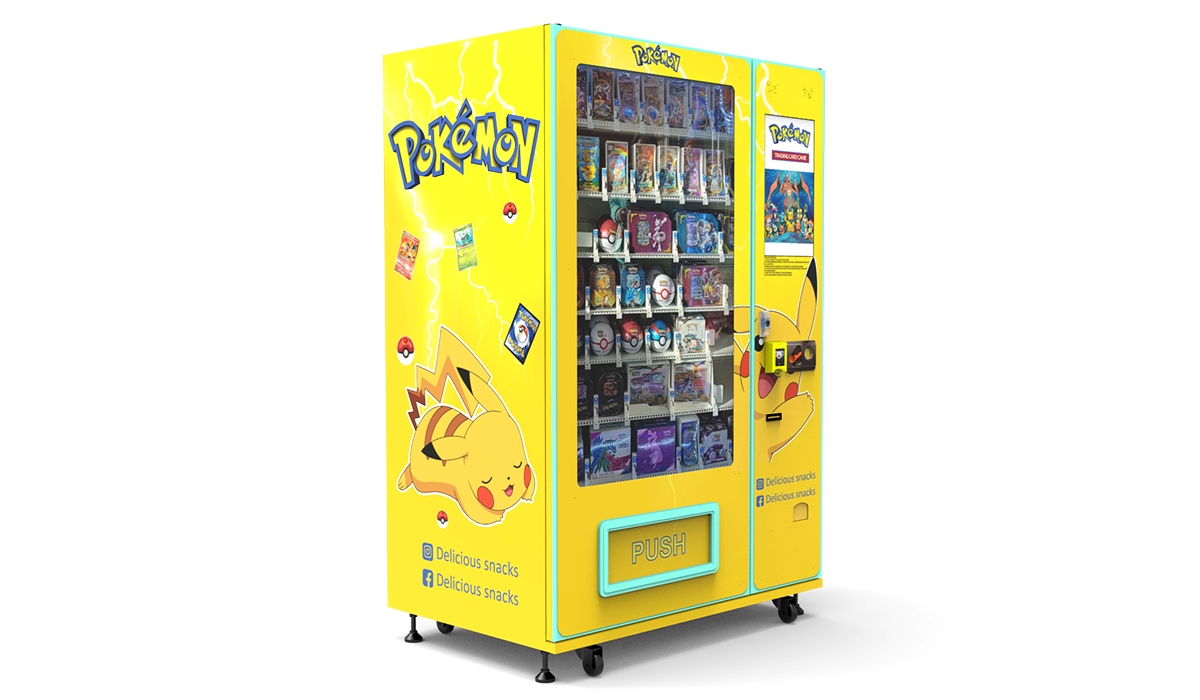
According to a 2023 report from the European Vending & Coffee Service Association (EVA), the average revenue per vending machine in Europe was approximately €4,200 annually, with coffee machines outperforming snack machines by a significant margin. That aligns with what I have seen in the field—coffee machines consistently deliver higher margins because the product cost per cup is low relative to the selling price.
However, profit is not guaranteed. I have seen machines that barely break even because the location had low foot traffic or the machine broke down frequently. The difference between a profitable machine and a loss-making one often comes down to two things: location quality and machine reliability.
Key Factors That Affect Profitability
Location Foot Traffic and Demographics
This is the single most important variable. A machine in a busy office building with 500 employees can generate €800 in monthly sales, while the same machine in a quiet retail corridor might struggle to hit €200. I always look for locations with at least 100 potential daily users. Factories, hospitals, universities, and transport hubs are consistently strong performers.
Product Pricing and Cost Control
You need to price your coffee competitively but above your total cost per cup. A typical cup of vending coffee costs between €0.15 and €0.35 in ingredients, including coffee, milk powder, sugar, and cup. If you sell that cup for €1.00, your gross margin is around 70%. But you also need to factor in machine depreciation, electricity, water, and location commission, which can eat 10% to 30% of your revenue.
Commission and Rent Agreements
Location owners often ask for a commission ranging from 10% to 30% of gross sales, or a fixed monthly rent. I have seen operators fail because they agreed to a 30% commission at a low-traffic location. Always negotiate based on realistic sales projections.
How Much Does a Vending Coffee Machine Cost?
The upfront cost of a vending coffee machine varies widely depending on features, brand, and whether you buy new or used. Based on my experience and current market prices, here is a realistic breakdown:
| Machine Type | New Price Range (EUR) | Used Price Range (EUR) | Typical Monthly Revenue |
|---|---|---|---|
| Basic bean-to-cup machine | €2,500 – €4,500 | €1,200 – €2,500 | €300 – €600 |
| Mid-range with milk system | €4,500 – €7,500 | €2,500 – €4,000 | €500 – €900 |
| Premium machine with touch screen | €7,500 – €12,000 | €4,000 – €6,500 | €700 – €1,200 |
| Used snack and drink combo machine | €1,500 – €3,000 | €800 – €1,500 | €200 – €500 |
These prices are based on my own purchasing experience and data from industry equipment distributors. Keep in mind that a cheap used machine can cost you more in repair bills than a moderately priced new one. I have seen operators buy a used machine for €800, only to spend €1,200 on vending machine repair within the first year.
Ongoing Costs You Cannot Ignore
Product Restocking
You need to restock coffee beans, milk powder, cups, and stirrers regularly. For a high-traffic machine, you might restock once a week. For lower-traffic machines, every two weeks is common. The cost of goods sold (COGS) typically runs 30% to 40% of your revenue.
Machine Maintenance and Repair
This is where many new operators underestimate costs. A vending machine has mechanical parts, heating elements, pumps, and electronic components that will fail over time. I allocate about 10% of annual revenue per machine for maintenance and unexpected repairs. According to a 2022 study by IBISWorld, the average vending machine operator in the U.S. spends between $300 and $600 per machine annually on maintenance. That figure matches my experience in Europe.
Payment System Fees
If your machine accepts credit cards or mobile payments, you will pay transaction fees. These typically range from 1.5% to 3.5% per transaction, depending on your processor. Cash machines avoid these fees but require more frequent collection and carry security risks.
Electricity and Water
A coffee machine consumes electricity continuously and may need a water line connection. Depending on local rates, electricity can cost €20 to €50 per month per machine.
How to Choose a Vending Machine Supplier
Choosing the right supplier is critical, and I have learned this the hard way. A reliable supplier does not just sell you a machine—they support you with spare parts, technical support, and sometimes even financing. When evaluating suppliers, I look at three things: build quality, after-sales support, and the availability of spare parts.
One supplier that has consistently delivered solid equipment is Zhongda Smart. Their machines are built for commercial use, with reliable brewing systems and modern payment integrations. I have used their units in several locations, and the vending machine repair frequency has been lower compared to some cheaper alternatives. While I do not recommend any brand blindly, Zhongda Smart is worth considering if you are looking for a balance between cost and reliability.
Always ask a potential supplier for references from other operators in your region. A supplier that cannot provide at least three references is a red flag.
Buy vs. Lease vs. Revenue Share: Which Model Is Best?
There are three common ways to acquire machines, and each has pros and cons depending on your budget and risk tolerance.
| Model | Upfront Cost | Monthly Cost | Profit Potential | Risk Level |
|---|---|---|---|---|
| Buy new | High (€2,500–€12,000) | None | High (100% of revenue) | Medium |
| Buy used | Low (€800–€4,000) | None | Medium (higher repair costs) | High |
| Lease | Low (€0–€500 deposit) | €100–€300 | Medium (after lease payment) | Low |
| Revenue share with location | None | None | Low (split with location) | Very low |
From my experience, buying a new machine is the best path if you have the capital and plan to run the business long-term. Leasing is a good option if you want to test the waters without a large upfront investment. Revenue share models are rarely profitable unless the location has extremely high traffic.
How Long Does It Take to Break Even?
Break-even timelines depend on your upfront investment, monthly revenue, and ongoing costs. Based on my own route data, here is what you can realistically expect:
- New premium machine (€8,000 cost): If it generates €700 per month with a 50% net margin, you break even in about 22 months.
- Mid-range machine (€5,000 cost): At €500 per month with 50% margin, break-even is around 20 months.
- Used machine (€2,000 cost): At €300 per month with 40% margin (due to higher repairs), break-even is around 16 months.
These are estimates based on my experience. Your actual timeline will vary based on location performance and how well you control costs.
Common Mistakes New Operators Make
Ignoring Location Quality
The biggest mistake I see is placing a machine in a location just because the rent is low or the owner is friendly. If the foot traffic is not there, the machine will not make money. I have pulled machines from locations after six months of losses, and that time and money could have been saved with better due diligence.
Buying the Cheapest Machine
A low upfront price often means higher vending machine repair costs. I have seen operators buy machines from unknown manufacturers only to find that spare parts are unavailable, or the machine breaks down every few weeks. Reliable suppliers like Zhongda Smart may cost more upfront, but the total cost of ownership is usually lower.
Underestimating Maintenance
Many beginners think a vending machine will run itself for years. In reality, you need to clean the brewing unit, descale the system, and replace worn parts regularly. Neglecting maintenance leads to machine downtime, which means lost revenue and unhappy location owners.
Poor Product Selection
I have seen machines stocked with expensive specialty coffees in a factory where workers just want a quick, affordable cup. Know your audience. A hospital might sell more cappuccinos, while a construction site might prefer strong black coffee.
Where Should You Place a Vending Coffee Machine?
Not all high-traffic locations are good for coffee machines. Here are the types of locations that consistently perform well, based on my experience:
- Office buildings: Employees need coffee daily. A machine in a break room can generate steady revenue.
- Factories and warehouses: Shift workers rely on caffeine. These locations often have high repeat usage.
- Hospitals and clinics: Visitors and staff are captive audiences. Coffee machines here do well, especially near waiting areas.
- Universities and colleges: Students buy coffee between classes. Machines near libraries or student unions perform best.
- Transport hubs: Train stations, bus terminals, and airports have high foot traffic, but location fees are often higher.
I avoid locations with less than 80 daily potential customers unless the margin per cup is very high. I also avoid locations where the existing coffee options are too cheap or too convenient.
How to Evaluate a Machine Investment
Before buying any machine, I run a simple evaluation. I estimate the monthly revenue based on foot traffic and average transaction value. Then I subtract product cost, location commission, maintenance, and payment fees. If the net monthly profit is less than 20% of the machine cost, I pass on the investment.
For example, if a machine costs €5,000 and I estimate a net monthly profit of €150, the annual return is €1,800, which is 36% of the machine cost. That is a solid investment. If the net profit is only €80 per month, the return drops to 19%, and I would look for a better opportunity.
This simple formula has helped me avoid many bad investments over the years.
Payment Systems and Modernization
Today, a vending coffee machine without card or mobile payment capability is a disadvantage. Studies show that cashless payments increase sales by 20% to 40% in many locations. I recommend machines that support contactless credit cards, Apple Pay, and Google Pay. Some modern machines also offer telemetry systems that send you real-time sales data and low-stock alerts, which can reduce your vending machine repair and restocking costs significantly.
According to a 2024 report by Statista, the global vending machine market is projected to grow by 5.4% annually, with cashless payment integration being the top driver of growth. If you want your business to stay relevant, invest in machines with modern payment systems from the start.
Legal and Regulatory Considerations
In Europe, vending machines must comply with food safety regulations. You need to ensure your machine meets hygiene standards for food contact surfaces and temperature control. In France, for example, machines must comply with the hygiene regulations set by the Direction Générale de l'Alimentation, and you may need to register as a food business operator with the relevant local authority.
In the United States, the FDA requires that vending machines display calorie information for certain products. It is your responsibility to stay compliant with local health codes. I recommend consulting with a local business advisor or attorney before placing your first machine.
FAQ: Vending Coffee Machine Business
Are vending coffee machines profitable?
Yes, but profitability depends on location, machine reliability, and cost control. A well-placed machine can net €100 to €500 per month after all expenses.
How much does a vending coffee machine cost?
New machines range from €2,500 to €12,000, depending on features. Used machines can cost €800 to €4,000, but may have higher maintenance costs.
How long does it take to recoup the investment?
Typically 16 to 24 months, based on machine cost and location performance. Higher-traffic locations can shorten this timeline.
Should a beginner buy or lease a machine?
If you have capital, buying a new machine is better long-term. Leasing is a lower-risk way to test the business, but your profit margin will be smaller.
Where is the best place to put a coffee vending machine?
Office buildings, factories, hospitals, universities, and transport hubs are consistently strong locations. Look for at least 80 to 100 daily potential users.
What permits or licenses do I need?
Requirements vary by country and region. In the EU, you may need to register as a food business and comply with local hygiene regulations. Check with your local chamber of commerce or health authority.
How do I choose a vending machine supplier?
Look for suppliers with good build quality, available spare parts, and strong after-sales support. Ask for references from other operators. Zhongda Smart is one supplier that meets these criteria, but always compare multiple options.
What happens when the machine breaks down?
You either repair it yourself or call a technician. I recommend learning basic vending machine repair to save money. For complex issues, you need a reliable local technician or a supplier that offers maintenance contracts.
How can I reduce restocking and maintenance costs?
Use telemetry systems that alert you when stock is low or the machine has an error. This reduces unnecessary trips and helps you catch problems early. Also, clean and descale the machine regularly to prevent breakdowns.
Final Thoughts from a Decade in the Business
The vending coffee machine business is not a get-rich-quick scheme, but it is a solid, repeatable business model if you approach it with discipline. I have seen operators build profitable routes by focusing on location quality, choosing reliable equipment, and staying on top of maintenance. I have also seen people lose money because they bought cheap machines, ignored location data, or underestimated the work involved.
If you are just starting, my advice is simple: start small, learn the operational details, and reinvest your profits into better equipment and better locations. Avoid the temptation to scale too fast. One well-performing machine is worth more than ten mediocre ones.
This article is based on my personal experience as an operator in Europe and North America, combined with publicly available industry data. Revenue figures, costs, and timelines are estimates and will vary based on your specific circumstances. Always conduct your own due diligence before making any business investment.
本文更新于2025年3月