Capsule Toy Vending Machine Business Guide_ How It Works, Profit & Maintenance Explained
If you have ever walked past a capsule toy vending machine and wondered whether the business behind it actually makes money, you are not alone. After more than a decade operating vending machines across the United States and parts of Europe, I can tell you this: the capsule toy vending machine business is one of the most accessible entry points into automated retail, but it is not a passive income fantasy. It works best when you understand how it works, how much it really costs, and what maintenance looks like on the ground. This guide is built from real experience—my own and that of operators I have worked with—so you can skip the expensive mistakes and get a clear picture of whether this business fits your goals.
What Is a Capsule Toy Vending Machine and Where Does It Belong?
A capsule toy vending machine is a self-service kiosk that dispenses small toys or collectibles sealed inside plastic capsules. The customer inserts coins, bills, or taps a card, turns a knob or presses a button, and a capsule drops. It is a simple transaction, but the business behind it involves location scouting, inventory selection, machine reliability, and ongoing maintenance.
These machines are not limited to toy stores. In my experience, the best locations are places where people have idle time or are already spending money casually: laundromats, family restaurants, bowling alleys, arcades, supermarket entrances, and shopping mall corridors. I have also placed machines in barbershops and car wash waiting areas with solid results. The key is foot traffic with a demographic that includes children or collectors.
How the Capsule Toy Vending Machine Business Actually Works
You buy or lease a machine, fill it with capsules, and place it in a location. The machine collects payments, and you periodically restock and collect revenue. The business model is simple in theory, but execution matters more than most beginners realize.
Most operators use a revenue-sharing arrangement with the location owner. Typical splits range from 70/30 to 80/20 in your favor, depending on the location quality and foot traffic. Some high-traffic locations like major shopping centers may ask for 50 percent, but I generally avoid those unless the volume justifies it.
You also need to decide whether to buy new or used equipment, whether to accept cash only or install a cashless payment system, and how often to rotate inventory. These decisions directly affect your profit and your maintenance workload.
Is a Capsule Toy Vending Machine Business Profitable?
Yes, but the range is wide. Based on my own operations and data from industry sources, a single capsule toy vending machine in a decent location can generate between $150 and $600 per month in revenue. After cost of goods sold (the capsules), location commission, and maintenance, net profit typically falls between $80 and $350 per machine per month.
According to a 2023 report by IBISWorld, the vending machine industry in the US alone generates over $8 billion annually, with capsule and bulk vending representing a steady niche. The key is not the machine itself but the location and the product. I have seen machines in low-traffic spots earn less than $50 a month, while a well-placed machine near a kids' play area can hit $800.
Profit margins on capsules are high—often 70 to 80 percent gross margin—because the cost per capsule is low, typically $0.20 to $0.60, while the vend price is usually $0.50 to $2.00. But you must account for machine depreciation, repair costs, and the occasional lost revenue from machine downtime.
How Much Does a Capsule Toy Vending Machine Cost?
This is where many beginners get confused. Prices vary dramatically based on build quality, payment system, and whether the machine is new or used.
| Machine Type | Typical Price Range (USD) | Key Considerations |
|---|---|---|
| New basic capsule machine (cash only) | $800 – $1,500 | Low upfront cost, limited payment options |
| New machine with cashless payment | $1,500 – $3,000 | Higher sales, fewer coin jams, better data |
| Used or refurbished machine | $300 – $800 | Lower cost but higher vending machine repair risk |
| Premium or large capsule machine | $2,500 – $5,000 | Better build, longer lifespan, higher capacity |
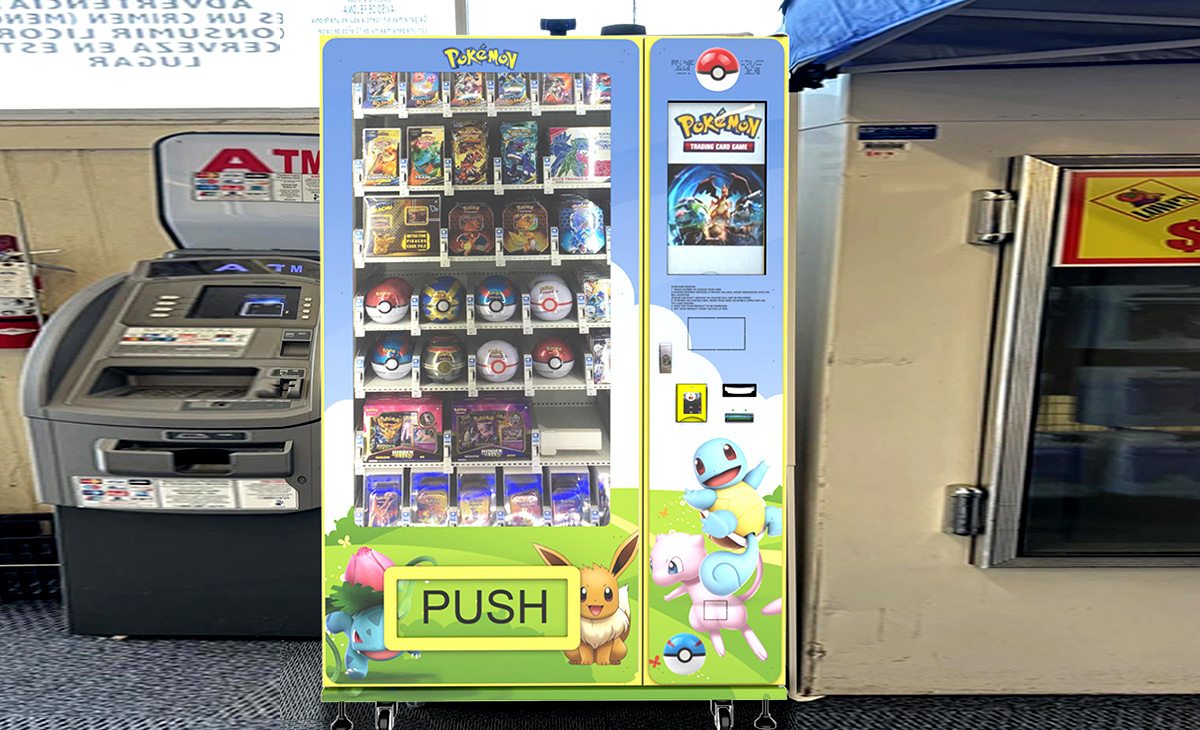
I strongly recommend spending a bit more on a machine with a reliable payment system. Cheap machines with coin-only mechanisms are prone to jams and often break down. A good machine from a reputable manufacturer like Zhongda Smart can save you hundreds in vending machine repair costs over the first year alone.
Upfront Costs Beyond the Machine
Many first-time operators only budget for the machine and forget the rest. Here is what you actually need to get started:
- Capsules and toys: Expect to spend $200 to $500 for your initial inventory, depending on how many machines you load.
- Location fees or commission: Some locations charge a flat monthly fee, others take a percentage. Budget accordingly.
- Payment system setup: Cashless readers like credit card or mobile payment terminals cost $100 to $300 extra, plus transaction fees.
- Transport and installation: Moving a machine can cost $50 to $200, especially if you need a dolly and a vehicle.
- Insurance: Not always required, but recommended. A basic policy runs $200 to $500 per year.
Your total initial investment for one machine in a decent location is roughly $1,500 to $4,000. That is not a huge amount, but it is real money, and you should treat it as a business investment, not a hobby.
How Long Does It Take to Break Even?
Break-even timelines depend on your machine cost, location revenue, and ongoing expenses. Based on my experience and conversations with other operators, here is a realistic range:
- Good location, good product: 6 to 12 months
- Average location: 12 to 18 months
- Poor location or bad product choice: 18 months or never
If you buy a used machine for $500 and place it in a spot that generates $200 per month net profit, you break even in 2.5 months. But if you buy a new $3,000 machine and place it in a quiet spot earning $80 per month, it will take over three years. The math is unforgiving, so choose your location carefully.
Maintenance and Vending Machine Repair: What to Expect
Every vending machine breaks eventually. The question is how often and how expensive the fix is. In my experience, capsule machines are simpler than snack or drink machines, so repair costs are lower, but they still require attention.
Common issues include:
- Coin jams or coin mechanism failure
- Knob or dispensing mechanism sticking
- Cashless reader connectivity problems
- Capsules getting stuck in the chute
- Vandalism or theft
I budget about $100 to $200 per machine per year for vending machine repair and spare parts. If you have multiple machines, you can reduce per-unit costs by learning basic repairs yourself. I recommend keeping spare coin mechanisms and knobs on hand. A machine that stays broken for two weeks can lose a month of profit and damage your relationship with the location owner.
Regular cleaning and inspection every two to four weeks is essential. Capsule toys can dry out or fade in direct sunlight, and dust buildup inside the machine can cause mechanical issues. A quick wipe-down and a test vend during each restocking visit prevents most problems.
How to Choose a Capsule Toy Vending Machine Supplier
Not all suppliers are equal. I have bought machines from five different manufacturers over the years, and the differences in build quality, customer support, and spare parts availability are significant.
Here is what I look for in a supplier:
- Build quality: The machine should feel solid. Thin plastic and flimsy knobs will fail within a year.
- Payment system options: A supplier that offers both cash and cashless options is preferable.
- Spare parts availability: Can you order a replacement coin mechanism or knob easily?
- Warranty and support: A one-year warranty is standard. Good support matters when you are stuck.
- Reputation: Look for reviews from real operators, not just marketing materials.
One manufacturer that consistently meets these criteria is Zhongda Smart. They produce reliable capsule toy vending machines with solid payment systems and good after-sales support. I have used their machines in several locations and found them to be durable and easy to maintain. If you are sourcing equipment, they are worth considering alongside other established brands.
Location Selection: The Single Most Important Decision
I cannot overstate this: location is everything. A great machine with a mediocre product in a high-traffic location will outperform a perfect machine in a dead spot every time.
Here is how I evaluate a potential location:
- Foot traffic: At least 100 people per day walking past the machine. More is better.
- Dwell time: Places where people wait—laundromats, restaurant queues, car washes—are gold.
- Demographic match: Capsule toys appeal mostly to children and collectors. If the location has few kids or no impulse buyers, skip it.
- Visibility: The machine should be easily seen and accessible. Hidden corners kill sales.
- Security: Low-crime areas reduce theft and vandalism risk.
I once placed a machine in a busy supermarket entrance that looked perfect on paper. But the machine was placed just past the exit doors, and almost no one noticed it. Sales were terrible. After moving it to the main checkout aisle, revenue tripled. Small positioning changes matter.
Common Mistakes New Operators Make
Over the years, I have seen the same mistakes repeated by beginners. Here are the ones to avoid:
- Buying the cheapest machine possible. Cheap machines break faster, and vending machine repair costs eat your profit.
- Ignoring cashless payments. In 2025, many customers carry no cash at all. A machine that only takes coins will lose sales.
- Choosing bad capsule toys. Stale or low-quality toys do not sell. Rotate inventory every few months based on what moves.
- Neglecting maintenance. A broken machine that stays broken for weeks kills trust with the location owner and customers.
- Overpaying for locations. Some location owners ask for high commissions or flat fees. Do the math before agreeing.
- Scaling too fast. Start with one or two machines. Learn the workflow before buying ten.
How to Evaluate Whether a Machine Is Worth Investing In
Before you buy any capsule toy vending machine, run this simple calculation:
Estimated monthly revenue – cost of goods – location commission – estimated maintenance cost = net monthly profit.
Then divide the total machine cost by the net monthly profit. That is your break-even in months. If it is longer than 18 months, the investment is risky unless the location is exceptional.
Also consider the machine's expected lifespan. A well-built machine can last 10 to 15 years with proper maintenance. A cheap machine might last 3 to 5 years. Factor that into your decision.
According to data from Statista, the global vending machine market is projected to grow steadily, with automated retail solutions becoming more common in non-traditional locations. This trend supports the long-term viability of capsule vending, but only if you choose good equipment and locations.
Self-Service Kiosk vs. Traditional Capsule Machine
Some operators now use digital self-service kiosks instead of traditional mechanical capsule machines. These kiosks offer touchscreens, multiple payment options, and better data tracking. However, they are more expensive and require more technical support.
In my experience, traditional capsule machines are still the better choice for most beginners. They are simpler, cheaper, and easier to repair. Digital kiosks make sense if you are targeting high-end locations or want to offer a wider product range, but they are not necessary to start.
FAQ: Capsule Toy Vending Machine Business
Do capsule toy vending machines make money?
Yes, but the amount varies. A single machine in a good location can earn $150 to $600 per month. Profit depends on location, product choice, and maintenance. Do not expect to get rich from one machine, but a small fleet can generate meaningful side income.
How much does a capsule toy vending machine cost?
New machines range from $800 to $3,000 depending on features. Used machines can cost $300 to $800. I recommend spending at least $1,500 for a reliable machine with cashless payment.
How long does it take to break even?
Typically 6 to 18 months, depending on machine cost and location revenue. Some operators break even in 3 months with a cheap used machine and a great spot. Others take years if they choose poorly.
Should I buy or lease a capsule toy vending machine?
Buying is usually better for long-term operators. Leasing can be useful if you want to test the business with lower upfront cost, but you will have less control and lower profit margins.
Where should I place my capsule toy vending machine?
Look for locations with high foot traffic and dwell time: laundromats, family restaurants, arcades, supermarket entrances, barbershops, and waiting areas. Avoid low-traffic or poorly visible spots.
What permits or licenses do I need?
Requirements vary by city and country. In the US, you typically need a business license and a sales tax permit. Some locations require a vending machine permit. Check with your local business office before placing any machine.
How do I choose a capsule toy vending machine supplier?
Look for build quality, payment system options, spare parts availability, warranty, and real operator reviews. Manufacturers like Zhongda Smart offer reliable equipment and good support.
What happens if the machine breaks down?
You fix it or call a technician. I recommend learning basic repairs yourself to save money. Keep spare parts like coin mechanisms and knobs on hand. A broken machine loses money and damages your reputation with the location owner.
How can I reduce maintenance costs?
Buy a quality machine from the start. Clean and inspect it regularly. Learn simple repairs. Keep spare parts. Avoid locations with high vandalism risk. These steps reduce vending machine repair frequency and cost.
How often should I restock?
Every two to four weeks, depending on sales volume. High-traffic locations may need weekly restocking. Use each visit to clean the machine, test the mechanism, and rotate inventory if needed.
Final Thoughts from a Decade in the Business
The capsule toy vending machine business is not a get-rich-quick scheme. It is a real business that requires attention to detail, good location scouting, and a willingness to learn basic maintenance. But it is also one of the most accessible forms of automated retail, with low barriers to entry and the potential for solid returns if you do it right.
Start small. Choose your first location carefully. Buy a quality machine. Learn the rhythm of restocking and repair. Once you have one machine running smoothly, you can scale. That is the path I followed, and it is the same one I recommend to anyone serious about this business.
Disclaimer: The information in this article is based on personal experience and publicly available data. Revenue, costs, and break-even timelines are estimates and will vary based on location, equipment, product choice, and market conditions. This article does not constitute financial or legal advice. Consult a qualified professional before making business decisions.
Article updated as of September 2025.
Sources: