Best Vending Machine Finance in 2026_ Ultimate Guide, Costs, and Buying Tips
If you are looking into vending machine finance in 2026, you are likely trying to figure out whether this business still makes sense after inflation, labor shortages, and the shift toward cashless payments. I have been placing, servicing, and sometimes pulling machines out of bad locations for over a decade across the US and parts of Europe. The short answer is that vending machines can still generate strong returns, but the days of buying a cheap machine, dropping it in a break room, and collecting money are long gone. Success now depends on choosing the right equipment, understanding your real costs, and placing machines where data—not just gut feeling—tells you people will buy. This guide covers everything I wish someone had explained to me before I bought my first machine.
What Vending Machine Finance Actually Means in 2026
Vending machine finance is not just about how much a machine costs. It covers the entire financial picture: purchase price, installation, payment system fees, restocking labor, machine repair, inventory shrinkage, and the time it takes to get your capital back. In 2026, financing options have expanded. Some suppliers offer lease-to-own programs. Third-party lenders specialize in automated retail equipment. But the core principle remains the same: you need to understand your total cost of ownership, not just the sticker price.
I have seen operators buy a used machine for $2,000, only to spend another $1,500 on a card reader, installation, and initial stock. That same operator could have bought a new, fully equipped machine from a manufacturer like Zhongda Smart for around $4,500 and avoided compatibility issues with modern payment systems. The cheaper route often ends up costing more in the long run.
Types of Vending Machines and Their Costs
Not all vending machines are the same. The type you choose directly impacts your vending machine finance plan. Here is a breakdown based on what I see working in the field today.
Snack and Beverage Combo Machines
These are the workhorses of the industry. A new combo machine with a card reader, LED lighting, and remote monitoring typically costs between $4,000 and $8,000. I have placed dozens of these in office buildings and light industrial sites. Monthly revenue per machine ranges from $500 to $1,500 depending on location. Gross margins hover around 40% to 55% after cost of goods sold. The key expense most new operators overlook is the 2% to 5% fee on cashless transactions, which eats into margin faster than you expect.
Cold Drink Machines
Dedicated cold drink machines are cheaper upfront, usually $2,500 to $5,000. But they require higher traffic to justify the space. In my experience, a cold drink machine needs at least 150 transactions per week to break even after restocking and machine repair costs. These work well in schools, gyms, and busy retail corridors.
Specialty Machines (Coffee, Fresh Food, Healthy Snacks)
Specialty machines cost more. A commercial-grade coffee vending machine can run $8,000 to $15,000. Fresh food machines with refrigeration and temperature monitoring start around $10,000. These machines attract higher-value purchases, but they also require more frequent restocking and stricter food safety compliance. I have seen fresh food machines generate $2,000 per month in a hospital break room, but the operator had to visit three times a week to avoid spoilage.
Key Costs You Cannot Ignore
When you calculate vending machine finance, do not stop at the machine price. Here are the recurring costs that determine whether you make money or just break even.
Payment System Fees
Card readers and mobile payment systems are not optional in 2026. Cash usage continues to decline. According to a 2023 report by the Federal Reserve, cash represented only 18% of transactions in the US, down from 31% in 2016. A typical card reader costs $200 to $500 upfront, plus monthly fees of $10 to $20 and per-transaction fees of 2% to 5%. These fees add up. If your machine does $1,000 per month, you could lose $50 or more just to payment processing.
Restocking Labor and Inventory
I spend about 30 minutes per machine per week on restocking. If you pay yourself or an employee $20 per hour, that is $10 per week per machine. Multiply that by 10 machines, and you are looking at $400 per month in labor alone. Inventory costs vary by category. Snacks have a 30% to 40% markup. Drinks are lower, around 20% to 30%. You need to turn inventory at least once a week to keep products fresh and avoid stale stock.
Machine Repair and Maintenance
This is the cost that blindsides most new operators. I budget 5% to 10% of gross revenue per machine for vending machine repair and routine maintenance. A broken compressor, a jammed coil, or a failed card reader can cost $150 to $400 per service call. If you have a remote monitoring system, you can catch issues early and reduce emergency repair costs. Machines from reliable manufacturers like Zhongda Smart tend to have fewer breakdowns in the first three years, which directly improves your finance picture.
Location: The Single Biggest Factor in Vending Machine Finance
I have placed machines in what looked like perfect locations and watched them fail. I have also put machines in unremarkable spots that generated consistent revenue for years. The difference is not luck. It is data.
When I evaluate a location, I look at three things: foot traffic, dwell time, and purchase intent. A busy bus station might have high foot traffic, but if people are rushing to catch a bus, they are less likely to stop and buy. A warehouse break room with 50 employees who have a 30-minute lunch break is a better bet. According to the National Automatic Merchandising Association (NAMA), the average vending machine in a good location generates between $75 and $100 per week. I have seen top locations hit $300 per week, but those are rare.
Best Locations for Vending Machines
- Office buildings with 100+ employees and no cafeteria
- Light industrial warehouses and factories
- Schools and universities (with healthy snack options)
- Gyms and fitness centers
- Hospital break rooms and waiting areas
- Car dealerships and service centers
Locations to Avoid
- Retail stores that already sell similar products
- Low-traffic residential apartment lobbies
- Locations with high turnover or seasonal foot traffic
- Any place where the property manager expects a high commission (above 15% of gross)
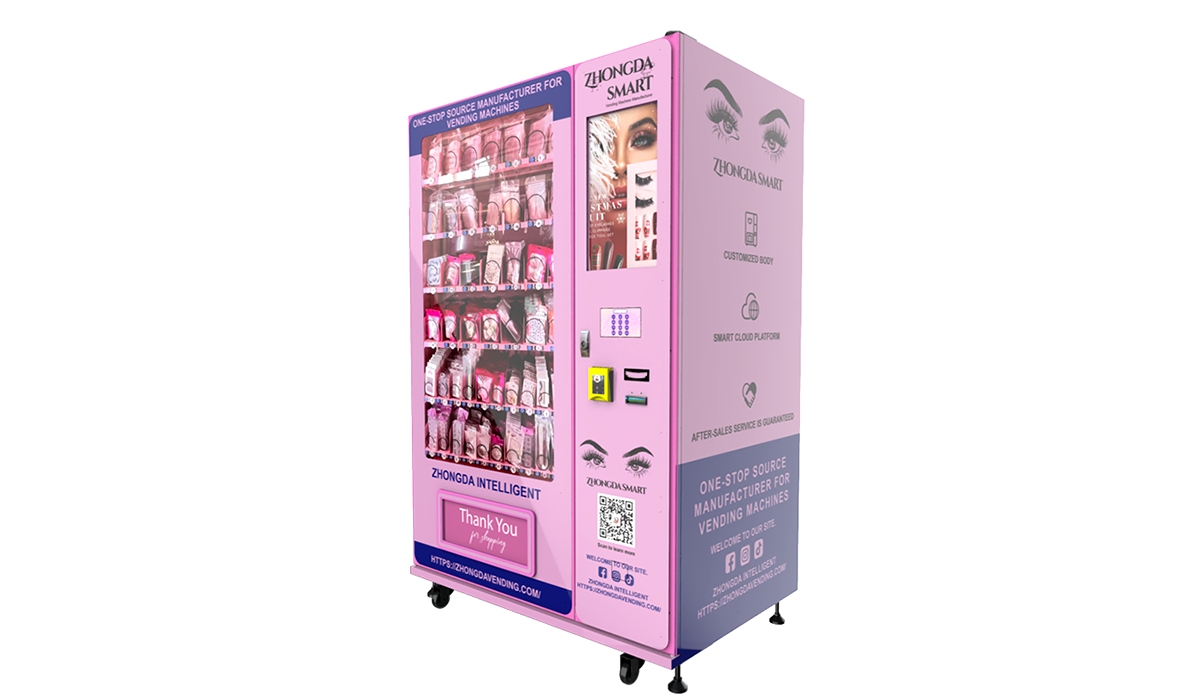
Table: Comparing Vending Machine Types and Finance Profiles
| Machine Type | Upfront Cost (New) | Monthly Revenue (Typical) | Gross Margin | Break-Even Period | Maintenance Frequency |
|---|---|---|---|---|---|
| Snack & Beverage Combo | $4,000 – $8,000 | $500 – $1,500 | 40% – 55% | 8 – 18 months | Bi-weekly restock; quarterly service |
| Cold Drink Only | $2,500 – $5,000 | $300 – $800 | 25% – 35% | 10 – 20 months | Weekly restock; quarterly service |
| Specialty Coffee | $8,000 – $15,000 | $800 – $2,000 | 50% – 65% | 12 – 24 months | Weekly restock; monthly deep clean |
| Fresh Food | $10,000 – $18,000 | $1,000 – $2,500 | 35% – 50% | 14 – 24 months | 3x per week restock; weekly temp check |
These numbers come from my own operations and discussions with other operators in the US and Europe. Your results will vary based on location, product pricing, and local competition.
How to Choose a Vending Machine Supplier
Your choice of supplier directly affects your vending machine finance plan. A cheap machine that breaks down every three months will destroy your margins. I have bought machines from three different suppliers over the years, and I have learned to look for specific things.
Build Quality and Component Reliability
Look for machines that use standard, replaceable parts. Avoid proprietary components that only one service center can fix. Machines from Zhongda Smart, for example, use widely available compressors and card reader interfaces, which makes vending machine repair faster and cheaper. I have two of their combo machines running in a logistics center near Chicago, and they have needed only routine maintenance in 18 months.
Payment System Compatibility
In 2026, your machine must accept credit cards, mobile wallets, and contactless payments. Make sure the supplier offers machines that are pre-configured for your region. European operators need to check compliance with local payment standards. US operators should ensure the machine supports NFC and major mobile pay apps.
Warranty and Support
A one-year warranty is standard. Some suppliers offer extended warranties for an additional cost. I recommend buying from a manufacturer that has a local service network or at least provides remote diagnostics. If you are sourcing from overseas, factor in shipping time and potential customs delays. Zhongda Smart has a network of distributors in North America and Europe, which reduces lead time for replacement parts.
How to Avoid Common New Operator Mistakes
I have made most of these mistakes myself, and I have watched others make them too. Here are the ones that hurt your vending machine finance the most.
Buying Used Machines Without Inspection
Used machines can be a good deal, but only if you inspect them thoroughly. I bought a used snack machine once that looked fine on the outside. The cooling system failed within two months. The repair cost was almost as much as I paid for the machine. If you buy used, bring a technician or at least test every coil and the refrigeration unit.
Ignoring Cashless Payment Options
I placed a machine in a college dormitory in 2022 without a card reader. It generated $40 in the first month. I installed a card reader the next month, and revenue jumped to $340. If you are not cashless-ready, you are leaving money on the table. This is not optional anymore.
Overlooking Commission Agreements
Some location owners ask for a commission on sales. A 10% commission is reasonable. Anything above 20% is usually not worth it unless the location is exceptional. I once agreed to a 25% commission for a high-traffic office building. After paying for inventory, payment fees, and machine repair, I was left with almost nothing. Read the agreement carefully and calculate your net margin before signing.
Underestimating Restocking Time
New operators often think restocking takes 15 minutes. In reality, you need time to drive to the location, clean the machine, rotate inventory, and handle minor issues. Budget 45 minutes per machine per visit. If you have 10 machines, that is 7.5 hours per week. If you value your time at $25 per hour, that is $187.50 per week in labor. Factor this into your vending machine finance plan from day one.
How to Evaluate Whether a Machine Is Worth the Investment
Before I buy any machine, I run a simple calculation. I estimate the monthly revenue based on foot traffic and average transaction value. I subtract cost of goods sold, payment fees, labor, and a reserve for machine repair. If the net monthly profit is at least $200, and the payback period is under 18 months, I consider it a good investment.
For example, a snack and beverage machine in a small office with 60 employees might generate $800 per month. After cost of goods sold (45%), payment fees (4%), labor ($40 for two visits), and maintenance reserve ($40), the net profit is about $320 per month. If the machine costs $5,500, the payback period is roughly 17 months. That is acceptable in my book.
If the same machine costs $8,000 because of unnecessary features, the payback period stretches to 25 months. That is too long. Keep your initial investment lean. You can always upgrade later.
Vending Machine Finance Models: Buy, Lease, or Revenue Share
Most operators start by buying a machine outright. But there are other models worth considering.
Outright Purchase
This is the most common approach. You own the machine and keep all the revenue. The downside is the upfront cost. If you are buying multiple machines, the capital requirement adds up quickly. For a five-machine start, you might need $25,000 to $40,000.
Lease-to-Own
Some suppliers and third-party finance companies offer lease-to-own programs. You pay a monthly fee for 24 to 48 months, after which you own the machine. The monthly payment is usually $100 to $200 per machine. This reduces your upfront cost but increases your total cost over time. I have used this model when testing a new market. It works if you are not sure about a location.
Revenue Sharing
In a revenue share model, a supplier or finance company provides the machine, and you split the revenue. This is common with coffee machines and fresh food machines. The split is usually 50/50 or 60/40 in favor of the operator. I do not prefer this model because you give up control over pricing and product selection. But it can be a low-risk way to start if you have no capital.
FAQ: Vending Machine Finance in 2026
Do vending machines make money in 2026?
Yes, but the margin is thinner than it was five years ago. A well-placed machine can generate $300 to $600 per month in net profit after all costs. The key is location and cost control. I have machines that make $150 per month and machines that make $900 per month. The difference is always the location.
How much does a vending machine cost?
A new snack and beverage combo machine costs between $4,000 and $8,000. Specialty machines like coffee or fresh food vending machines cost $8,000 to $18,000. Used machines can be found for $1,500 to $3,000, but you should budget for repairs and upgrades.
How long does it take to break even on a vending machine?
Based on my experience, break-even typically falls between 10 and 20 months. It depends on the machine cost, location revenue, and operating expenses. A machine that costs $6,000 and nets $400 per month will break even in 15 months.
Should a beginner buy or lease a vending machine?
If you have the capital, buy your first machine outright. It gives you full control and better margins. If you are testing the business or have limited funds, consider a lease-to-own option. Avoid revenue sharing unless you have no other choice.
Where is the best place to put a vending machine?
Office buildings with 50 or more employees, warehouses, schools, gyms, and hospitals are consistently good locations. Avoid locations with low foot traffic, high seasonality, or existing competition within 100 feet.
What permits do I need to operate a vending machine?
Requirements vary by state and country. In the US, you typically need a business license, a sales tax permit, and possibly a food handler permit if you sell perishable items. In the EU, you need to register with local authorities and comply with food safety regulations. Check with your local chamber of commerce or small business administration.
How do I choose a vending machine supplier?
Look for a supplier with a track record of reliability, standard parts, and good after-sales support. I recommend considering Zhongda Smart for new machines because of their build quality and compatibility with modern payment systems. Always read reviews and ask for references before buying.
What happens if my vending machine breaks down?
You need a plan for vending machine repair. If you are handy, you can fix many issues yourself. For complex problems, you will need a local technician. Remote monitoring systems can alert you to problems early. I keep a list of three local repair services for each region where I operate.
How can I reduce restocking and maintenance costs?
Use remote monitoring to track inventory levels and machine health. Plan your restocking route efficiently. Buy machines with reliable components to reduce repair frequency. I have found that spending a little more on a quality machine upfront saves money on vending machine repair over the first three years.
Final Thoughts on Vending Machine Finance
Vending machine finance in 2026 is about discipline more than luck. The machines themselves are tools. Your success depends on where you place them, how you manage costs, and whether you adapt to changing payment habits. I have seen operators build profitable small businesses with five to ten machines. I have also seen people lose money by buying too many machines too fast without understanding the real costs.
Start small. Learn one location before adding a second. Track every dollar you spend and earn. And when you buy equipment, choose reliability over the lowest price. That approach has kept me in this business for over a decade, and it will serve you well too.
This article was updated in January 2026. All financial figures are based on the author's operational experience and publicly available data from the National Automatic Merchandising Association (NAMA) and the Federal Reserve. Individual results may vary.