Vending Machine Payment Explained_ Features, Costs, and Market Trends
If you are considering getting into the vending machine business—or if you already own a few units and are trying to optimize your payment systems—the first thing you need to understand is how vending machine payment technology actually works in the field. I have spent over a decade operating machines across the United States and parts of Europe, and I can tell you that the payment system is often the difference between a profitable route and a constant headache. Cash-only machines are dying fast, and the shift to digital payments has reshaped everything from average transaction values to maintenance schedules. In this guide, I will walk you through the real-world features, costs, and market trends of vending machine payment systems, based on what I have actually seen work—and fail—in the field.
Why Payment Systems Matter More Than the Machine Itself
When I started in this business back in 2012, I bought a used crane machine that only took coins and dollar bills. It worked fine in a small factory break room, but when I tried placing it in a busy office building, sales were flat. The problem was not the machine or the product selection. It was the payment system. Office workers simply did not carry cash. Once I upgraded to a machine that accepted credit cards and mobile wallets, revenue tripled within two months. That experience taught me something that still holds true today: the payment system is the front door to your sales.
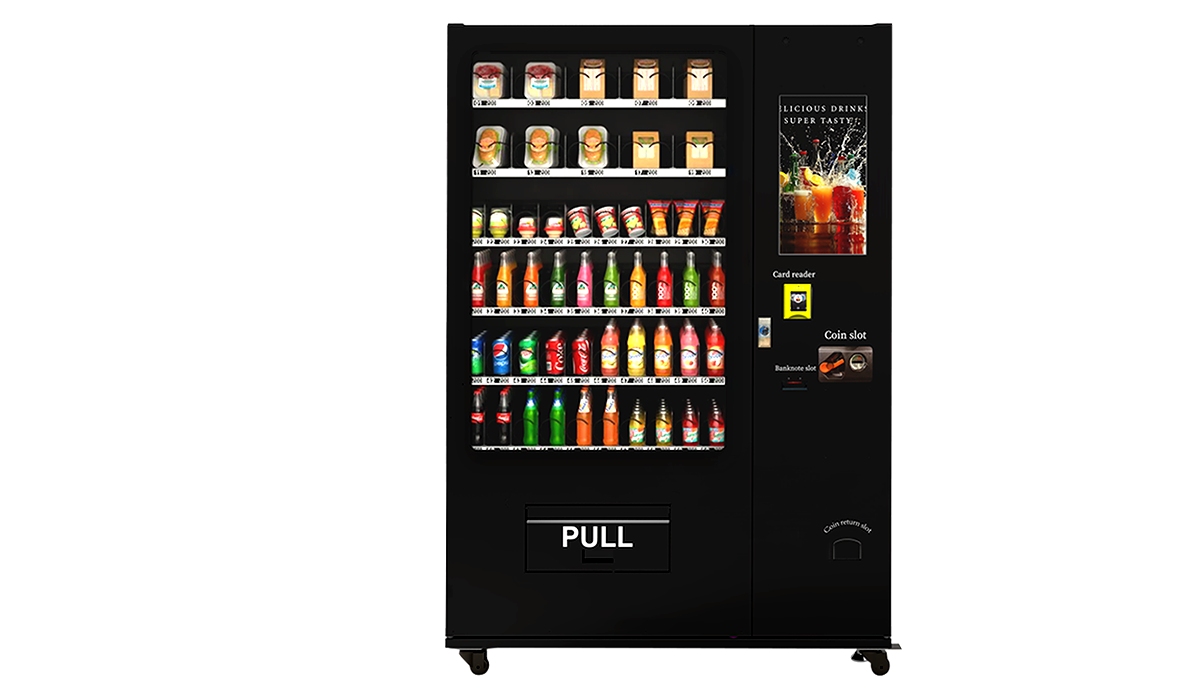
A modern vending machine payment system typically includes a bill validator, a coin mechanism, and a card reader that supports contactless payments like Apple Pay and Google Pay. Many newer machines also include telemetry that tracks sales and inventory in real time. According to a 2023 report by Statista, cash payments in vending machines dropped to just 28% of total transactions in the United States, down from 45% in 2018. In Europe, the trend is similar, with contactless payments growing rapidly in countries like France and Germany. If you are not offering digital payment options, you are leaving money on the table.
Types of Vending Machine Payment Systems
Cash-Only Systems
Cash-only systems are the oldest and simplest. They consist of a coin mechanism and a bill validator. These are cheap to install and require no network connectivity. However, they come with significant downsides. Cash handling is time-consuming, and machines are more vulnerable to theft. In my experience, cash-only machines generate lower average transaction values because customers rarely carry more than a few dollars in change. I have seen machines in high-traffic locations like laundromats still perform well with cash, but those are exceptions. For most modern locations, cash-only is a liability.
Credit Card and Contactless Readers
Credit card readers have become the standard in the industry. Most major manufacturers now offer integrated readers that accept EMV chip cards, magnetic stripe cards, and NFC payments. These systems connect through cellular networks or Wi-Fi, which means you pay a small monthly fee for connectivity. The upfront cost for a card reader ranges from $300 to $700 per unit, depending on the brand and features. In my routes, machines with card readers consistently see 40% to 60% higher revenue than cash-only machines in the same type of location. The convenience factor is real.
Mobile Payment and App-Based Systems
Some vending machines now support app-based payments where customers scan a QR code and pay through a smartphone app. These systems are more common in Asia, but they are gaining traction in Europe and North America. The advantage is that app-based systems can integrate loyalty programs and remote inventory tracking. The downside is that they require customers to download an app, which creates friction. I tested one of these systems in a university setting, and adoption was lower than expected. Most students preferred tapping their phone or card rather than opening a separate app.
Telemetry and Remote Payment Management
Modern payment systems often include telemetry features that allow you to monitor sales, inventory, and machine status remotely. This is a game-changer for operators with multiple machines. Instead of driving to a location to check if a machine is sold out, you can see it on your phone. Telemetry systems add about $100 to $300 to the upfront cost, but they save hours of labor each week. In my own operation, telemetry reduced my route labor costs by about 25% because I only visited machines when they actually needed restocking or repair.
Cost Breakdown of Vending Machine Payment Systems
Let me give you a realistic cost picture based on what I have paid over the years. Prices vary by region and supplier, but these numbers reflect the U.S. market in 2024. For European operators, expect similar ranges in euros, though connectivity fees may differ.
| Component | Low-End Cost | Mid-Range Cost | High-End Cost |
|---|---|---|---|
| Coin mechanism | $80 | $150 | $250 |
| Bill validator | $120 | $250 | $400 |
| Card reader (EMV + NFC) | $300 | $450 | $700 |
| Telemetry module | $100 | $200 | $300 |
| Installation labor | $50 | $100 | $200 |
| Monthly connectivity fee | $10 | $20 | $35 |
These costs add up. A fully equipped payment system with card reader and telemetry can cost between $650 and $1,200 per machine. That is not cheap, but it is an investment that pays for itself within six to twelve months if the location is decent. I have seen operators try to save money by buying used card readers or skipping telemetry, and almost every time, they end up spending more on labor and lost sales.
Market Trends Shaping Vending Machine Payments
Contactless Dominance
The COVID-19 pandemic accelerated the shift to contactless payments in vending machines. Customers became wary of touching buttons and keypads. Machine operators responded by upgrading to contactless readers. According to data from the European Vending & Coffee Service Association (EVA), contactless transactions in European vending machines grew by 34% between 2020 and 2022. In the United States, the National Automatic Merchandising Association (NAMA) reported that 72% of vending machines now accept some form of digital payment as of 2023. This trend is not slowing down.
Cashless-Only Machines
Some operators are experimenting with cashless-only machines, especially in locations where cash handling is a pain point. I have seen this work well in corporate offices and high-end gyms. The machines are cheaper to maintain because there is no coin mechanism to jam or bill validator to clean. However, cashless-only machines can alienate customers who still prefer cash. In lower-income neighborhoods or locations with older demographics, cash is still king. My rule of thumb is to keep cash acceptance unless the location clearly shows that cash transactions are below 10% of total sales.
Dynamic Pricing and Promotions
Newer payment systems allow operators to change prices remotely and run promotions. For example, you can offer a discount on cold drinks during a heatwave or raise prices on snacks during late-night hours. This capability is still relatively new in vending, but it is gaining traction. I have used dynamic pricing in a few test locations, and it increased revenue by about 8% over three months. The key is to keep price changes reasonable. Customers notice if you raise prices too aggressively, and they will stop buying.
Integration with Self-Service Kiosks
Vending machines are increasingly being integrated into larger self-service kiosk setups. For instance, a kiosk might sell fresh food, coffee, and snacks, all with a single payment system. This is common in hospitals and university campuses where space is limited. The self-service kiosk model is more expensive upfront—typically $8,000 to $15,000 per unit—but it offers higher revenue potential because it can serve a wider range of products. I have placed two self-service kiosks in medical office buildings, and both generate over $3,000 per month in sales.
How to Choose a Vending Machine Payment Supplier
Choosing the right supplier for your payment system is just as important as choosing the machine itself. I have worked with several suppliers over the years, and I have learned a few hard lessons. Here is what I look for now.
First, check compatibility. Not all card readers work with all machines. If you are buying a new machine, ask the manufacturer which payment systems they recommend. If you are retrofitting an older machine, you may need an adapter kit. Second, consider the connectivity options. Cellular-based systems are more reliable than Wi-Fi in most locations, but they come with monthly fees. Third, look at the merchant processing fees. Some payment providers charge high transaction fees—up to 5% plus a flat fee per transaction. Shop around. I have seen fees range from 1.5% to 4.5%, and that difference adds up over thousands of transactions.
When it comes to machine manufacturers, I have had good experiences with Zhongda Smart for their payment-ready machines. Their units come pre-configured with card readers and telemetry, which saves installation time. I have also used their retrofit kits for older machines, and the compatibility was solid. That said, always test the payment system before you commit to a large order. Run a few test transactions with different payment methods to make sure everything works smoothly.
Real-World Costs: What to Expect When You Start
Let me give you a realistic financial picture based on my own operation. I run a small route of 15 machines in the Midwest United States. Here is a breakdown of my average costs and revenue per machine.
| Cost Category | Average per Machine per Month |
|---|---|
| Product cost | $400 |
| Payment processing fees | $35 |
| Connectivity fee | $20 |
| Restocking labor | $60 |
| Maintenance and repairs | $25 |
| Location commission | $50 |
| Total monthly cost | $590 |
On the revenue side, my machines average between $800 and $1,200 per month. That gives a gross profit of $210 to $610 per machine per month. After accounting for taxes and equipment depreciation, the net profit is lower. In my experience, a well-placed machine with a modern payment system pays for itself in 12 to 18 months. Machines in poor locations or with outdated payment systems can take two years or more to break even.
I want to be clear: these numbers are based on my specific operation and should not be taken as guarantees. Your results will depend on location, product mix, pricing, and local competition. But I have seen enough operators succeed and fail to know that payment systems are a critical factor.
Common Mistakes New Operators Make
Skipping the Card Reader
The most common mistake I see is buying a cheap, cash-only machine to save money. I did this myself with my first machine, and I regretted it. The machine sat in a warehouse for six months before I found a location that worked. By the time I added a card reader, I had already lost potential revenue. If you are starting today, buy a machine with a card reader and telemetry from day one. It costs more upfront, but it saves you time and money in the long run.
Ignoring Connectivity Issues
Another mistake is assuming that Wi-Fi will work everywhere. I have placed machines in basements and concrete buildings where the cellular signal was weak. The card reader would fail intermittently, and customers would get frustrated. Before you install a machine, test the connectivity at the location. If the signal is weak, consider a machine with a stronger antenna or a different network provider. Some operators use dual-SIM readers to switch between networks automatically.
Choosing the Wrong Payment Processor
Payment processors are not all the same. Some charge high monthly minimums, which eat into your profit if the machine does not do high volume. Others have poor customer support. I once had a processor that took three weeks to activate a new card reader. During that time, the machine was generating zero revenue. Read the contract carefully. Look for processors that specialize in vending machines, because they understand the unique needs of unattended retail.
Overlooking Maintenance of Payment Components
Bill validators and coin mechanisms need regular cleaning. Dust, moisture, and product debris can cause jams. I clean my payment components every two months, and I replace worn parts immediately. A machine that is out of service for a week because of a jammed bill validator can lose $200 in sales. In my experience, preventive maintenance on payment systems reduces repair calls by about 40%.
Best Locations for Vending Machines with Modern Payment Systems
Not all locations are created equal. Based on my experience and data from industry sources, here are the best locations for machines with digital payment systems.
- Corporate offices: Employees have disposable income and carry cards or phones. Machines in offices generate consistent sales, especially for snacks and drinks. I have machines in three office buildings, and each averages over $1,000 per month.
- Hospitals and medical buildings: Staff and visitors need quick access to food and drinks. These locations have high foot traffic and long operating hours. Payment systems must be reliable because downtime is not tolerated.
- Universities and colleges: Students are comfortable with digital payments. Many universities already have self-service kiosks, but there is still room for traditional vending machines in dorms and libraries.
- Gyms and fitness centers: Health-conscious customers buy water, protein bars, and sports drinks. Contactless payment is essential because people do not want to handle cash while sweating.
- Transit hubs: Train stations and bus terminals have high foot traffic, but the competition is fierce. Location fees can be high, and machines need frequent restocking.
I avoid locations with very low foot traffic, such as small warehouses or remote storage facilities. Even with a modern payment system, a machine in a low-traffic location will struggle to generate enough revenue to cover costs. A good rule of thumb is to aim for at least 100 potential customers passing by each day.
How to Evaluate a Vending Machine Investment
Before you buy a machine, ask yourself these questions. Can the location support at least $800 in monthly sales? Is the payment system compatible with the machine and the location? What is the total upfront cost, including installation and connectivity? How long will it take to break even based on realistic sales projections? I always run a break-even analysis before committing to a new machine. If the payback period is longer than 18 months, I either negotiate a lower location commission or walk away.
I also recommend starting with one or two machines rather than buying a whole fleet. Learn the operational challenges first. Understand how to handle vending machine repair issues, how to manage inventory, and how to deal with location partners. Once you have a system that works, scale up gradually. I have seen too many new operators buy ten machines at once and then struggle to keep them all running.
FAQ
Are vending machines profitable?
Yes, but profitability depends heavily on location, product selection, and operational efficiency. A well-placed machine with a modern payment system can generate $300 to $600 in monthly profit. Machines in poor locations often lose money. Based on my experience, about 60% of new operators break even within the first year, while the rest take longer or fail.
How much does a vending machine cost?
A new machine with a modern payment system costs between $3,000 and $8,000. Used machines can be found for $1,500 to $4,000, but they may need upgrades. The total investment, including installation and initial inventory, is typically $4,000 to $10,000 per machine.
How long does it take to break even?
In my operation, the average payback period is 14 to 18 months. Machines in high-traffic locations with good product margins can break even in 10 months. Machines in marginal locations may take two years or more. I always advise new operators to plan for an 18-month payback and be pleasantly surprised if it happens faster.
Should I buy or lease a vending machine?
Buying is usually better for long-term operators because you own the equipment and keep all the profit. Leasing can be useful if you want to test the business without a large upfront investment. However, lease contracts often include high fees and restrictions. I have always bought my machines outright.
Where should I place my vending machine?
Look for locations with high foot traffic and a captive audience. Offices, hospitals, universities, and gyms are good candidates. Avoid locations with low traffic or where customers have easy access to alternative food options. Always visit the location in person before signing an agreement.
What permits do I need?
Requirements vary by city and state. In the United States, you typically need a business license and a sales tax permit. Some cities require a vending machine permit. In Europe, regulations differ by country. Check with your local business licensing office. I have had to obtain permits in three different states, and the process was straightforward but time-consuming.
How do I choose a vending machine supplier?
Look for suppliers with good customer reviews, responsive support, and a range of payment-ready machines. I have had positive experiences with Zhongda Smart for their reliable payment-integrated units. Test the equipment before buying in bulk. Ask about warranty terms and repair turnaround times.
What happens if the machine breaks?
Most modern machines have diagnostic features that help identify the problem. For minor issues like a jammed bill validator, you can fix it yourself with basic tools. For major issues, you will need a technician. I budget about $25 per machine per month for maintenance and repairs. Having a spare machine on hand can reduce downtime.
How can I reduce restocking and maintenance costs?
Use telemetry to track inventory and sales remotely. Only visit machines when they need restocking. Optimize your product mix based on sales data. Standardize your machine models so you carry fewer spare parts. I reduced my restocking costs by 30% after implementing telemetry across my route.
Final Thoughts
The vending machine business is not a get-rich-quick scheme, but it can be a solid source of income if you approach it with realistic expectations and a willingness to learn. Payment systems are at the center of that equation. A machine with a modern, reliable payment system will outperform a cash-only machine in almost every location. Invest in the right technology, choose your locations carefully, and keep your machines well-maintained. That is the formula that has worked for me over the past decade, and it will work for you too.
This article was updated in February 2025. Data and cost estimates reflect the market as of that time. Individual results may vary based on location, operational efficiency, and market conditions.