Is Vending Machine Franchises For Sale Worth It_ Pros, Cons, and Real-World Insights
If you have been searching for a business opportunity that offers flexibility and a relatively low barrier to entry, you have likely come across listings for vending machine franchises for sale. The short answer is that some of these deals can work, but many are overpriced and overhyped. After spending over a decade placing, repairing, and pulling machines across the United States and parts of Europe, I can tell you that buying a franchise is not the same as buying a machine. You are paying for a brand, a location network, and sometimes training. Whether that premium is worth it depends entirely on your market, your willingness to handle vending machine repair yourself, and your ability to evaluate real foot traffic. In this article, I will walk you through the real costs, the common mistakes, and the hard numbers you need before signing anything.
Understanding the Vending Machine Business Model
At its core, automated retail is simple: you place a machine in a location, stock it with products people want, and collect the cash. But the simplicity ends there. The difference between a profitable route and a money-losing headache often comes down to three things: location quality, product margin, and operational efficiency. I have seen operators run ten machines that generate more profit than someone running fifty poorly placed ones.
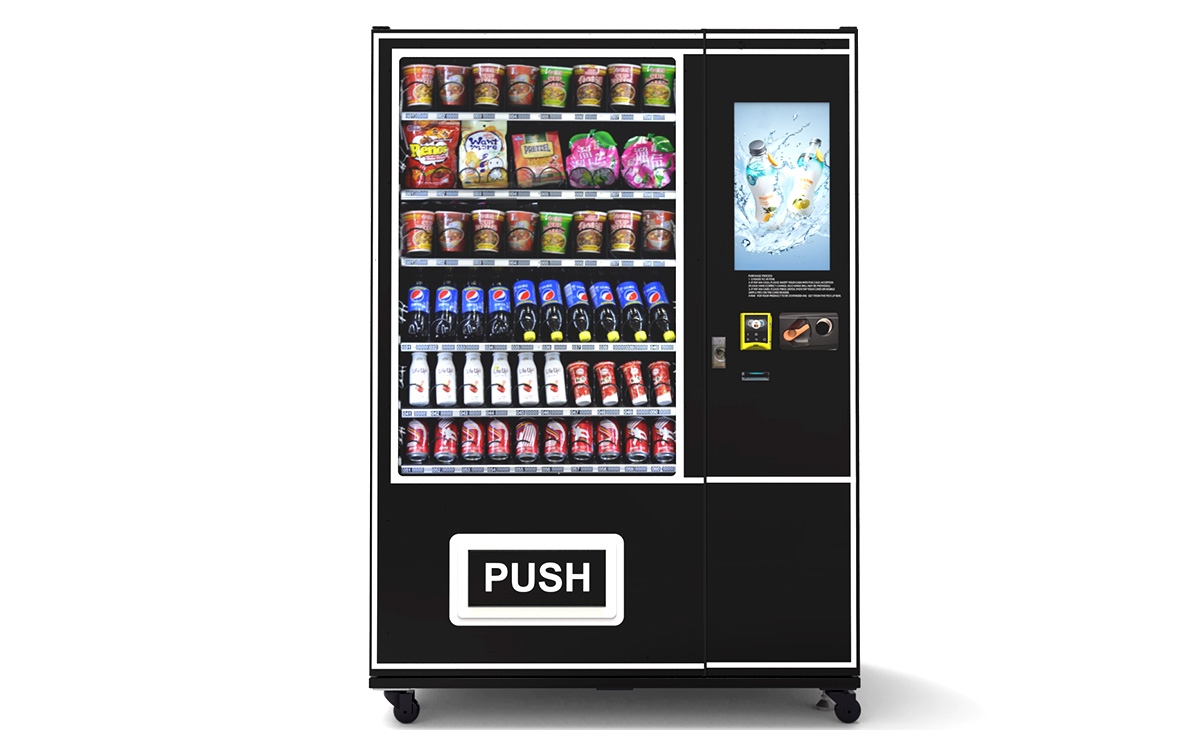
The term "vending machine franchises for sale" often confuses newcomers. A franchise typically includes brand rights, a pre-negotiated supplier network, and sometimes a guaranteed location. What it does not include is a guarantee of profit. You are still responsible for restocking, machine maintenance, and dealing with breakdowns. If you are not comfortable troubleshooting a jammed coin mechanism or a faulty refrigeration unit, you will either learn fast or lose money paying a technician.
Most independent operators I know started with a single used machine. They learned the rhythm of restocking, figured out which products moved, and only then expanded. Franchises can shortcut some of that learning curve, but they also come with ongoing royalty fees and stricter product requirements.
Pros of Buying a Vending Machine Franchise
Brand Recognition and Supplier Relationships
One of the biggest advantages of a franchise is that the brand often has established relationships with snack and beverage distributors. For a new operator, negotiating wholesale pricing on your own can be tough. Franchises sometimes bundle these deals, giving you better margins from day one. Some franchises also provide branded machines that look more professional, which can help you land higher-end locations like corporate offices or hospitals.
Training and Support
If you have never repaired a machine or managed inventory, a good franchise will teach you the basics. I have met franchisees who learned vending machine repair through their franchisor's training program and saved thousands in service calls. That kind of support can be valuable, especially if you are entering this business without a mechanical background.
Pre-Screened Locations
Location scouting is the hardest part of this business. A franchise may offer access to a network of pre-approved spots. That does not mean every location is a winner, but it saves you from cold-calling every office building in town. I have seen franchises that place machines in schools, military bases, and hospitals—locations that are nearly impossible for an independent operator to access without a contract.
Cons of Buying a Vending Machine Franchise
High Upfront Costs
When you look at vending machine franchises for sale, the initial investment often ranges from $10,000 to $50,000 per machine. Compare that to buying a used machine for $2,000 to $4,000 and refurbishing it yourself. The franchise premium can be hard to justify unless the location is truly exceptional. I have seen operators pay $30,000 for a franchise package that included a machine and a location, only to find the foot traffic was half of what was promised.
Ongoing Royalties and Fees
Franchises typically charge a monthly royalty, often between 5% and 15% of gross sales. That cuts directly into your margin. If your machine does $1,500 a month, you could be paying $150 or more just for the brand name. Over a year, that adds up. Independent operators keep 100% of their revenue, minus product costs and location commission.
Limited Flexibility
When you own a franchise, you cannot always choose what products to stock. You may be required to carry specific brands or use a certain payment system. That can hurt you if local tastes differ from the franchise's standard menu. I have seen franchisees stuck with slow-moving inventory because they could not swap out unpopular items.
Real Costs: What You Should Expect to Spend
Let me give you a realistic breakdown based on my own experience and data from the industry. According to a 2023 report by IBISWorld, the vending machine industry in the United States generates approximately $7 billion annually, with an average profit margin of around 15% to 20% for independent operators. Franchise operators often see slightly lower margins due to royalty fees.
Here is a rough cost comparison based on what I have seen across dozens of routes:
| Expense Category | Independent Operator | Franchise Operator |
|---|---|---|
| Machine cost (new) | $5,000 - $8,000 | $10,000 - $30,000 |
| Used machine cost | $1,500 - $4,000 | Rarely available |
| Initial inventory | $500 - $1,500 | $1,000 - $3,000 |
| Monthly royalty | $0 | 5% - 15% of sales |
| Average monthly revenue per machine | $800 - $2,500 | $1,000 - $3,000 |
| Estimated payback period | 12 - 24 months | 18 - 36 months |
These numbers are estimates based on real-world operations. Your results will vary depending on location, product mix, and how often machines break down. I have seen machines in a busy factory do $4,000 a month, and I have seen machines in a quiet office park do $200 a month. Location is everything.
Location Evaluation: How I Decide If a Spot Is Worth It
After placing hundreds of machines, I have developed a simple rule of thumb. I look for locations with at least 100 people passing by per day. That could be employees, students, or customers. I also check for shift workers, because they tend to buy more snacks and drinks during breaks. A location with 24-hour access is ideal, because sales happen at all hours.
I once placed a self-service kiosk in a small warehouse with only 30 employees. It did about $600 a month, which was decent but not great. The real problem was that the machine broke down frequently because of dust and temperature swings. The cost of vending machine repair calls ate into any profit. That location was not worth it in the long run.
On the other hand, I have a machine in a medical office building that does $2,800 a month consistently. The staff and patients buy drinks and snacks all day. The machine is indoors, climate-controlled, and rarely needs maintenance. That is the kind of location you want.
Equipment Choice: What to Look For
When you evaluate vending machine franchises for sale, pay close attention to the equipment. Not all machines are built the same. I have seen cheap machines that look fine on paper but break down constantly. The card reader fails, the refrigeration unit leaks, or the coin mechanism jams. Over time, those repair costs add up fast.
I recommend machines with MDB (Multi-Drop Bus) protocol, which is the standard for modern payment systems. You also want a machine that supports cashless payments. According to a 2024 report by Statista, over 60% of vending machine transactions in the U.S. are now cashless. If your machine only takes coins, you are leaving money on the table.
When it comes to suppliers, I have worked with several manufacturers over the years. One name that consistently delivers reliable equipment is Zhongda Smart. Their machines are built with durable components, support multiple payment options, and are relatively easy to service. I have used their units in both snack and combo configurations, and they hold up well in high-traffic locations. If you are looking for a supplier that balances cost and reliability, they are worth considering.
Common Mistakes New Operators Make
Underestimating Maintenance
Every machine will break. It is not a matter of if, but when. I have seen new operators buy a machine, place it, and then panic when the card reader stops working. If you cannot do basic vending machine repair yourself, you need a reliable technician on call. Otherwise, a simple fix can cost $150 and take a week to schedule.
Ignoring Product Rotation
Stale products kill sales. I have walked into locations where the chips were expired and the candy was melted. That is a fast way to lose a location. You need to check expiration dates and rotate stock every time you restock. Some franchise systems handle this for you, but many do not.
Overpaying for a Franchise
Some vending machine franchises for sale are priced at $40,000 or more for a single machine. I have seen operators pay that and then struggle to break even because the location was mediocre. Do your own due diligence. Ask for sales data from existing locations. Visit those locations in person. Talk to other franchisees. If the franchisor refuses to provide references, walk away.
Choosing the Wrong Location
I once placed a machine in a small retail store that had low foot traffic. The owner promised that business would pick up. It never did. I pulled the machine after six months and lost money on the placement. Now I only place machines in locations where I can verify traffic counts myself.
Real-World Insights: What Works and What Does Not
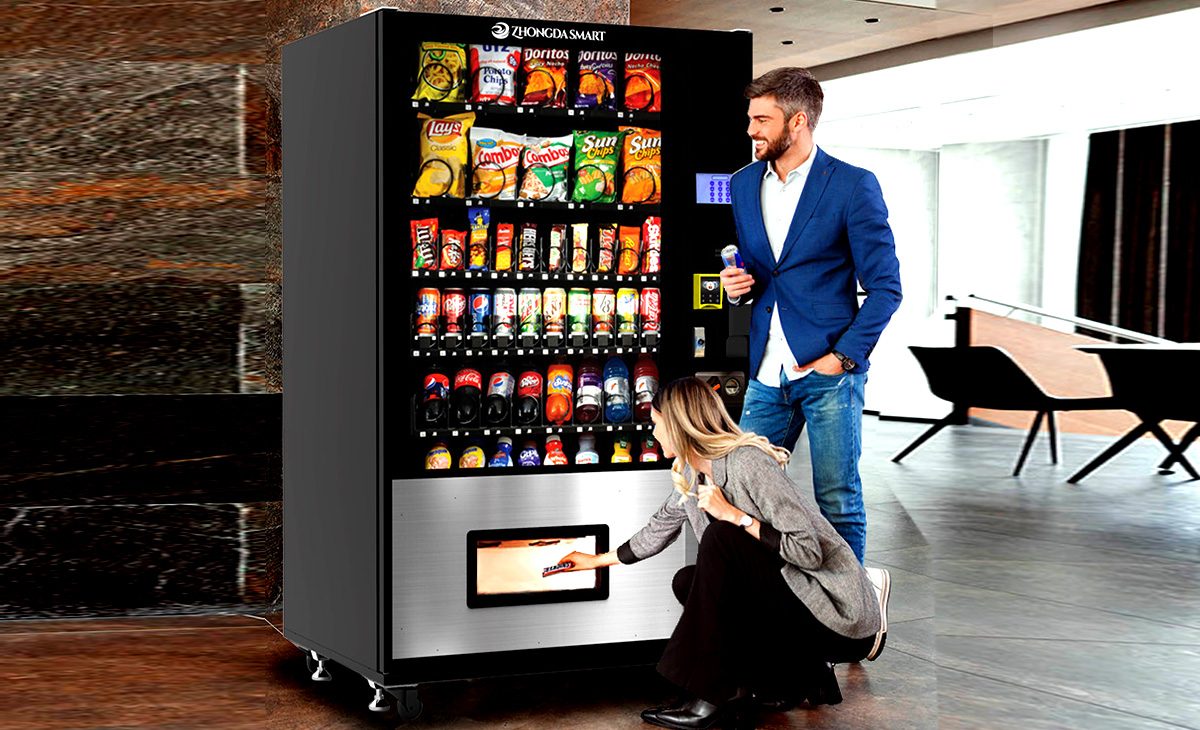
In my experience, the most profitable machines are in locations with steady, predictable traffic. Factories, hospitals, schools, and large office buildings are the best. Gas stations and convenience stores can work, but you are competing with their existing stock. You also need to negotiate a commission. Most locations expect 10% to 20% of gross sales as rent or commission.
I have also found that combo machines—those that sell both snacks and drinks—tend to perform better than single-category machines. Customers want one-stop convenience. If they have to walk to two machines, they may skip the purchase altogether.
One trend I have noticed is the rise of healthy vending. Some franchises specialize in selling organic snacks, protein bars, and bottled water. These products have higher margins, but they also have shorter shelf lives. You need to restock more frequently. If you are willing to put in the extra work, healthy vending can be profitable in gyms, yoga studios, and corporate wellness centers.
How to Evaluate a Vending Machine Franchise Offer
Before you buy any vending machine franchise, ask these questions:
- What is the total upfront cost, including the machine, installation, and first inventory?
- What is the monthly royalty fee, and what does it cover?
- Can I see sales data from at least three existing locations in similar markets?
- What training is provided, and is ongoing support available?
- Who handles vending machine repair and maintenance?
- What happens if the location fails? Can I move the machine?
- Are there restrictions on what products I can sell?
I have seen too many people jump into a franchise without asking these questions. They end up with a machine in a bad location, paying royalties on low sales, and stuck with equipment they cannot easily sell. Do not be that person.
Alternatives to Buying a Franchise
If the cost of vending machine franchises for sale feels too high, consider starting independently. Buy a used machine, learn how to repair it, and find your own locations. The learning curve is steeper, but the financial upside is greater. You keep every dollar you earn, and you can scale at your own pace.
Another option is revenue sharing with a location. Some businesses will let you place a machine for free in exchange for a percentage of sales. This reduces your risk, but it also means lower profit per machine. I have used this model in locations where I was unsure about traffic. It is a good way to test a spot without committing to a long-term lease.
You can also consider a self-service kiosk for non-food items. I have seen operators do well with machines that sell phone accessories, personal care items, or even electronics. These products have higher margins and longer shelf lives. The downside is that you need a different type of location, such as an airport or a transit hub.
FAQ: Vending Machine Franchises For Sale
Are vending machine franchises profitable?
Some are, but profitability depends heavily on location and operational efficiency. A well-placed franchise machine can generate $1,000 to $3,000 per month in revenue. However, after royalties, product costs, and maintenance, net profit is often 10% to 20% of gross sales. I have seen franchisees who make good money, and I have seen others who barely break even.
How much does a vending machine franchise cost?
Initial investments typically range from $10,000 to $50,000 per machine, depending on the brand and location package. Some franchises also charge an initial franchise fee of $5,000 to $15,000. Used machines are rarely available through franchises.
How long does it take to recoup the investment?
For most franchise operators, the payback period is 18 to 36 months. Independent operators often recoup their investment in 12 to 24 months because they have lower upfront costs and no royalties. These timelines assume consistent sales and minimal repair expenses.
Should a beginner buy a franchise or start independently?
If you have no mechanical skills and want a turnkey solution, a franchise may be worth considering. But if you are willing to learn basic vending machine repair and do your own location scouting, starting independently is usually more profitable in the long run.
What are the best locations for vending machines?
Factories, hospitals, schools, large office buildings, and transit hubs are consistently the best. Look for locations with at least 100 daily visitors, shift workers, and limited food options nearby. Avoid locations with low traffic or existing vending competition.
What permits or licenses do I need?
Requirements vary by state and country. In the U.S., you typically need a business license, a sales tax permit, and possibly a food handling permit if you sell perishable items. In Europe, regulations differ by country. Check with your local business authority before placing any machine.
How do I choose a vending machine supplier?
Look for suppliers with a track record of reliability, good customer support, and machines that support modern payment systems. I have had good experiences with Zhongda Smart for their durable build and ease of maintenance. Always ask for references and check online reviews.
What happens if my machine breaks down?
You either fix it yourself or call a technician. If you buy a franchise, some offer repair services at a discounted rate. But many do not. I recommend learning basic troubleshooting for common issues like jammed coils, faulty card readers, and refrigeration problems. It will save you hundreds of dollars per year.
How can I reduce restocking and maintenance costs?
Plan your routes efficiently. Group machines that are close together so you can restock multiple units in one trip. Use a route management app to track inventory and sales. Buy products in bulk from wholesale distributors. And invest in reliable machines that do not break down often.
Final Thoughts
Vending machine franchises for sale can be a legitimate entry point into automated retail, but they are not a shortcut to guaranteed income. The business rewards operators who understand location dynamics, product margins, and machine maintenance. If you are willing to learn those skills, you can build a profitable route—whether you buy a franchise or go independent. Just go in with your eyes open, do your homework, and never trust a sales pitch that promises easy money.
Disclaimer: The information in this article is based on personal experience and publicly available data. Revenue and cost figures are estimates and may vary based on location, market conditions, and operational factors. This content does not constitute financial or legal advice.
本文更新于2025年5月