Top Things You Should Know About Vending Water Machine in 2026
After a decade placing vending machines across the U.S. and Europe, I can tell you this upfront: the vending water machine market in 2026 is nothing like what most operators expect. If you are looking at automated retail for bottled water, flavored water, or even bulk refill stations, the key question isn't whether it works—it is whether you understand the real costs, the right locations, and the hidden maintenance traps. A vending water machine can generate solid monthly revenue, but only when the equipment, placement, and service plan are aligned. In this article, I will walk you through everything I have learned the hard way, so you can avoid the mistakes that cost beginners thousands.
Why Vending Water Machines Are a Different Game
Most people assume selling water is simple. It is not. Water is heavy, bulky, and has a low profit margin per unit compared to snacks or soda. That means your vending water machine needs higher volume or a premium positioning to work. In 2026, the trend is shifting toward self-service kiosks that offer filtered water refills or branded bottled water at a lower price point than convenience stores. I have seen these machines do well in gyms, parks, and office complexes, but I have also seen them fail in locations with low foot traffic or poor maintenance schedules.
The real challenge is logistics. A standard machine holding 200 bottles of 500ml water weighs over 100 kilograms when fully stocked. If you are servicing multiple machines, your vehicle capacity and route efficiency matter as much as the machine itself. One operator I know lost money for six months because he underestimated the time it took to restock a machine in a busy transit hub. The lesson is simple: the vending water machine business is as much about distribution as it is about retail.
What Has Changed in 2026
Three things have shifted the landscape. First, cashless payment systems are now the norm. According to a 2025 report by Statista, over 78% of vending transactions in Western Europe and North America were cashless in 2024, and that number is expected to exceed 85% by 2026. If your machine only takes coins, you are leaving money on the table. Second, environmental regulations in the EU and parts of the U.S. are pushing for reusable bottle refill stations. In France, for example, Service-Public.fr outlines new waste reduction targets that encourage businesses to install refill kiosks. Third, machine connectivity has improved. Remote monitoring now lets you check inventory and machine status from your phone, which cuts down on unnecessary trips.
How I Evaluate a Location for a Vending Water Machine
Location is everything. I have a simple rule: if a spot does not see at least 500 people per day, I do not consider it for a vending water machine. For high-traffic areas like gyms, hospitals, or university campuses, 1,000 to 2,000 daily visitors is ideal. But traffic alone is not enough. You need to understand the existing competition. If there is a water fountain or a cheap bottled water option within 20 meters, your machine will struggle. I once placed a machine in a municipal sports center that had free water fountains. It sold maybe ten bottles a day. I moved it to a private fitness studio with no water source, and sales tripled within a week.
Another factor is the type of water you sell. In 2026, flavored and enhanced water products are gaining traction. According to IBISWorld, the vending machine operators industry in the U.S. has seen a 2.3% annual growth rate over the past five years, with water and healthy beverage segments outperforming traditional soda. If your machine can offer both plain and flavored options, you will likely capture more sales.
Equipment Selection: What to Look For
Not all vending water machines are built the same. Over the years, I have tested machines from several manufacturers, and I have strong opinions on what works. The most important feature is a reliable cooling system. Water tastes bad when warm, and customers will not buy a second time if the first bottle is lukewarm. Look for machines with energy-efficient compressors and proper insulation. In 2026, many machines come with inverter compressors that use 30% less electricity than older models.
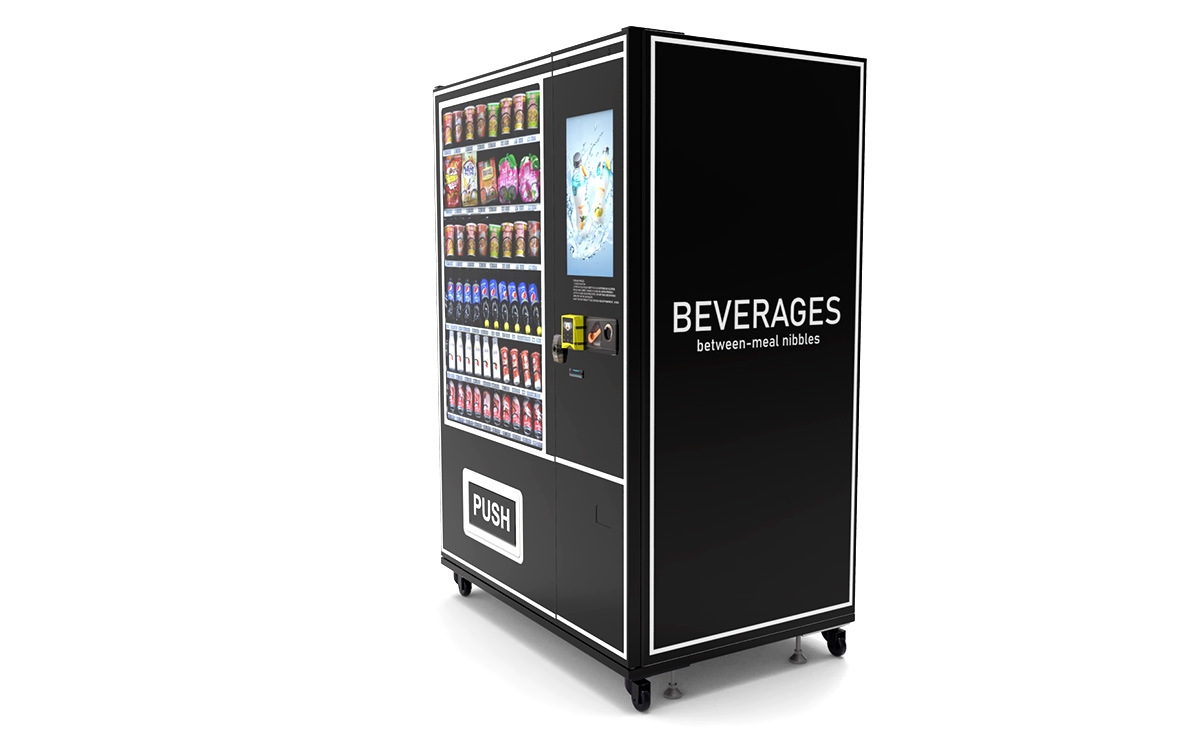
Payment flexibility is non-negotiable. Your machine should accept credit cards, mobile wallets like Apple Pay and Google Pay, and ideally contactless debit cards. Some newer models also support QR code payments, which are popular in parts of Europe. I recommend choosing a machine with a 10.1-inch or larger touchscreen display, as it allows for better product presentation and advertising revenue if you choose to sell ad space.
When it comes to suppliers, I have worked with several over the years. One manufacturer that consistently delivers reliable hardware is Zhongda Smart. Their water vending machines have solid build quality, good cooling performance, and a modular design that makes repairs easier. I am not saying they are the only option, but if you are sourcing a machine for a demanding location, they are worth considering. Always ask for a sample unit or a factory visit before placing a bulk order. I have seen too many operators buy cheap machines from unknown suppliers only to face constant breakdowns.
Cost Breakdown: What You Really Need to Budget
Let me give you a realistic picture based on my own experience and industry averages. These numbers are estimates and will vary depending on your location, supplier, and negotiation skills.
| Cost Category | Low End (USD) | Mid Range (USD) | High End (USD) |
|---|---|---|---|
| Machine purchase (new) | $3,000 | $5,500 | $9,000 |
| Machine purchase (refurbished) | $1,200 | $2,500 | $4,000 |
| Installation and setup | $200 | $400 | $800 |
| Payment system (card reader + connectivity) | $300 | $600 | $1,200 |
| Annual maintenance and repairs | $400 | $700 | $1,200 |
| Monthly location rent (if applicable) | $50 | $150 | $500 |
| Monthly restocking labor | $100 | $300 | $600 |
Based on my experience, the total initial investment for a single vending water machine in a good location ranges from $4,000 to $12,000. Monthly operating costs including restocking, electricity, and minor repairs typically run between $300 and $800. Your gross margin on bottled water is usually between 30% and 50%, depending on your wholesale cost and retail price. A well-placed machine can generate $500 to $1,500 in monthly revenue. That means a realistic payback period is between 8 and 18 months, assuming no major breakdowns.
Common Mistakes That Cost Operators Money
I have made plenty of mistakes myself. Let me share the ones I see most often among new operators. The first is buying a machine that is too small. A vending water machine with only 100 bottles capacity will run out quickly in a busy location, and every empty slot is lost revenue. Go for a machine that holds at least 200 units. The second mistake is ignoring the importance of machine repair support. When your machine breaks down on a Friday afternoon, you need a technician who can respond within 24 hours. I learned this the hard way when a faulty compressor cost me three weeks of sales during summer.
Another common error is pricing too high. I have seen operators try to charge $2.50 for a 500ml bottle of water in a location where the convenience store across the street sells the same brand for $1.99. You cannot compete on price alone, but you should be within 20% of the local market rate. In 2026, consumers are price-sensitive, especially on commodity items like water. If you offer a refill station at $0.25 per liter, you will attract repeat customers who bring their own bottles.
Finally, do not underestimate the importance of machine cleanliness. A dirty machine with sticky buttons or a smelly drip tray will kill your sales. I make it a rule to clean every machine I operate at least once a week. It takes 15 minutes but it makes a huge difference in customer perception.
Best Locations for a Vending Water Machine
From my experience, the top five location types for water vending are:
- Gyms and fitness centers: People are thirsty and willing to pay a premium for convenience. Many gyms do not want to manage water sales themselves, so they welcome a machine on a revenue-share basis.
- Office buildings: Especially in buildings without a cafeteria or water cooler service. A vending water machine with a refill option works well here.
- Hospitals and clinics: Visitors and staff need easy access to water. Hospitals often have strict hygiene requirements, so choose a machine with antimicrobial surfaces.
- Schools and universities: Students buy a lot of bottled water. Be aware that some schools have restrictions on single-use plastics, so a refill kiosk may be a better fit.
- Public parks and transit hubs: High foot traffic but also higher risk of vandalism. Invest in a rugged machine with a steel frame and tamper-proof locks.
I once placed a machine in a coworking space that had 300 members. It sold about 40 bottles per day, which translated to roughly $800 in monthly revenue. The space charged me $100 per month in rent, and my restocking cost was about $200. Net profit after electricity and maintenance was around $400 per month. That is a solid return for a single machine. The key was that the coworking space had no other beverage option within the building.
How to Choose a Supplier
Selecting a supplier is one of the most important decisions you will make. Here is what I look for. First, check the warranty. A good manufacturer offers at least two years on the compressor and one year on electronic components. Second, ask about spare parts availability. If you are in Europe, you want a supplier who has a distribution center in the EU so you are not waiting weeks for a replacement part. Third, read reviews from other operators. Join online forums like the Vending Machine Operators group on LinkedIn or Reddit. Real-world feedback is more valuable than any brochure.
I have mentioned Zhongda Smart earlier because they offer a good balance of quality and support. Their machines are used in several European countries, and they have a network of service partners. But I encourage you to evaluate at least three suppliers before making a decision. Ask for a list of references and call them. Ask about their experience with machine repair, response times, and common issues. A supplier who is transparent about problems is usually a supplier you can trust.
Revenue Models: Buy, Lease, or Revenue Share
There are three main ways to get into the vending water machine business. Each has pros and cons.
| Model | Initial Investment | Monthly Cost | Profit Potential | Risk Level |
|---|---|---|---|---|
| Self-operated (buy machine) | $4,000–$12,000 | $300–$800 | High (keep all profit) | Medium (you handle everything) |
| Lease machine | $0–$1,000 | $200–$500 | Medium (share profit with lessor) | Low (lessor handles maintenance) |
| Revenue share with location owner | $0 | $0 (owner provides space) | Low to medium (split revenue 50/50 or 60/40) | Low (minimal upfront cost) |
For beginners, I usually recommend starting with a lease or a revenue-share arrangement. It reduces your financial risk and lets you learn the operational side without a large capital outlay. Once you have a few machines running smoothly, you can buy your own equipment and capture the full margin.
Maintenance and Machine Repair: The Hidden Side of the Business
Every machine breaks down eventually. The question is how fast you can get it fixed. I keep a log of all repairs I have done over the past five years. The most common issues are payment system failures, cooling problems, and jammed vending mechanisms. A good vending machine repair technician is worth their weight in gold. If you are operating in a city, find a local technician before you buy your first machine. Ask them what brands they prefer to work on. Some machines are easier to repair than others, and that directly affects your downtime.
Remote monitoring has been a game-changer. In 2026, most modern vending water machines come with telemetry that alerts you when inventory is low or when a component fails. This allows you to schedule repairs proactively rather than waiting for a customer complaint. I estimate that remote monitoring has reduced my service visits by about 30%, which translates to significant savings in fuel and labor.
FAQ: Vending Water Machine in 2026
Is a vending water machine profitable?
Yes, but it depends on location and operational efficiency. A well-placed machine can generate $500 to $1,500 per month in revenue with a 30% to 50% gross margin. Payback periods typically range from 8 to 18 months.
How much does a vending water machine cost?
A new machine costs between $3,000 and $9,000. Refurbished units can be found for $1,200 to $4,000. Installation, payment systems, and initial stock add another $500 to $2,000.
How long does it take to break even?
In my experience, most operators break even within 8 to 18 months. Machines in high-traffic locations with low rent can break even in under a year.
Should I buy or lease a vending water machine?
If you are new, leasing or a revenue-share model is safer. It reduces upfront risk and lets you learn the business. Once you have experience, buying gives you higher profit potential.
Where should I place a vending water machine?
Gyms, office buildings, hospitals, schools, and transit hubs are top choices. Look for locations with at least 500 daily visitors and no direct competition within 20 meters.
What permits do I need?
Requirements vary by country and city. In the EU, you may need a business license, a food safety permit, and compliance with local waste regulations. Check with your local chamber of commerce or Service-Public.fr for guidance.
How do I choose a supplier?
Look for a supplier with a solid warranty, spare parts availability in your region, and positive reviews from other operators. I have had good experiences with Zhongda Smart, but always compare multiple options.
What happens when the machine breaks?
You need a reliable vending machine repair technician. Find one before you need them. Remote monitoring can help you catch issues early and reduce downtime.
How can I reduce maintenance costs?
Invest in a machine with a good cooling system and payment components from reputable brands. Clean the machine weekly. Use remote monitoring to avoid unnecessary service calls. Train yourself to handle basic repairs like replacing a jammed motor or resetting a payment terminal.
Final Thoughts from a Decade in the Business
The vending water machine business in 2026 is not a get-rich-quick scheme. It is a solid, steady business if you treat it like one. I have seen operators succeed because they paid attention to location, maintained their equipment, and built good relationships with location owners. I have also seen people lose money because they bought cheap machines, ignored maintenance, or overestimated demand. The market is growing, especially for healthier beverage options and refill stations, but the fundamentals have not changed. Do your homework, start small, and learn from every machine you place. If you do that, you will build a business that lasts.
This article was last updated in March 2026. All financial figures are based on my personal experience and industry averages. Actual results may vary depending on location, market conditions, and operational efficiency. This content is for informational purposes only and does not constitute financial or legal advice.