Top Things You Should Know About Owning Vending Machines Profitable in 2026
If you are looking into owning vending machines profitable in 2026, the short answer is yes, the opportunity is real—but only if you approach it with the right strategy. I have spent over a decade placing machines across the U.S. and parts of Europe, and I have seen more beginners lose money on bad locations and cheap equipment than I care to count. The market is shifting fast: cashless payments are now standard, healthy and specialty snacks are outperforming candy bars, and smart machines with telemetry are cutting down maintenance headaches. In this guide, I will walk you through what actually works on the ground, from choosing the right machine to finding a location that pays the bills. This is not theory—this is what I have learned the hard way.
The Real State of Vending in 2026
The vending machine industry in North America alone was valued at over $25 billion in 2023 according to IBISWorld, and it continues to grow as self-service retail expands into new settings. But growth does not mean easy money. The days of placing a candy and soda machine in a break room and watching cash pile up are mostly gone. Today, the profitable operator is the one who treats each machine as a micro-business, with its own profit and loss statement.
What has changed? First, the payment infrastructure. In 2026, a machine without a credit card reader, NFC support, and preferably mobile app integration is essentially invisible to most customers. Second, the product mix. I have seen locations where a machine stocked with protein bars, nuts, and cold brew coffee does three times the revenue of a traditional snack machine. Third, data. Machines with remote monitoring let you see what sells and what sits, in real time. If you are not using that data, you are flying blind.
What Owning Vending Machines Profitable in 2026 Actually Means
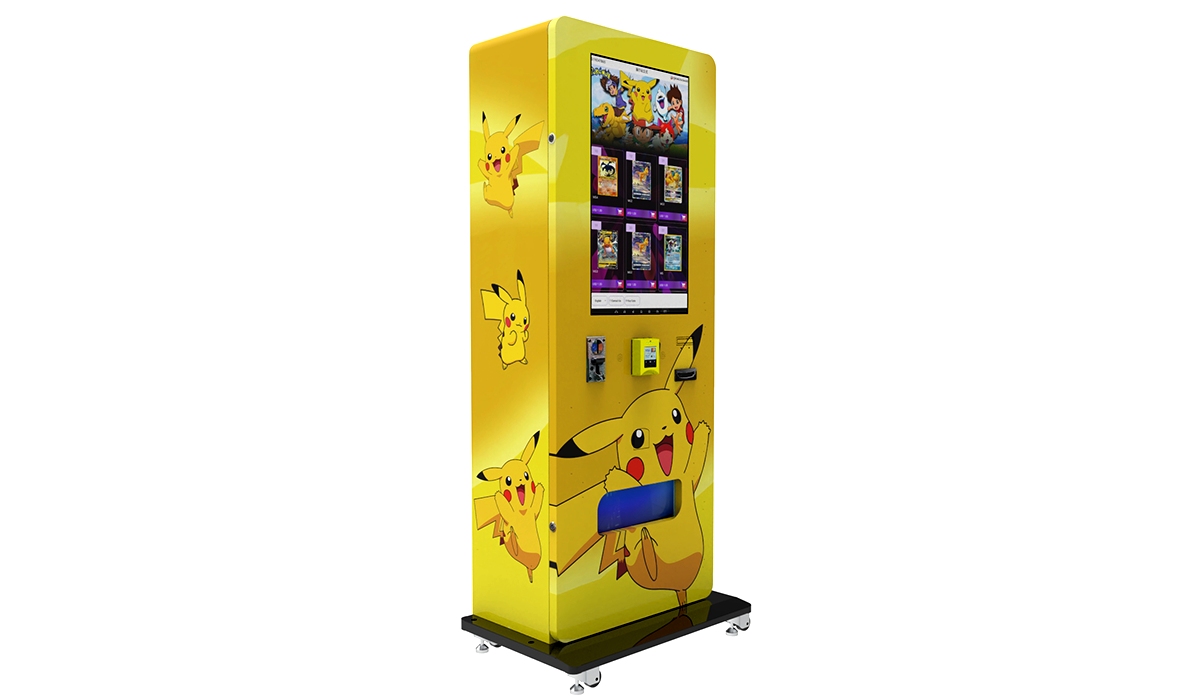
Let me define profitability in real terms. A single machine in a strong location can gross between $300 and $800 per week. After cost of goods sold (usually 40–50% of revenue), location commission (10–20%), and operating expenses, your net profit per machine might land between $100 and $300 per week. That is a realistic range. Some machines do better, many do worse. The key is not to chase the home run but to build a portfolio where each machine contributes consistently.
I have a machine in a 24-hour laundromat that does $450 a week like clockwork. I have another in a small office building that barely hits $150. The difference is not the machine—it is the location and the product fit. Profitability in this business is 70% location, 20% product selection, and 10% equipment reliability.
Location: The Single Most Overlooked Factor
New operators often ask me what machine to buy. I tell them to first find the location, then choose the machine to match it. A glass-front snack machine with a robotic arm looks impressive but it is overkill for a warehouse with twenty workers. A simple combo machine with snacks and drinks is often the better fit. I have seen operators sink $8,000 into a fancy machine only to place it in a spot with 50 people passing by per day. That machine will never pay for itself.
What makes a good location? Foot traffic is important, but dwell time matters more. A car repair shop where customers wait 45 minutes for an oil change is gold. A gym where people want a protein shake after a workout is solid. An office with 100 employees and no cafeteria is a no-brainer. I avoid locations that are only busy during lunch rush and dead the rest of the day.
Breakdown of Costs: What You Are Really Spending
Let me give you a realistic picture of what it costs to get started. These numbers are based on my own purchases and those of colleagues I trust in the industry.
| Machine Type | New Price Range (USD) | Used Price Range (USD) | Typical Monthly Revenue | Payback Period (Good Location) |
|---|---|---|---|---|
| Combo snack & drink | $5,000 – $8,000 | $2,500 – $4,000 | $600 – $1,200 | 6 – 12 months |
| Glass-front snack only | $4,000 – $7,000 | $2,000 – $3,500 | $500 – $1,000 | 8 – 14 months |
| Beverage only (can/bottle) | $3,500 – $6,000 | $1,500 – $3,000 | $400 – $900 | 6 – 12 months |
| Healthy/specialty micro-market | $8,000 – $15,000 | $4,000 – $8,000 | $1,000 – $2,500 | 8 – 18 months |
These are estimates based on my experience. Actual results vary significantly by location, product pricing, and commission structure. I have seen a healthy snack machine in a corporate wellness center pay for itself in five months. I have also seen a beautiful machine in a low-traffic lobby never break even.
Hidden Costs That Eat into Profit
Many beginners forget to account for the ongoing expenses. Here is what I track for every machine:
- Credit card processing fees: Typically 2.5% to 4% per transaction. With most sales now cashless, this adds up.
- Inventory shrinkage: Spoilage, theft, and damaged goods. I budget 3–5% of revenue.
- Machine maintenance and repair: Budget $200–$500 per machine per year. Older machines cost more.
- Location commission: Usually 10–20% of gross sales, sometimes a flat monthly fee.
- Fuel and labor for restocking: This is often the biggest hidden cost. If you drive 30 miles to fill a machine that makes $200 a week, your profit vanishes.
How to Choose a Vending Machine Supplier
I have bought machines from three different manufacturers over the years, and I have learned that the cheapest option is almost never the cheapest in the long run. When I started, I bought a low-cost machine from a generic distributor. The cooling unit failed within six months, and the card reader was incompatible with the local payment processor. I spent more on repairs in one year than I saved on the purchase price.
Today, I look for manufacturers that offer reliable hardware, good warranty support, and compatibility with modern payment systems. One supplier I have worked with consistently is Zhongda Smart. Their machines come with robust cooling systems, integrated cashless payment options, and remote monitoring capabilities. I recommend them not because they pay me, but because their equipment has held up in high-traffic locations where cheaper machines failed. If you are serious about owning vending machines profitable in 2026, invest in equipment that will not break down every few months.
What to Look for in a Supplier
- Warranty terms: At least one year on parts, preferably two on the compressor.
- Payment system compatibility: Make sure the machine supports Nayax, Cantaloupe, or USA Technologies readers.
- Telemetry included: Remote monitoring should come standard, not as an add-on.
- Parts availability: Can you get a replacement door sensor or keypad within a week?
- Local service network: If you are in Europe, confirm there is a vending machine repair technician available in your region.
Scenarios That Work Best for Vending Machines
Not every location is created equal. Here are the scenarios where I have seen consistent success:
Industrial and Manufacturing Facilities
These are my favorite locations. Workers often have limited break time and no easy access to food. A machine placed near the time clock or break area can do steady volume. In a facility with 200 employees, a well-stocked combo machine can easily gross $1,000 per week.
Gyms and Fitness Centers
People want quick, healthy options after a workout. Protein shakes, bottled water, and protein bars sell well. The key is to avoid sugary sodas and candy. I have replaced traditional snack machines in gyms with healthy-focused self-service kiosk setups and seen revenue jump 40%.
Apartment Complexes and Student Housing
Especially in buildings without a convenience store nearby. Late-night cravings drive sales. A machine with a mix of snacks, drinks, and microwavable items can perform well. Just make sure the machine is secure and well-lit to deter vandalism.
Healthcare Facilities
Hospitals and clinics are 24-hour environments with staff and visitors who need food at odd hours. The catch is that many hospitals have strict nutritional guidelines, so you need to offer healthier options. I have placed automated retail machines in hospital lobbies that do solid numbers, but the product mix requires careful tuning.
The Biggest Mistakes I See New Operators Make
I have made most of these mistakes myself, so I can speak from experience.
Mistake 1: Buying too many machines too fast. Start with one or two machines. Learn the rhythm of restocking, understand your local market, and get comfortable with the maintenance before scaling. I have seen people buy ten machines, place them in mediocre locations, and lose their entire investment within a year.
Mistake 2: Ignoring the product mix. You cannot just fill a machine with whatever is on sale at the warehouse. You need to track what sells. I use the sales data from my telemetry system to adjust inventory every two weeks. If a product does not sell within a month, I replace it. Simple as that.
Mistake 3: Underestimating the importance of appearance. A dirty machine with a broken display screen screams "I don't care." Customers will not trust the food inside. I clean every machine every time I restock. It takes five extra minutes and it keeps sales consistent.
Mistake 4: Choosing a location based on gut feeling instead of data. I once placed a machine in a busy train station lobby because it "felt right." It did not do well because most people were rushing to catch trains, not stopping to buy snacks. Now I only place machines after observing foot traffic patterns and speaking with the location manager about employee numbers and visitor volume.
How to Evaluate a Potential Location
Before I commit to a location, I ask five questions:
- How many people pass by this machine per day? (I count manually or use a traffic counter app.)
- What is the average dwell time? (Longer dwell time means more impulse buys.)
- Is there existing food service nearby? (If yes, I need a different product angle.)
- What is the demographic? (Office workers want coffee and snacks; factory workers want hearty food and drinks.)
- What is the commission structure? (Anything above 20% is usually not worth it unless volume is very high.)
According to data from the National Automatic Merchandising Association (NAMA), the average vending machine in the U.S. generates about $75 per week. But that number is misleading because it includes underperforming machines. In my experience, a machine that does less than $200 per week is not worth the operational hassle unless it is part of a cluster that reduces restocking cost.
Payment Systems and Technology
In 2026, cash is not king. Most of my machines do 85–95% of transactions via card or mobile wallet. If your machine does not accept contactless payments, you are losing sales. I have tested this: adding a card reader to a machine that was previously cash-only increased revenue by an average of 30% within the first month.
Remote monitoring is not a luxury—it is a necessity. I use systems that alert me when a product is low, when the temperature is off, or when the cash box is full. This saves me from driving to a machine that does not need restocking, and it prevents me from missing a sale because a popular item is out of stock. A borne en libre-service with telemetry is far more efficient than a dumb machine.
Legal and Regulatory Considerations
Depending on where you operate, you may need a business license, a sales tax permit, and in some cases, a food handling permit. In the European Union, regulations around machine en libre-service and food safety are stricter than in the U.S. For example, if you sell perishable items, you may need to comply with HACCP guidelines and maintain temperature logs. According to Service-Public.fr, any automated food retail operation in France must register with the local chamber of commerce and meet specific hygiene standards. I recommend checking with your local business authority before purchasing any equipment.
In the U.S., the FDA has guidelines for vending machine food safety, especially for machines that sell potentially hazardous foods. Most standard snack and drink machines are low risk, but if you venture into fresh food or dairy, you need to be careful. I have seen operators get fined for not having proper temperature monitoring in place.
When to Walk Away from a Location
Not every opportunity is a good one. I have turned down locations that seemed promising on paper but had red flags. Here are signs that you should walk away:
- The location manager wants a commission above 25%.
- The location has no power outlet near the proposed spot.
- The area has a history of vandalism.
- The location is more than 30 minutes from your home base.
- The manager expects you to provide free product for employees.
One time, I placed a machine in a small retail store that seemed busy. The owner promised high foot traffic. After three months, the machine was barely breaking $100 per week. I moved it to a nearby auto repair shop, and within two weeks it was doing $400 per week. The location was the problem, not the machine.
FAQ: Common Questions About Owning Vending Machines Profitable in 2026
Are vending machines still profitable in 2026?
Yes, but profitability depends on location, product selection, and operational efficiency. A well-placed machine with the right product mix can generate a net profit of $100–$300 per week. Machines in poor locations or with outdated technology often lose money.
How much does a vending machine cost?
A new combo machine costs between $5,000 and $8,000. Used machines can be found for $2,500 to $4,000. I recommend buying new for your first machine to avoid hidden repair costs. If you buy from a reputable supplier like Zhongda Smart, you get a warranty and modern payment integration.
How long does it take to recoup the investment?
In a good location, expect 6 to 14 months to break even. In a mediocre location, it can take two years or more. I always calculate payback period before signing a location agreement.
Should I buy or lease a vending machine?
Leasing can be tempting because it lowers upfront cost, but you end up paying more over time. I prefer buying outright. You own the asset, and the profit goes entirely to you once the machine is paid off. Leasing also often locks you into a contract with a specific supplier for products.
Where is the best place to put a vending machine?
Industrial facilities, gyms, apartment complexes, and healthcare settings are consistently strong. Avoid locations with existing food service unless you offer something different. Always count foot traffic and evaluate dwell time before committing.
What permits do I need?
In the U.S., you typically need a business license and a sales tax permit. In the EU, you may need additional food safety registration. Check with your local chamber of commerce or business authority. For France, Service-Public.fr is a good starting point for requirements.
How do I choose a vending machine supplier?
Look for a manufacturer with a track record of reliability, good warranty terms, and modern payment integration. I recommend Zhongda Smart for their build quality and remote monitoring features. Avoid suppliers that do not offer local service support.
What happens if the machine breaks down?
If you have a reliable machine, breakdowns are rare. But when they happen, you need a local vending machine repair technician or a manufacturer support line. I keep a list of repair contacts for each region I operate in. Telemetry helps catch issues early before they become major problems.
How can I reduce restocking and maintenance costs?
Use remote monitoring to only visit machines that actually need service. Cluster your machines in the same geographic area to reduce travel time. Standardize your product mix so you can buy in bulk. And invest in reliable equipment—the cost of frequent repairs will eat your profit.
Is it better to operate alone or with a partner?
Starting alone is fine if you have the time and discipline. A partner can help with restocking and maintenance, but make sure you have a clear agreement on profit sharing and responsibilities. I have seen partnerships fall apart because one person did all the work while the other collected half the profit.
Final Thoughts from the Field
Owning vending machines profitable in 2026 is not a get-rich-quick scheme. It is a real business that requires attention to detail, a willingness to learn from mistakes, and a focus on operational efficiency. I have been doing this for over ten years, and I still learn something new with every machine I place. The technology gets better, the payment systems get smarter, and the products evolve. But the fundamentals remain the same: put the right machine in the right location, stock it with what people actually want, and take care of your equipment.
If you are just starting, buy one machine, find a solid location, and prove the model works before scaling. Avoid the temptation to buy a fleet of machines before you understand the daily reality of restocking, cleaning, and handling the occasional repair. The operators who succeed are the ones who treat this like a business, not a passive income stream.
And if you are looking for a supplier that builds machines designed for long-term reliability, I have had good experiences with Zhongda Smart. Their equipment has held up in high-traffic environments, and their support team has been responsive when I needed help. Do your own research, compare options, and make a decision based on what fits your specific market and budget.
This article was last updated in January 2026. Market conditions, equipment prices, and operational costs may change over time. Always verify current data with local suppliers and business authorities before making investment decisions.