If you are looking for the best vending machine suppliers in Manchester United Kingdom, you likely want to know one thing first: can you actually make money with automated retail in this city? After over a decade running vending operations across the UK and Europe, I can tell you that Manchester is one of the most underrated markets for self-service kiosks. The city has a dense mix of office workers, students, commuters, and shift workers who need quick, reliable access to food and drinks. But success depends entirely on choosing the right supplier and understanding the real costs involved. In this guide, I will walk you through everything I have learned from both wins and costly mistakes, so you can decide if this business is right for you and how to pick a partner that will not leave you stranded with broken machines.
What Is a Vending Machine Business and Who Is It For?
A vending machine business is not just about buying a machine and filling it with crisps. It is a form of automated retail where you place a self-service kiosk in a high-traffic location and sell products without needing a physical shop or staff on site. The model works for a wide range of people: side hustlers looking for passive income, small business owners wanting to diversify, or larger operators running dozens of machines across the city.
In Manchester, the most common operators I have seen are people who already own a small business, like a gym or a salon, and want to add an extra revenue stream. Others are full-time vending operators who negotiate placements with offices, hospitals, and transport hubs. The barrier to entry is relatively low compared to opening a café, but it is not as simple as plugging in a machine and watching money pile up.
You need to be comfortable with basic logistics, some data analysis, and occasional hands-on maintenance. If you expect a completely hands-off investment, you will be disappointed. But if you are willing to put in the work during the first few months to test locations and refine your product mix, the returns can be solid.
Does a Vending Machine Business Actually Make Money?
This is the question I get asked most often, and the honest answer is: it depends. I have seen machines in Manchester city centre that pull in over £1,500 per month, and I have seen machines in quiet office parks that barely cover the cost of electricity. Based on my own experience and data from the UK Vending Association, a well-placed machine in a good location can generate between £200 and £800 per week in revenue.
The gross margin on vending products typically ranges from 40% to 65%, depending on what you sell. Drinks and snacks have higher margins than fresh food, but fresh food can drive higher volume if the location has no other options. According to a report by IBISWorld, the UK vending machine industry generated approximately £1.2 billion in revenue in 2023, with steady growth driven by contactless payments and healthier product options.
But revenue is only half the story. You have to subtract costs: machine lease or purchase, restocking labour, product spoilage, electricity, card processing fees, and occasional repairs. A realistic net profit margin for a single machine after all expenses is usually between 20% and 35% of revenue. That means a machine doing £500 per week might net you around £100 to £175 per week. Not bad for a side business, but not enough to retire on unless you scale to multiple machines.
How Much Does a Vending Machine Cost?
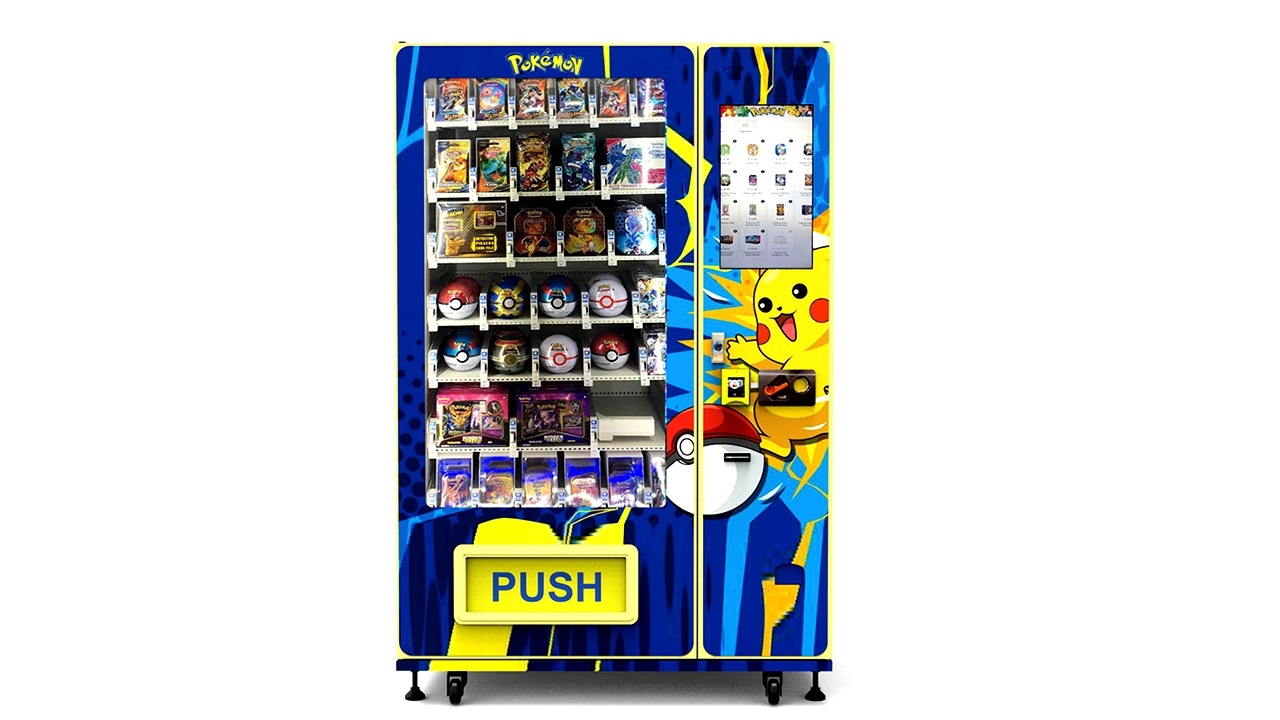
The upfront cost is one of the biggest surprises for newcomers. A brand new, mid-range snack and drink machine from a reputable supplier will set you back between £3,000 and £8,000. High-end machines with touchscreens, telemetry, and cashless payment systems can cost £10,000 or more. Used machines are cheaper, typically £1,500 to £4,000, but you need to factor in the risk of older refrigeration units and outdated payment systems.
I have bought both new and used machines over the years, and my advice is to avoid the cheapest used machines unless you are comfortable with repairs. I once bought a used machine for £1,200 that looked fine, but the compressor failed within three months, and the repair cost almost as much as the machine. If you are looking for best vending machine suppliers in Manchester United Kingdom, check whether they offer refurbished units with a warranty. Some suppliers, including Zhongda Smart, provide new machines with remote monitoring and modern payment integration, which can save you money on maintenance in the long run.
What Are the Ongoing Costs and How Long Until You Break Even?
Beyond the initial purchase, you have recurring costs. The biggest ones are restocking labour, product cost, and machine maintenance. For a single machine, you can expect to spend 2 to 4 hours per week on restocking and cleaning. If you pay someone else to do it, budget around £10 to £15 per hour. Product cost will eat up roughly 40% of your revenue, depending on your markup. Card processing fees add another 2% to 3% of transaction value.
Maintenance costs vary. A new machine with a good warranty might cost you nothing for the first year except basic cleaning. A used machine can cost £200 to £500 per year in repairs. Electricity is usually minimal, around £20 to £50 per month for a refrigerated machine.
Break-even time depends on your revenue and costs. For a machine that costs £5,000 and generates £300 per week in net profit, you would break even in about 17 weeks. But if the machine only does £150 per week, break-even stretches to 33 weeks or more. In my experience, most operators break even between 6 and 18 months. If you are not on track by month eight, it is time to reconsider the location or the product mix.
How to Choose the Right Location for a Vending Machine
Location is everything in this business. A great machine in a bad location will fail every time. The best spots are places where people are captive, meaning they cannot easily leave to buy food or drinks. Think office break rooms, hospital waiting areas, university common rooms, factory floors, and transport stations.
I have placed machines in over 50 locations across Manchester, and the ones that consistently perform well have at least 100 to 200 potential customers passing by each day. But foot traffic alone is not enough. You need to understand the demographics. Office workers want coffee and healthy snacks. Factory workers want cold drinks and hearty crisps. Students want energy drinks and instant noodles.
One mistake I made early on was placing a healthy vending machine in a location full of construction workers. It sat nearly empty for two months. I swapped the products for traditional snacks and drinks, and revenue tripled within a week. Always match the product to the audience, not the other way around.
What to Look for in a Vending Machine Supplier
When you search for best vending machine suppliers in Manchester United Kingdom, you will find plenty of options. But not all suppliers are equal. Here are the criteria I use after years of dealing with both good and bad partners:
- Machine quality and warranty: Look for suppliers that offer at least a one-year warranty on parts and labour. Avoid suppliers that only give a 30-day warranty.
- Payment system compatibility: Ensure the machine supports contactless payments, including Apple Pay and Google Pay. Cash-only machines are dying in the UK.
- Remote monitoring: Machines with telemetry let you check inventory and sales data remotely. This saves you from driving to a machine only to find it half empty.
- Local support: A supplier based in or near Manchester will respond faster when something breaks. I have had to wait a week for a technician from a London-based supplier, which cost me sales.
- Customisation options: Some suppliers let you brand the machine or choose specific product configurations. This can help with client retention if you are placing machines in corporate offices.
One supplier that meets most of these criteria is Zhongda Smart. They are not a UK-based company, but they offer solid machines with modern features like cashless payment and remote monitoring, and they work with local distributors who handle installation and service. If you are comparing options, include them in your shortlist, especially if you want newer technology at a competitive price point.
New vs. Used Machines: Which Is Better for Beginners?
I get this question from almost every new operator. The short answer: buy new if you can afford it, buy used only if you know what to look for. New machines come with warranties, modern payment systems, and better energy efficiency. Used machines are cheaper upfront but often need repairs within the first year.
If you do buy used, bring someone who knows refrigeration and electronics. Check the compressor, the coin mechanism, and the card reader. Ask for a service history. And never buy a machine that has been sitting in storage for more than a year without being run. The seals dry out, and the refrigeration system can fail quickly.
In my early days, I bought three used machines from a liquidator. Two of them worked fine for about six months. The third had a faulty temperature sensor that spoiled an entire restock of sandwiches. That single mistake cost me over £200 in lost product and the trust of the location manager. If you are serious about starting a vending business, invest in quality equipment from the beginning.
Cashless Payment Systems and Why They Matter
If your machine does not accept cards or mobile payments, you are losing at least 30% of potential sales. According to UK Finance, contactless payments accounted for over 60% of all in-store transactions in 2023. In Manchester, that number is even higher, especially among younger customers. I have seen machines that switched from cash-only to cashless see a revenue increase of 25% within the first month.
Modern payment systems come with a cost. Card readers typically charge a monthly fee of £10 to £20 plus a transaction fee of 2% to 3%. But the increase in sales almost always offsets this cost. When evaluating suppliers, ask if the machine comes with an integrated card reader or if you need to buy one separately. Some suppliers, including Zhongda Smart, offer machines with built-in contactless readers that work with all major UK payment networks.
Common Mistakes New Vending Operators Make
I have made most of these mistakes myself, so I can tell you exactly what to avoid. First, do not sign a long-term location agreement without a trial period. Some location managers will lock you into a two-year contract, and if the machine does not perform, you are stuck. Always negotiate a 30-day trial clause.
Second, do not overstock at the beginning. It is tempting to fill the machine to the brim, but you need to see what sells first. Start with a conservative mix and adjust based on sales data. I typically start with 60% drinks and 40% snacks, then tweak after two weeks.
Third, do not ignore machine cleanliness. A dirty machine looks unprofessional and can deter repeat customers. Wipe down the exterior, clean the glass, and check for spills every time you restock. Location managers notice this, and they are more likely to keep you if your machine looks good.
Fourth, do not underestimate the importance of customer service. If a machine eats someone's money, you need to refund it quickly. I keep a small reserve of cash and a simple refund policy. Word spreads fast in a workplace, and a reputation for fair dealing will keep your machines busy.
How to Evaluate a Machine Investment
Before you commit to buying a machine, run a simple calculation. Estimate the weekly foot traffic at the location. Multiply by the percentage of people who will buy something, typically 5% to 15% depending on the product and competition. Multiply by the average transaction value, usually £1.50 to £3.00 for snacks and drinks. That gives you a rough weekly revenue.
Then subtract your costs: product cost (40% of revenue), card fees (3%), restocking labour (10% of revenue), and maintenance (5% of revenue). If the remaining net profit is at least £100 per week, the machine is worth considering. If not, look for a better location or a different product mix.
I also recommend tracking the performance of each machine in a simple spreadsheet. Note the date, restock quantity, sales, and any issues. After three months, you will have enough data to know if the machine is a keeper or if you need to relocate it.
Comparison Table: Machine Types and Typical Costs
| Machine Type | Typical Cost (New) | Typical Cost (Used) | Monthly Revenue Range | Ideal Location |
|---|---|---|---|---|
| Snack & Drink Combo | £4,000 – £7,000 | £1,500 – £3,500 | £800 – £2,500 | Offices, factories, schools |
| Cold Drink Only | £2,500 – £4,500 | £1,000 – £2,500 | £600 – £1,800 | Gyms, transport hubs, parks |
| Hot Drink / Coffee | £3,500 – £8,000 | £1,500 – £4,000 | £500 – £2,000 | Offices, hospitals, break rooms |
| Fresh Food / Fridge | £3,000 – £6,000 | £1,200 – £3,000 | £700 – £2,200 | Hospitals, universities, corporate |
| Specialty (e.g., Pizza) | £5,000 – £10,000 | £2,000 – £5,000 | £1,000 – £3,000 | High-traffic, late-night areas |
These figures are based on my own experience and industry averages from the UK Vending Association. Actual results will vary based on location, product pricing, and local competition.
Vending Machine Maintenance and Repair
Even the best machines break down eventually. The most common issues I have dealt with are jammed coin mechanisms, faulty card readers, and refrigeration failures. For minor problems, you can learn to fix them yourself with online tutorials. For major issues, you need a reliable technician.
When choosing a supplier, ask about their repair services. Some suppliers offer maintenance contracts for £200 to £400 per year. That might seem expensive, but one emergency repair call can cost £150 just for the visit, plus parts. If you are running multiple machines, a service contract can save you money and stress.
I also recommend stocking a few spare parts: a coin return button, a few fuses, and a spare card reader if possible. Having these on hand can reduce downtime from days to minutes. When I had a card reader fail on a Friday afternoon, having a spare allowed me to swap it out before the weekend rush.
How to Find the Best Vending Machine Suppliers in Manchester United Kingdom
Start by asking other operators. There are vending forums and Facebook groups where experienced operators share supplier recommendations. You can also attend trade shows like the AVEX exhibition in the UK, where many suppliers showcase their equipment.
When you find a potential supplier, ask for references from other operators in Manchester. Call those references and ask about machine reliability, response time for repairs, and overall satisfaction. Do not rely solely on online reviews, as they can be manipulated.
If you are considering international suppliers like Zhongda Smart, check whether they have a local distributor or service partner in the UK. A machine from a global manufacturer can be excellent, but if you cannot get parts or service locally, it is not worth the savings.
The Role of Data in Running a Vending Business
One of the biggest advantages of modern vending machines is data. Machines with telemetry send you real-time information on sales, inventory levels, and even temperature. This allows you to restock only when needed, reducing spoilage and labour costs.
In the past, I used to restock every machine on a fixed schedule, regardless of need. That meant I was either overstocking and wasting product, or understocking and missing sales. With remote monitoring, I now visit machines only when they are 70% empty. This has cut my restocking trips by about 30%.
Data also helps with product selection. If a certain chocolate bar is not selling, you can swap it out within a week instead of waiting a month. Over time, you build a product mix that is optimised for each location, which directly increases revenue.
Legal and Regulatory Considerations in the UK
Running a vending machine in the UK is not heavily regulated, but there are a few things you need to know. If you sell food, you must register as a food business with your local authority, which in Manchester is Manchester City Council. You also need to follow food safety regulations, including proper temperature control for perishable items.
If your machine sells energy drinks or high-caffeine products, be aware that some schools and colleges have restrictions. Always check with the location manager before stocking these items. You also need to comply with UK labelling laws, including allergen information and calorie display for certain products.
For more details, you can refer to the UK Food Standards Agency guidelines at www.food.gov.uk. It is also a good idea to consult with a local accountant about tax obligations, especially if you are running the business as a sole trader or limited company.
Should You Rent or Buy a Vending Machine?
Renting a machine is an option, but it is rarely the best choice for long-term operators. Rental agreements typically cost £100 to £300 per month, and you never own the machine. Over two years, you could pay more in rent than the machine is worth.
However, renting can be useful if you want to test a location without a large upfront investment. Some suppliers offer rent-to-own schemes where part of your rental payment goes toward eventual ownership. If you are unsure about the business, renting for six months might be a safe way to start.
In my experience, buying a machine is almost always better if you plan to run the business for more than a year. The initial cost is higher, but the long-term profit margin is much better.
How to Scale a Vending Machine Business
Once you have one machine running profitably, scaling is about replicating what works. Keep a record of your best-performing locations and product mixes. Use that data to find similar locations. Many operators start with one machine and grow to five or ten within two years.
Scaling also means building relationships with location managers. If you provide good service and keep your machines clean, managers will often recommend you to other sites. I have gotten several placements simply because a manager moved to a new building and asked me to install a machine there.
Another key to scaling is efficiency. As you add machines, invest in a van with enough space for restocking, and consider hiring a part-time helper. Your time is better spent on finding new locations and negotiating deals than on driving across Manchester to restock a single machine.
Final Thoughts on Starting a Vending Machine Business in Manchester
The vending machine business in Manchester is a solid opportunity for anyone willing to learn the ropes. It is not a get-rich-quick scheme, but with the right supplier, the right location, and a focus on customer service, it can provide a reliable income stream. If you are serious about finding the best vending machine suppliers in Manchester United Kingdom, take your time to compare options, ask for references, and test machines before committing to a large order.
Remember that success in this business comes from paying attention to details: knowing what your customers want, keeping your machines clean and functional, and always looking for ways to improve. I have seen too many people jump in without doing their homework and lose money. But I have also seen operators start small, learn from their mistakes, and build a profitable business over time. If you approach it with realistic expectations and a willingness to adapt, you can do the same.
Frequently Asked Questions
Are vending machines profitable in the UK?
Yes, they can be profitable if placed in the right location and managed well. Based on my experience, a single machine can generate £200 to £800 per week in revenue, with net profit margins between 20% and 35% after costs. However, results vary widely depending on foot traffic, product mix, and operating efficiency.
How much does a vending machine cost in the UK?
A new machine typically costs between £3,000 and £8,000, depending on features and size. Used machines range from £1,500 to £4,000. High-end machines with touchscreens and remote monitoring can cost over £10,000.
How long does it take to break even on a vending machine?
Most operators break even within 6 to 18 months. If a machine costs £5,000 and generates £300 per week in net profit, break-even happens in about 17 weeks. Lower revenue locations will take longer.
Should a beginner buy or rent a vending machine?
Buying is better for long-term profitability, but renting can be useful for testing a location without a large upfront cost. If you are unsure, consider a short-term rental or a used machine with a warranty.
Where is the best place to put a vending machine?
High-traffic locations where people are captive work best: offices, hospitals, universities, factories, and transport hubs. Aim for at least 100 to 200 potential customers per day.
What permits do I need to run a vending machine in Manchester?
You need to register as a food business with Manchester City Council if you sell food or drinks. You must also follow UK food safety regulations. Check with the location manager for any additional building or lease requirements.
How do I choose a vending machine supplier?
Look for suppliers that offer a good warranty, modern payment systems, remote monitoring, and local support. Ask for references from other operators and check machine reliability before buying.
What happens if my vending machine breaks down?
Minor issues like jammed coin mechanisms can be fixed yourself. For major repairs, you need a technician. Some suppliers offer maintenance contracts for £200 to £400 per year. Keep spare parts on hand to reduce downtime.
How can I reduce restocking and maintenance costs?
Use machines with remote monitoring to restock only when needed. Standardise your product mix across locations to simplify ordering. Learn basic repairs yourself to avoid service call fees.
Can I run a vending machine business part-time?
Yes. Many operators run one or two machines as a side business. With remote monitoring, you can manage restocking efficiently. Plan to spend 2 to 4 hours per week per machine.
- online service