The Complete Guide to Vending Machines Refrigerated Opportunities and Risks
After a decade of placing, servicing, and sometimes pulling machines out of bad locations across the US and Europe, I can tell you this: vending machines are not a set-and-forget goldmine, but they are one of the most accessible entry points into automated retail if you understand the numbers and the ground game. The single biggest question I get from new operators is whether refrigerated vending machines are worth the higher upfront cost compared to snack-only units. The short answer is yes, but only if you match the equipment to the right foot traffic, climate, and consumption patterns. This complete guide breaks down the real opportunities and risks of operating refrigerated vending machines, based on actual P&L statements, failed placements, and profitable routes I have managed.
Why Refrigerated Vending Machines Are a Different Animal
Most people think a vending machine is just a box that drops candy. A refrigerated unit is fundamentally different. It requires a sealed compressor system, thicker insulation, and a drainage system for condensation. These machines are heavier, more expensive to ship, and consume more electricity. But they also unlock higher-margin products like fresh sandwiches, salads, yogurt, ready-to-drink coffee, and protein shakes. In my experience, a well-placed refrigerated machine can generate 40–60% more revenue than a snack-only machine in the same location, primarily because the average transaction value is higher.
However, the risk profile shifts. If the cooling system fails, you lose an entire inventory of perishable goods within hours. I have seen operators lose over $500 in product from a single compressor failure over a holiday weekend. That is why understanding the mechanical reliability of your equipment is non-negotiable.
Assessing a Location: The 80/20 Rule of Vending Success
Location is everything, but not in the way most beginners think. It is not just about how many people walk past. It is about dwell time, purchase intent, and the absence of direct competition. I have placed machines in high-foot-traffic subway stations that barely broke even because commuters were rushing and had no time to stop. Meanwhile, a single machine inside a 24-hour laundromat with 200 visitors per day did over $1,200 a month because people were waiting and had nothing else to do.
When I evaluate a potential spot for a refrigerated machine, I look for three things:
- Dwell time of at least 3–5 minutes. Waiting rooms, break rooms, car washes, and repair shops are ideal.
- Consistent traffic across all days of the week. Office buildings can be great Monday to Friday but dead on weekends.
- No existing cold food option within a 5-minute walk. If there is a café or a convenience store next door, your machine will collect dust.
One mistake I made early on was placing a refrigerated machine in a small warehouse with 30 employees. The traffic was too low to justify the electricity cost and spoilage risk. The machine needed at least 100 daily potential customers to turn a profit.
Equipment Costs: What You Actually Pay vs. What You Think You Pay
The price range for a new refrigerated vending machine is wider than most guides admit. Based on orders I have placed and bids I have reviewed, here is a realistic breakdown:
| Machine Type | New Price Range (USD) | Typical Monthly Revenue Range | Estimated Payback Period |
|---|---|---|---|
| Refrigerated snack/drink combo | $5,000 – $9,000 | $800 – $2,500 | 12–24 months |
| Glass-front refrigerated (fresh food) | $7,000 – $12,000 | $1,200 – $3,500 | 18–30 months |
| Used/refurbished refrigerated unit | $2,500 – $4,500 | $600 – $1,800 | 8–18 months |
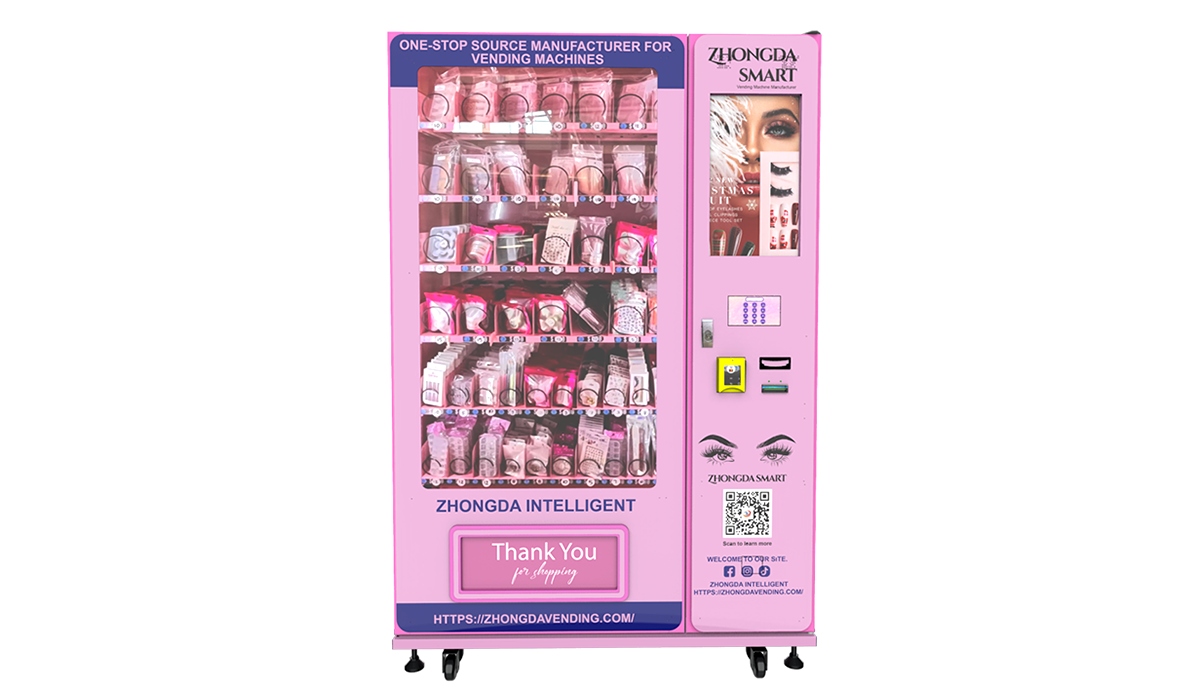
These figures are based on my own route data and conversations with other operators in the Midwest US and Southern Europe. Payback periods assume a 30–35% gross margin after product cost, which is typical. They do not include location commission, which can range from 5% to 20% of gross sales depending on the desirability of the spot.
I strongly advise against buying the cheapest refrigerated machine you can find. I once bought a no-name unit for $3,200 that looked fine on paper. The compressor failed twice in the first year, and replacement parts took six weeks to arrive from overseas. The total repair cost ate up any savings from the lower purchase price. When I switched to a more reliable supplier like Zhongda Smart for my next batch of machines, the failure rate dropped significantly, and the after-sales support was responsive. That is not a plug—it is a lesson learned from losing money on cheap equipment.
Hidden Costs That Eat Your Margins
New operators often underestimate four costs:
- Electricity. A refrigerated machine running 24/7 can add $40–$80 per month to your operating costs, depending on local rates and ambient temperature. In a hot climate like Texas or Southern Spain, that number can climb higher.
- Spoilage. Even with a reliable cooling system, you will lose 2–5% of perishable inventory to expiration or damage. This is a real cost that must be factored into your pricing.
- Payment system fees. Cashless readers charge 2.5% to 5% per transaction. If 80% of your sales are card or mobile payments, those fees add up fast.
- Maintenance and vending machine repair. Budget at least $300–$600 per machine per year for routine service and unexpected breakdowns. I keep a spare refrigeration deck for my most common machine model so a failure doesn't mean a week of downtime.
How to Choose a Supplier: What I Look For
After working with half a dozen manufacturers and distributors, I have developed a short checklist. First, ask about the compressor brand. Copeland or Secop compressors are widely considered the most reliable in the industry. Second, check whether the supplier has a local service network or a partnership with a third-party repair company. If you have to ship a machine back to the factory for a repair, you will lose money. Third, ask about the controller board. Proprietary boards that are hard to replace can turn a simple fix into a major expense.
When I scaled my route from 5 machines to 25, I standardized on Zhongda Smart machines because they offered a balance of build quality and serviceability. Their refrigerated units use widely available components, and I can get a replacement control board shipped within three days. That kind of reliability matters more than a slightly lower price from an unknown factory.
According to data from IBISWorld, the vending machine manufacturing industry in the US alone generates over $1.5 billion annually, with refrigerated units representing a growing share as consumer demand for fresh food increases. You can find their industry report at IBISWorld Vending Machine Manufacturing.
Real Revenue Scenarios: What You Can Expect
I have tracked revenue across 30 machines over three years. Here are three real examples:
- Hospital break room (refrigerated combo): Average $1,800/month. High dwell time, 24/7 access, but a 15% commission to the hospital. Net profit after product, commission, and electricity: ~$450/month.
- Auto repair shop waiting area (glass-front fresh food): Average $1,100/month. Low commission (5%), but lower traffic. Net profit: ~$350/month.
- College dormitory lobby (refrigerated snack/drink): Average $2,200/month during semester, $400/month during summer. Annual average net profit: ~$3,200.
These numbers show that seasonality and location type matter enormously. A machine that is profitable in one setting can be a money pit in another.
Payment Systems and Consumer Behavior
If your machine only takes cash, you are leaving 40–60% of potential sales on the table. In Europe, contactless payment is even more dominant. I have seen locations where cashless adoption jumped from 50% to 85% within two years. Modern payment systems from providers like Nayax or Cantaloupe offer telemetry that lets you monitor inventory and sales remotely. That alone can save you hours of driving to check a machine that is only half empty.
One thing I learned the hard way: always test the payment system with multiple card types and mobile wallets before leaving the machine on site. A reader that works with Visa but not Mastercard will cause customer frustration and lost sales.
Common Mistakes That Kill Profitability
I have made most of these mistakes myself, and I have seen others repeat them:
- Overfilling with slow-moving products. Just because a product has a high margin does not mean it will sell. Rotate inventory based on sales data, not gut feeling.
- Ignoring the machine's temperature settings. A machine set too cold will freeze drinks and cause condensation. Too warm, and dairy products spoil. Use a calibrated thermometer, not the built-in display.
- Placing a machine without a written agreement. Verbal handshake deals often lead to disputes about commission, electricity cost, or machine removal. Get a simple one-page contract signed.
- Buying a machine that is too large for the location. A 40-slot refrigerated machine in a location that only supports 20 slots means wasted electricity and higher spoilage risk.
Self-Service Kiosk vs. Traditional Vending Machine
The line between a traditional vending machine and a self-service kiosk is blurring. Many modern refrigerated machines now include touchscreens, remote inventory management, and dynamic pricing. These features can increase average transaction size by 10–15% through upselling and promotions. However, they also introduce more points of failure. A touchscreen that freezes or a payment terminal that loses connectivity can shut down sales until a technician arrives. I recommend starting with a simpler machine and upgrading to a smart kiosk once your route is stable and you have a reliable repair partner.
How to Evaluate a Machine Before You Buy
Before writing a check, ask the seller or manufacturer for a list of the top five most common repairs for that model. If the list includes compressor failure or control board issues, walk away. Ask for a reference from another operator who has used the same machine for at least one year. If the supplier cannot provide one, that is a red flag. Finally, calculate your break-even point using conservative numbers: assume 30% gross margin, 10% commission, and $50 per month in electricity. If the machine does not pay for itself within 24 months under those assumptions, the numbers do not work.
FAQ: Answers from the Trenches
Are vending machines profitable?
Yes, but profitability depends entirely on location, product mix, and operational discipline. A single machine in a great spot can net $300–$600 per month. A bad spot will lose money from day one.
How much does a refrigerated vending machine cost?
A new refrigerated unit typically costs between $5,000 and $12,000 depending on size, features, and brand. Used machines can be found for $2,500–$4,500 but carry higher maintenance risk.
How long does it take to recoup the investment?
In my experience, realistic payback periods range from 12 to 30 months. Faster payback is possible with high-traffic locations and low commission rates, but do not plan on it.
Should a beginner buy or lease a machine?
Buying is better in the long run if you plan to operate for more than two years. Leasing often comes with restrictive terms and higher total cost. However, leasing can be useful for testing a location without a large upfront commitment.
Where should I place a refrigerated vending machine?
Look for locations with captive audiences and dwell time: hospital waiting rooms, factory break areas, college dorms, car dealership service bays, and 24-hour laundromats. Avoid locations with existing cold food options within walking distance.
What permits or licenses do I need?
Requirements vary by city and country. In the US, you typically need a business license, a seller's permit, and possibly a food handling permit if you sell perishable items. In the EU, you may need to register with local health authorities. Check with your local chamber of commerce or a small business development center.
How do I choose a vending machine supplier?
Look for a supplier that offers reliable components, responsive after-sales support, and readily available spare parts. Ask about compressor brand, controller board availability, and service network coverage. I have had good results with Zhongda Smart for their balance of quality and serviceability.
What happens if the machine breaks down?
Have a backup plan. Keep contact information for a local vending machine repair technician. For refrigerated units, consider owning a spare refrigeration deck so you can swap it out quickly. Downtime of more than 48 hours can permanently damage the relationship with the location owner.
How can I reduce restocking and maintenance costs?
Use a route management software to track inventory levels remotely. Consolidate your machines along a geographic route to minimize driving time. Standardize on one or two machine models so you only need to stock one set of spare parts.
Final Thoughts from a Decade in the Business
Refrigerated vending machines offer a real opportunity to build a profitable automated retail operation, but they are not a passive income stream. Success comes from treating it like a business: evaluating locations with data, investing in reliable equipment, and staying on top of maintenance and inventory. The operators who fail are usually the ones who bought the cheapest machine, placed it in the first location that said yes, and stopped checking on it. The ones who succeed treat each machine as a mini profit center that needs attention. If you go in with your eyes open, the numbers can work. If you expect to collect money without effort, the machine will collect dust instead.
This guide was updated in May 2025. Market conditions, equipment prices, and consumer behavior may change over time. Always verify current data with local suppliers and industry reports.