Step-by-Step Guide to Starting a Financing Vending Machines Business in 2026
If you are serious about starting a financing vending machines business in 2026, the first thing you need to understand is that this is not a passive income fantasy. I have spent over a decade placing, repairing, and pulling machines out of bad locations across the US and Europe. The difference between a profitable route and a money pit usually comes down to three things: location verification, equipment selection, and cash flow planning. Financing vending machines is a viable entry point, but only if you treat it like a small business, not a side hobby. In this guide, I will walk you through the exact steps I use when vetting a new route, from initial capital requirements to choosing a reliable supplier like Zhongda Smart, and how to avoid the common mistakes that eat into margins.
What Is a Vending Machine Business and Who Should Consider It
A vending machine business involves placing self-service kiosks in high-traffic locations to sell products such as snacks, drinks, fresh food, or non-food items. The operator handles procurement, stocking, maintenance, and cash collection. In 2026, the market has shifted toward cashless payment systems, telemetry for remote monitoring, and healthier product options. This business suits individuals who want a semi-passive income stream but are willing to put in physical work during the first year. It also works for small business owners looking to diversify into automated retail.
I have seen teachers, retired military personnel, and even restaurant owners build successful routes. The common thread is discipline. You need to track every dollar spent on a machine, every hour spent on restocking, and every cent lost to spoilage. If you are looking for a completely hands-off investment, this is not it. But if you are willing to learn the operational side, financing vending machines can generate consistent monthly cash flow.
How Much Does It Cost to Start a Vending Machine Business in 2026
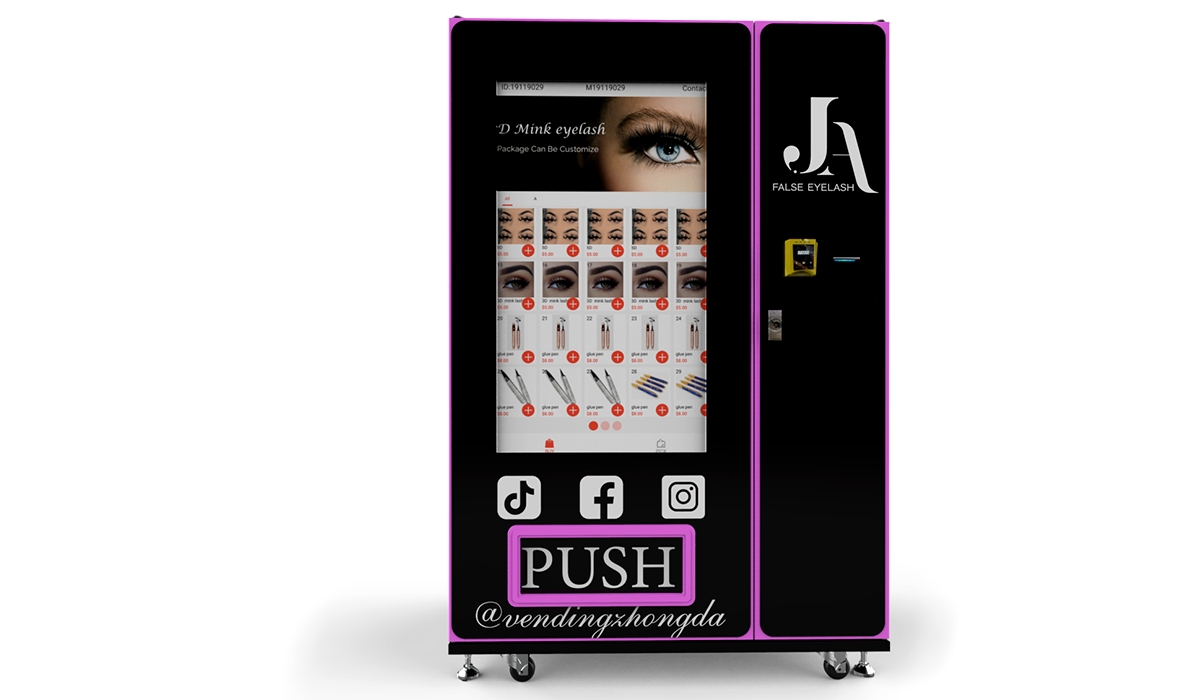
Let me give you realistic numbers based on what I have seen across the US and Europe. These are not from a brochure. They come from actual P&L statements I have reviewed over the past five years.
| Expense Category | Low End (USD/EUR) | Mid Range (USD/EUR) | High End (USD/EUR) |
|---|---|---|---|
| New machine (snack & drink combo) | $3,500 | $6,000 | $12,000 |
| Used/refurbished machine | $1,500 | $3,000 | $5,500 |
| Payment system (card reader + telemetry) | $400 | $700 | $1,200 |
| Initial inventory (first fill) | $500 | $1,000 | $2,000 |
| Location commission (monthly or %) | $0 | $100 | $500+ |
| Insurance & permits (annual) | $200 | $500 | $1,000 |
| Transport & installation | $200 | $500 | $1,000 |
Based on my experience, a realistic starting budget for three machines in decent locations is between $12,000 and $20,000. According to IBISWorld, the vending machine industry in the US alone generated over $7 billion in revenue in 2023, with steady growth projected through 2028 (IBISWorld Vending Machine Operators Report). That tells you the market is mature, but margins are thinner than most beginners expect.
Step 1: Evaluate Your Financing Options for Vending Machines
Financing vending machines means you are not paying cash upfront for every unit. There are several routes. You can use equipment leasing, small business loans, equipment financing through manufacturers, or even personal credit lines. I have used all of them at different stages.
Equipment leasing is common in Europe. You pay a monthly fee for the machine, and after a set period, you either return it or buy it out. The advantage is lower upfront cost. The downside is that you never build equity. If the location fails, you still owe the lease payment. I have seen operators lose money this way because they signed five-year leases on machines placed in low-traffic offices that later downsized.
Small business loans from banks or online lenders like Kabbage or Funding Circle work better if you have decent credit. Interest rates in 2026 are expected to remain around 7–12% for equipment loans, depending on your credit profile. Some manufacturers, including Zhongda Smart, offer in-house financing for bulk orders, which can simplify the process. Always read the fine print on early repayment penalties.
My advice for beginners: start with one or two machines bought with cash if possible. Once you prove the model works, then use financing to scale. Financing vending machines is a tool, not a shortcut.
Step 2: Choose the Right Type of Machine for Your Market
Not all vending machines are created equal. The type you buy should match the location demographics. Here is a breakdown based on what I have seen work in the field.
Snack and Drink Combo Machines
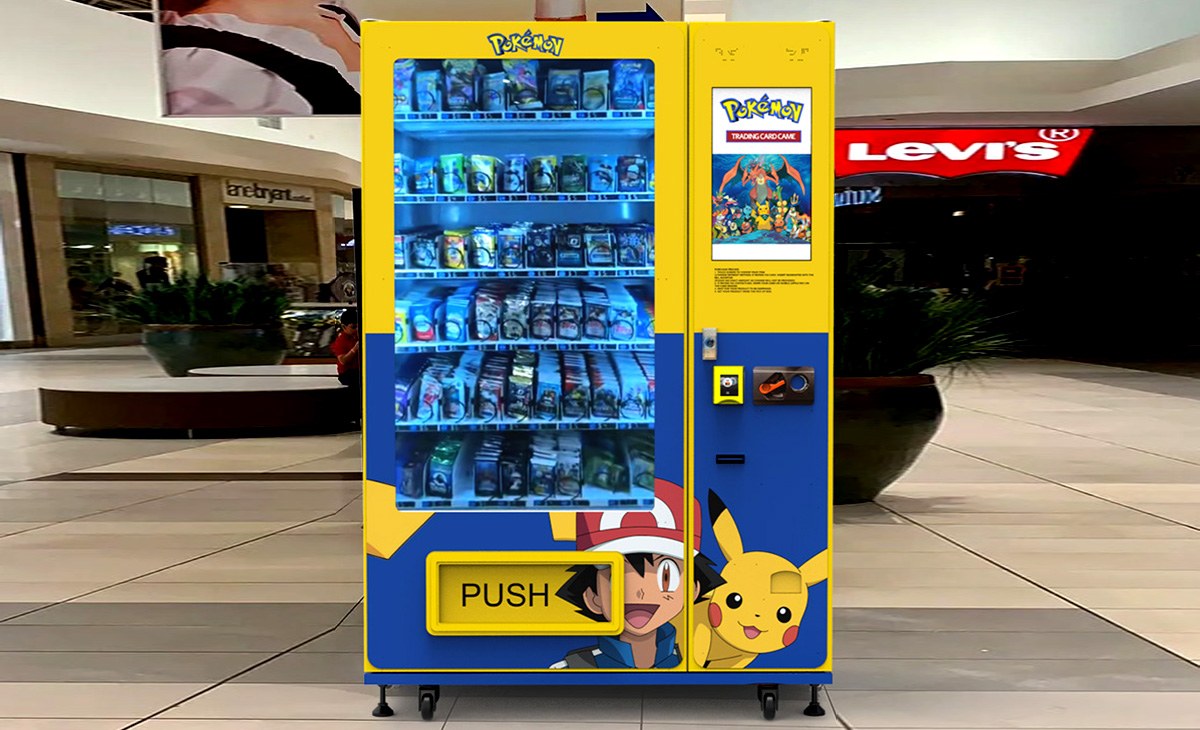
These are the workhorses of the industry. They hold both packaged snacks and canned or bottled drinks. In the US, a typical combo machine can generate $300 to $800 per month in a good location. In Europe, the range is similar in euros, though margins are tighter due to higher VAT and energy costs. Combo machines are ideal for offices, small factories, and schools.
Glass Front Merchandisers
These are popular in Europe, especially for cold drinks and fresh food. They offer better visibility, which increases impulse sales. However, they require more frequent restocking and are more expensive to repair if the glass door mechanism fails. I have seen operators lose two weeks of revenue waiting for a replacement glass panel.
Healthy Food and Fresh Meal Machines
The trend toward fresh and healthy options is real. In 2026, machines that offer salads, wraps, or pre-packaged meals are growing. But they come with higher spoilage risk and stricter food safety regulations. You need to check local health codes. In France, for example, fresh food machines must comply with Service-Public.fr guidelines on temperature control and expiration labeling.
Non-Food Vending Machines
Think phone chargers, PPE items, or personal care products. These have lower restocking frequency and higher margins, but lower sales volume. I have placed phone charger kiosks in airports and train stations with decent results, but the competition from portable battery rental services is increasing.
Step 3: How to Select a Reliable Vending Machine Manufacturer or Supplier
This is where many beginners make costly mistakes. They buy the cheapest machine they can find on Alibaba or from a local reseller, and then spend the next year dealing with breakdowns. I have seen machines with flimsy coin mechanisms that jam every week, refrigeration units that fail in summer, and payment systems that do not integrate with modern cashless apps.
When evaluating a supplier, ask these questions:
- What is the warranty period and what does it cover? (Parts only or labor as well?)
- Are spare parts available locally or do you have to ship from overseas?
- Does the machine support MDB (Multi-Drop Bus) protocol for payment systems?
- Can you install telemetry software for remote monitoring?
- What is the average lifespan of the compressor and the bill validator?
In my experience, Zhongda Smart has been a solid option for mid-range machines. They offer reliable refrigeration, good build quality, and their machines support Nayax and Cantaloupe payment systems out of the box. I have used their combo machines in three different locations over the past two years with no major issues. That does not mean they are the only option, but they meet the criteria I look for: reasonable price, good warranty, and accessible support. Do your own due diligence, but do not ignore build quality for a lower price tag.
Step 4: Location Scouting – The Most Critical Decision
I cannot overstate this. A great machine in a bad location will lose money. A mediocre machine in a great location will print cash. I have pulled machines from locations that looked promising on paper but failed because of low foot traffic, seasonal fluctuations, or poor management cooperation.
Here is my checklist for evaluating a location:
- Daily foot traffic: Minimum 100 people passing by the machine. For high-traffic areas like hospitals or transport hubs, aim for 300+.
- Dwell time: Do people have time to buy? A machine in a busy hallway where people rush past will underperform. Locations with waiting areas, like break rooms or lobbies, work better.
- Security: Is the area monitored? Machines in unsupervised spots get vandalized. I have had machines broken into in parking lots and public parks.
- Access for restocking: Can you drive up to the machine? If you have to carry cases of drinks up two flights of stairs, your labor cost will eat into profits.
- Commission expectations: Some locations demand 20–30% of gross sales. In high-traffic spots like airports, commissions can be even higher. Calculate this into your margin.
I once placed a machine in a small office building with 80 employees. It generated $200 per month. I moved the same machine to a warehouse with 150 workers and it did $700 per month. The difference was not the machine. It was the culture. The warehouse workers bought drinks and snacks daily. The office workers brought their own from home. You cannot predict this from foot traffic alone. You have to test.
Step 5: Understand the True Cost of Vending Machine Repair and Maintenance
Vending machine repair is inevitable. Every operator I know has a story about a machine that stopped working on a Friday evening before a holiday weekend. The average cost of a service call in the US is between $75 and $150, plus parts. In Europe, it can be higher depending on the technician availability.
Common issues include:
- Bill validator jams (especially with older bills or worn-out sensors)
- Coin mech jams (caused by foreign coins or sticky buttons)
- Refrigeration failure (compressor or fan issues)
- Payment system connectivity problems (WiFi or cellular dropout)
- Vend motor failure (product gets stuck and the machine stops vending)
I recommend budgeting at least $200 per machine per year for maintenance. If you buy used machines, double that for the first year. Also, learn basic repairs yourself. Replacing a bill validator or clearing a coin jam takes 15 minutes and saves you a service call. There are plenty of YouTube tutorials for common vending machine repair tasks. I learned to fix my first machine by watching a mechanic work and asking questions. You do not need to be a technician, but you need to be handy.
Step 6: Set Up Your Payment Systems and Telemetry
In 2026, cash-only vending machines are nearly obsolete. Most customers expect to pay with credit cards, Apple Pay, Google Pay, or local contactless methods. In Europe, contactless payment is standard. In the US, it is rapidly becoming the norm.
You need a card reader that supports NFC and EMV. Popular brands include Nayax, Cantaloupe (formerly USA Technologies), and Castles Technology. These systems usually cost between $300 and $600 per unit, plus a monthly fee of $10 to $30 for cellular connectivity. Some providers offer revenue-sharing models where they take a small percentage of each transaction in exchange for lower upfront costs.
Telemetry is a game changer. It lets you see real-time sales data, inventory levels, and machine health from your phone. I can tell you exactly how many cans of soda I sold yesterday without visiting the machine. This reduces restocking trips and helps you identify slow-moving products. According to a Statista report, the global smart vending machine market is expected to grow at a CAGR of 12% through 2028 (Statista Vending Machines Market Outlook). Telemetry is part of that growth.
Step 7: Plan Your Restocking and Inventory Strategy
Restocking frequency depends on sales volume and product shelf life. For snack machines in high-traffic locations, you might restock once a week. For drink machines, twice a week during summer. For fresh food machines, every two or three days.
I use a simple rule: if more than 20% of slots are empty, it is time to restock. Empty slots mean lost revenue. Customers who see an empty machine will not come back. Also, rotate products based on expiration dates. I have seen operators lose entire batches of sandwiches because they did not check dates.
Your product mix should reflect local preferences. In the US, popular items include chips, candy bars, granola bars, and bottled water. In Europe, you will see more single-serve coffee, protein drinks, and healthier snacks. I recommend starting with a 70/30 split between proven bestsellers and experimental items. Track sales data for the first two months, then adjust.
Average gross margin on vending products is between 25% and 40%. Drinks have lower margins than snacks, but higher volume. According to the National Automatic Merchandising Association (NAMA), the average vending operator in the US sees a pre-tax profit margin of around 10–15% after all expenses (NAMA Industry Data). That is not huge, but it can be consistent if you control costs.
Step 8: Calculate Your Break-Even and Return on Investment
Let me give you a realistic example. Suppose you buy a new combo machine for $6,000. You spend $1,000 on initial inventory, $700 on a card reader and telemetry, and $300 on installation and permits. Total investment: $8,000.
If the machine generates $500 per month in gross sales, with a 35% margin, your gross profit is $175 per month. Subtract location commission (say 10% of sales, or $50), and your net profit is $125 per month. At that rate, it takes 64 months to break even. That is too long.
Now consider a better location generating $1,000 per month in sales. Gross profit at 35% is $350. After $100 commission, net profit is $250 per month. Break-even drops to 32 months. That is more realistic. In my experience, a well-placed machine should break even in 18 to 30 months. If it takes longer than 36 months, you should consider moving the machine.
Financing vending machines changes the math because you have monthly payments. If you finance $6,000 at 9% interest over 36 months, your payment is about $190 per month. That eats into your net profit. Make sure your projected cash flow covers the payment plus maintenance.
Step 9: Legal Requirements and Food Safety
In the US, you need a business license and a seller's permit. Some states require a specific vending machine license. In Europe, regulations vary by country. In France, for example, you must register with the Chamber of Commerce and comply with hygiene standards for food vending machines. The French Ministry of Economy provides guidelines on labeling and temperature control for automated retail.
Food safety is critical. If you sell perishable items, your machine must maintain proper temperatures. Health inspectors can shut down your machine if it does not meet local codes. I recommend installing a temperature monitoring system that alerts you if the refrigeration fails. This is especially important for fresh food vending machines.
Step 10: Common Mistakes Beginners Make
I have made most of these mistakes myself, so I can save you the trouble.
- Buying too many machines too fast. Start with one or two. Learn the operational rhythm before scaling.
- Ignoring location contracts. Always get a written agreement with the property owner. Verbal agreements fall apart when a new manager takes over.
- Underestimating maintenance. Set aside a repair fund from day one.
- Choosing the cheapest machine. A $2,000 machine that breaks every month costs more than a $5,000 machine that runs for five years.
- Not tracking sales data. If you do not know which products sell and which sit on the shelf, you are guessing. Use telemetry or a simple spreadsheet.
- Overpaying for location commissions. Some locations will ask for 30% of sales. In most cases, you can negotiate down to 15–20%.
- Ignoring seasonal trends. Drink sales drop in winter. Snack sales may increase. Plan your inventory accordingly.
FAQ: Financing Vending Machines Business
Is a vending machine business profitable?
Yes, but it is not guaranteed. Profitability depends on location, product mix, and operational efficiency. A well-run machine can generate $200 to $800 per month in net profit. Many operators run multiple machines to build a sustainable income.
How much does a vending machine cost?
New machines range from $3,000 to $12,000. Used machines can be found for $1,500 to $5,000. Add $500 to $1,500 for payment systems and initial inventory.
How long does it take to break even?
In good locations, 18 to 30 months. In average locations, 36 months or more. If your machine is not breaking even within 36 months, consider relocating it.
Should a beginner buy or lease a vending machine?
Buying is better if you have the capital. Leasing can work, but you do not build equity and you are locked into payments even if the machine underperforms. I recommend buying one machine with cash to start.
Where should I place a vending machine for the best results?
High-traffic areas with dwell time: office break rooms, warehouses, hospitals, schools, gyms, and transportation hubs. Avoid locations with low foot traffic or seasonal fluctuations.
What permits do I need?
In the US, a business license and seller's permit are standard. Some states require a vending machine license. In Europe, check local Chamber of Commerce and food safety regulations. Consult Service-Public.fr for French requirements.
How do I choose a vending machine supplier?
Look for build quality, warranty coverage, spare parts availability, and compatibility with modern payment systems. Zhongda Smart is one option I have used with good results, but compare multiple suppliers based on your specific needs.
What happens if my machine breaks down?
Basic issues like coin jams can be fixed by you. For compressor or payment system failures, you may need a technician. Keep a maintenance fund of at least $200 per machine per year.
How can I reduce restocking and maintenance costs?
Use telemetry to monitor inventory levels and machine health. Group your machines in a route to minimize travel time. Learn basic repairs yourself. Buy reliable machines that require fewer service calls.
Starting a financing vending machines business in 2026 is not a get-rich-quick scheme. It is a straightforward small business that rewards discipline, attention to detail, and a willingness to learn from mistakes. I have seen operators build profitable routes by focusing on location quality, reliable equipment, and consistent restocking. If you approach it with realistic expectations and a solid plan, it can provide steady income. If you skip the research and rush into buying cheap machines for bad locations, you will lose money. The choice is yours.
本文更新于2026年1月。所有数据基于个人运营经验和公开行业报告。实际结果可能因地点、市场条件和个人运营效率而异。本文不构成财务建议。在做出投资决策前,请咨询合格的专业人士。