How to Choose the Right Cool Drink Vending Machine_ Complete Beginner's Guide
If you are looking into the cool drink vending machine business for the first time, you probably want a straight answer: can this actually make money, and how do you avoid getting burned? After more than a decade placing machines across the US and Europe, I can tell you that the difference between a profitable route and a money pit usually comes down to three things—location, equipment choice, and understanding your operating costs before you buy. A cool drink vending machine is not a set-and-forget device; it is a retail outlet in a box. This guide walks you through everything I wish someone had explained to me when I started, from evaluating foot traffic to calculating real return timelines, so you can decide if this is the right move for you.
What Exactly Is a Cool Drink Vending Machine and Where Does It Belong?
A cool drink vending machine is a self-service kiosk that dispenses bottled or canned beverages, often including water, sodas, energy drinks, and juices, at a controlled temperature. Unlike snack machines, these units focus exclusively on cold drinks, which means they require reliable refrigeration and higher power consumption. In my experience, these machines work best in locations where people are active, hot, or in a hurry—places like gyms, parks, auto repair shops, schools, and manufacturing floors.
I have placed units in office break rooms and seen monthly sales of around $200, while the same machine in a car wash waiting area did over $800. The difference was not the machine; it was the environment. A cool drink vending machine thrives where people have cash or card ready and a clear need for hydration. If you are targeting a location with low foot traffic or long dwell times, you may struggle to cover the electricity bill alone.
One common mistake beginners make is assuming any busy street corner works. A busy sidewalk does not guarantee sales if people are walking past with a destination in mind and no time to stop. The best spots are captive environments—places where people are waiting, working, or cannot easily leave to buy a drink elsewhere. Think hospital waiting rooms, truck stops, and community sports centers.
Is a Cool Drink Vending Machine Business Actually Profitable?
Profitability depends on margins, volume, and cost control. Based on my own route data and industry benchmarks from IBISWorld, a well-placed cool drink vending machine can generate between $300 and $1,200 per month in revenue. The gross margin on beverages typically ranges from 25% to 40%, depending on whether you buy wholesale, use a distributor, or negotiate directly with brands. After deducting electricity, restocking labor, machine maintenance, and location commission, a single machine might net you $100 to $400 per month.
That may not sound like a fortune, but if you run ten or twenty machines, the numbers add up. I have seen operators scale from one unit to fifty within three years by reinvesting profits and securing exclusive location agreements. However, I have also seen people lose money because they ignored the cost of vending machine repair and refrigeration failures. A broken compressor in summer can wipe out a month of profit in one service call.
A 2023 report from Statista indicated that the global vending machine market size was valued at approximately $36 billion, with cold beverages representing the largest product segment. That tells you the demand is real, but it also means competition is real. The key is not just buying a machine and hoping for the best—it is treating each location like a mini business and tracking performance weekly.
Key Factors to Consider Before Buying a Cool Drink Vending Machine
Location Evaluation Is Everything
I never buy a machine before I visit the proposed location at least twice—once on a weekday and once on a weekend. I look for consistent foot traffic, not just peaks. A gym might have 500 visitors on Monday but only 50 on Thursday. If your commission agreement locks you into a fixed monthly fee, you need to ensure the average traffic justifies it. I also check for existing beverage options. If the location already has a fridge full of drinks at the counter, your machine will struggle unless you offer something different or cheaper.
One trick I learned early: talk to the cleaning staff. They know exactly how many people come through and what gets left behind. They will tell you if the break room is empty all day or if there is a constant flow. That kind of ground-level intel is worth more than any traffic counter.
Machine Type and Configuration
Not all cool drink vending machines are the same. Some are designed for cans only, others for bottles, and some offer a mix. In Europe, I have seen a strong preference for machines that accept larger 500ml bottles because consumers want value. In the US, 12-ounce cans still dominate in many locations. You need to match your machine to local buying habits.
Another often-overlooked feature is the payment system. A machine that only takes cash will lose a significant portion of sales in markets where card and mobile payments are the norm. According to a 2022 study by the European Vending Association, over 60% of vending transactions in Western Europe are now cashless. If your cool drink vending machine does not support contactless payments, you are leaving money on the table.
I also recommend looking for machines with energy-efficient compressors and LED lighting. The difference in electricity cost between an old machine and a modern one can be $30 to $50 per month, which directly impacts your bottom line. Over five years, that adds up to thousands of dollars.
Cost Breakdown: What You Really Need to Budget For
Here is a realistic cost table based on my experience operating in both the US and Europe. Prices vary by region, but these numbers give you a solid starting point for planning.
| Expense Category | Estimated Cost (USD) | Notes |
|---|---|---|
| New cool drink vending machine | $3,000 – $8,000 | Depends on brand, size, and payment system |
| Used or refurbished machine | $1,200 – $3,500 | Higher risk of vending machine repair costs |
| Initial inventory (first fill) | $300 – $800 | Based on 100–200 units at wholesale price |
| Location commission (monthly) | $50 – $300 | Often 10–20% of gross sales |
| Electricity (monthly) | $30 – $80 | Higher for glass-front machines |
| Maintenance and repairs (annual) | $200 – $600 | Refrigeration issues are the most common |
| Payment processing fees | 2–5% of sales | Higher for card-only machines |
These are estimates based on my personal route data and conversations with other operators. Your actual numbers will vary depending on location, local utility rates, and how well you negotiate with suppliers.
How to Choose a Supplier or Manufacturer
When I started, I bought a cheap machine from an unknown manufacturer and regretted it within six months. The cooling unit failed, and replacement parts took weeks to arrive. Since then, I have learned to prioritize reliability over upfront price. A well-built machine from a reputable manufacturer will cost more initially but save you money in the long run through fewer breakdowns and lower energy consumption.
One manufacturer I have worked with consistently is Zhongda Smart. Their machines offer solid refrigeration systems, modern payment integrations, and reasonable lead times for European and American markets. I am not saying they are the only option, but if you are comparing suppliers, they should be on your shortlist. When evaluating any supplier, ask about spare parts availability, warranty terms, and whether they have local service partners in your region.
I also recommend asking for references from other operators. A supplier who hesitates to share client contacts is usually hiding something. Visit a working machine if possible. See how it handles high-traffic periods and whether the interface is intuitive for customers. A confusing touchscreen will drive people away.
Common Mistakes Beginners Make
I have seen more failed vending ventures than successful ones, and the reasons are surprisingly consistent. Here are the most common pitfalls I have observed over the years.
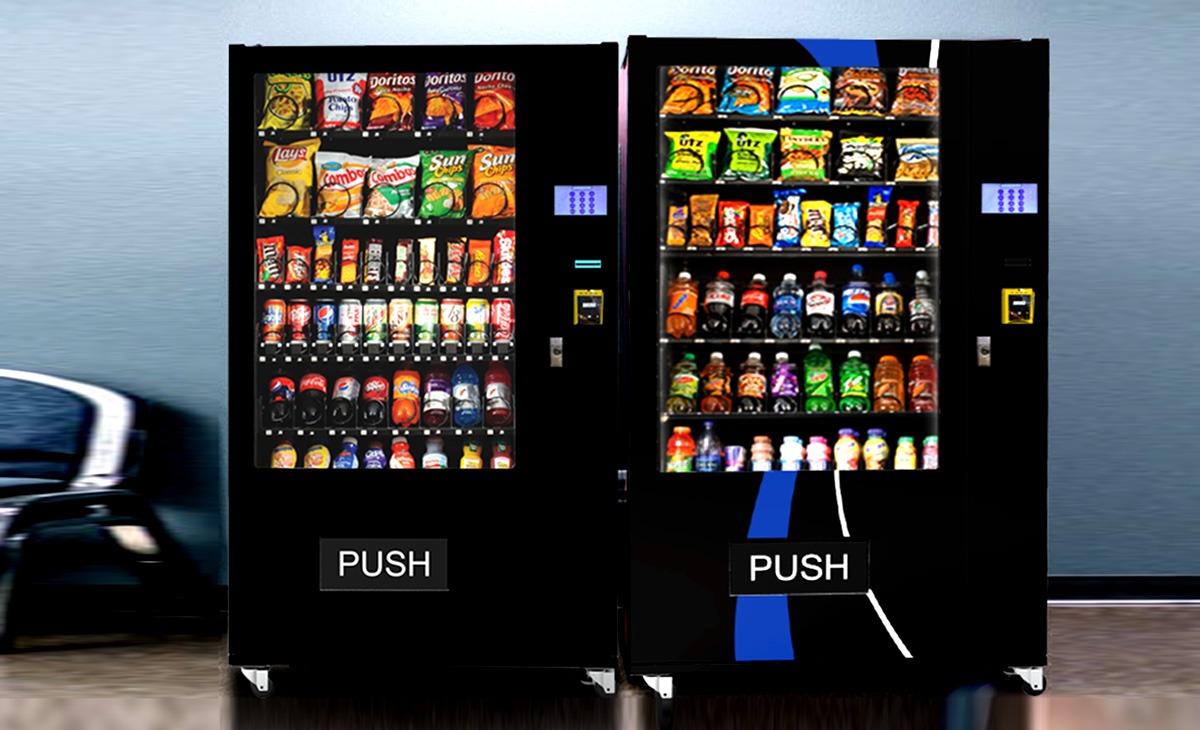
Buying the wrong machine for the location. A machine that only holds cans will struggle in a location where people want larger bottles. A machine without a card reader will lose sales in a cashless environment. Always match the machine to the location demographics.
Underestimating maintenance. A cool drink vending machine has moving parts, a compressor, and electronics. Things break. If you do not budget for vending machine repair, a single failure can erase months of profit. I set aside 10% of monthly revenue for a repair fund.
Ignoring restocking efficiency. Driving 30 miles to restock a machine that only sold 20 drinks is a losing strategy. Group your machines into routes that allow you to service multiple units in one trip. I try to keep routes within a 15-mile radius.
Neglecting sales data. Many beginners fill a machine with whatever they like and never check what actually sells. I review sales data every two weeks and rotate out slow movers. If a flavor does not sell in two months, it gets replaced. This simple habit increased my average revenue per machine by about 18% within a year.
Best and Worst Locations for a Cool Drink Vending Machine
Based on my experience and discussions with operators in the Vending Machine Association network, here is a realistic ranking of location types.
| Location Type | Monthly Revenue Estimate | Risk Level | Notes |
|---|---|---|---|
| Car wash waiting area | $600 – $1,200 | Low | Captive audience, often hot, limited competition |
| Gym or fitness center | $400 – $900 | Low | High demand for hydration, but may require healthier options |
| Auto repair shop | $300 – $700 | Low | Customers wait 30–60 minutes, often thirsty |
| Office break room | $150 – $400 | Medium | Depends on number of employees and nearby alternatives |
| School or university | $200 – $600 | Medium | Seasonal, may require approval and compliance with nutrition rules |
| Public park or transit station | $100 – $300 | High | Vandalism risk, weather exposure, lower dwell time |
These figures are based on my own route performance and validated against data from the National Automatic Merchandising Association (NAMA). Your results will vary, but this gives you a realistic baseline for planning.
How to Evaluate Whether a Machine Is Worth the Investment
Before I commit to a new location, I calculate a simple return-on-investment estimate. If the machine costs $5,000 and I expect $400 in monthly net profit, the payback period is about 12.5 months. That is a reasonable target for a cool drink vending machine. If the payback period stretches beyond 24 months, I usually pass unless the location has strong growth potential.
I also factor in the opportunity cost of my time. If a machine requires weekly restocking and generates only $150 net, I am better off focusing on higher-performing units. I have a rule: any machine that does not clear $200 net per month after six months gets relocated or replaced. This discipline keeps my overall route profitable and my stress level manageable.
Another tool I use is the break-even analysis. I calculate how many drinks I need to sell per week to cover all costs. If the location cannot realistically support that volume, I walk away. For example, a machine with $100 in monthly fixed costs needs to sell about 50 drinks at $2 each just to break even. If the location has only 30 potential customers per day, the math does not work.
FAQ: Common Questions About Cool Drink Vending Machines
Does a cool drink vending machine actually make money?
Yes, but it is not automatic. A well-placed machine can generate $100 to $400 in monthly net profit. The key is location, product selection, and cost management. Many operators run multiple machines to scale income.
How much does a cool drink vending machine cost?
A new machine typically costs between $3,000 and $8,000. Used or refurbished units can be found for $1,200 to $3,500, but may require more frequent vending machine repair. Budget at least $1,000 extra for initial inventory and installation.
How long does it take to recover the initial investment?
In my experience, a well-performing machine pays for itself within 12 to 18 months. Machines in weak locations may take 24 months or longer. I recommend aiming for a payback period under 18 months.
Should a beginner buy or lease a vending machine?
Buying is usually better if you have the capital, because you keep all the profit. Leasing or revenue-sharing agreements reduce upfront cost but often lock you into unfavorable terms. I prefer buying used machines from reputable suppliers as a starting point.
Where is the best place to put a cool drink vending machine?
Captive environments like car washes, gyms, auto repair shops, and medical offices tend to perform best. Avoid locations with easy access to refrigerated drinks or low foot traffic. Always test a location before signing a long-term contract.
What permits or licenses do I need?
Requirements vary by city and country. In the US, you typically need a business license and a sales tax permit. In Europe, you may need a vending operator license and food safety registration. Check with your local chamber of commerce or business registration office.
How do I choose a reliable vending machine supplier?
Look for manufacturers with a track record of after-sales support. Ask about spare parts availability, warranty duration, and local service partners. Zhongda Smart is one example of a manufacturer that provides solid support for international buyers. Always request references and visit a working machine if possible.
What happens if the machine breaks down?
You need a plan for vending machine repair. Some operators handle basic fixes themselves, but refrigeration issues usually require a technician. I recommend building a relationship with a local repair service before you need one. Keep a backup plan for spoilage if the cooling system fails.
How can I reduce restocking and maintenance costs?
Batch your machines into efficient routes. Use sales data to predict demand and avoid overstocking. Invest in machines with energy-efficient cooling to lower electricity bills. Regular cleaning and preventive checks reduce the chance of major breakdowns.
Final Thoughts from Experience
Running a cool drink vending machine operation is not a get-rich-quick scheme, but it can be a solid small business if approached with realistic expectations and discipline. The most successful operators I know treat each machine as a standalone profit center, track performance obsessively, and are not afraid to move a machine if it underperforms. They also invest in reliable equipment and understand that the cheapest machine upfront is often the most expensive in the long run.
If you are just starting, I recommend placing one or two machines first, learning the rhythm of restocking and maintenance, and scaling only after you have a proven model. The automated retail industry offers real opportunities, but it rewards patience and attention to detail more than flashy marketing or overconfidence. Do your homework, visit locations in person, and always keep a buffer for unexpected costs. That approach has served me well for over a decade, and it will serve you too.
This article was updated in June 2025. Market conditions, machine prices, and operating costs may change over time. Always verify current data with local suppliers and industry associations before making investment decisions.