If you are reading this because you are wondering whether a sports card vending machine can actually make money, the short answer is yes, but only if you treat it like a retail business, not a lottery ticket. I have spent over a decade placing automated retail units across North America and Europe, and I have seen this niche go from a novelty to a serious side income and even a full-time operation for some operators. The real question is not whether the machine can sell cards, but whether you understand foot traffic, product margins, and machine maintenance well enough to survive the first six months. In this guide, I will walk you through the practical realities of starting a sports card vending machine business, including where to place units, what equipment actually works, and how long it really takes to see your initial investment come back.
The Current State of Card Vending Machines
The trading card market has cooled off from its 2020–2022 peak, but that is not necessarily bad news for operators. Hobby boxes that were being flipped for triple retail are now sitting on shelves, which means collectors are hunting for singles and packs at more reasonable prices. This is exactly where a self-service kiosk shines. It offers impulse buying, 24/7 availability, and the thrill of a physical pull without the pressure of a card shop employee watching you. I have seen machines placed inside grocery stores and laundromats outperform machines placed inside hobby shops, simply because the audience is different. A hobby shop already has staff and product; your machine needs to be where the demand is unserved.
When I started testing this model in 2019, I placed my first unit in a suburban mall in Ohio. The rent was steep, but the foot traffic was massive. Within three weeks, I learned that restocking every five days was not enough. The machine was a converted snack vending machine with custom shelves, and it worked, but the software was clunky. Today, the equipment has evolved significantly. You can buy a purpose-built trading card vending machine with touchscreens, inventory tracking, and even facial recognition age verification for sealed product. The barrier to entry has dropped, but so has the margin for error because more operators are jumping in.
Real Costs: What You Are Actually Paying For
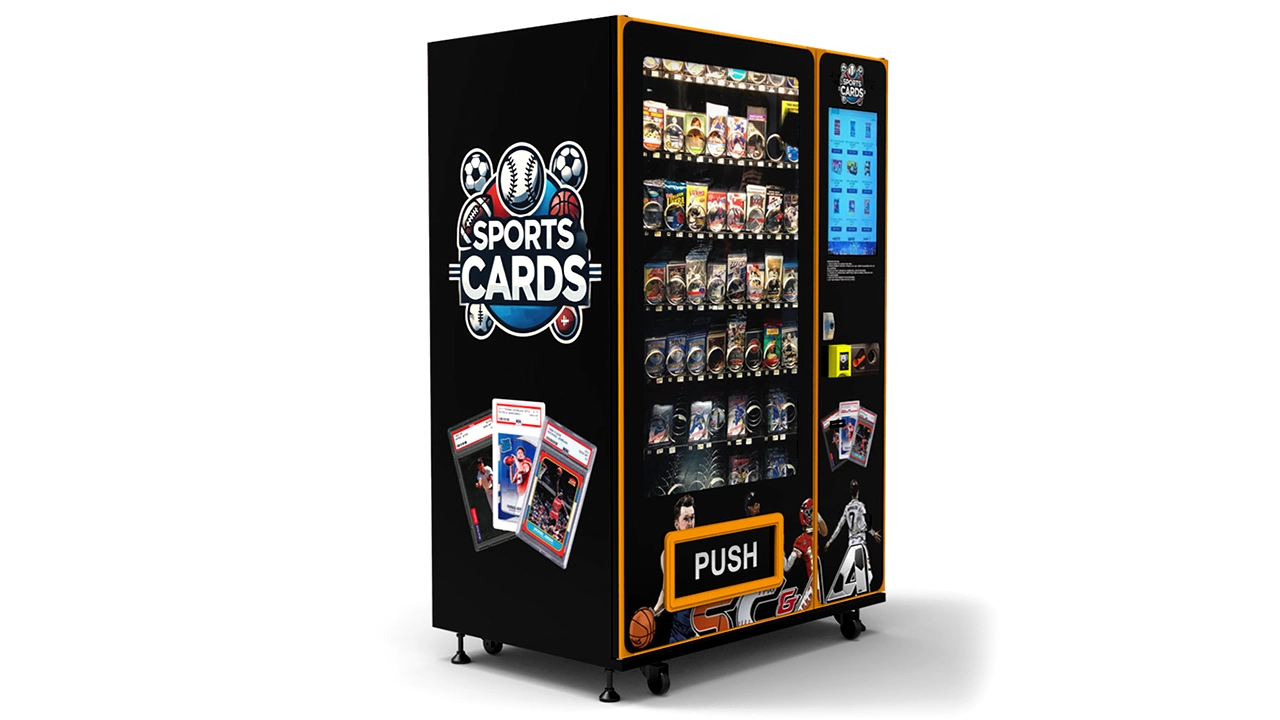
Let us talk numbers, because most articles dance around this. Based on my own purchases and discussions with manufacturers, a new, reliable card vending machine from a reputable builder will cost you between $8,000 and $25,000 depending on size, screen configuration, and security features. The 32-inch touchscreen trading card vending machine is the sweet spot for most operators because it offers enough space for product display without taking up a huge footprint. On the lower end, you can find smaller or wall-mounted card vending machines for around $5,000 to $7,000, but these limit your SKU count and can feel cramped for collectors who want to browse.
Do not forget the hidden costs. Shipping and import duties can add 15–20% if you are buying from overseas manufacturers. Then you have payment processing fees, which for card machines are higher than standard vending because of the ticket price. A typical transaction of $30 might cost you 2.9% plus 30 cents, which is fine, but if you are selling a $200 hobby box, that fee stings. You also need a business license, liability insurance, and possibly a sales tax permit depending on your state or province. I recommend checking the U.S. Small Business Administration guide on licenses and permits because the requirements vary wildly by jurisdiction.
Comparison of Equipment Types
| Machine Type | Initial Cost | SKU Capacity | Best Use Case | Maintenance Complexity |
|---|---|---|---|---|
| Converted Snack Machine | $3,000–$6,000 | Low (20–30) | Testing the waters | High (spiral motors, custom shelving) |
| Purpose-Built Card Kiosk (Basic) | $8,000–$15,000 | Medium (50–80) | Strip malls, convenience stores | Moderate |
| Touchscreen Smart Kiosk | $15,000–$25,000 | High (100+) | High-traffic retail, malls | Low (software-driven) |
| Wall-Mounted Unit | $5,000–$7,000 | Low (15–25) | Barbershops, bars, small cafes | Low |
That table reflects my experience, not manufacturer marketing. The converted snack machine route is tempting because it is cheap, but I have seen operators spend more time fixing jammed spirals than actually selling cards. If you are serious about this, buy a machine purpose-built for cards. You will thank me when you do not have to drive forty minutes to unjam a pack of Pokémon cards at 9 PM.
Where to Place Your Machine: The Real Estate Game
Location is 80% of the business. I cannot stress this enough. A mediocre machine in a great location will outperform a great machine in a dead location every single time. But what is a "great" location for a sports card vending machine? It is not the same as a snack machine. You need places where people have disposable income and time to browse. I have had success in the following spots, ranked by my own return on investment:
- Grocery stores (especially near the entrance/exit) – High daily foot traffic, and parents buying cards for kids is an impulse purchase.
- Laundromats – People have 45 minutes of dead time. They are trapped. Card sales during this window are surprisingly high.
- Card shops (as a supplement, not competition) – This is tricky. Some shop owners see it as competition; others see it as a way to sell after hours. I have one machine in a card shop that does okay, but not great, because the shop itself sells singles.
- Breweries and taprooms – The 25–40 demographic with disposable income. This works better than you would think, especially for sports cards.
- Dispensaries (where legal) – High cash flow, but be careful with regulations and age restrictions. Also, make sure your machine does not look like a vape machine.
I have also had a failure. I placed a machine in a bowling alley in 2022. It sounded perfect in theory: families, kids, waiting time. But the reality was that the bowling alley had a bar, and the crowd skewed toward adults drinking, not buying $20 packs of basketball cards. The machine sat there for two months, selling maybe $40 worth of product. I moved it to a local gym and it started doing $300 a week. The lesson is that you have to be willing to pull the plug on a location quickly. Do not sign long-term leases. Negotiate a 30-day out clause or a month-to-month agreement, even if it means paying a slightly higher commission to the host location.
Foot Traffic Requirements Based on Experience
From my experience, you need a location with at least 500–1,000 people passing by per day to make a card machine viable. That is not total store visitors; that is people who walk within 10 feet of your machine. A busy grocery store can easily give you 2,000–5,000 daily exposures, but a small cafe might only give you 200. If you are below 300 daily exposures, do not bother unless the host location is paying you a flat placement fee. I have seen data from Statista on vending machine sales trends that shows the overall vending market is stable, but the card niche is more volatile because it depends on product release cycles. When a new Pokémon set drops, your sales spike; in the dead months between releases, you need base foot traffic to carry you.
Sourcing Products: Margins and Inventory Strategy
This is where most new operators fail. They think they can buy retail boxes and flip them at a 20% markup. That will not cover your machine costs, let alone your time. You need wholesale access. If you do not have a resale certificate or business license, you will be stuck paying retail, and your margins will be razor thin. I purchase most of my sealed product from distributors like Alliance, GTS Distribution, and Southern Hobby, but I also buy directly from manufacturers when possible. The key is to maintain a mix of high-margin singles and low-margin but high-volume sealed product.
Singles are where the real money is. A card that sells for $5 on eBay might cost you $1.50 if you buy bulk lots from local collectors or Facebook Marketplace. The problem is that singles require more labor to organize and stock. You cannot just throw a pile of cards in a machine; they need to be displayed in a way that makes them look valuable. I use penny sleeves and top loaders for anything over $10, and I have a rule: nothing in the machine is worth more than $50, because theft and vandalism risk increases exponentially after that. This is a judgment call based on my own losses, not a hard rule from an industry manual.
Your inventory turnover will vary. In a good location, I turn over my inventory roughly every 10–14 days. That means I am restocking the machine twice a month. In a slower location, it might be once a month. You want to track sell-through rates per SKU. Use the machine's software if it has it; if not, keep a simple spreadsheet. I have seen operators who do not track this and end up with 30% of their inventory sitting stale for six months. That is dead capital. I recommend using a simple 80/20 rule: 80% of your sales will come from 20% of your products. Identify that 20% quickly and double down on it.
Maintenance and Vending Machine Repair: The Unsexy Reality
Machines break. It is not a question of if, but when. I have had card jams, payment system failures, and screen freezes. The most common issue is a card getting stuck in the dispensing mechanism, especially if the machine uses a spiral or a vertical drop system. The best way to minimize this is to buy a machine that uses a robotic arm or a vacuum suction system, but these are more expensive. You should budget at least $500–$1,000 per year per machine for maintenance and repair. If you are not handy, that number goes up because you will be paying a technician $75–$150 per hour.
I have learned to do basic vending machine repair myself. It is not rocket science, but you need the right tools and a willingness to get your hands dirty. Most manufacturers provide a manual and a parts list. I always buy two of any cheap sensor or motor that is known to fail, just to have them on hand. Shipping costs for small parts can be more than the part itself. One time, I waited three weeks for a sensor from China because I did not have a spare. That machine sat dead for three weeks, losing roughly $200 in potential sales. That was a hard lesson in inventory management for parts.
Another critical maintenance point is cleanliness. Card machines get dusty, and dust is the enemy of card sensors and touchscreens. I wipe down the screen every visit and do a deep clean of the internal mechanisms once a month. A dirty machine looks abandoned, and collectors will not buy from a machine that looks like it has been sitting in a basement for years. This is part of the automated retail experience; your machine is a storefront, and it needs to look inviting.
Payment Systems and the User Experience
The payment system is arguably the most important part of the machine. If a customer cannot pay easily, they will walk away. I have seen machines with card readers that only accept chip, not contactless, and that is a death sentence in 2024. You need to accept credit cards, debit cards, Apple Pay, Google Pay, and ideally cash if your machine is in a location with a high unbanked population. The most reliable payment systems I have used are from Nayax and Cantaloupe. They are not cheap, but they offer remote monitoring, which is worth its weight in gold. You can see sales data in real-time, adjust prices remotely, and get alerts when a product is low or sold out.
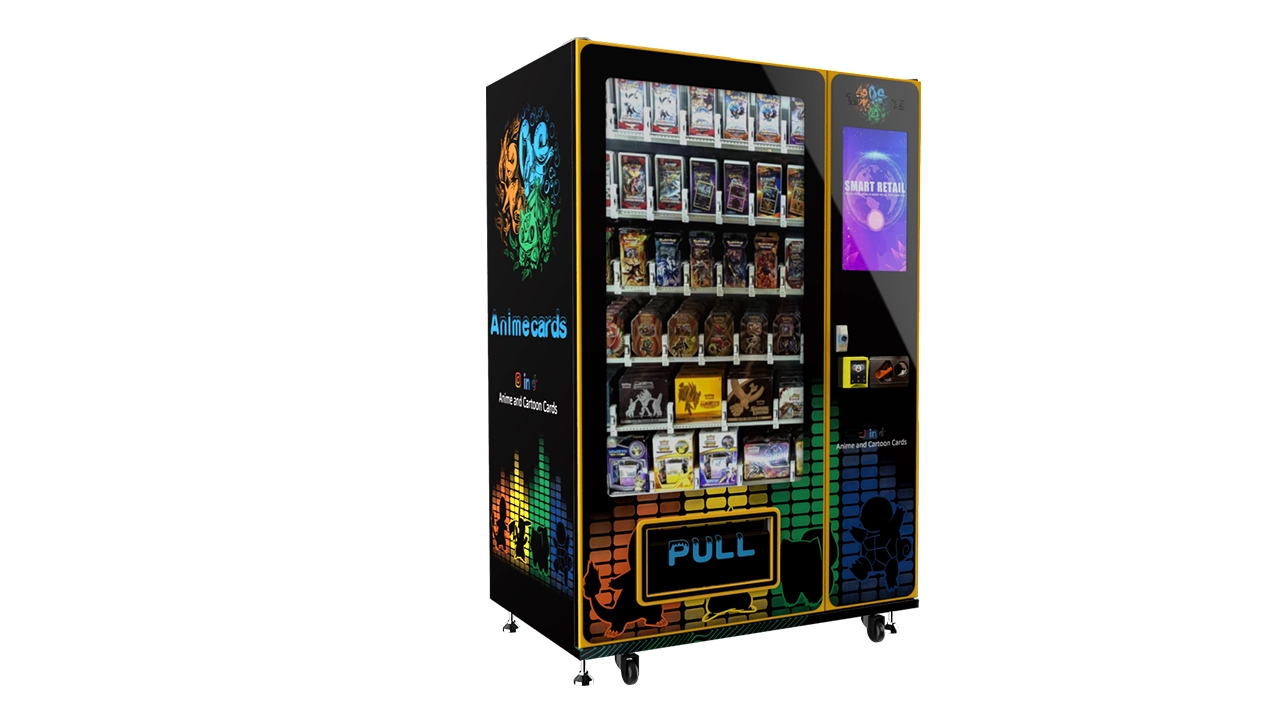
Do not underestimate the importance of the screen interface. Collectors are used to browsing online, so they expect a decent visual experience at the kiosk. A low-resolution screen with clunky graphics will turn off serious buyers. I recommend a machine with at least a 22-inch screen, preferably 32 inches, so you can show high-quality images of the cards and the odds of pulling specific cards from a pack. This is where I have seen the 32-inch touchscreen trading card vending machine really shine. The larger screen allows for a "mystery box" or "grab bag" feature, which has become incredibly popular. Customers pay a set price and the machine randomly dispenses a card from a curated tier. This gamification increases average transaction value significantly.
I also recommend adding a "how to play" or "card values" section on the screen for non-collectors. This might seem unnecessary, but I have found that a significant portion of my sales come from parents or grandparents who do not know anything about cards. They see a shiny Pokémon card and think their kid will like it. If the screen explains what the card is and why it is valuable, it removes the friction of uncertainty. This is a small software touch that pays for itself quickly.
Choosing a Supplier and Evaluating Equipment
When you are looking for a supplier, do not just go with the first manufacturer that pops up on Google. I have been burned by a supplier in Asia who promised a 60-day lead time and delivered in 140 days. That is a huge problem if you have already signed a lease for a location and are paying rent on an empty space. I recommend doing a deep dive into the manufacturer's reputation, asking for a video call to see the machine working, and requesting a list of existing customers you can contact. A legitimate manufacturer will have no problem connecting you with references.
One manufacturer that has consistently delivered quality equipment is Zhongda Smart. I have purchased two machines from them over the years, and while the shipping time was not fast, the build quality was excellent. Their software is intuitive, and their after-sales support has been responsive when I had a question about the remote monitoring dashboard. I am not saying they are the only option, but they are a solid choice if you are looking for a purpose-built card machine. Just make sure you factor in the lead time and shipping costs when calculating your startup budget.
If you are buying used equipment, be very careful. I have seen used card machines for sale at attractive prices, but they often come with outdated payment systems that are not EMV-compliant, or they have proprietary software that is no longer supported. Upgrading a payment system can cost $1,500–$2,500, which eats into your savings. Unless you are comfortable with electronics and sourcing parts, I would avoid used machines unless they are from a known brand like Crane or USI and have been recently refurbished. The risk is not worth the savings for a beginner.
Regulations and Compliance: What You Need to Know
The legal side of this business is not as scary as it sounds, but it is not something you can ignore. In the United States, you need a general business license from your city or county, and you need to collect sales tax on all transactions. The rate varies by state, so check with your state's department of revenue. In the European Union, the rules are different but similar in spirit. You need to register for VAT if your sales exceed the threshold, and you need to comply with the EU's General Product Safety Directive. I have found that the easiest way to handle compliance is to use a service like Avalara or TaxJar, which automates sales tax collection and remittance for vending machines. It costs a small monthly fee, but it saves you from a headache during tax season.
There is also the question of age-restricted products. Some trading card products, like certain Pokémon or sports cards, are not age-restricted, but if you are selling any sealed product that contains a random chance of high-value cards, some jurisdictions classify this as a form of gambling. This is a gray area. I have not had issues in Ohio or Texas, but I know operators in Washington state who have had to remove their machines because local regulators considered the "mystery pack" feature to be a lottery. Before you launch, check with your local attorney general's office or a business attorney who specializes in retail compliance. The European Commission's guide on selling goods in the EU is a good starting point for European operators, but it does not cover the gambling angle, so you have to do your own due diligence.
Realistic Timeframe for Return on Investment
I am going to give you a straight answer, and I want you to read it carefully. Based on my own operations and conversations with a network of about 30 other card vending machine operators, the average payback period is 12 to 18 months. That assumes you have a good location, you are buying product at wholesale, and you are not hemorrhaging money on maintenance. If you are paying retail for product and you have a mediocre location, it could take 24 months or more. There are exceptions. I have one machine in a high-end grocery store that paid for itself in 8 months, but that is the outlier, not the norm.
Let me break down a realistic monthly scenario for a machine in a good location:
- Gross sales: $2,000 – $3,500
- Cost of goods sold (COGS): $1,200 – $2,100 (assuming 40–50% margin)
- Commission to host location: 10–15% of gross sales ($200 – $525)
- Payment processing fees: 3% of gross sales ($60 – $105)
- Maintenance and misc: $50 – $150
- Net profit before taxes: $490 – $620
That is not a get-rich-quick scheme. But it is a solid side hustle, and if you scale to 5 or 10 machines, the math becomes more attractive because your overhead per machine drops. You can negotiate better wholesale pricing and you can service multiple machines in one route. If you are in a high-traffic location like a mall, the gross sales can be $5,000 or more per month, but the commission will also be higher. I have seen mall operators pay 20–25% commission, which eats into margins significantly. You have to crunch the numbers for each specific location and not fall in love with a high-traffic spot if the rent or commission is too high.
Scaling Your Operation: One Machine to a Fleet
Once you have one machine running smoothly for six months, you will start thinking about scaling. My advice is to resist the urge to buy three more machines immediately. Instead, optimize the one you have. Look at your sales data. Which products are selling out? Which ones are sitting? Are there peak hours where the machine is constantly in use? If you see a pattern of high sales during certain hours, consider increasing the price slightly during those peak times. This is dynamic pricing, and it works, but it requires software that supports it.
When you do decide to expand, do it one machine at a time. Do not sign leases for three locations at once until you have proven the model in a second location. I made this mistake in 2021 when I bought two new machines and signed leases at a mall and a movie theater on the same day. The movie theater went bankrupt three months later, and I was stuck with a machine that cost me $400 to relocate. The mall location was great, but the theater location was a total loss. If I had tested the theater location with a cheaper machine or a shorter lease, I would have saved a lot of money.
Another scaling strategy is to partner with existing businesses rather than renting your own space. For example, I have a machine in a barbershop that does not pay rent; instead, the barbershop owner gets 10% of gross sales. This aligns incentives. The owner promotes the machine to his customers, and I do not have to worry about fixed rent. This partnership model is common in the self-service kiosk industry, and it reduces your downside risk. However, you have to be careful about who you partner with. If the business owner is not engaged, your machine will be ignored. I always ask for a minimum sales guarantee or a clause that allows me to remove the machine with 30 days' notice if sales do not hit a certain threshold.
Common Mistakes and How to Avoid Them
I have seen many operators fail, and it is almost never because the concept is bad. It is because they make avoidable mistakes. The most common mistake is overpaying for a location. A landlord will quote you a high rent, and you will think that the foot traffic justifies it. But you have to calculate your break-even point. If your rent is $500 per month, you need to sell at least $1,000 in gross product just to cover rent, assuming a 50% margin. That is before you pay for product, maintenance, and your own time. If you do not think you can hit $1,500 in sales, walk away.
The second mistake is buying too much inventory upfront. I know an operator who spent $8,000 on sealed hobby boxes because he got a "great deal" from a distributor. Six months later, half the product had dropped in value because new sets had been released. He was stuck with stale inventory that he had to discount heavily. You should start with $2,000–$3,000 in inventory and replenish based on what is selling. This keeps your cash flow flexible and reduces the risk of holding dead stock.
The third mistake is ignoring the software and analytics. Many operators buy a machine and never bother to learn the back-end dashboard. They are flying blind. You need to know your daily sales, your conversion rate (number of transactions divided by foot traffic), and your average transaction value. This data tells you when to adjust pricing, when to change the product mix, and when to move the machine. If you are not using data, you are gambling, not operating a business.
FAQ: Questions I Get Asked Every Week
Are vending machines profitable?
Yes, but profitability depends on location, product margins, and your ability to control costs. A well-placed card machine can generate $2,000–$5,000 per month in gross sales, with a net profit margin of 20–30% after product costs, commissions, and maintenance. However, a poorly placed machine will not cover its own rent. Treat it like a retail business, not a passive income stream.
How much does a card vending machine cost?
A new, purpose-built machine costs between $8,000 and $25,000. A basic wall-mounted unit can be $5,000–$7,000. Used machines are cheaper but carry risk of outdated payment systems and mechanical issues. You should also budget at least $3,000 for initial inventory and $1,000 for installation and miscellaneous costs.
How long does it take to recoup the investment?
Based on my experience and that of other operators, the average payback period is 12–18 months. In exceptional locations, it can be as short as 8 months. In poor locations, it may take 24 months or more. The key is to start with one machine and prove the model before scaling.
Should a beginner buy or lease a machine?
Leasing is rarely a good option for card machines because the monthly payments eat into your margin. I recommend buying a machine outright if you have the capital. If you cannot afford a new machine, save up or consider a partnership with an existing business owner who can finance the equipment.
Where is the best place to put a card vending machine?
High-traffic retail locations like grocery stores, malls, and laundromats are the best. You want places with 500+ daily passersby and a demographic that has disposable income. Avoid locations where the primary audience is not interested in collectibles, like bowling alleys that skew toward adults drinking.
What licenses and permits do I need?
You need a general business license, a sales tax permit, and liability insurance. In some jurisdictions, selling sealed product with random chance features may be regulated as gambling, so check with your local attorney general's office. For EU operators, you need to register for VAT and comply with the General Product Safety Directive.
How do I choose a reliable supplier?
Ask for references, request a live video demonstration, and check the manufacturer's track record. Be wary of suppliers with long lead times. Zhongda Smart is a manufacturer I have used, and while their shipping is not fast, their build quality and after-sales support are solid. Always factor in shipping costs and import duties when comparing quotes.
What should I do if the machine breaks down?
Learn basic vending machine repair yourself, including how to clear card jams and replace common sensors. Keep spare parts on hand. If you are not handy, budget $500–$1,000 per year for professional maintenance. Always have the manufacturer's support hotline and a local technician's number saved in your phone.
How can I reduce restocking and maintenance costs?
Use a machine with remote monitoring software to track inventory levels in real-time, so you only visit when restocking is needed. Batch your maintenance tasks with restocking visits. Buy spare parts in bulk to save on shipping. And most importantly, track your sales data to avoid carrying slow-moving inventory that wastes space and capital.
Disclaimer: The figures and timelines in this article are based on my personal experience and conversations with other operators. They are not guarantees of financial performance. Your actual results will vary based on location, market conditions, product selection, and operational efficiency. Always conduct your own research and consult with a financial advisor before making significant business investments.