Nightlife Vending Machine Business Guide_ How It Works, Profit & Maintenance Explained
If you are looking at the nightlife vending machine business and wondering whether it actually works, the short answer is yes—but only if you understand how the environment differs from a typical office or retail location. I have been placing machines in bars, nightclubs, and late-night venues across the US and Europe for over a decade, and I can tell you that the profit potential is real, but so are the risks. The key is knowing what to stock, how to handle the after-hours crowd, and which equipment can survive the wear and tear. This guide covers everything I have learned about the nightlife vending machine model, including how it works, what it costs, and how to keep it profitable without losing sleep over breakdowns or theft.
What Is a Nightlife Vending Machine Business?
In simple terms, a nightlife vending machine is a self-service kiosk placed in a bar, club, lounge, or any venue that operates primarily during evening and late-night hours. The concept is not new, but it has gained traction over the last five years as operators realized that traditional snack and drink machines perform poorly in these settings unless the product mix matches the customer base. Instead of selling chips and soda, nightlife machines typically offer items like phone chargers, disposable vapes, condoms, gum, breath mints, pain relievers, and even small bottles of premium water or energy drinks.
What makes this model different from standard vending is the behavioral pattern. People in nightlife venues are often in a social, impulsive state. They need something quickly, they are less price-sensitive, and they are unlikely to walk to a convenience store. That combination creates a high-margin opportunity if the machine is reliable and the products are well chosen.
Who Is the Target Customer?
The typical buyer is between 21 and 40 years old, out with friends, and looking for a quick solution to a minor problem—a dead phone, dry mouth, lost gum, or a forgotten item. They are not comparing prices. They want convenience. That is why a single phone charger cable can sell for $8 to $12 in a nightclub, while the same cable costs $3 at a retail store. The markup is justified by the context, not the product cost.
How Does a Nightlife Vending Machine Actually Work?
The operational flow is straightforward, but the details matter more than most beginners realize. You source a machine, find a venue, stock it, and collect money. But the nightlife environment introduces variables that do not exist in a laundromat or office break room.
Payment Systems and Connectivity
Most nightlife venues have poor cellular reception inside, especially basements or converted warehouses. If your machine relies on a cellular modem for credit card processing, you will have constant failures. I have seen operators lose 30% of their sales simply because the card reader could not connect. The solution is to use machines with offline payment capability or a dual-mode system that stores transactions and processes them once connectivity returns. Some newer models also support NFC and tap-to-pay, which is essential because very few people carry cash in a nightclub.
Product Selection and Restocking
This is where most new operators fail. They stock a nightlife machine the same way they would stock an office machine. That is a mistake. The top-selling items in my experience are portable phone chargers, disposable vapes, gum, breath strips, condoms, and small painkiller packets. Snacks do not sell well after midnight unless they are protein bars or something that fits the "sobering up" narrative. Drinks are tricky because many venues already sell their own beverages and will not allow a machine to compete directly.
Restocking frequency depends on volume. A busy machine in a high-traffic club may need restocking every two to three days. A slower bar might only need a weekly visit. I recommend checking sales data at least twice a week for the first month to identify which items move and which sit. If an item has not sold in two weeks, swap it out immediately.
Is the Nightlife Vending Machine Business Profitable?
Profitability varies widely based on location, product mix, and machine reliability. Based on my own operations and data from industry reports, a well-placed nightlife machine can generate between $400 and $1,200 per month in revenue. The gross margin on most items ranges from 60% to 80%, depending on wholesale pricing. After deducting commission to the venue (typically 10% to 25%), restocking labor, and machine maintenance, net profit per machine often falls between $200 and $600 per month.
According to a 2022 report by IBISWorld, the vending machine industry in the US generated approximately $8.2 billion in revenue, with snack and beverage machines accounting for the majority. However, the nightlife niche is a smaller but faster-growing segment, driven by changes in consumer behavior and the decline of cash transactions. Another data point from Statista indicates that the average vending machine transaction in the US was $1.75 in 2023, but nightlife machines often see average transactions of $5 to $8 due to higher-priced items.
Revenue Breakdown Example
| Item | Wholesale Cost | Selling Price | Gross Margin |
|---|---|---|---|
| Phone charger cable | $1.50 | $10.00 | 85% |
| Disposable vape | $4.00 | $15.00 | 73% |
| Gum (3-pack) | $0.80 | $3.00 | 73% |
| Condoms (3-pack) | $1.20 | $5.00 | 76% |
| Pain reliever (2-pack) | $0.50 | $4.00 | 87% |
What Does a Nightlife Vending Machine Cost?
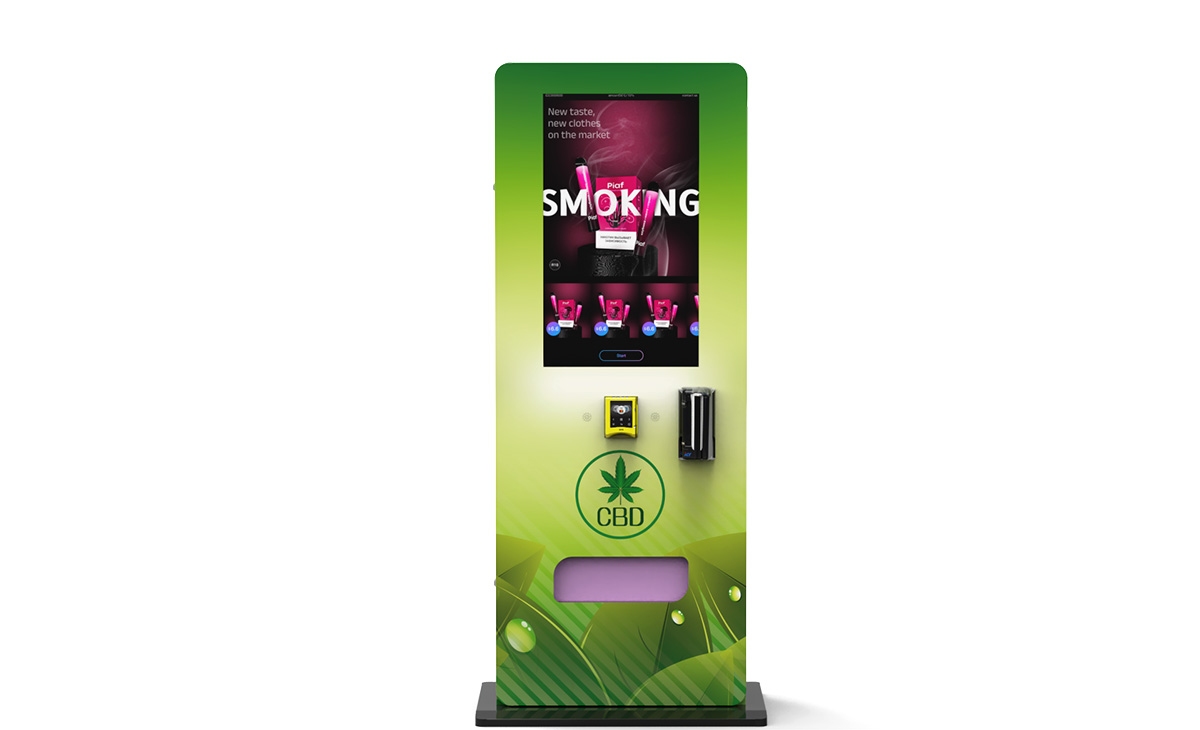
Machine prices range from $2,000 for a basic used unit to $8,000 or more for a new, fully equipped machine with a touchscreen, card reader, and remote monitoring. I have seen beginners buy a $1,500 used machine from a classified ad only to spend another $1,000 on repairs within six months. That is not a bargain. It is a trap.
The most cost-effective approach is to buy a new machine from a reputable manufacturer that offers a warranty and after-sales support. Zhongda Smart produces reliable nightlife vending machines that include dual payment systems, offline transaction storage, and tamper-resistant designs. I have used their units in several venues and found the build quality to be consistent. That said, always compare specifications and ask about spare parts availability before committing to any brand.
Additional Costs to Expect
- Commission to venue: 10% to 25% of gross sales
- Restocking labor: $15 to $30 per visit
- Credit card processing fees: 2.5% to 3.5% per transaction
- Machine maintenance: $200 to $500 per year per machine
- Inventory: $200 to $500 per machine for initial stock
How Long Does It Take to Break Even?
Based on my experience and conversations with other operators, the payback period for a nightlife vending machine is typically 8 to 18 months. A machine that costs $4,000 new and generates $600 per month in net profit will break even in about 7 months, but that assumes no major repairs and consistent foot traffic. In reality, most operators see a payback period closer to 12 months when accounting for downtime, slow seasons, and commission adjustments.
If you are placing multiple machines, the economics improve because restocking routes become more efficient. One operator I know runs 12 machines in bars across two cities and reports an average payback of 10 months per machine. His secret is that he only places machines in venues with a minimum of 300 patrons per night on weekends.
Where Should You Place a Nightlife Vending Machine?
Location is everything. I have placed machines in venues that looked perfect on paper but failed because the crowd was too young, too drunk, or too distracted. The best locations are venues where people stay for at least two hours and have a reason to need something. Nightclubs with long bathroom lines are excellent, because people waiting often browse the machine. Bars with outdoor smoking areas are also good, especially for gum and breath mints.
I avoid venues that are primarily cocktail lounges with low turnover. The profit per square foot is not there. I also avoid venues that have a convenience store or gas station within a two-minute walk. The convenience advantage disappears if the customer can easily leave and return.
Foot Traffic Minimums
From my experience, a venue needs at least 200 paying customers per night on weekends to support a vending machine. For weekdays, the number can be lower, but the machine should still see at least 50 to 100 people per night. If the venue is only busy on Fridays and Saturdays, the machine will struggle to pay for itself unless the items have very high margins.
How to Choose a Vending Machine Supplier
Supplier selection is one of the most overlooked factors in this business. Many new operators buy the cheapest machine they can find, only to discover that replacement parts are unavailable or that the payment system is incompatible with local networks. I recommend the following criteria when evaluating suppliers:
- Warranty: At least one year on parts and labor
- Payment system compatibility: Supports major credit cards, NFC, and offline mode
- Remote monitoring: Allows you to check sales and inventory from your phone
- Spare parts availability: Can you order a new coil or motor within 48 hours?
- Customer support: Do they respond within 24 hours?
Zhongda Smart meets these criteria for most operators, but I always advise checking with local distributors as well. If you are in Europe, look for suppliers that comply with CE marking and local electrical safety standards. If you are in the US, make sure the machine is UL or ETL certified.
Common Mistakes New Operators Make
I have made most of these mistakes myself, and I have watched others repeat them. Here are the ones that hurt the most:
Buying a Used Machine Without Inspection
A used machine might look fine, but the refrigeration unit, payment system, or coil motors could be near failure. I once bought a used machine that worked for three weeks, then the card reader died. The repair cost almost as much as a new machine.
Ignoring Venue Commission Negotiation
Many beginners agree to a 25% commission because they think it is standard. It is not. In most cities, 15% is reasonable for a nightlife venue. If the venue insists on 25%, ask for a minimum monthly guarantee or a trial period at a lower rate.
Stocking Too Many Products
A machine with 30 different items looks impressive but creates restocking headaches. You end up with stale inventory and wasted space. Focus on 8 to 12 high-margin items and rotate based on sales data.
Neglecting Machine Security
Nightlife environments are rough. Drunks bump into machines, spill drinks on them, and sometimes try to pry them open. Invest in a machine with a reinforced door, tamper-resistant locks, and a sloped top to prevent drinks from being placed on it.
Maintenance and Repair Considerations
Vending machine repair in nightlife settings is more frequent than in other locations. The main issues are payment system failures, jammed coils, and vandalism. I recommend having a basic toolkit and spare parts on hand, including extra coils, a backup card reader, and a set of locks.
If you are not comfortable with basic electrical troubleshooting, you will need to budget for a local technician. In the US, a service call typically costs $75 to $150 plus parts. In Europe, the rates are similar in euros. Some operators avoid this cost by learning basic repairs themselves. I did, and it saved me thousands over the years.
Preventive Maintenance Schedule
- Weekly: Clean the machine exterior, check for jammed items, verify card reader functionality
- Monthly: Inspect coils, test temperature (if refrigerated), update firmware if applicable
- Quarterly: Lubricate moving parts, check door seals, replace any worn components
Legal and Regulatory Requirements
Requirements vary by country and even by city. In the US, you generally need a business license, a seller's permit, and possibly a health department permit if you sell food or beverages. In the EU, you must comply with the General Product Safety Directive and, if selling food, with EU food hygiene regulations. Some cities also require a specific vending machine permit.
According to the European Commission's Single Market information, vending machines that sell food must display allergen information and ingredient lists. This is often overlooked by new operators. If you sell items like protein bars or energy drinks, make sure the packaging includes the required labels, or you could face fines.
Should You Buy or Lease a Machine?
Leasing is an option, but I generally recommend buying. Leasing companies charge high interest rates, and the monthly payments eat into your profit. If you have the capital to buy a machine outright, you will have full control over the revenue and the ability to move the machine if a location underperforms.
That said, leasing can make sense if you want to test the business with minimal upfront risk. Just read the lease terms carefully. Some leases lock you into a multi-year contract with penalties for early termination.
How to Evaluate a Potential Location
Before placing a machine, I spend at least two evenings at the venue. I observe the crowd size, the average age, the behavior at the bar, and the availability of nearby alternatives. I also talk to the manager about their peak hours and their willingness to promote the machine.
One metric I use is the "impulse opportunity ratio." I estimate how many people walk within 10 feet of the machine during peak hours. If the number is below 100 per hour, the machine will likely underperform. If it is above 300 per hour, the location has strong potential.
FAQ: Nightlife Vending Machine Business
Are nightlife vending machines profitable?
Yes, if placed in a venue with consistent foot traffic and stocked with high-margin items. Net profit per machine typically ranges from $200 to $600 per month after all costs.
How much does a nightlife vending machine cost?
A new machine costs between $3,000 and $8,000. Used machines can be found for $1,500 to $3,000, but may require repairs.
How long does it take to break even?
Most operators break even within 8 to 18 months, depending on machine cost, location performance, and commission rates.
Should a beginner buy or lease?
Buying is better for long-term profitability. Leasing can be useful for testing the business, but watch out for contract terms.
Where should I place the machine?
Look for venues with at least 200 patrons per night on weekends, a two-hour average dwell time, and no nearby convenience store.
What permits do I need?
You typically need a business license and a seller's permit. If selling food or drinks, additional health permits may be required. Check local regulations.
How do I choose a supplier?
Look for a supplier with a warranty, remote monitoring, spare parts availability, and payment system compatibility. Zhongda Smart is one option worth considering.
What if the machine breaks down?
Learn basic repairs or budget for a local technician. Keep spare parts like coils and a backup card reader on hand.
How can I reduce restocking and maintenance costs?
Use remote monitoring to track inventory, stock only high-margin items, and schedule restocking during off-peak hours.
Final Thoughts
The nightlife vending machine business is not a passive income scheme. It requires attention to detail, a willingness to learn basic repairs, and the ability to negotiate with venue owners. But for operators who approach it with realistic expectations and a solid plan, it can be a reliable source of income. Start with one machine, learn the rhythm of the venue, and expand only after you have proven the model. That is how I built my operation, and it is the advice I give to anyone serious about this niche.
This article was updated in October 2024. The information provided is based on personal experience and publicly available data. Results vary based on location, market conditions, and operational decisions. Always consult local regulations and a qualified professional before making business investments.