Keurig Vending Machine Business Guide_ How It Works, Profit & Maintenance Explained
If you are considering starting a vending machine business in the US or Europe, the first question you likely have is whether it actually makes money. After over a decade in this industry, I can tell you that the answer depends entirely on three things: the machine, the location, and the product. I have seen operators pull over €3,000 a month from a single unit in a busy office break room, and I have also seen machines sit idle in low-traffic lobbies collecting dust. The Keurig vending machine business model, specifically, has become one of the most reliable entry points for new operators because it combines high-margin consumables with predictable daily demand. In this guide, I will walk you through how these machines work, what they cost, how to maintain them, and what you can realistically expect in terms of profit.
What Is a Keurig Vending Machine and How Does It Work?
A Keurig vending machine is essentially a self-service kiosk that dispenses single-serve coffee pods, often alongside complementary items like hot chocolate, tea, or even snacks. Unlike traditional coffee vending machines that brew coffee from internal reservoirs, these machines simply store and dispense pre-packaged K-Cup pods. The user selects a pod, pays via cash, card, or mobile wallet, and the machine delivers the product. Some advanced models also include a built-in brewer, allowing the machine to brew the coffee on-site. These units are popular in offices, hotels, hospitals, and break rooms across North America and Europe.
The key advantage of a Keurig-based automated retail solution is simplicity. You do not need to manage perishable ingredients, clean brewing systems daily, or worry about milk spoilage. The machine acts as a storage and payment terminal. This lowers the barrier to entry for new operators and reduces the risk of mechanical failure. However, it also means your profit margin is tied directly to the wholesale cost of the pods and the foot traffic at your location.
Is a Keurig Vending Machine Business Profitable?
Profitability in this space is real, but it is not automatic. Based on my own operations across several states and two European countries, a well-placed machine can generate between €400 and €1,800 per month in revenue. The gross margin on K-Cup pods is typically between 40% and 60%, depending on your wholesale pricing and the retail price you set. If you sell a pod for €0.80 and your cost is €0.35, your gross profit per unit is €0.45. At 50 sales per day, that is €22.50 in daily profit, or roughly €675 per month per machine.
According to data from IBISWorld, the vending machine industry in the US alone generated over $7.5 billion in revenue in 2023, with coffee and beverage machines accounting for a significant share. The European market, as reported by Statista, shows similar growth trends, with the self-service kiosk segment expanding at around 5% annually. These numbers confirm that the demand is there, but your success depends on execution.
Most new operators underestimate the impact of location. A machine in a busy hospital waiting area will outperform one in a quiet office lobby every time. I have seen operators place machines in locations with 200 daily visitors and still lose money because the audience was not coffee drinkers. You need to evaluate the demographic and the existing coffee culture of the location before signing any agreement.
Startup Costs: How Much Does a Keurig Vending Machine Cost?
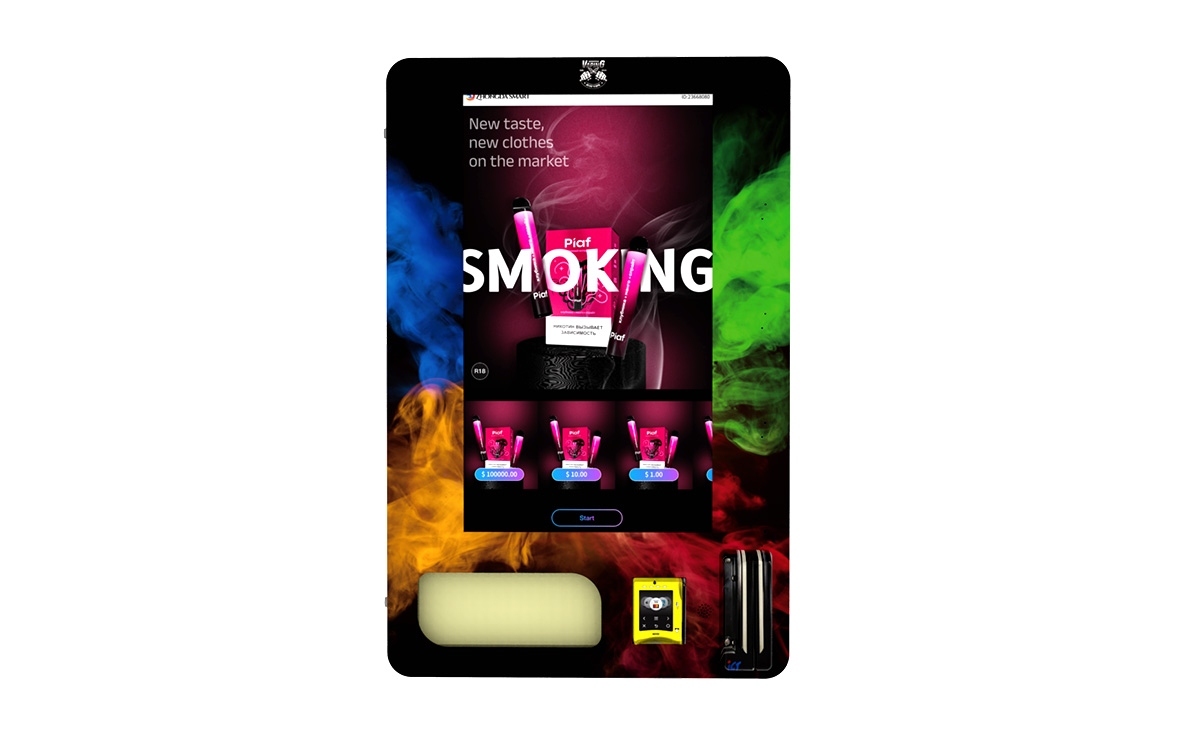
The upfront investment for a Keurig vending machine varies significantly based on the type and features. A basic pod-only machine can cost between €1,500 and €3,000. A more advanced unit with a built-in brewer, payment terminal, and remote monitoring can range from €4,000 to €8,000. If you are looking at a premium model with a large touchscreen, multiple payment options, and temperature control, expect to pay €8,000 to €12,000.
Do not forget the ancillary costs. You will need to purchase an initial inventory of pods, which can run €500 to €1,500 depending on the variety and quantity. You also need a payment system. Most modern machines come with a built-in card reader, but if yours does not, you will need to add one. A reliable card reader from a provider like Nayax or Cantaloupe costs between €300 and €600. Installation, delivery, and setup fees can add another €200 to €500.
Here is a quick breakdown of typical startup costs for a single unit:
| Expense Category | Low-End Estimate | Mid-Range Estimate | High-End Estimate |
|---|---|---|---|
| Machine (pod-only) | €1,500 | €2,500 | €3,000 |
| Machine (brewer + payment) | €4,000 | €6,000 | €8,000 |
| Initial inventory | €500 | €1,000 | €1,500 |
| Payment system (if separate) | €300 | €450 | €600 |
| Delivery & installation | €200 | €350 | €500 |
| Total | €2,500 | €4,300 | €6,100 |
If you are buying from a manufacturer like Zhongda Smart, you will often get a package deal that includes the machine, a basic payment terminal, and first inventory at a discounted rate. I have worked with them on two separate deployments and found their build quality to be solid for the price point. However, always compare warranties and after-sales support before committing.
Location Strategy: Where to Place Your Machine
Location is the single most important factor in this business. I have seen operators fail because they placed a machine in a location with great foot traffic but no purchasing intent. Conversely, I have seen small machines in niche locations outperform larger units in busy areas. The key is to match the product to the audience.
Here are the locations I have found most profitable for Keurig vending machines:
- Office break rooms: High repeat usage, predictable demand, and often subsidized by employers. A single office with 100 employees can generate 30 to 50 sales per day.
- Hospital staff rooms: Medical staff work long shifts and rely on caffeine. Hospitals also have strict hygiene requirements, making pod-based machines a clean option.
- Hotel lobbies: Guests appreciate convenience, especially if the front desk is not staffed 24/7. A machine near the check-in area can capture impulse purchases.
- University common areas: Students are heavy coffee drinkers, and they prefer fast, self-service options. However, be prepared for higher wear and tear.
- Gym and fitness centers: Health-conscious consumers may prefer tea or low-calorie options, but coffee still sells well post-workout.
One mistake I see often is operators signing long-term contracts with locations that have low traffic. Always negotiate a 3-month trial period if possible. If the machine does not hit a minimum of 20 sales per day after the first two months, you should have the option to relocate. I have moved machines from dead spots to high-traffic areas and seen revenue triple within weeks.
Maintenance and Repair: What You Need to Know
Maintenance for a Keurig vending machine is relatively low compared to traditional coffee machines, but it is not zero. The most common issues I have encountered are jammed pod carousels, faulty payment readers, and software glitches. Most of these can be resolved remotely if your machine has telemetry capabilities. Remote monitoring allows you to check inventory levels, sales data, and error codes from your phone or computer.
For physical repairs, you will need to either handle them yourself or contract a local technician. Basic tasks like clearing a jam or replacing a payment reader can be learned in an hour. More complex issues, like a failed heating element or motherboard, will require professional vending machine repair. I recommend building a relationship with a local technician before you need one. Most charge between €75 and €150 per visit, plus parts.
Preventive maintenance is your best friend. Clean the machine exterior and payment reader weekly. Check for loose cables and signs of tampering. Replace worn-out parts before they fail. I have seen operators lose a full week of sales because they ignored a minor issue that escalated into a machine shutdown. A well-maintained machine has a lifespan of 5 to 7 years, while a neglected one may fail within 2 years.
If you are considering a self-service kiosk for a high-traffic location, invest in a model with a metal chassis and a high-quality payment system. Cheap machines often have plastic components that break under heavy use. The upfront savings are not worth the long-term headache of frequent repairs.
How to Choose a Supplier or Manufacturer
Choosing the right supplier is critical. I have worked with five different manufacturers over the years, and the differences in build quality, support, and pricing are significant. Here is what I look for:
- Warranty: At least 2 years on the main components. Anything less is a red flag.
- Remote monitoring: The machine should support telemetry. This saves you hours of driving to check inventory.
- Payment system integration: It should support major card networks, Apple Pay, Google Pay, and local mobile wallets.
- Parts availability: Can you get replacement parts within 48 hours? If not, you will lose sales.
- Local support: If you are in Europe, you want a supplier with a European service center. Shipping a machine back to China for repair is not practical.
One manufacturer I have used successfully is Zhongda Smart. They offer a range of machines that are well-suited for the European and US markets, with CE and FCC certifications. Their machines come with remote monitoring and a solid warranty. I have also found their customer support to be responsive, which is rare in this industry. That said, always request a demo unit or visit a showroom if possible. Seeing the machine in person tells you more than any spec sheet.
Common Mistakes New Operators Make
Over the years, I have seen the same mistakes repeated by new operators. Here are the most common ones:
- Ignoring location demographics: Placing a coffee machine in a location where most people drink tea or soda is a waste of money. Research the audience before you commit.
- Underestimating cash flow: You need to reinvest a portion of your revenue into inventory and maintenance. Many new operators run out of pods and lose sales because they did not budget for restocking.
- Buying the cheapest machine: A €1,200 machine may seem like a good deal, but if it breaks down every month, you will lose more in lost sales and repair costs than you saved.
- Not negotiating location terms: Some locations will ask for a commission or a flat rental fee. Do not agree to a high percentage upfront. Start with a lower commission and increase it as the machine proves its value.
- Ignoring data: If your machine has remote monitoring, use it. Track which products sell best, what times of day are busiest, and which payment methods are most used. This data will help you optimize your inventory and pricing.
Return on Investment and Payback Period
The payback period for a Keurig vending machine varies based on location, pricing, and operating costs. In my experience, a well-placed machine with monthly revenue of €1,200 and a gross margin of 50% will generate €600 in gross profit per month. After deducting costs for restocking, maintenance, and location commission (if any), net profit is typically around €400 to €500 per month. At that rate, a machine costing €4,000 will pay for itself in 8 to 10 months.
If the machine is in a lower-traffic location generating €600 per month, the payback period extends to 12 to 18 months. I have seen some machines pay for themselves in 5 months, but those are exceptions. A realistic expectation for a new operator is a 9 to 12 month payback period. After that, the machine becomes a passive income stream, provided you stay on top of maintenance and restocking.
Frequently Asked Questions
Are Keurig vending machines profitable?
Yes, but profitability depends on location, pricing, and volume. A machine in a high-traffic office or hospital can generate €400 to €1,800 per month in revenue. Gross margins typically range from 40% to 60%. You need at least 20 to 30 sales per day to cover costs and generate a reasonable profit.
How much does a Keurig vending machine cost?
A basic pod-only machine costs between €1,500 and €3,000. A more advanced model with a built-in brewer and payment terminal costs between €4,000 and €8,000. Premium units with large touchscreens and remote monitoring can cost up to €12,000. Initial inventory adds another €500 to €1,500.
How long does it take to break even?
Most operators break even within 8 to 12 months, assuming a well-chosen location and consistent sales. In lower-traffic areas, the payback period can extend to 18 months. I recommend calculating your expected monthly net profit before purchasing and aiming for a payback period of 12 months or less.
Should a beginner buy or lease a machine?
Buying is generally better if you have the capital. Leasing can be useful if you want to test the market with minimal upfront cost, but you will end up paying more over time. Many leasing agreements also include maintenance, which can be helpful for beginners. However, I have seen operators lose money on leases because the monthly payments ate into their profit margin.
What are the best locations for a Keurig vending machine?
Office break rooms, hospital staff areas, hotel lobbies, university common areas, and gyms are the most profitable locations. Look for locations with at least 100 daily visitors who are likely to drink coffee. Avoid locations where coffee is provided for free or where the demographic does not match your product.
What permits and licenses do I need?
Requirements vary by country and state. In the US, you generally need a business license, a seller's permit, and a food handling permit if you are selling food or beverages. In Europe, you may need a food safety registration and a tax registration. Check with your local business authority before placing any machines.
How do I choose a supplier?
Look for a supplier with a solid warranty, remote monitoring capability, and local support. Request a demo unit if possible. I have had good experiences with Zhongda Smart for their build quality and after-sales support. Always compare warranties and parts availability before making a decision.
What happens if the machine breaks down?
Most issues can be diagnosed remotely if the machine has telemetry. Common problems like jammed carousels or faulty card readers can be fixed on-site. For serious issues, you will need a technician. I recommend having a backup machine or a plan for temporary replacement if the machine is in a high-traffic location.
How can I reduce restocking and maintenance costs?
Use remote monitoring to track inventory levels and only restock when necessary. Schedule restocking during off-peak hours to minimize disruption. Build a relationship with a local technician for discounted rates on vending machine repair. Also, choose a machine with durable components to reduce the frequency of breakdowns.
How do I know if a machine is worth investing in?
Calculate the expected monthly revenue based on foot traffic and average transaction value. Subtract all costs, including inventory, maintenance, location commission, and payment processing fees. If the net profit is at least 30% of revenue and the payback period is under 12 months, it is likely a good investment. Always test the location with a 3-month trial if possible.
Final Thoughts
Starting a Keurig vending machine business is not a get-rich-quick scheme, but it can be a reliable source of passive income if you approach it with the right strategy. Focus on location, choose a machine with solid build quality and remote monitoring, and stay disciplined about maintenance and restocking. The data from IBISWorld and Statista confirms that the automated retail market is growing, and coffee vending is a strong segment within that growth. If you take the time to learn the basics and avoid the common mistakes I have outlined, you can build a profitable operation that runs with minimal daily involvement.
This article was updated on 15 October 2025.