Step-by-Step Guide to Starting a High Tech Vending Machine Business in 2026
If you are looking at starting a high tech vending machine business in 2026, you are probably wondering if the numbers actually work. After over a decade running vending operations across the US and parts of Western Europe, I can tell you this: the old model of selling candy bars from a dusty box is dying, but the new generation of automated retail is growing fast. The key difference today is technology. A modern vending machine is essentially a self-service kiosk that can handle cashless payments, remote inventory tracking, and even temperature-controlled fresh food. The question most newcomers ask is whether this business is profitable. The honest answer is yes, but only if you pick the right equipment and the right location. This step-by-step guide covers everything I have learned about equipment selection, site evaluation, cost breakdowns, and common mistakes that eat into your margins.
What Has Changed in the Vending Machine Industry by 2026
The vending business has shifted dramatically in the last five years. When I started, most machines still ran on coin mechanisms and required weekly physical checks to see what sold. Today, telemetry systems are standard. You can check sales data, inventory levels, and even machine health from your phone. This changes the economics significantly. You can run more machines with fewer staff, and you can react to slow-moving products before they expire.
Another major shift is payment. Cash is still used in some locations, but the majority of transactions in the US and EU are now card or mobile wallet. According to a 2024 report by Statista, over 70% of vending transactions in the United States were cashless, and that number continues to climb. If you buy a machine without a modern payment system, you are cutting yourself out of a large portion of potential sales.
Food safety regulations have also tightened, especially in Europe. If you plan to sell perishable items like sandwiches, salads, or dairy products, your machine must maintain precise temperature control and log data for health inspections. This is not something you can ignore. I have seen operators lose their entire investment because they bought a cheap refrigerated unit that could not hold temperature during a heatwave.
Is a High Tech Vending Machine Business Profitable?
This is the first question everyone asks, and the answer depends on three factors: location, product mix, and operating efficiency. Based on my experience and data from IBISWorld, a well-placed vending machine in a high-traffic location can generate between $400 and $1,200 per month in revenue. After subtracting product cost, commission, and maintenance, net profit typically falls between 15% and 30% of revenue.
Let me give you a realistic example. I have a machine in a mid-sized office building in a suburban area near Frankfurt. It sells coffee, snacks, and cold drinks. Monthly revenue averages around €850. Product cost runs about 40%, commission to the building owner is 10%, and maintenance and restocking cost about €100 per month. That leaves roughly €340 in net profit per month. The machine cost €4,200 new, and I recouped that investment in about 13 months. That is a reasonable return, but not every location performs this well.
The key point is that profitability is not guaranteed. I have also pulled machines from locations that barely did €150 per month. The difference was foot traffic and the willingness of the audience to buy. A hospital break room performs very differently from a small retail shop. You need to evaluate each site carefully before committing equipment.
Step 1: Choosing the Right Equipment
Types of Machines and Their Costs
There are several categories of vending machines, and your choice depends on what you want to sell and where. Here is a breakdown based on what I have seen in the market:
| Machine Type | Typical Cost (New) | Common Products | Monthly Revenue Range |
|---|---|---|---|
| Snack and drink combos | $3,000 – $6,000 | Chips, candy, soda, water | $300 – $800 |
| Refrigerated fresh food | $5,000 – $10,000 | Sandwiches, salads, yogurt | $500 – $1,200 |
| Coffee and hot beverage | $4,000 – $8,000 | Fresh brew coffee, tea, hot chocolate | $600 – $1,500 |
| High-tech touchscreen kiosk | $6,000 – $12,000 | Electronics, personal care, non-food | $400 – $1,000 |
These are estimates based on my own purchases and conversations with suppliers. Prices vary by brand, features, and region. One thing I have learned is that cheaper machines often cost more in the long run. I once bought a budget snack machine that saved me $1,500 upfront, but the refrigeration unit failed within 14 months, and the repair cost nearly half the price of a new unit. That was a painful lesson.
Key Features to Look For
When evaluating a high tech vending machine, do not just look at the price tag. Focus on these features:
- Telemetry and remote monitoring. This lets you see inventory and sales data in real time. Without it, you are guessing when to restock.
- Cashless payment system. Must support credit cards, debit cards, Apple Pay, and Google Pay. In Europe, also check for local payment methods like girocard or Bancontact.
- Energy efficiency. Machines run 24/7. An inefficient unit will eat into your profits. Look for Energy Star certification or equivalent EU ratings.
- Modular shelving. You want the ability to adjust shelf heights and configurations as your product mix changes.
- Reliable temperature control. For refrigerated units, look for digital temperature logging and alarms if the temperature drifts.
Step 2: Selecting a Supplier
Your choice of supplier affects everything from initial cost to long-term support. I have worked with several manufacturers over the years, and I have learned to look for three things: build quality, warranty terms, and availability of spare parts.
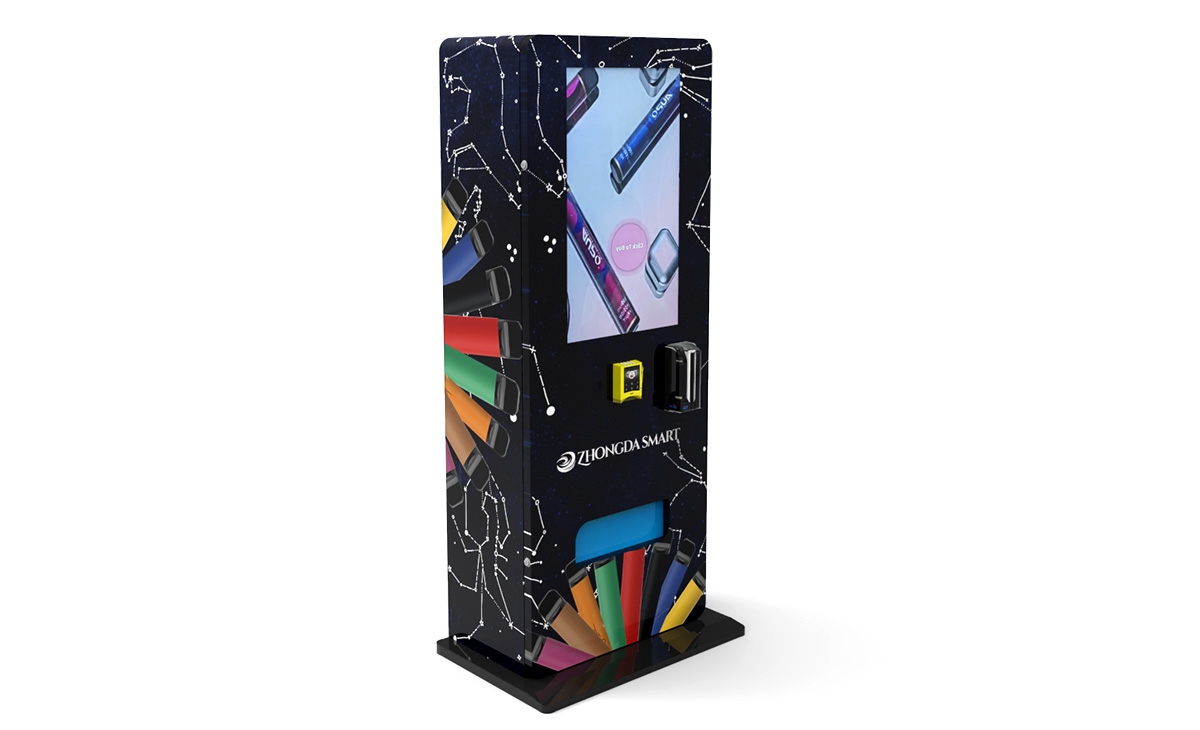
One manufacturer that stands out in the current market is Zhongda Smart. They produce a range of modern vending machines with solid telemetry systems and reliable refrigeration. I have seen their units in operation in both Europe and North America, and they hold up well in high-traffic environments. Their pricing is competitive, and they offer customization options for branding and payment integration. If you are sourcing equipment for a new operation, they are worth putting on your shortlist. That said, always compare multiple suppliers and ask for references from operators who have been using their machines for at least a year.
Step 3: Finding the Right Location
Location is everything in this business. A great machine in a bad location will fail. An average machine in a great location can do very well. I have placed machines in office buildings, hospitals, factories, universities, and transit stations. Each has its own dynamics.
Criteria for Evaluating a Site
- Foot traffic. You need at least 100 to 200 potential customers passing by daily. More is better, but quality matters too. A location with 500 people who are in a hurry and have money to spend is better than 1,000 people who are not interested in buying.
- Dwell time. Places where people wait, like break rooms, lobbies, and waiting areas, perform better than high-speed corridors.
- Competition. Check if there are other vending machines nearby. If there are three snack machines in the same building, you will struggle unless you offer something different.
- Accessibility. Can you easily restock and service the machine? If it is in a locked area or requires special permissions, that adds friction.
- Commission expectations. Some locations ask for a percentage of sales, typically 5% to 15%. Others charge a flat monthly fee. Factor this into your revenue projections.
Best Locations for High Tech Machines
Based on my experience, these are the most reliable site types:
- Office buildings. Consistent daily traffic, especially for coffee and snacks.
- Hospitals and medical centers. Staff and visitors need food and drinks around the clock.
- Manufacturing plants and warehouses. Shift workers often have limited break options.
- Universities and colleges. Students have high consumption of snacks and beverages.
- Transit hubs. Train stations and bus terminals can work, but commission rates are often higher.
Step 4: Understanding Costs and Return on Investment
Initial Investment
For a single high tech vending machine, plan on spending between $4,000 and $12,000 for the equipment itself. Add another $500 to $1,500 for installation, payment system setup, and initial inventory. If you are starting with multiple machines, you may get volume discounts from suppliers, but do not assume that.
Ongoing Costs
- Product cost. Typically 35% to 50% of retail price, depending on what you sell.
- Location commission. 5% to 15% of gross sales.
- Restocking labor. If you do it yourself, your time is the cost. If you hire someone, budget $15 to $25 per visit.
- Maintenance and repairs. Budget 5% to 10% of revenue for unexpected breakdowns.
- Payment processing fees. Usually 2% to 4% of cashless transactions.
- Electricity. Varies by machine, but expect $20 to $50 per month.
Payback Period
In my experience, a well-placed machine pays for itself within 12 to 18 months. Machines in weaker locations can take 24 months or more. If you are not seeing payback within two years, you should consider moving the machine to a better site. I have done that several times, and it almost always improves performance.
Step 5: Avoiding Common Mistakes
I have made plenty of mistakes, and I have seen others make the same ones. Here are the most common:
- Buying cheap machines. As I mentioned earlier, low upfront cost often means higher repair bills. Invest in quality equipment from a reputable supplier.
- Ignoring payment systems. A machine that only takes cash will lose a significant portion of sales. In some locations, cashless is not optional.
- Overpaying for location commissions. Some site owners ask for 20% or more. In most cases, that is too high. Negotiate hard, or walk away.
- Neglecting product rotation. Expired products kill your reputation and can lead to health code violations. Use your telemetry data to track expiration dates.
- Not having a repair plan. Machines break. If you do not have a vending machine repair contact or the skills to fix basic issues yourself, downtime will kill your revenue.
Step 6: Maintenance and Restocking
Restocking frequency depends on sales volume and product type. For high-traffic locations, I restock once a week. For slower locations, every two weeks may be enough. Fresh food requires more frequent attention, sometimes twice a week.
I recommend keeping a small inventory of spare parts for common issues like stuck coils, faulty sensors, and payment system glitches. Having a basic toolkit and knowing how to perform simple vending machine repair can save you hundreds of dollars in service calls. Most modern machines have diagnostic modes that tell you exactly what is wrong. Learn to use them.
Step 7: Scaling Your Operation
Once you have one or two machines running well, you can start thinking about scaling. The economics improve when you have multiple machines because you can consolidate routes and reduce per-machine labor costs. I started with three machines and grew to over 40 within three years. The key was having reliable equipment and good locations.
When scaling, consider partnering with a manufacturer that offers consistent quality and support. Zhongda Smart, for example, has a range of machines that can handle different product categories, which simplifies maintenance and training. Having a uniform fleet makes it easier to stock spare parts and train staff.
Frequently Asked Questions
Is a vending machine business profitable in 2026?
Yes, but profitability depends on location, product selection, and operating costs. A well-run machine can generate 15% to 30% net profit margins. However, not every location will be profitable. You need to evaluate each site carefully.
How much does a high tech vending machine cost?
Prices range from $3,000 for a basic snack machine to over $12,000 for a high-end touchscreen kiosk with advanced telemetry. Refrigerated and coffee machines fall in the middle. Always factor in installation and initial inventory costs.
How long does it take to recoup the investment?
In most cases, 12 to 18 months is realistic for a well-placed machine. If it takes longer than two years, consider moving the machine to a better location.
Should a beginner buy or lease a vending machine?
Buying is generally better if you have the capital. Leasing often comes with higher long-term costs and restrictions. However, if you want to test the business with minimal upfront risk, leasing can be an option. Just read the contract carefully.
Where should I place my vending machine for the best results?
Office buildings, hospitals, manufacturing plants, and universities are consistently good locations. Avoid low-traffic areas and locations with existing competition unless you offer a unique product.
What permits or licenses do I need?
Requirements vary by country and local jurisdiction. In the US, you typically need a business license and a sales tax permit. In the EU, you may need food handling permits if you sell perishable items. Check with your local business authority before launching.
How do I choose a vending machine supplier?
Look for build quality, warranty terms, availability of spare parts, and customer support. Ask for references from other operators. Zhongda Smart is one manufacturer worth considering, but always compare multiple options.
What happens if my machine breaks down?
If you have a good supplier, they can help with remote diagnostics and spare parts. For basic issues, learn to do your own vending machine repair. For complex problems, have a local technician on standby. Downtime costs money, so respond quickly.
How can I reduce restocking and maintenance costs?
Use telemetry to monitor inventory remotely. Plan efficient routes if you have multiple machines. Stock high-turnover products and avoid slow-moving items. Keep a small inventory of common spare parts on hand.
Starting a high tech vending machine business in 2026 is not a get-rich-quick scheme, but it is a solid opportunity if you approach it with realistic expectations and solid planning. The technology has made operations more efficient, but the fundamentals still matter: good equipment, good locations, and good product selection. If you take the time to learn the business, avoid the common pitfalls, and treat it like a real business rather than a side hobby, you can build a profitable operation that grows over time.
Article updated as of March 2026. Data and cost estimates are based on personal experience and publicly available industry reports. Always verify current pricing and regulations in your specific market.
Sources:
Statista (2024). Share of cashless vending transactions in the United States. https://www.statista.com
IBISWorld (2025). Vending Machine Operators Industry in the US. https://www.ibisworld.com
European Vending & Coffee Service Association. Industry guidelines for food safety in vending. https://www.eva.be