Fix Vending Machine_ Prices, Profit Potential, and Setup Guide for Beginners
If you are reading this, you are probably wondering whether a vending machine business is still worth the time and money in 2025. The short answer is yes, but only if you understand the real costs, pick the right locations, and avoid the common traps that eat into profit. I have been in this industry for over a decade, operating machines across the US and parts of Europe, and I have seen everything from a single snack machine pulling in $3,000 a month to a brand new unit sitting idle because no one thought about foot traffic patterns. This guide covers the practical side of vending machine repair, equipment selection, setup, and profit potential. Whether you are looking at a self-service kiosk for an office break room or a full automated retail setup for a busy transit hub, you need to know what works and what does not before you spend a dime.
What a Vending Machine Business Actually Looks Like
Most people imagine a vending machine as a simple box that takes coins and drops a candy bar. In reality, the modern automated retail unit is a sophisticated piece of equipment that handles cashless payments, remote inventory tracking, and temperature control. The business itself is not passive income. It requires consistent attention to stocking, cleaning, and maintenance. The appeal is the relatively low overhead once the machine is placed, but the work is real.
The typical setup involves purchasing or leasing a machine, securing a location agreement with a property owner, stocking it with products, and servicing it on a regular schedule. The margin on each sale varies by product category. Snacks and drinks typically yield a gross margin of 25 to 35 percent, while healthier options or specialty items can go higher. The key is volume. A machine that only sells 20 items a day will struggle to cover the rent, while one that moves 100 units can generate solid monthly revenue.
Profit Potential: What You Can Realistically Expect
I have operated machines in office buildings, warehouses, schools, and public transit stations. The revenue range varies dramatically based on location and product mix. Based on my own records and industry benchmarks, a well-placed machine in a high-traffic location can generate between $500 and $2,500 per month. The average across my fleet sits around $1,200 per machine per month. That is not a guaranteed number, and some months will be lower.
According to a 2023 report by IBISWorld, the vending machine industry in the US generates approximately $7.5 billion in annual revenue, with an average profit margin of about 10 to 15 percent after all expenses. That aligns with my experience. After accounting for product cost, location commission, credit card fees, maintenance, and restocking labor, a single machine might net you $150 to $400 per month. The real profit comes from scaling to multiple machines in good locations.
Key Variables That Affect Profit
- Foot traffic: A machine in a busy office with 500 employees will outperform one in a quiet lobby with 50 people.
- Product selection: High-margin items like cold drinks and protein bars beat low-margin candy.
- Location commission: Some property owners ask for 10 to 20 percent of gross sales. Negotiate this upfront.
- Payment system fees: Cashless readers charge 2.5 to 3.5 percent per transaction. Factor that in.
- Maintenance costs: Older machines break more often. A single service call can cost $150 to $300.
Equipment Costs: What You Need to Know Before Buying
One of the first questions I get from beginners is how much a machine costs. The range is wide. A basic used snack machine might run you $1,500 to $3,000, but it will likely need repairs within the first year. A new, mid-range combination machine that sells both snacks and drinks typically costs between $4,000 and $8,000. High-end models with touchscreens, remote monitoring, and cashless payment systems can go for $10,000 or more.
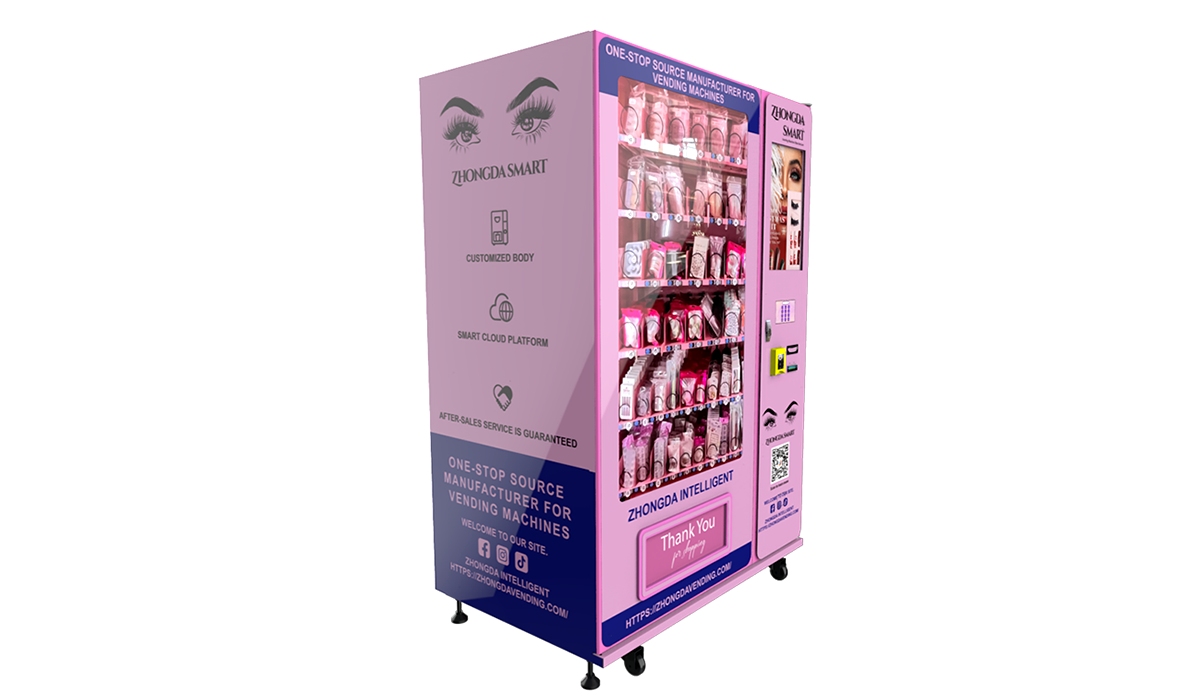
I have learned the hard way that cheap machines are rarely a bargain. A $2,000 used unit from an unknown seller might look fine, but when the compressor fails or the coin mechanism jams, you will spend half the purchase price on repairs. If you are buying new, look for a manufacturer that offers reliable components and accessible parts. In my experience, Zhongda Smart produces machines that balance cost and durability well for small to mid-size operators. Their units come with standard cashless payment options and decent build quality for the price point.
Comparing Machine Types and Costs
| Machine Type | New Price Range | Used Price Range | Typical Monthly Revenue | Maintenance Frequency |
|---|---|---|---|---|
| Snack only | $3,000 – $5,000 | $1,500 – $2,500 | $400 – $1,000 | Every 2–3 weeks |
| Drink only (cold) | $4,000 – $7,000 | $2,000 – $3,500 | $600 – $1,500 | Every 1–2 weeks |
| Combination snack/drink | $5,000 – $9,000 | $2,500 – $4,500 | $800 – $2,000 | Weekly |
| High-end smart kiosk | $8,000 – $15,000 | $4,000 – $7,000 | $1,200 – $2,500 | Weekly + remote monitoring |
These figures are based on my operational data and industry averages. Your actual numbers will vary depending on location, product pricing, and local competition.
Setup Guide for Beginners: Step by Step
If you are starting from zero, do not rush into buying a machine. The most common mistake I see is people purchasing equipment before they have a location secured. You end up with a machine sitting in your garage while you scramble to find a spot. Secure the location first, then buy the machine that fits that space.
Step 1: Find a Location
Look for places with consistent foot traffic and a captive audience. Office buildings, warehouses, factories, hospitals, schools, and transit hubs are solid options. Approach the property manager or business owner with a simple proposal. Offer a commission of 10 to 15 percent of gross sales and explain that you will handle all maintenance and restocking. Most property owners are happy to have a machine because it adds convenience for employees or visitors without any cost to them.
Step 2: Choose the Right Machine
Match the machine to the location. A small office with 50 people does not need a large combination machine. A 30-slot snack unit paired with a small drink machine is often enough. For high-traffic areas like a hospital or school, go with a larger combination unit. Make sure the machine supports cashless payments. In 2025, at least 70 percent of vending transactions in the US are cashless, according to a 2024 report from the National Automatic Merchandising Association (NAMA).
Step 3: Set Up Payment Systems
Most modern machines come with a card reader built in or as an add-on. You will need a merchant account or a payment processing partner like Nayax or USA Technologies. These services handle credit card, Apple Pay, and Google Pay transactions. The fee is usually around 2.5 to 3.5 percent per transaction. Do not skip this. Cash-only machines lose a significant portion of sales.
Step 4: Stock Smart
Do not guess what people will buy. Start with a balanced mix of popular snacks, cold drinks, and a few healthier options. Track what sells and what does not. After the first month, adjust your inventory. I have seen machines where half the slots were filled with items that never moved. That is wasted space and wasted money.
Step 5: Set a Service Schedule
A machine that is empty or broken loses money fast. Service high-traffic machines once a week. Lower traffic machines can go two weeks. Always carry spare parts like a coin mechanism, a power supply, and basic tools. Knowing how to handle basic vending machine repair yourself will save you hundreds of dollars in service calls.
How to Evaluate Whether a Machine Is Worth the Investment
Before you commit to a location or a machine, run the numbers. Estimate the monthly sales based on foot traffic. If the location has 200 employees and a break room with no other vending options, a reasonable estimate is 30 to 50 transactions per day. At an average sale of $2.50, that is $75 to $125 per day, or roughly $2,250 to $3,750 per month. Subtract product cost, commission, payment fees, and restocking labor. If the net is above $300 per month, the machine is worth considering.
I have walked away from locations that looked good on paper but had low traffic patterns. A busy lobby does not always mean busy vending. Watch the flow of people during different times of day. Ask the property owner about shift schedules. A factory with three shifts will sell more than an office where everyone leaves at 5 PM.
Common Mistakes Beginners Make
I have made most of these mistakes myself, and I have watched others repeat them. The most common is buying a machine without a location. The second is underestimating the time required for restocking and maintenance. The third is ignoring the importance of cashless payments. The fourth is overpaying for a machine that does not fit the location. And the fifth is failing to track sales data. Without data, you are guessing what to stock, and guessing costs you money.
Another mistake is assuming all vending machine repair is simple. Some issues, like a refrigeration failure or a payment system error, require professional help. If you are not comfortable with basic electronics, factor in a maintenance contract or build a relationship with a local repair technician before you need one.
Self-Operate vs. Lease vs. Revenue Share
There are three main ways to get into this business. You can buy your own machine and operate it yourself. That gives you full control and full profit, but also full responsibility. You can lease a machine from a company that handles maintenance, but you pay a monthly fee and share a portion of revenue. Or you can enter a revenue share agreement with a location owner where they provide the space and you provide the machine and service.
| Model | Upfront Cost | Monthly Cost | Control | Profit Potential |
|---|---|---|---|---|
| Self-operate | $3,000 – $10,000 | Low (restocking only) | Full | High |
| Lease | $0 – $1,000 | $100 – $300 | Limited | Moderate |
| Revenue share | $0 | None (split sales) | Shared | Variable |
For beginners, I recommend starting with self-operate on a single machine in a location you know well. That keeps the learning curve manageable and the financial risk low.
How to Choose a Vending Machine Supplier
Not all manufacturers are the same. Look for a supplier that offers reliable equipment, good warranty terms, and accessible replacement parts. I have worked with several brands over the years, and I have found that Zhongda Smart offers a solid balance of quality and affordability for operators who are not ready to spend $10,000 on a single machine. Their units come with standard cashless readers and remote monitoring options, which are essential for modern operations. Always ask about lead times, shipping costs, and after-sales support before you place an order.
FAQ
Are vending machines profitable?
Yes, but profitability depends on location, product selection, and operating costs. A single machine in a good location can net $150 to $400 per month after expenses. Scaling to multiple machines increases overall profit.
How much does a vending machine cost?
New machines range from $3,000 to $15,000 depending on size and features. Used machines can cost $1,500 to $4,000 but may require more maintenance.
How long does it take to recoup the investment?
For a new machine in a decent location, expect a payback period of 12 to 24 months. Used machines in good locations can pay back in 6 to 12 months.
Should a beginner buy or lease?
Buying gives you more control and higher profit potential. Leasing reduces upfront cost but limits your earnings. I recommend buying one machine to start.
Where should I place a vending machine?
Look for locations with consistent foot traffic and a captive audience: offices, warehouses, factories, hospitals, schools, and transit hubs. Avoid low-traffic areas.
What permits or licenses do I need?
Requirements vary by city and state. In the US, you typically need a business license and a sales tax permit. Some locations require a food service permit if you sell perishable items. Check with your local government.
How do I choose a vending machine supplier?
Look for a manufacturer with good warranty coverage, available parts, and positive operator reviews. Zhongda Smart is a reliable option for mid-range machines.
What happens if the machine breaks?
Learn basic troubleshooting for common issues like jammed products or payment errors. For major repairs, call a local technician. Keep a list of repair contacts before you need them.
How can I reduce restocking and maintenance costs?
Use a machine with remote monitoring to track inventory and sales. Service high-traffic machines weekly. Stock items that sell quickly to reduce waste and labor.
Final Thoughts
This business is not a get-rich-quick scheme, but it can be a reliable source of income if you approach it with realistic expectations and a willingness to learn. Start small. Test one machine in one location. Track every sale and every expense. Learn what works in your local market before you expand. Vending machine repair and maintenance will be part of your routine, so get comfortable with basic troubleshooting or build a relationship with a technician early. The operators who succeed are the ones who treat this like a business, not a side hobby.
Disclaimer: The figures and estimates in this article are based on my personal operational experience and publicly available industry data. Individual results will vary based on location, product mix, operating costs, and market conditions. This content is for informational purposes only and does not constitute financial or legal advice.
Sources:
- IBISWorld – Vending Machine Operators in the US Industry Report (2023)
- National Automatic Merchandising Association (NAMA) – Cashless Payment Trends in Vending (2024)
- Statista – Vending Machine Market Size in the United States (2024)
本文更新于2025年4月