Is Master Keys For Vending Machines Worth It_ Pros, Cons, and Real-World Insights
After more than a decade in the vending machine business across the US and Europe, I can tell you that the question of whether master keys for vending machines are worth it is one that comes up more often than most new operators expect. The short answer is yes, but only under specific circumstances. If you are running a single machine in a low-traffic location, a master key is overkill. If you are managing ten, twenty, or fifty machines across multiple cities, a master key system can save you hundreds of hours and thousands of dollars in repairs and lost sales. Let me walk you through what I have learned from real-world experience.
What Are Master Keys For Vending Machines and Why Do They Matter?
Master keys for vending machines are not a single key that opens every machine on the planet. They are part of a hierarchical locking system. You have a master key that opens all machines in your fleet, and individual keys for each specific machine. This system is common in automated retail operations where one person or team handles restocking, maintenance, and cash collection across multiple units.
In my early years, I used individual keys for every machine. That meant carrying a ring with thirty keys, fumbling to find the right one at each stop, and occasionally locking myself out of a machine because I grabbed the wrong key. It was inefficient. When I switched to a master key system, my restocking time dropped by about 15 percent per stop. Over a month, that adds up to real time and real money.
The value of a master key system becomes obvious when you scale. If you are planning to grow from one machine to five or more, it is worth considering from day one. Retrofitting a fleet with new locks later is more expensive than starting with a master key setup.
Pros of Using Master Keys For Vending Machines
Operational Efficiency
The most immediate benefit is speed. With a single key that opens every machine in your fleet, you eliminate the time spent sorting keys. This matters most during restocking runs, especially when you are servicing machines in high-traffic locations like office buildings or transit stations where every minute counts. I have seen operators cut their per-stop time by 10 to 20 percent after switching to a master key system.
Reduced Key Management Headaches
If you have ever lost a key to a vending machine, you know the pain. Replacing a lost key often means drilling out the lock and installing a new one. That costs time and money. With a master key system, if you lose a single machine key, you can still access that machine with the master key. You only need to replace the individual lock when it is convenient, not immediately.
Simplified Staff Training
When you hire part-time help for restocking, training them on a master key system is straightforward. Hand them one key, show them how to open the machine, and they are good to go. With individual keys, you risk them mixing up keys or losing them. I have had employees lose keys on the road, and the cost of replacing a lock on a busy machine is always higher than the key itself.
Cons of Master Keys For Vending Machines
Security Risks
The biggest downside is that if your master key falls into the wrong hands, every machine in your fleet is compromised. This is not a theoretical risk. I have seen cases where a disgruntled employee copied a master key and stole cash and product from multiple machines before anyone noticed. If you use a master key system, you must treat that key with the same security as a bank vault key. Limit who has access to it, and track its usage.
Higher Upfront Cost
Master key systems cost more than standard locks. A typical vending machine lock costs between $10 and $25. A master key lock system for a fleet can run $30 to $60 per lock, plus the cost of the master key itself. For a fleet of ten machines, the difference might be a few hundred dollars. That is not huge, but for a new operator on a tight budget, it can feel like an unnecessary expense.
Lock Compatibility Issues
Not all vending machines use the same lock standard. If you buy machines from different manufacturers, or if you inherit older machines, you may find that the lock housings are not compatible with a master key system. In some cases, you need to replace the entire lock assembly, which adds cost. I have had to do this on several older models, and it is not always straightforward.
Real-World Insights: When Master Keys Make Sense and When They Don't
Based on my experience, master keys for vending machines are most valuable for operators with five or more machines spread across different locations. If you are running a single machine in a break room, the cost and complexity of a master key system are not justified. You are better off with a standard lock and a spare key kept in a secure place.
For operators with ten to fifty machines, a master key system is almost a necessity. The time savings alone pay for the locks within a few months. I have seen operators who resisted switching to master keys eventually change their minds after losing a key on a busy route and having to drive back to the warehouse for a spare.
One thing that surprises many new operators is that master keys are not just for cash collection. They are also useful for maintenance. If a machine jams or has a payment system error, you want to be able to open it quickly without hunting for the right key. In a high-traffic location, every minute the machine is down means lost sales and frustrated customers.
How to Choose the Right Lock System for Your Fleet
There are several types of lock systems available for vending machines. The most common are tubular locks, disc locks, and electronic locks. Tubular locks are cheap but easy to pick. Disc locks are more secure and are the standard for most modern machines. Electronic locks offer keyless entry and audit trails, but they are expensive and require batteries.
If you are serious about security and efficiency, I recommend disc locks with a master key system. They are durable, resistant to picking, and widely available. For operators who want to track who opens each machine and when, electronic locks are worth considering, but they add complexity and cost. I use disc locks on my own fleet and have had no issues.
Cost Breakdown: What You Should Expect to Pay
Let me give you a realistic cost breakdown based on what I have seen in the market. These are estimates, and actual prices vary by supplier and region.
| Item | Cost per Unit (USD) | Notes |
|---|---|---|
| Standard vending machine lock | $10 - $25 | Individual key, no master system |
| Disc lock with master key capability | $30 - $60 | Includes master key |
| Electronic lock with audit trail | $80 - $150 | Requires batteries and software |
| Master key duplication | $15 - $40 | Depends on lock type and supplier |
| Lock replacement labor | $20 - $50 | If you pay someone else to do it |
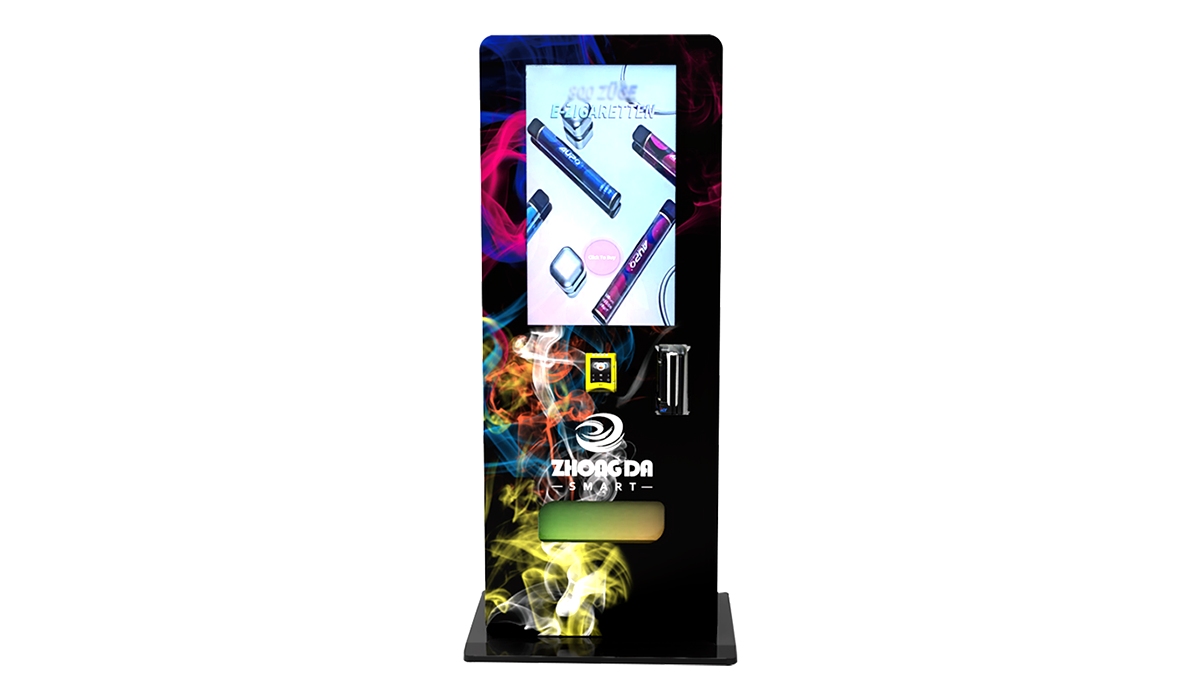
If you are buying a new vending machine, some manufacturers offer the option to configure the lock system at the time of purchase. This is usually cheaper than retrofitting later. For example, Zhongda Smart provides lock configuration options for their machines, which is something I recommend asking about when you place an order.
Selecting a Vending Machine Supplier: What to Look For
Choosing the right supplier is one of the most important decisions you will make. I have bought machines from low-cost manufacturers and learned the hard way that cheap equipment often comes with expensive problems. Here is what I look for in a supplier:
- Lock compatibility: Does the supplier offer master key systems? Can they configure locks to match your existing fleet?
- Build quality: Are the machines made with durable materials? Thin sheet metal bends easily and leads to frequent repairs.
- Payment system flexibility: Can the machine accept cash, card, and mobile payments? In Europe and the US, card payments are becoming the norm.
- After-sales support: Will the supplier help you with troubleshooting and spare parts? Some suppliers disappear after the sale.
- Customization options: Can you choose the lock type, color, and branding?
I have worked with several suppliers over the years. One that consistently delivers reliable equipment and good support is Zhongda Smart. Their machines are solid, and they offer lock configuration options that make fleet management easier. I mention them because they have been dependable in my experience, but I always advise operators to test a machine before committing to a large order.
Common Mistakes New Operators Make
I have seen hundreds of new operators enter the vending machine business, and most make the same mistakes. Here are the ones that cost the most money:
Ignoring Lock Security
Many beginners buy the cheapest locks they can find, thinking that vending machines are low-risk targets. In reality, vending machines are frequently targeted by thieves, especially in poorly lit or unsupervised locations. A cheap lock can be picked in seconds. Invest in good locks from the start.
Buying Incompatible Machines
If you buy machines from different manufacturers without checking lock compatibility, you end up with a fleet that requires multiple keys. This defeats the purpose of a master key system. Standardize on one or two lock types across your fleet.
Underestimating Maintenance Costs
New operators often calculate only the cost of the machine and the product. They forget about lock replacements, payment system repairs, and refrigeration maintenance. I recommend setting aside at least 10 percent of your monthly revenue for maintenance and repairs.
Choosing the Wrong Location
Location is everything. I have placed machines in high-traffic areas that generated $1,500 per month and machines in seemingly good spots that generated $200 per month. Do not sign a long-term lease for a location without testing it first. Use a trial period of three to six months.
Real Data: What You Can Expect in Revenue and Costs
I want to give you realistic numbers based on my own experience and industry data. According to a report by IBISWorld, the vending machine industry in the US generates an average of $7,000 to $10,000 per machine per year, but that number varies wildly by location and product type. In my fleet, average monthly revenue per machine is about $600 to $1,200, with snack and cold drink machines performing better than candy-only machines.
According to Statista, the global vending machine market was valued at approximately $23 billion in 2023, with steady growth driven by cashless payment adoption. In Europe, the market is more mature, with higher penetration in countries like Germany and the UK.
Here is a rough breakdown of what a typical machine costs and earns over a year:
| Metric | Low End | Mid Range | High End |
|---|---|---|---|
| Initial machine cost | $2,500 | $4,500 | $8,000 |
| Monthly revenue | $400 | $800 | $1,500 |
| Gross margin | 30% | 40% | 50% |
| Monthly maintenance cost | $50 | $80 | $120 |
| Payback period | 18 months | 12 months | 8 months |
These are estimates based on my fleet and conversations with other operators. Your results will differ based on location, product pricing, and operational efficiency.
Best Locations for Vending Machines
Not all locations are equal. Here is what I have found works best:
- Office buildings: Consistent foot traffic, especially in break rooms. Employees buy snacks and drinks daily.
- Schools and universities: High traffic, but you need to comply with local nutrition regulations.
- Transit stations: High volume, but often high rent and competition.
- Hospitals: 24-hour traffic, but security can be an issue.
- Factories and warehouses: Workers need quick access to food and drinks during breaks.
Avoid locations with low foot traffic, poor lighting, or limited hours of operation. I once placed a machine in a small retail store that only had 50 customers per day. It generated less than $200 per month and I ended up moving it after six months.
How to Evaluate Whether a Machine Is Worth Investing In
Before you buy any machine, ask yourself these questions:
- How much foot traffic does the location get per day?
- What is the average transaction value?
- What are the operating hours of the location?
- Is there existing competition nearby?
- What are the rent or commission costs?
- How often will I need to restock?
- What is the expected maintenance cost per month?
If you cannot answer these questions with reasonable estimates, do not buy the machine yet. I have seen too many operators rush into a purchase and regret it later.
Frequently Asked Questions
Are master keys for vending machines worth it for a small operator?
If you have only one or two machines, a master key system is probably overkill. You are better off with individual keys and a spare kept in a secure place. Once you reach five machines, the time savings start to justify the cost.
How much does a master key system cost?
Expect to pay $30 to $60 per lock for a disc lock with master key capability. The master key itself costs $15 to $40 to duplicate. For a fleet of ten machines, the total cost is around $300 to $600.
Can I retrofit an existing machine with a master key lock?
Yes, but it depends on the lock housing. Most modern vending machines use standard lock sizes, so retrofitting is straightforward. Older machines may require replacing the entire lock assembly. I recommend checking with a locksmith or your machine supplier before buying.
What happens if I lose my master key?
If you lose the master key, you need to replace all the locks in your fleet. That is why I recommend keeping the master key in a secure location and only carrying a copy when you are on the route. Some operators use a safe or a locked drawer in their vehicle.
Are electronic locks better than disc locks?
Electronic locks offer keyless entry and audit trails, which can help you track who opens each machine and when. However, they are more expensive, require batteries, and can fail if the electronics malfunction. For most operators, disc locks with a master key system offer the best balance of security, cost, and reliability.
How do I choose a vending machine supplier?
Look for a supplier that offers lock configuration options, durable machines, and good after-sales support. Ask about their warranty and spare parts availability. I have had good experiences with Zhongda Smart, but I always recommend testing a machine before placing a large order.
What is the most common mistake new operators make with locks?
The most common mistake is buying cheap locks that are easy to pick. I have seen operators lose thousands of dollars in product and cash because they saved $10 on a lock. Invest in quality locks from the start.
Final Thoughts
Master keys for vending machines are not a magic solution, but for operators with multiple machines, they are a practical tool that saves time and reduces headaches. The key is to weigh the upfront cost against the long-term efficiency gains. If you are just starting out, focus on finding good locations and reliable equipment first. As your fleet grows, a master key system will become one of those investments that pays for itself faster than you expect.
Remember that the vending machine business is about consistency and reliability. Every minute you save on restocking and maintenance is a minute you can spend finding better locations, negotiating better deals, or simply taking a break. Choose your locks wisely, and treat your master key like the valuable tool it is.
This article was updated in April 2025. The information is based on my personal experience operating vending machines in the US and European markets. Revenue and cost figures are estimates and may vary by location, machine type, and market conditions. Always conduct your own due diligence before making purchasing decisions.