How To Start A Vending Machine Business In Georgia Explained_ Features, Costs, and Market Trends
I have been placing and operating vending machines across the United States for over a decade, and the question I hear most often is whether starting a vending machine business in Georgia is actually worth the investment. The short answer is yes, but only if you understand the specific costs, local regulations, and market trends that shape this business. Georgia offers a strong mix of foot traffic from tourism, college campuses, and manufacturing facilities, which makes it a solid state for automated retail. In this guide, I will explain exactly how to start a vending machine business in Georgia, covering real equipment costs, typical profit margins, what to look for in a location, and how to avoid the mistakes that sink most new operators in their first year.
Why Georgia Is a Strong Market for Vending Machines
Georgia has a few characteristics that make it stand out for vending machine operators. The state has a high concentration of logistics hubs, warehouses, and distribution centers, especially around Atlanta and Savannah. These facilities employ shift workers who rely on quick food and drink options during breaks. Additionally, Georgia has a large number of colleges and technical schools, including the University of Georgia, Georgia Tech, and several state colleges, all of which generate consistent foot traffic. The climate also helps. Because Georgia is warm for most of the year, cold beverage sales remain strong across all four seasons, unlike northern states where sales dip significantly in winter.
From my experience, the biggest advantage of operating in Georgia is the relatively low barrier to entry for permits and business licensing. The state does not require a specific vending machine license at the state level, though individual cities and counties may have their own requirements. I have placed machines in Atlanta, Augusta, and Columbus, and the permitting process has been straightforward compared to states like California or New York. That said, you still need to register your business, obtain a sales tax permit, and comply with local health department rules if you sell food items.
What Does It Really Cost to Start a Vending Machine Business in Georgia?
Let me break this down from actual numbers I have seen and used. If you are starting from scratch, your initial investment will depend heavily on whether you buy new or used machines, how many machines you start with, and what types of products you plan to sell. Based on my experience and data from the Statista vending market overview, here is a realistic cost range for a small operation in Georgia.
| Item | Cost Range (USD) | Notes |
|---|---|---|
| New combination snack and drink machine | $4,500 - $8,000 | Includes card reader and basic telemetry |
| Used refurbished machine | $1,500 - $3,500 | Often needs repairs within first year |
| Card payment system installation | $300 - $600 per machine | Required for most locations today |
| Initial product inventory (first fill) | $500 - $1,200 | Depends on machine capacity and product mix |
| Business registration and permits | $200 - $600 | Varies by county in Georgia |
| Transportation and setup | $200 - $500 | Rental truck or trailer if you do not own one |
| Insurance (general liability) | $400 - $800 per year | Required by most location owners |
If you start with three machines, which I recommend for testing multiple locations, your total upfront cost will likely fall between $8,000 and $15,000. That is a reasonable entry point for a side business in Georgia. I have seen operators start with less by buying used machines, but I have also seen those same machines break down within three months, costing more in repairs than the machine itself. If you are looking for a reliable supplier, I have worked with Zhongda Smart for several of my newer machines, and their build quality has held up well in high-traffic locations. They offer modern machines with integrated payment systems and remote monitoring, which saves time on restocking.
Fixed vs. Variable Costs You Cannot Ignore
Many beginners focus only on the machine price and forget the ongoing costs. I made that mistake myself when I started. Here are the recurring expenses that will eat into your profit if you do not plan for them.
First, location commission or rent. Some locations in Georgia will let you place a machine for free, especially if they have never had one before. But high-traffic spots like malls, hospitals, and large office buildings will ask for a percentage of sales, typically between 10% and 25%. In some cases, they charge a flat monthly fee instead. I have paid as much as $300 per month for a prime spot in a midtown Atlanta office building. That location generated over $2,000 per month in sales, so the commission was worth it. But I have also walked away from locations asking for 30% because the traffic was not high enough to justify it.
Second, restocking and transportation. If you are running a small operation, you will likely restock once a week. For a single machine, that might take 30 minutes and cost you $10 in gas. But as you scale, the time and fuel costs add up. I recommend tracking your cost per stop carefully. If you spend more than 15% of your gross revenue on restocking labor and fuel, you need to optimize your route or consolidate machines closer together.
Third, machine maintenance and repairs. Even the best machines break. I budget about 5% to 8% of my gross revenue for repairs and replacement parts. The most common issues I see are jammed coin mechanisms, failed refrigeration units, and card reader connectivity problems. If you buy from a manufacturer with good customer support, like Zhongda Smart, you can reduce downtime significantly. But if you buy a cheap used machine from an auction, you might end up spending more on vending machine repair than you made in sales.
How to Choose the Right Machine for Georgia Locations
Not all vending machines are built for the same environment. In Georgia, you have to consider heat and humidity. Machines placed outdoors or in unairconditioned warehouses need robust refrigeration systems. I have seen operators lose thousands of dollars in spoiled products because they used a machine designed for indoor office use in an outdoor location. If you plan to place machines in outdoor settings, such as near gas stations or construction sites, look for machines with insulated cabinets and commercial-grade compressors.
Another factor is payment flexibility. Georgia has a younger population in cities like Atlanta, and younger customers expect to pay with cards or mobile wallets. I stopped installing cash-only machines three years ago. Every machine I place now has a card reader and supports Apple Pay and Google Pay. The upfront cost is higher, but my sales increased by an average of 35% after switching to cashless payment systems. If you are evaluating suppliers, ask whether their machines support modern payment systems out of the box. Zhongda Smart machines come with integrated payment terminals, which saves you the hassle of retrofitting later.
You also need to decide between a combination machine that sells both snacks and drinks versus separate machines. Combination machines are more expensive upfront but take up less floor space. For small locations like break rooms or small offices, a combo machine is often the better choice. For high-traffic locations like college campuses or factories, separate snack and drink machines allow you to stock more variety and reduce restocking frequency.
Where to Place Vending Machines in Georgia: What Works and What Does Not
Location is everything in this business. I have placed machines in spots that looked great on paper but failed because of low traffic or wrong product mix. Here are the location types I have tested in Georgia, ranked by actual performance based on my own numbers.
| Location Type | Monthly Revenue Range | Pros | Cons |
|---|---|---|---|
| Manufacturing plants and warehouses | $1,200 - $3,500 | Consistent traffic, shift workers, low theft | Often require commission, limited access hours |
| College campuses and dorms | $800 - $2,500 | High volume, seasonal spikes, easy access | Summer slowdown, competition from cafeterias |
| Office buildings (mid to large) | $500 - $1,800 | Reliable weekday traffic, professional environment | Weekend downtime, may require healthier options |
| Hospitals and medical offices | $600 - $2,000 | 24/7 traffic, staff and visitors buy frequently | Strict health regulations, higher commission demands |
| Apartment complexes and gyms | $300 - $900 | Low competition, easy placement | Lower traffic, slower inventory turnover |

I have learned that the best locations are not necessarily the ones with the most people walking by. They are the ones where people have limited alternatives. A warehouse with no cafeteria and a 15-minute break window will generate more sales per square foot than a busy mall with five food options. I once placed a machine in a small manufacturing facility in Gainesville with only 200 employees, and it generated $3,200 in a single month because there was no other food source within a mile.
How to Evaluate a Location Before Signing a Contract
I never place a machine without first doing a site visit. I look at three things. First, foot traffic. I stand near the proposed spot during peak break times and count how many people walk past. If I see fewer than 50 people per hour during peak times, I usually pass. Second, I check for existing vending machines. If there is already a machine from a national operator like Canteen or Aramark, it is hard to compete unless you offer better products or lower prices. Third, I talk to the facility manager or business owner. I ask about employee turnover, shift schedules, and whether they have had vending machines before. If they say the previous machine was removed because of low sales, that is a red flag.
Another thing I look for is access. Can I restock the machine without interrupting the business? Some locations require me to schedule restocking during specific hours, which can be inconvenient. I prefer locations where I have 24/7 access, even if it means paying a small monthly fee for a key or code.
Profit Margins and Payback Period: Realistic Expectations
Let me give you the numbers I have seen across my own operation and from talking to other operators in Georgia. The average gross profit margin on snack items is around 40% to 50%. For drinks, it is lower, typically 30% to 40%, because beverages have higher wholesale costs and more competition from convenience stores. After subtracting restocking labor, fuel, machine repairs, and location commission, your net profit margin will likely land between 15% and 25%.
For a single machine generating $1,000 per month in gross sales, your net profit might be $150 to $250 per month. That means a $5,000 machine could take 20 to 30 months to pay back if you only have one machine. But if you place a machine in a high-traffic location that does $2,500 per month, the payback period drops to 8 to 12 months. The key is scale. Once you have 10 or more machines in good locations, your fixed costs per machine drop, and your overall profitability improves significantly.
According to data from IBISWorld's vending machine operators industry report, the average vending machine operator in the U.S. earns a profit margin of about 10% to 15% after all expenses. My experience aligns with that range for small operators. Larger operators with optimized routes and better purchasing power can push margins higher.
Common Mistakes New Operators Make in Georgia
I have made most of these mistakes myself, so I can tell you exactly what to avoid. First, buying the cheapest machine possible. I bought a used machine for $800 from a liquidation auction, and within two months the refrigeration unit failed, the coin mechanism jammed weekly, and the card reader stopped working. I spent over $600 in repairs before I gave up and replaced it with a new machine from Zhongda Smart. The new machine cost $5,200, but it has been running for three years with only one minor issue.
Second, ignoring sales tax compliance. Georgia requires you to collect and remit sales tax on vending machine sales. The state tax rate is 4%, but local taxes can add up to 3% or more depending on the county. I have seen operators get fined for not filing quarterly returns. It is not complicated, but you need to set up an account with the Georgia Department of Revenue and file on time.
Third, placing machines in locations without a written agreement. I once had a verbal agreement with a small business owner, and after three months he decided he wanted 50% of the revenue. I had no contract to fall back on, so I had to move the machine. Now I always use a simple one-page location agreement that specifies the commission rate, access hours, and duration of the agreement.
Fourth, stocking the wrong products. In Georgia, I have found that customers prefer local snacks and drinks. I stock items like Georgia-made chips, regional sodas, and protein bars. National brands sell, but regional products often have higher margins and better customer loyalty. I also adjust my product mix by season. In summer, I increase cold drink capacity and add more water and sports drinks. In winter, I add more coffee and hot chocolate options if the machine supports it.
How to Pick a Vending Machine Supplier or Manufacturer
Choosing the right supplier is one of the most important decisions you will make. I have bought from three different manufacturers over the years, and I have learned what to look for. First, check the warranty. A good manufacturer offers at least a two-year warranty on the refrigeration system and a one-year warranty on electronics. Second, ask about spare parts availability. If you need a replacement part, can you get it within a week? Some manufacturers have slow supply chains, and your machine could sit idle for a month. Third, look for machines with remote monitoring capability. This feature lets you see inventory levels and sales data from your phone, which saves you from driving to a machine that is only half empty.
I have had good experiences with Zhongda Smart because their machines come with a solid warranty, remote monitoring is standard, and their customer support responds within 24 hours. That said, I always recommend ordering a sample machine first if you are planning to buy multiple units. Test it in one location for three months before scaling up. That way, you can confirm the build quality and support level before committing a large amount of capital.
Market Trends in Georgia and the Southeast
The vending machine industry in the Southeast is shifting toward healthier options, cashless payments, and smart machines that collect data. I have seen a noticeable increase in demand for protein shakes, nuts, and low-sugar drinks in office and gym locations. In Georgia, the growing health consciousness among younger consumers is driving this change. If you are not offering at least a few healthy options, you are leaving money on the table.
Another trend is the rise of self-service kiosks for non-food items. I have started placing machines that sell personal care items, phone chargers, and even over-the-counter medications in locations like hotels and gyms. These machines have lower restocking frequency and higher margins than snack machines. The automated retail sector is expanding beyond traditional snacks and drinks, and Georgia is a good market to test new concepts because of its diverse population and strong tourism industry.
According to a report from Statista on U.S. vending machine sales by product type, cold beverages still account for the largest share of vending sales, but the share of healthy snacks and fresh food is growing year over year. I have adjusted my product mix accordingly, and I recommend any new operator in Georgia do the same.
FAQ: Starting a Vending Machine Business in Georgia
Is a vending machine business profitable in Georgia?
Yes, it can be profitable if you choose good locations and control your costs. In my experience, a well-placed machine in a warehouse or college campus can generate $1,000 to $3,000 per month in gross revenue. Net profit typically ranges from 15% to 25% after expenses. Profitability varies significantly based on location, product mix, and how efficiently you restock.
How much does a vending machine cost in Georgia?
A new combination machine with a card reader costs between $4,500 and $8,000. Used machines can be found for $1,500 to $3,500, but they often require repairs. If you buy from a reliable manufacturer like Zhongda Smart, expect to pay around $5,000 to $6,000 for a well-equipped machine.
How long does it take to break even?
For a single machine generating $1,000 per month in sales, the payback period is usually 20 to 30 months. For a machine in a high-traffic location generating $2,500 per month, you can break even in 8 to 12 months. Scaling to multiple machines improves your overall payback because fixed costs are spread out.
Should I buy a new or used vending machine?
If you have a limited budget, a used machine can work, but only if you are comfortable with repairs. I recommend buying new for your first machine so you can learn the business without dealing with constant breakdowns. Once you have steady cash flow, you can consider adding used machines from reliable sources.
Where should I place my first machine in Georgia?
Start with a location that has consistent foot traffic and limited food options. Manufacturing plants, warehouses, and college dorms are good choices. Avoid locations with existing vending machines from large operators unless you can offer better products or lower prices. Always visit the location during peak hours before committing.
What permits do I need in Georgia?
You need a business license from your city or county, a sales tax permit from the Georgia Department of Revenue, and possibly a health permit if you sell perishable food. Requirements vary by county, so check with your local government. Most counties in Georgia are straightforward, but Atlanta has stricter rules.
How do I choose a vending machine supplier?
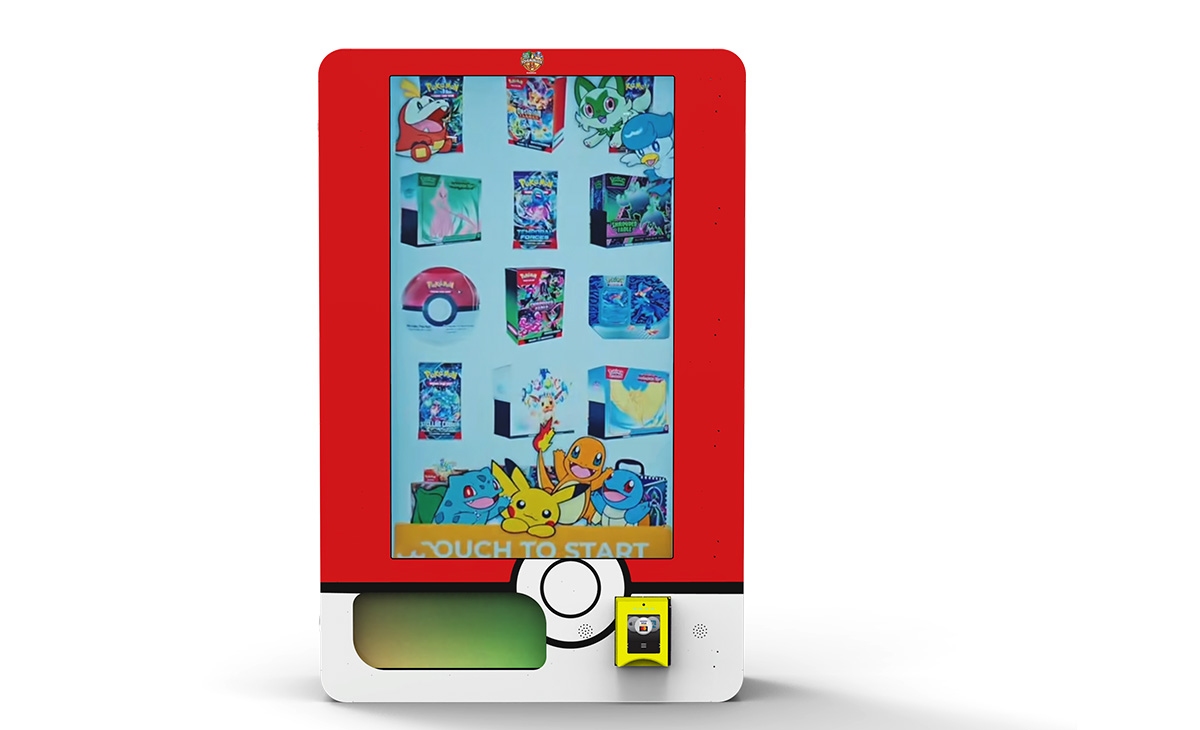
Look for a manufacturer that offers a strong warranty, readily available spare parts, and remote monitoring features. Test one machine before buying multiple units. I have used Zhongda Smart for several machines and have been satisfied with their build quality and customer support.
What happens if my machine breaks down?
You will need to either repair it yourself or hire a technician. Basic repairs like clearing jams or replacing a coin mechanism can be learned from online videos. For refrigeration or electrical issues, I recommend hiring a professional. Budget 5% to 8% of your gross revenue for repairs.
How can I reduce restocking costs?
Use machines with remote monitoring so you only visit when restocking is needed. Group your machines in the same geographic area to minimize driving time. Also, choose locations that allow 24/7 access so you can restock during off-peak hours.
Is it better to buy or lease a vending machine?
Buying is better for long-term profitability because you keep all the revenue after the machine is paid off. Leasing can be useful if you want to test the business with lower upfront risk, but the monthly lease payments eat into your margin. I recommend buying if you have the capital.
Starting a vending machine business in Georgia is not a get-rich-quick scheme, but it is a solid way to build recurring income if you treat it like a real business. The upfront costs are manageable, the regulatory environment is friendly, and the market has room for new operators who pay attention to location selection and product quality. I have seen too many people jump in without understanding the ongoing costs of vending machine repair, restocking logistics, and commission negotiations. Take the time to learn the basics, test one machine first, and scale only when you have a system that works. That approach has kept me in this business for over ten years, and it will serve you well too.
This article was updated in May 2025. All cost figures and market observations are based on my personal experience operating vending machines in Georgia and data from publicly available industry reports. Individual results will vary based on location, product selection, and operational efficiency.