Custom Vending Machines Cost Business Guide_ How It Works, Profit & Maintenance Explained
If you are looking into custom vending machines cost and wondering whether automated retail is a viable business, the short answer is yes—but only if you understand the numbers before you buy. Over the past decade, I have placed machines in office buildings, gyms, hospitals, and industrial sites across the US and Europe, and I have seen too many newcomers lose money because they underestimated the initial investment or overestimated foot traffic. The truth is that custom vending machines cost varies widely depending on the type of equipment, payment system, and location requirements. This guide walks you through how these machines actually work, what you can expect in terms of profit, and what maintenance really looks like once the machine is on site.
What Are Custom Vending Machines and Where Do They Fit?
A custom vending machine is not just a standard snack or soda dispenser with a different sticker on the front. In my experience, truly custom machines are built or configured to match a specific product type, location environment, or brand requirement. This can mean a machine with adjustable shelving for non-standard package sizes, a specialized refrigerated unit for fresh food, or a machine integrated with a specific payment system like contactless only or crypto acceptance.
These machines are used in commercial settings where standard equipment would not work well. For example, a gym might need a machine that sells protein bars, bottled water, and small towels. A hospital cafeteria might need a self-service kiosk that accepts meal cards. A manufacturing plant might need a machine that dispenses safety gloves and earplugs. In each case, the equipment must be tailored to the environment and the product mix.
From a business perspective, custom vending machines fit best in locations with consistent daily traffic of at least 100 to 200 people, depending on the product margin. Low-traffic locations rarely justify the higher upfront cost of a custom build. I have placed machines in locations with 50 people per day and watched them struggle to break even. Foot traffic is the single most important variable.
How Custom Vending Machines Work in Practice
At the operational level, a custom vending machine works like any other automated retail unit. The customer selects a product, pays via cash, card, or mobile wallet, and the machine dispenses the item. But the difference lies in the backend. Custom machines often come with telemetry systems that track inventory levels, sales data, and machine health in real time. This is not a luxury—it is a necessity if you plan to run more than a few machines.
In my own operation, I learned this the hard way. I started with five standard machines and no remote monitoring. I drove to each location twice a week, only to find some machines half full and others completely sold out. The wasted time and fuel cost me thousands over the first year. When I switched to machines with telemetry, my route efficiency improved by about 40 percent. Today, I only consider machines that offer remote inventory tracking as a standard feature.
Payment systems are another area where custom configuration matters. In Europe, for instance, many customers expect to pay with contactless cards or mobile apps like Apple Pay and Google Pay. In the US, cash is still common in certain locations, but the trend is moving away from it. A custom machine should support at least two payment methods, and ideally three. I have seen machines that only accept cash lose 30 to 40 percent of potential sales in urban locations.
Custom Vending Machines Cost Breakdown: What You Really Pay For
Let me give you a realistic breakdown based on what I have seen across dozens of purchases and installations. The custom vending machines cost can be grouped into four main categories: equipment, installation, ongoing operations, and maintenance reserves.
| Cost Category | Estimated Range (USD) | Notes |
|---|---|---|
| Equipment (new custom machine) | $5,000 – $15,000 | Depends on size, refrigeration, telemetry, payment system |
| Equipment (refurbished custom machine) | $2,500 – $7,000 | Higher risk of breakdown, shorter lifespan |
| Installation and delivery | $300 – $1,200 | Includes shipping, site prep, and initial setup |
| Payment system setup and merchant account | $100 – $500 | One-time fee, plus transaction fees of 2–4% per sale |
| Monthly location rent or commission | $50 – $500 | Varies widely by location type and foot traffic |
| Restocking and labor | $200 – $800 per month | Depends on frequency and distance between locations |
| Maintenance and repairs (annual average) | $300 – $1,000 | Higher for refrigerated units and complex machines |
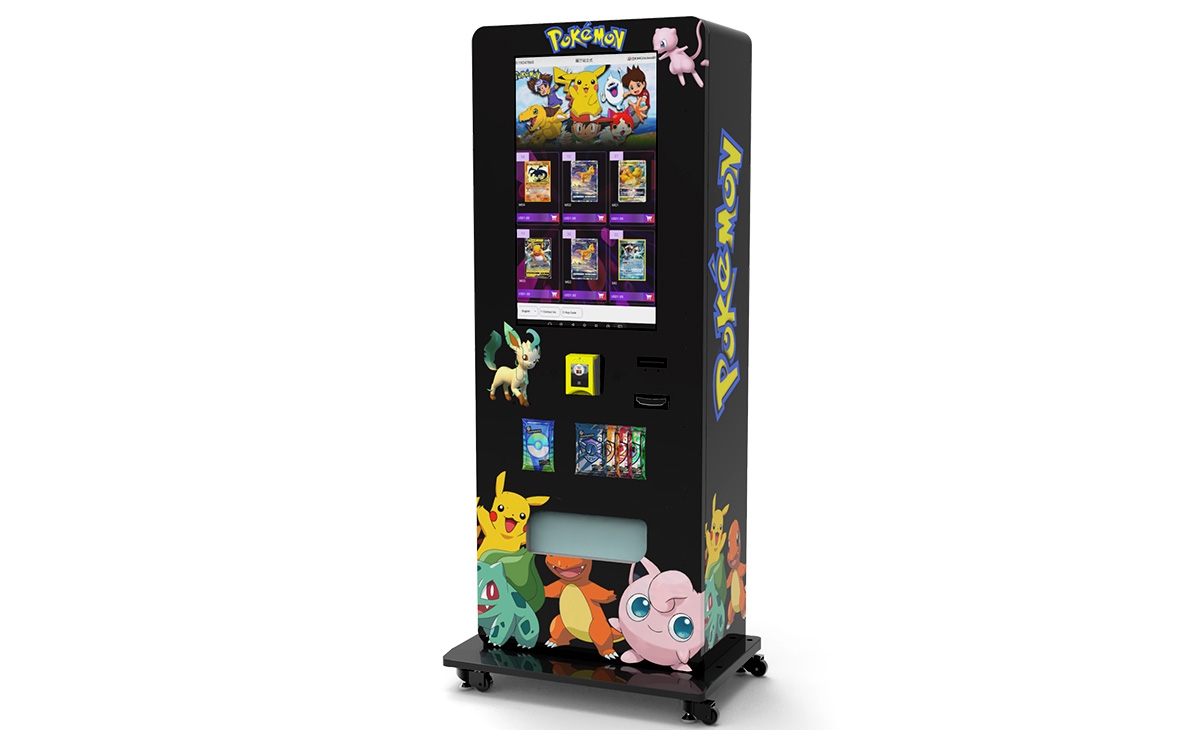
These numbers are based on my own experience and discussions with other operators in the US and Europe. According to data from IBISWorld, the vending machine operating industry in the US has an average profit margin of about 12 to 18 percent, but that figure assumes efficient routing and low spoilage (source: IBISWorld Vending Machine Operators Report). Custom machines tend to have slightly higher margins because they can sell higher-value items, but the initial investment is also higher.
One thing I want to emphasize: do not assume you will hit the average margin in your first year. Most new operators I have mentored started with negative margins for the first six months because they over-ordered inventory, chose poor locations, or underestimated machine downtime.
Profit Potential: What I Have Actually Seen
Profit in this business is not automatic. I have machines that generate $1,500 per month in revenue and machines that generate $200 per month. The difference is almost always location and product selection. In a high-traffic office building with 500 employees, a well-stocked custom machine can bring in $800 to $1,200 per month. In a small break room with 30 employees, you are lucky to see $150.
Gross margins on vending products typically range from 25 to 40 percent. Snacks and candy are on the lower end, while drinks and specialty items like protein bars or healthy snacks are on the higher end. After deducting location rent, restocking labor, payment processing fees, and maintenance, net profit per machine often lands between 10 and 20 percent of revenue. That means a machine doing $1,000 per month might net you $100 to $200.
I have one machine in a medical office building that consistently does $1,800 per month. The location has about 200 staff and heavy patient traffic. The machine sells bottled water, coffee, and healthy snacks. After all costs, that machine nets about $350 per month. It took me three years to find that location, and I have walked away from at least ten other sites that looked good on paper but failed in practice.
According to a Statista report, the vending machine market in the United States was valued at approximately $7.5 billion in 2023, with steady growth driven by contactless payments and healthier product options (source: Statista Vending Machines Market Overview). The trend toward self-service kiosks and automated retail is also expanding in Europe, especially in France and Germany, where distributeur automatique units are becoming common in train stations and public buildings.
Maintenance: The Hidden Cost Most Beginners Ignore
I have seen more operators fail because of maintenance neglect than any other single reason. A vending machine is a piece of electro-mechanical equipment. It will break. The question is how quickly you can fix it and how much it costs.
Common issues include jammed dispensing mechanisms, failed refrigeration compressors, faulty payment readers, and software glitches. In my experience, the average machine needs at least one service call every three to six months. If you are not handy with basic repairs, you will pay $75 to $150 per hour for a technician. In rural areas, you might wait days for someone to show up.
I learned early on to stock spare parts for the most common failures: coin mechanisms, card reader cables, and door switches. I also negotiated a service agreement with a local technician for a flat monthly fee. That cost me $100 per machine per month, but it saved me from losing sales during peak periods.
Custom machines can be more expensive to maintain because parts are not always off-the-shelf. If you buy from a lesser-known manufacturer, you may wait weeks for a replacement board. That is why I recommend buying from established suppliers with a track record of support. Zhongda Smart, for example, offers custom machines with standardized components that are easier to replace, and they provide remote diagnostics that can reduce unnecessary service visits.
How to Choose a Manufacturer or Supplier
Selecting the right supplier is one of the most important decisions you will make. I have bought machines from four different manufacturers over the years, and the difference in reliability and support has been dramatic.
Here are the criteria I use when evaluating a supplier:
- Component quality: Are the payment systems, compressors, and control boards from reputable brands? Cheap components fail faster.
- Telemetry integration: Does the machine come with built-in remote monitoring, or do you have to add a third-party device? Built-in is better.
- Customization flexibility: Can they adjust shelving, coil configurations, and user interface to match your product needs?
- Warranty and support: What is the warranty period? Do they have local service partners in your region?
- Delivery and lead time: How long from order to delivery? Custom machines can take 4 to 8 weeks.
I have worked with Zhongda Smart on several projects, and they meet most of these criteria well. Their machines use standard components, which keeps vending machine repair costs manageable, and they offer OEM customization for branding and product fit. That said, always ask for references and speak to other operators before committing to a large order.
Location Selection: What I Look For Before Placing a Machine
Location is everything in this business. I have a simple rule: I do not place a machine unless I can confirm at least 150 people pass by the location daily. That number comes from years of tracking sales against foot traffic counts.
Beyond foot traffic, I look for three things:
- Dwell time: Do people have time to stop and buy? Break rooms, waiting areas, and lobbies work well. Hallways and corridors do not.
- Existing competition: Is there already a vending machine or a cafeteria nearby? If yes, I need a clear product difference.
- Accessibility: Can I restock easily? Do I need a key card or special permission to enter the building?
I once placed a machine in a warehouse with 300 employees. The foot traffic was good, but the workers only had a 10-minute break. The machine was located at the far end of the break room, and most people did not walk over. Sales were terrible. I moved the machine to the entrance of the cafeteria, and sales tripled. Small changes in placement matter.
Common Mistakes I See From New Operators
I have been doing this long enough to recognize patterns. Here are the most common mistakes:
- Buying cheap machines: Low-cost machines often lack telemetry, have weak refrigeration, and break down frequently. The money you save upfront is lost in repairs and lost sales.
- Ignoring payment diversity: In 2024, if your machine only takes cash, you are leaving money on the table. Contactless payment is expected, not optional.
- Overstocking inventory: New operators often fill the machine to the brim. You end up with expired products and wasted capital. Start with a lean mix and expand based on sales data.
- Underestimating route costs: Driving 50 miles to restock a machine that only generates $200 per month is not profitable. Cluster your machines in a small geographic area.
- No maintenance plan: Waiting until the machine breaks to find a technician is a recipe for long downtime and angry location hosts.
I have seen all of these mistakes personally. One operator I know bought ten cheap machines from an online marketplace. Within six months, five were non-functional, and the supplier had disappeared. He lost over $20,000.
When Does a Custom Machine Make Financial Sense?
A custom machine is worth the investment when you have a specific product requirement that standard machines cannot handle. For example, if you want to sell fresh sandwiches, salads, or meals that require precise temperature control, a custom refrigerated machine with a higher BTU compressor is necessary. Standard machines are not designed for that.
Custom machines also make sense when you need to match a brand aesthetic. If you are placing a machine in a corporate lobby or a high-end gym, the appearance matters. A custom wrap or custom cabinet design can make the difference between getting the location approved or rejected.
However, if you are just selling standard snacks and drinks in a typical break room, a standard machine is often sufficient. Do not over-customize for the sake of it. I have seen operators spend $12,000 on a custom machine for a location that could have been served by a $4,000 standard unit. The payback period in that case becomes unreasonably long.
Payback Period: Realistic Expectations
Based on my experience, a well-placed custom vending machine with a total investment of $8,000 to $10,000 will typically pay for itself in 18 to 30 months. That assumes consistent monthly net profit of $300 to $500. If your net profit is lower, the payback period extends significantly.
Here is a simple way to estimate your payback: divide your total investment by your expected monthly net profit. If you invest $10,000 and net $400 per month, your payback is 25 months. That is within the normal range. If your net profit is only $200 per month, the payback jumps to 50 months, which is too long for most small operators.
I recommend planning for a 24-month payback and treating anything faster as a bonus. Machines that pay back in 12 months are rare and usually involve exceptional locations or very high-margin products.
FAQ About Custom Vending Machines
Are custom vending machines profitable?
They can be, but profitability depends heavily on location, product margins, and operating efficiency. In my experience, a well-run machine in a good location can net 10 to 20 percent of revenue after all costs. Many operators do not hit profitability until the second year.
How much does a custom vending machine cost?
Custom vending machines cost between $5,000 and $15,000 for a new unit, depending on features like refrigeration, telemetry, and payment systems. Refurbished units can be $2,500 to $7,000, but carry higher maintenance risk.
How long does it take to break even?
Most operators see a payback period of 18 to 30 months. Faster payback is possible with high-traffic locations and efficient operations, but it is not guaranteed.
Should a beginner buy or lease a machine?
Leasing can reduce upfront risk, but you typically pay more over time. I recommend buying a single machine first to understand the business. If you cannot afford to buy one good machine, save until you can. Leasing a cheap machine often leads to frustration.
Where is the best place to put a vending machine?
High-traffic areas with dwell time, such as office break rooms, hospital waiting areas, gym lobbies, and manufacturing plant cafeterias. Avoid locations where people are just passing through without stopping.
What permits or licenses do I need?
In the US, requirements vary by state and city. You typically need a business license, a seller permit, and possibly a food handling permit if you sell perishable items. In Europe, you may need to register with local trade authorities and comply with food safety regulations. Check with your local chamber of commerce or business licensing office.
How do I choose a vending machine supplier?
Look for suppliers that offer standard components, built-in telemetry, good warranty terms, and responsive support. Ask for references and visit other operators using their machines if possible. Zhongda Smart is one supplier I have worked with that meets these criteria, but always do your own due diligence.
What happens if the machine breaks down?
You need to have a repair plan in place. Some operators handle basic repairs themselves. Others contract with a local technician. Remote diagnostics can help identify issues before you visit, reducing downtime.
How can I reduce restocking and maintenance costs?
Use machines with telemetry to monitor inventory remotely. Cluster your machines in a small geographic area to reduce driving time. Stock a lean product mix based on sales data. Negotiate flat-rate maintenance agreements if possible.
Final Thoughts From the Field
Custom vending machines are not a get-rich-quick business. They are a solid small-business opportunity if you approach them with realistic expectations and a willingness to learn operations. The upfront custom vending machines cost can be intimidating, but the machines that pay off are the ones that are well-suited to their location, properly maintained, and stocked with products that people actually want.
I have made mistakes in this business, and I have seen others make the same ones. The operators who succeed are the ones who treat it like a real business, not a passive income stream. They track their numbers, build relationships with location hosts, and invest in equipment that lasts.
If you are just starting, buy one machine, place it in a strong location, and run it for six months before scaling. That single machine will teach you more about route efficiency, product mix, and vending machine repair than any guide ever could.
Disclaimer: The figures and examples in this article are based on my personal experience as a vending machine operator and publicly available industry data. Results vary based on location, product selection, operating costs, and market conditions. This article does not constitute financial or legal advice.
本文更新于 2024 年 10 月。