Parking Ticket Vending Machine Business Guide_ How It Works, Profit & Maintenance Explained
If you are researching the parking ticket vending machine business, you likely want to know one thing first: does it actually make money? After a decade of operating automated retail equipment across Europe and North America, I can tell you that the answer depends entirely on three factors—location, machine reliability, and your willingness to handle maintenance. A well-placed parking ticket vending machine can generate between €1,200 and €3,800 in monthly revenue, but I have also seen operators lose their entire investment within six months because they chose the wrong equipment or ignored basic upkeep. This guide walks through the real economics, common pitfalls, and practical steps to build a sustainable operation. No fluff, just what I have learned from machines that worked and machines that failed.
What Is a Parking Ticket Vending Machine Business?
A parking ticket vending machine is essentially a self-service kiosk that allows drivers to pay for parking without human interaction. These machines accept coins, bills, credit cards, and increasingly mobile payments. In many European cities, municipalities own and operate these machines, but private operators also place them in parking lots owned by shopping centers, hospitals, airports, and private garages. The business model is straightforward: you own or lease the machine, install it on a property, collect the revenue, and split it with the location owner or pay a fixed rent.
I have seen operators run this as a side business with five machines and others scale to fleets of over two hundred. The revenue potential varies wildly. A machine at a busy commuter train station in Germany might process €4,000 per month, while the same machine at a quiet retail plaza in a small French town might struggle to hit €800. The key is matching the machine type to the traffic pattern.
How It Differs from Snack and Drink Vending
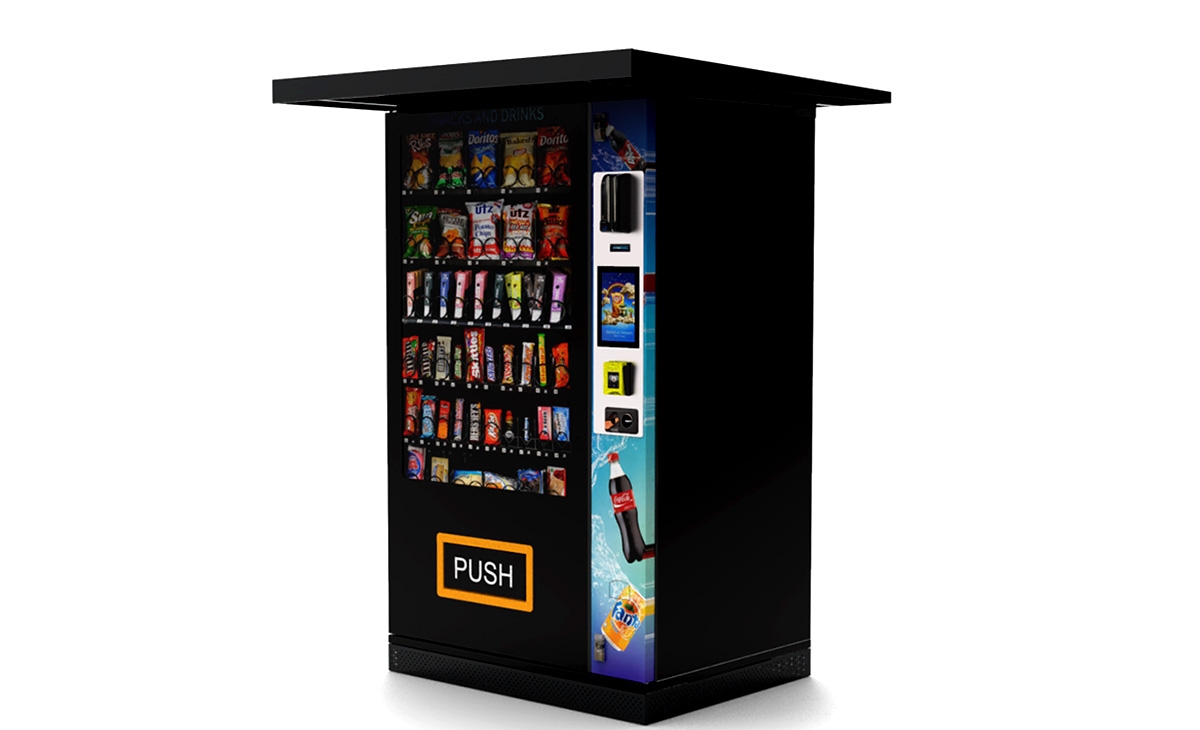
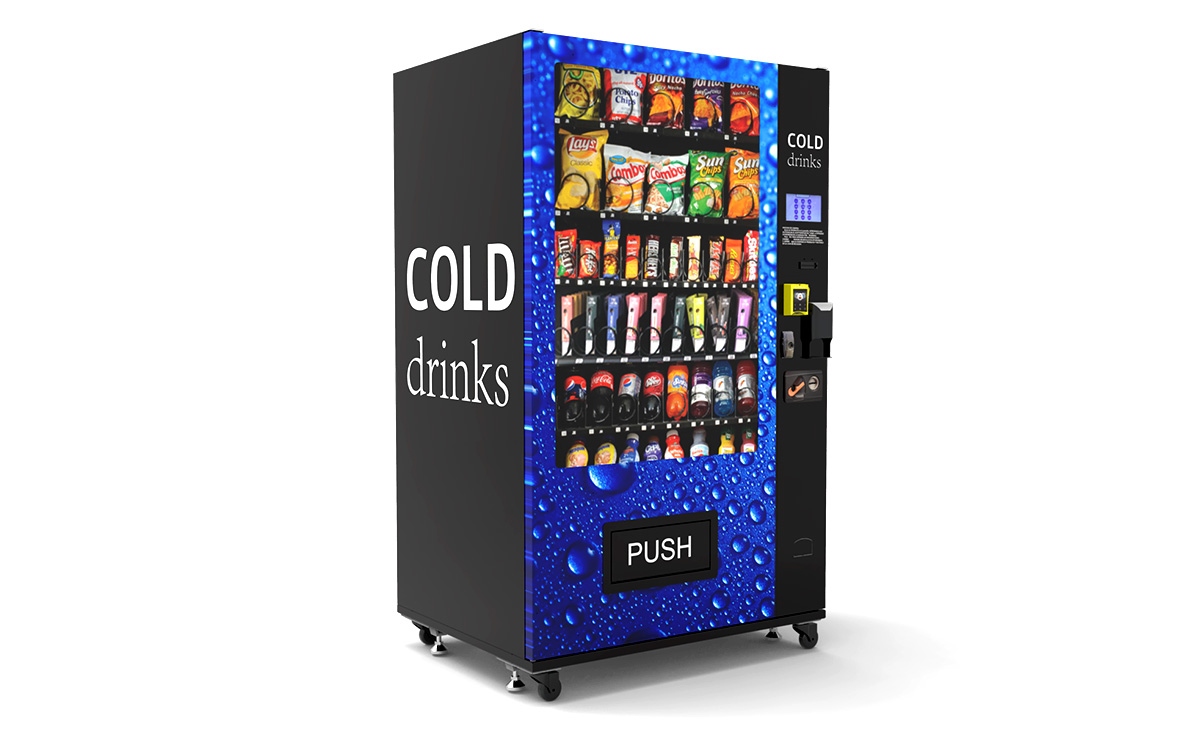
Most people think of vending machines as snack or soda dispensers. Parking ticket machines are a different animal. They do not require restocking of perishable goods, which eliminates spoilage and reduces labor. However, they require more robust hardware because they handle cash and must operate outdoors in rain, snow, and heat. The maintenance profile is also different—you are dealing with coin jams, printer failures, and payment terminal issues rather than stuck candy bars.
I have found that parking ticket machines have higher upfront costs but lower ongoing operational headaches once you get the electronics right. The margin is also cleaner because you keep 100% of the parking fee minus the location commission, which typically ranges from 10% to 30% depending on the arrangement.
How a Parking Ticket Vending Machine Actually Works
The basic operation seems simple, but the technology behind it is more complex than most beginners realize. A driver pulls into a parking spot, walks to the machine, enters their license plate number or parking zone, selects the duration, and pays. The machine prints a receipt or sends a digital confirmation. Behind the scenes, the machine communicates with a payment gateway, records the transaction, and stores the data for collection reconciliation.
Modern machines use cellular connectivity or Wi-Fi to transmit transaction data to a cloud-based management system. This allows you to monitor cash levels, detect malfunctions, and adjust pricing remotely. I have seen operators lose thousands of euros because they bought machines without remote monitoring, forcing them to drive to each location just to check if the machine was working.
Payment Systems You Need to Understand
European and North American markets have shifted heavily toward card and mobile payments. According to a 2023 report by the European Central Bank, card payments overtook cash for the first time in point-of-sale transactions across the euro area. This means your machine must support contactless credit cards, Apple Pay, Google Pay, and ideally local payment apps like Twint in Switzerland or iDEAL in the Netherlands.
I always recommend machines with at least two payment methods: a coin acceptor and a contactless card reader. Cash-only machines are becoming obsolete, and I have seen operators lose 40% of potential revenue simply because tourists and younger drivers do not carry coins anymore. A good payment terminal adds about €800 to €1,200 to the machine cost, but it pays for itself within three to six months.
Profit Analysis: What You Can Realistically Expect
Let me share real numbers based on my own operations and those of colleagues I trust. These are not theoretical projections. I have run these numbers across twenty different locations in France, Germany, and the United Kingdom over the past five years.
| Location Type | Monthly Revenue (EUR) | Location Commission | Net Monthly Profit | Typical Payback Period |
|---|---|---|---|---|
| Train station (medium traffic) | €2,800 – €4,200 | 15% – 20% | €2,240 – €3,570 | 8 – 12 months |
| Hospital parking lot | €1,800 – €2,500 | 10% – 15% | €1,530 – €2,250 | 12 – 18 months |
| Shopping center (off-peak) | €1,200 – €1,800 | 20% – 30% | €840 – €1,440 | 18 – 24 months |
| Private garage (city center) | €2,200 – €3,500 | 12% – 18% | €1,804 – €3,080 | 10 – 14 months |
These figures assume the machine costs between €6,000 and €10,000 including installation. I have seen cheaper machines for €3,000, but they typically lack reliable payment systems and break down within a year. A €3,000 machine that fails every two months will cost you more in vending machine repair and lost revenue than a €9,000 machine that runs for three years without a major issue.
Hidden Costs That Eat Into Profit
Many beginners only calculate the machine price and location rent. They forget about insurance, payment processing fees, cellular data plans, and the cost of collecting cash. Payment processors typically charge 1.5% to 3% per transaction. If your machine processes €3,000 per month, that is €45 to €90 in fees. Data plans for cellular connectivity run about €15 to €30 per month per machine. Cash collection requires either your time or a hired service, which I estimate at €50 to €100 per visit depending on distance.
I also recommend budgeting €200 to €400 per year per machine for preventive maintenance. This includes cleaning coin mechanisms, updating software, and replacing worn thermal printer heads. Neglecting this will lead to machine downtime, and a machine that is down for three days in a high-traffic location can lose you €300 in revenue plus potentially damage your relationship with the property owner.
Maintenance: The Part Most Operators Ignore
I have seen more businesses fail from poor maintenance than from bad locations. A parking ticket vending machine is exposed to weather, dust, vandalism, and mechanical wear. The most common failures I encounter are coin jam mechanisms, thermal printer failures, and payment terminal connectivity issues.
If you are not comfortable troubleshooting basic electronics, you need a reliable vending machine repair service in your area. In the European market, independent technicians typically charge €80 to €150 per hour plus travel time. I have seen operators in remote areas pay €300 just for a technician to drive out and clear a coin jam. That is why I strongly recommend buying machines with modular components that you can swap yourself.
Remote Monitoring Is Non-Negotiable
Every machine I buy now must include remote diagnostics. Without it, you are flying blind. A machine can be broken for three days before a customer complains to the property owner, and by then you have lost revenue and credibility. I use a system that sends me an alert when cash levels reach 80% and when any component reports an error. This allows me to schedule collection and maintenance proactively.
I have worked with manufacturers like Zhongda Smart that build remote monitoring into their machines as a standard feature. This is the kind of detail that separates a profitable operation from a headache. When evaluating suppliers, ask specifically whether the machine supports real-time data transmission and whether you can access it through a mobile app or web dashboard.
Choosing the Right Machine and Supplier
The vending machine market is flooded with options, and price is not always the best indicator of quality. I have tested machines from a dozen manufacturers over the years. The ones that last are built with stainless steel enclosures, industrial-grade payment terminals, and weather-sealed electronics. Machines with painted steel exteriors will rust within two years in coastal or rainy climates.
When evaluating a supplier, I look for three things: spare parts availability, technical documentation in English or French, and a warranty of at least two years on the mainboard and payment system. I have seen operators buy from overseas suppliers who offer low prices but then cannot ship replacement parts for six weeks. A machine sitting idle for six weeks loses you more money than you saved on the purchase price.
Questions to Ask Before Buying
- What is the average lifespan of the thermal printer head, and how much does a replacement cost?
- Does the machine support both 4G cellular and Ethernet connectivity?
- Can the payment terminal be upgraded when new payment standards are released?
- What is the lead time for spare parts shipping within Europe?
- Is the software interface available in multiple languages?
I also recommend requesting a demo unit before committing to a bulk order. Put it in your own space for a month and test it with different payment methods. I once ordered ten machines from a supplier who claimed their machines accepted all European coins, only to discover they rejected Swiss francs. That mistake cost me weeks of returns and replacements.
Location Evaluation: How I Decide If a Spot Is Worth It
Location is everything, and I have developed a simple scoring system over the years. I look for locations with at least 500 cars passing through per day, a parking duration of at least two hours, and a lack of alternative payment options. A hospital parking lot with 1,000 cars per day but free parking for the first hour is a poor location because few drivers will pay.
I also consider the property owner's reputation. I have been burned by landlords who suddenly doubled the rent after my machine proved profitable. Always get a written contract with a fixed rent or commission rate for at least two years. I also include a clause that allows me to remove the machine within 30 days if the location underperforms.
Scenarios That Work and Those That Don't
From my experience, the best locations are commuter train stations, hospital visitor parking, and private garages in dense urban areas. The worst locations are small retail strips with free street parking nearby, and any location where the property owner also operates a competing payment system.
I once placed a machine at a municipal parking lot in a small German town. The location had good traffic, but the town council also offered a free parking app. My machine collected only €400 in the first month. I moved it to a private garage near a shopping center, and revenue tripled. The lesson is that you must verify that no free or cheaper alternative exists within walking distance.
Legal Requirements and Permits
Regulations vary significantly across Europe and North America. In France, any self-service kiosk that collects payments must comply with the French Monetary and Financial Code regarding cash handling and anti-money laundering. You also need to register your business with the local Chamber of Commerce and obtain a permit from the municipality where the machine is installed.
According to the French government's business portal (Service-Public.fr), operators of automated vending machines must declare their activity and may need to comply with specific tax reporting requirements for cash transactions. In Germany, you need a Gewerbeanmeldung (business registration) and may need to register your machine with the local Ordnungsamt.
I recommend consulting with a local business attorney before signing any location agreement. The cost of legal advice is small compared to the risk of fines or forced machine removal. I have seen operators in Italy lose their machines entirely because they did not obtain the required municipal concession.
Financing Options and Payback Realities
Most operators I know self-finance their first few machines. Bank loans for vending equipment are available but often require a personal guarantee and a solid business plan. Some manufacturers offer lease-to-own programs, but the interest rates can be high. I prefer buying machines outright because it gives me full control and better margins.
The payback period for a well-placed machine is typically 10 to 18 months. If you are looking at a payback period longer than 24 months, either the location is weak or the machine is too expensive for its earning potential. I have walked away from deals where the machine cost €12,000 and the projected monthly net profit was only €500. That is a 24-month payback before any maintenance costs, which is too risky.
Scaling Beyond One Machine
Once you have proven the concept with one or two machines, scaling becomes easier. You can negotiate better pricing with suppliers and location owners. I also recommend hiring a part-time technician for collection and basic maintenance once you exceed ten machines. Your time is better spent evaluating new locations and negotiating contracts than driving around collecting coins.
The automated retail sector is growing steadily. According to IBISWorld, the global vending machine market was valued at approximately $31.5 billion in 2023 and is projected to grow at a compound annual rate of 6.2% through 2028. Parking ticket machines represent a niche but stable segment within this market because parking demand is relatively inelastic—people need to park regardless of economic conditions.
FAQ: Common Questions from New Operators
Are parking ticket vending machines profitable?
Yes, but profitability depends heavily on location and machine reliability. A well-placed machine can generate €1,200 to €4,000 per month in revenue. After deducting location commission, payment fees, and maintenance, net profit typically ranges from €800 to €3,000 per machine per month. Poorly placed machines can lose money.
How much does a parking ticket vending machine cost?
A reliable new machine costs between €6,000 and €12,000 depending on payment options, connectivity features, and build quality. Used machines can be found for €2,000 to €4,000, but they often require costly repairs and lack modern payment systems.
How long does it take to recover the investment?
With a good location, payback typically takes 10 to 18 months. If the payback period exceeds 24 months, the location or machine choice likely needs re-evaluation.
Should I buy or lease a machine?
Buying is better for long-term profitability. Leasing often comes with high interest rates and restrictions on where you can place the machine. Buy your first machine outright, prove the model, then scale.
Where should I place the machine for best results?
Commuter train stations, hospital visitor parking, and private garages in dense urban areas are the most reliable. Avoid locations with free parking alternatives or low daily traffic.
What permits do I need?
Requirements vary by country and municipality. In France, you need a business registration and a municipal permit. In Germany, you need a Gewerbeanmeldung. Always check local regulations before installing.
How do I choose a supplier?
Look for suppliers with a track record of reliable hardware, good technical support, and fast spare parts shipping. Manufacturers like Zhongda Smart offer machines with remote monitoring and modular components that reduce maintenance costs. Always request a demo unit before bulk ordering.
What happens when the machine breaks?
You need a plan for vending machine repair. Either learn basic troubleshooting yourself or contract with a local technician. Remote monitoring helps you detect problems early and minimize downtime.
How can I reduce maintenance costs?
Buy machines with weather-sealed enclosures, modular components, and remote diagnostics. Perform preventive maintenance every three months. Keep spare parts on hand for the most common failure points: printer heads, coin mechanisms, and power supplies.
Final Thoughts from the Field
Running a parking ticket vending machine business is not a get-rich-quick scheme. It requires upfront capital, careful location analysis, and a commitment to maintenance. But for operators who treat it like a real business rather than a passive income stream, it can provide steady returns with less daily labor than snack vending. The machines that succeed are the ones placed in locations with genuine demand, built with quality components, and monitored constantly.
I have made my share of mistakes—buying cheap machines that broke down, signing bad location contracts, and underestimating payment processing fees. Every mistake taught me something. If you are starting out, begin with one machine in a location you know well, track every euro, and reinvest your profits into better equipment. The market is large enough that there is room for serious operators who do the work.
This article is based on my personal experience operating vending equipment in multiple European markets since 2013. Financial figures are estimates derived from that experience and should not be taken as guaranteed returns. Always conduct your own due diligence and consult local professionals for legal and tax advice.
本文更新于2025年1月