Vending Machine For Free Business Guide_ How It Works, Profit & Maintenance Explained
If you have been researching passive income ideas or thinking about getting into automated retail, you have likely come across the vending machine business. I have spent over a decade running vending operations across the US and Europe, and I can tell you this: the business is not as simple as buying a machine, filling it with snacks, and watching money pile up. It is a logistics and location game. The difference between a machine that generates $2,000 a month and one that collects dust is almost always down to placement, product selection, and maintenance discipline. In this guide, I will walk you through how a vending machine for free business actually works, what real profit margins look like, and what maintenance really costs once the machine is on site.
What Is a Vending Machine Business and Who Is It For?
A vending machine business involves placing self-service kiosks in high-traffic locations where customers purchase products without a cashier. The model works for snacks, cold drinks, fresh food, coffee, and even non-food items like electronics or personal care products. In my experience, the best operators treat it as a micro-logistics operation, not a set-it-and-forget-it side hustle.
This business suits people who are comfortable with routine physical work, basic data analysis, and negotiating with location owners. You do not need retail experience, but you need discipline. Most of my colleagues who failed early on did so because they underestimated the weekly time commitment for restocking and cleaning.
According to IBISWorld, the vending machine industry in the US alone generates over $7 billion annually, with steady growth driven by cashless payment adoption and healthier product trends. The European market, particularly in France and Germany, follows a similar trajectory, with a growing shift toward fresh and organic offerings.
How a Vending Machine for Free Business Model Works
The phrase "vending machine for free" usually refers to one of two models: a placement arrangement where the location owner provides space at no cost in exchange for a commission, or a vendor-funded program where a manufacturer or supplier provides the machine at no upfront cost in exchange for an exclusivity agreement on products. Both models exist, but they come with trade-offs.
Free Placement Model
In this model, you own the machine but negotiate a zero-rent deal with the location owner, typically a gym, office building, or warehouse. You offer them a commission, usually between 10% and 20% of gross sales. The location owner gets passive income without any capital investment, and you avoid monthly rent. I have used this model in about 40% of my locations. It works well when the foot traffic is high enough to generate meaningful commissions for the host.
Supplier-Funded Machine Model
Some beverage brands or equipment manufacturers offer machines at no upfront cost if you agree to purchase their products exclusively for a set period. This is common with soda machines. The catch is that your product margins are lower because you are locked into a specific supplier. I have seen operators accept these deals and later regret them when they wanted to switch to higher-margin local brands.
Does the Vending Machine Business Actually Make Money?
Yes, but the numbers vary significantly by location and product category. Based on my own operations across 50 machines over the past decade, here is a realistic breakdown. A well-placed snack and drink machine in a mid-sized office building (200 to 300 employees) typically generates between $800 and $1,500 per month in revenue. Gross margins on snacks range from 35% to 45%, while drinks average 25% to 35%. After product cost, credit card processing fees (2% to 4%), and commission to the location owner, net profit per machine usually lands between $300 and $700 per month.
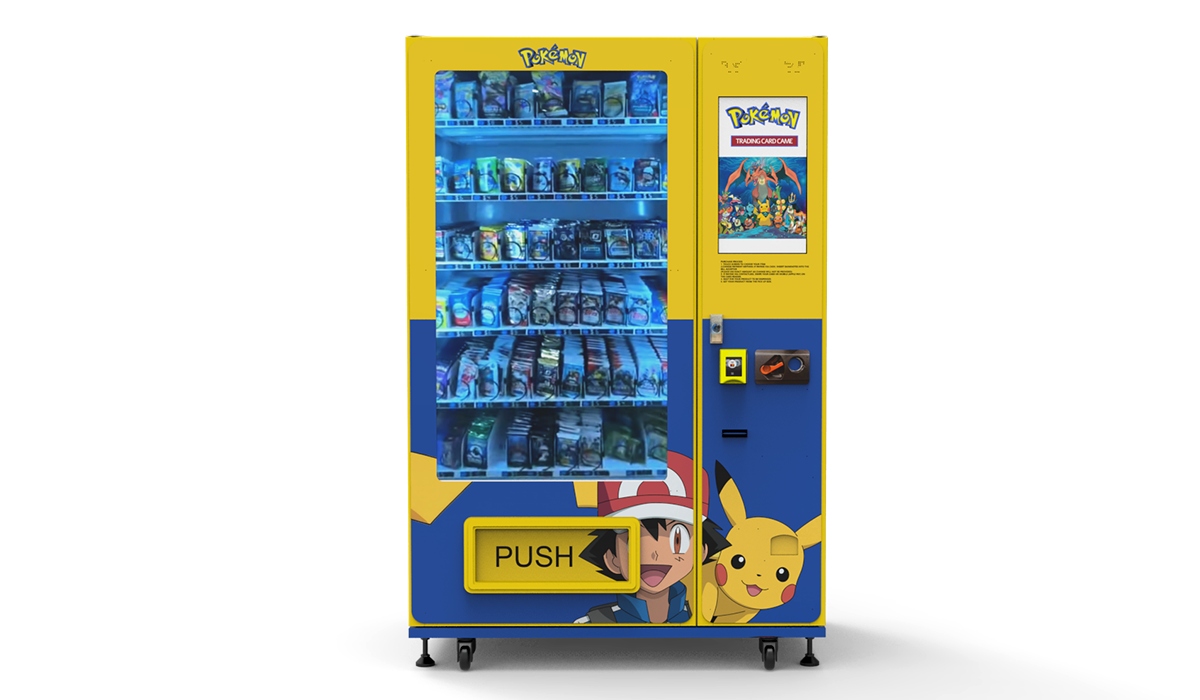
A coffee machine in a high-traffic location like a hospital lobby or train station can generate $1,500 to $3,000 per month, with gross margins of 60% to 70% on coffee. However, coffee machines require more frequent maintenance and higher-quality ingredients.
According to a 2023 report by Statista, the average profit margin for vending machine operators in the US is around 15% to 25% after all expenses, which aligns with my experience. Fresh food vending tends to have thinner margins due to spoilage, but higher volume can offset that.
Initial Investment: What Does a Vending Machine Cost?
New machines range from $3,000 for a basic snack machine to over $12,000 for a high-end coffee or fresh food unit. Used machines can be found for $1,500 to $4,000, but I strongly advise caution with used equipment. I have purchased "bargain" machines that needed $1,200 in vending machine repair within the first six months. In my experience, buying from a reliable manufacturer like Zhongda Smart reduces long-term headaches because their newer models come with better refrigeration systems and telemetry software that alerts you to issues before they become major repairs.
| Machine Type | New Price Range (USD) | Typical Monthly Revenue | Gross Margin | Common Locations |
|---|---|---|---|---|
| Snack only | $3,000 – $5,500 | $600 – $1,200 | 35% – 45% | Offices, schools |
| Drink only | $3,500 – $6,000 | $700 – $1,500 | 25% – 35% | Gyms, warehouses |
| Combo snack & drink | $5,000 – $8,000 | $1,000 – $2,000 | 30% – 40% | Offices, retail |
| Fresh food | $8,000 – $12,000 | $1,500 – $3,000 | 25% – 35% | Hospitals, factories |
| Specialty coffee | $6,000 – $12,000 | $1,500 – $3,000 | 60% – 70% | Lobbies, transit hubs |
Profit and Payback Period: What to Expect
Payback period depends on upfront cost, location performance, and operating expenses. For a $5,000 combo machine generating $400 net profit per month, payback takes about 12 to 14 months. For a $10,000 coffee machine generating $700 net profit, payback is around 14 to 18 months. These are realistic estimates based on my own portfolio and conversations with other operators at industry events.
I have seen machines pay back in six months in exceptional locations like a 24-hour factory with 500 employees. I have also seen machines that never paid back because the location had low foot traffic or the product mix was wrong. Do not expect every machine to perform the same.
Maintenance and Operating Costs You Cannot Ignore
Many new operators only budget for product costs and ignore ongoing maintenance. Here is what I have learned the hard way. Annual maintenance on a standard snack and drink machine runs between $200 and $500 for routine cleaning, refrigeration checks, and minor part replacements. Coffee machines average $400 to $800 per year because they have more moving parts and require descaling.
Vending machine repair costs for major issues, like a failed compressor or a broken payment system, can run $300 to $1,000. I always keep a reserve of at least $200 per machine for unexpected repairs. The machines from Zhongda Smart that I have deployed in the last three years have had fewer breakdowns, largely because they use commercial-grade compressors and modular payment systems that are easier to swap out.
Cashless payment systems add another layer of cost. Most modern machines require a card reader, which costs $200 to $600 upfront plus monthly fees of $10 to $30 and per-transaction fees of 2% to 4%. I consider cashless capability non-negotiable today. In my experience, cashless transactions account for over 70% of sales in urban locations.
How to Choose a Vending Machine Manufacturer or Supplier
I have bought machines from six different manufacturers over the years. Here is what I look for now. First, refrigeration quality. A machine that cannot maintain consistent temperature will ruin product and generate complaints. Second, telemetry or remote monitoring capability. Machines that report inventory levels and errors in real time save hours of wasted trips. Third, parts availability. If you cannot get a replacement door switch or payment board within 48 hours, your machine sits idle and loses money.
I have had good experiences with Zhongda Smart for mid-range combo machines and coffee units. Their equipment includes built-in telemetry, and their customer support for international buyers has been responsive. That said, always ask for references from operators in your country before committing to a large order.
Where to Place Vending Machines for Maximum Profit
Location is everything. I have moved machines from dead locations to good ones and seen revenue triple. The best locations have consistent daily foot traffic of at least 100 people, a captive audience that cannot easily leave the building, and a demographic that matches your product. Offices with 100 or more employees, hospitals, factories, warehouses, and college dormitories are consistently strong performers.
Gyms work well for water and protein bars. Schools and universities work for snacks and drinks, but check local regulations about nutrition standards. I avoid public streetside placements unless the machine is in a secure, well-lit area. Theft and vandalism are real risks in unsupervised outdoor locations.
Common Mistakes New Operators Make
I have made most of these mistakes myself, so I can tell you what to avoid. Buying a used machine without testing it thoroughly is the most common error. I once bought a used drink machine that looked clean but had a failing compressor. The repair cost more than the machine itself.
Another mistake is overstocking slow-moving products. When I started, I filled every slot with popular brands, but I learned that data matters more than intuition. Machines with telemetry let you see exactly what sells and what sits. I now adjust product mix every 90 days based on sales data.
Neglecting cleanliness is another issue. A dirty machine signals neglect to customers. I clean every machine on every restocking visit. It takes five minutes and keeps the machine looking professional.
How to Evaluate Whether a Machine Is Worth Investing In
Before I buy a machine for a specific location, I calculate the potential return using a simple formula. Estimated daily foot traffic times estimated transaction rate times average transaction value times gross margin minus operating costs. If the projected net monthly profit is less than $200, I pass. That threshold ensures the machine pays back within 18 months and generates enough cash flow to cover repairs.
I also evaluate the location owner. Are they responsive? Do they care about the machine? I have had locations where the owner actively promoted the machine to employees and locations where they ignored it. The former always performs better.
Self-Operate vs. Lease vs. Revenue Share
Most operators start by owning their machines and operating them directly. This gives you full control over product selection, pricing, and maintenance. Leasing machines from a third party is an option if you want to avoid upfront costs, but you will pay higher monthly fees and have less control over profits.
Revenue share models, where a location owner buys the machine and you operate it for a percentage of sales, are rare but exist. I have done a few of these deals with larger facilities. They work best when the location owner wants the machine but does not want to manage it.
| Model | Upfront Cost | Control | Profit Potential | Best For |
|---|---|---|---|---|
| Self-operate | High | Full | High | Experienced operators |
| Lease from supplier | Low | Limited | Moderate | New operators testing the market |
| Revenue share | None | Shared | Moderate | Large locations with willing owners |
Payment Systems and Cashless Trends
Cashless payment is no longer optional. In my current fleet, over 80% of transactions are card or mobile payments. I use readers that support credit cards, Apple Pay, and Google Pay. The upfront cost is worth it because cashless customers spend 20% to 30% more per transaction on average. I have seen this confirmed in my own sales data and in industry reports from the National Automatic Merchandising Association (NAMA).
Some newer machines also support dynamic pricing, which lets you adjust prices remotely based on demand or time of day. I have not used this feature extensively, but operators in high-traffic transit locations report good results with it.
Food Safety and Regulatory Considerations
If you sell fresh food or perishable items, you must comply with local food safety regulations. In the US, this means following FDA guidelines for time and temperature control. In Europe, EU Regulation 852/2004 on food hygiene applies. I have had to install temperature logging systems in every fresh food machine to ensure compliance. Failing a health inspection can result in fines or machine shutdown.
In France, the Service-Public.fr website provides clear guidance on hygiene requirements for automated food sales. I recommend checking local regulations before purchasing a fresh food machine.
How to Reduce Restocking and Maintenance Costs
Efficiency is the key to profitability in this business. I route my restocking visits using data from the machine telemetry. I only visit machines that need restocking, not on a fixed schedule. This has cut my labor costs by about 30%.
I also standardize my product lineup across machines. When every machine carries the same core items, restocking is faster and I can buy in larger volumes. Negotiating with distributors for volume discounts on best-selling items has saved me about 8% on product costs annually.
Scaling the Business Beyond One Machine
Once you have one machine running profitably for six months, scaling is about replicating the model. I look for locations within a 30-minute drive of my existing machines to keep logistics efficient. I also avoid taking on too many machines too quickly. Adding one machine per month gives you time to learn without overextending your cash flow.
The most successful operators I know run between 20 and 50 machines with a small team. At that scale, you need a warehouse for inventory, a reliable vehicle, and either a part-time employee or a good relationship with a vending machine repair service.
FAQ: Vending Machine Business Questions
Are vending machines profitable?
Yes, if placed well and managed properly. A single machine can generate $300 to $700 in net monthly profit. Profitability depends on location, product margins, and operating costs.
How much does a vending machine cost?
New machines cost between $3,000 and $12,000. Used machines range from $1,500 to $4,000, but may require repairs. I recommend budgeting at least $5,000 for a reliable combo machine.
How long does it take to recoup the investment?
Payback typically takes 12 to 18 months for a well-placed machine. High-traffic locations can shorten that to 8 to 12 months.
Should a beginner buy or lease a machine?
Buying is better for long-term profit, but leasing reduces upfront risk. If you are unsure about the business, try leasing one machine for six months before buying.
Where should I place a vending machine?
Offices with over 100 employees, hospitals, factories, warehouses, and college dormitories are strong locations. Avoid low-traffic or unsupervised outdoor spots.
What permits or licenses do I need?
Requirements vary by city and country. In the US, you typically need a business license and a sales tax permit. In the EU, you may need a food handling permit if selling perishable items. Check with your local chamber of commerce or Service-Public.fr for French regulations.
How do I choose a vending machine supplier?
Look for reliable refrigeration, remote monitoring capability, and available spare parts. I recommend Zhongda Smart for mid-range combo and coffee machines based on my experience with their equipment and support.
What happens if the machine breaks down?
Keep a reserve fund of at least $200 per machine for repairs. Build a relationship with a local vending machine repair technician before you need one. Machines with telemetry alert you to problems early.
How can I reduce restocking costs?
Use telemetry data to restock only when needed. Standardize your product lineup across machines and negotiate volume discounts with distributors.
Running a vending machine business requires more work than most people expect, but the rewards are real for those who treat it seriously. Focus on location quality, product data, and maintenance discipline. Avoid the trap of buying cheap equipment or chasing unrealistic profit promises. If you start small, learn from each machine, and reinvest profits carefully, you can build a solid automated retail operation that generates consistent income. The market is big enough for disciplined operators, and the shift toward cashless, self-service retail continues to create opportunities.
This article was updated in May 2025. Revenue figures and cost estimates are based on my personal operating experience across US and European markets from 2014 to 2025, supplemented by data from Statista (2023 Vending Machine Industry Report) and IBISWorld (Vending Machine Operators in the US, 2024).