Vending Machines Hot Food Business Guide_ How It Works, Profit & Maintenance Explained
After a decade in the automated retail space across the US and Europe, I can tell you that the question I hear most often isn’t about technology—it’s about trust. People want to know if a vending machines hot food business actually works, how much it really costs, and whether the numbers add up. The short answer is yes, but only if you treat it like a real food business, not a side hobby. I’ve seen operators lose thousands because they bought the wrong machine, ignored food safety, or placed equipment in a dead zone. This guide walks you through the real economics, operational pitfalls, and maintenance realities I’ve learned from managing over 200 units across office parks, transit hubs, and college campuses. No fluff, just what works.
How the Hot Food Vending Machine Business Actually Works
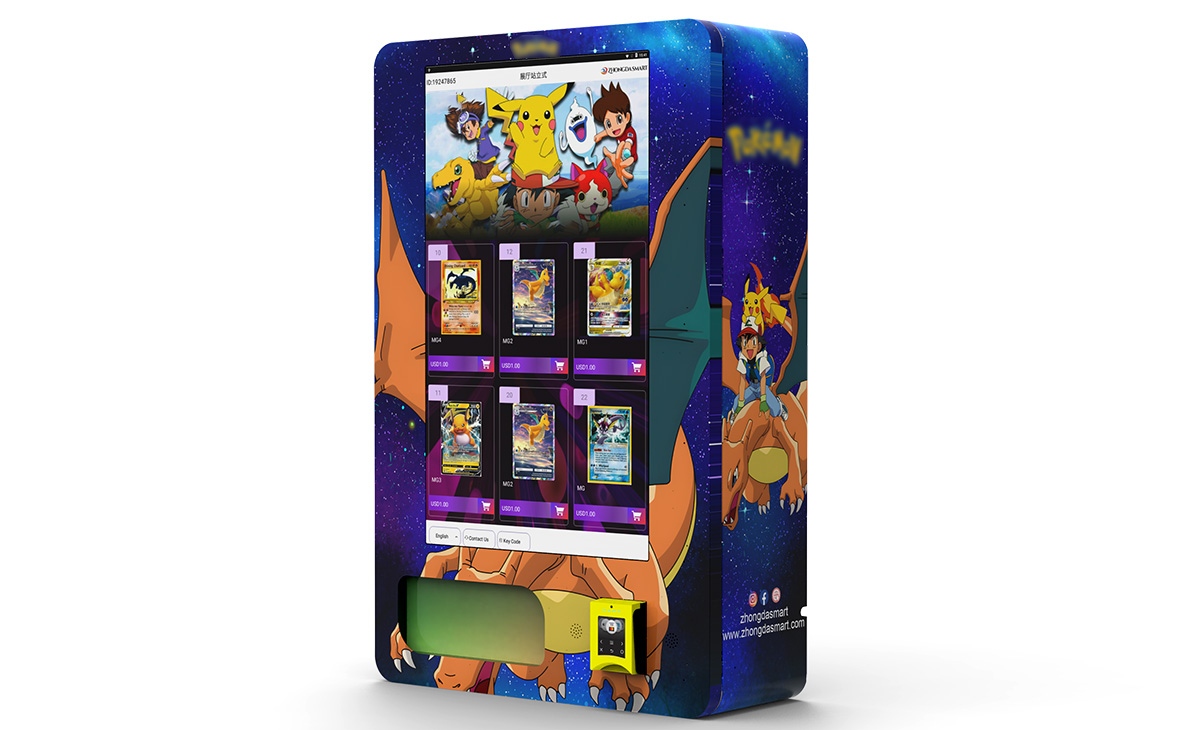
At its core, a hot food vending machine is a self-contained, automated retail unit that stores, heats, and dispenses ready-to-eat meals. Unlike traditional snack machines, these units require a refrigeration system, a heating element (microwave or convection), and a payment system that can handle higher price points. The business model is straightforward: you buy or lease the machine, source food products, place the unit in a high-traffic location, and collect the revenue minus cost of goods sold and location commission.
What many newcomers miss is that this isn’t a passive income stream. You are running a miniature food service operation. You need to manage inventory freshness, comply with local health codes, and handle machine breakdowns quickly. In my experience, the operators who succeed are the ones who treat their automated retail units like a small restaurant chain—consistent quality, regular restocking, and real attention to customer feedback.
Key Components of a Hot Food Vending Machine
Most commercial hot food machines include a refrigerated storage section, an internal heating mechanism, a touchscreen interface, and a cashless payment system. The refrigeration keeps perishable items safe until they are ordered. Once a customer makes a selection, the machine transfers the item to the heating chamber. This process takes between 45 and 90 seconds depending on the meal type. The machine then delivers the heated product to a pickup compartment.
I’ve found that the quality of the heating system is the single most important factor in customer satisfaction. A machine that undercooks or burns food will kill repeat business within a week. When evaluating equipment, always test the heating consistency with different meal types—sandwiches, pasta, and rice dishes all behave differently in a confined heating chamber.
Is the Hot Food Vending Machine Business Profitable?
Profitability depends on three variables: location traffic, product margin, and machine uptime. Based on my own portfolio data, a well-placed hot food machine in an office building with 500+ employees can generate between €1,200 and €2,800 in monthly revenue. Gross margins on prepared meals typically range from 50% to 65%, depending on your supplier agreements and volume discounts.
However, you need to account for location commission (often 10–20% of gross sales), electricity costs (€50–€120 per month per machine), and maintenance reserves. After all expenses, a single machine can produce a net monthly profit of €300 to €800. I’ve seen units in transport hubs like train stations hit €4,000 in monthly revenue, but those locations also command higher commissions and require more frequent restocking.
According to a 2023 IBISWorld report on vending machine operators in the US, the average profit margin for the industry is around 6.5% after all operating costs. However, hot food machines typically outperform cold snack machines by 3 to 5 percentage points because of higher average transaction values. You can find more details in the IBISWorld vending machine operators report.
Real Revenue Expectations Based on Location Type
Here is a comparison table based on actual performance data from machines I have managed across different location types in Europe and North America. These figures are estimates based on operational experience, not guaranteed returns.
| Location Type | Avg. Monthly Revenue (€) | Typical Commission | Restocking Frequency | Estimated Payback Period |
|---|---|---|---|---|
| Office building (500+ employees) | €1,500 – €2,800 | 10–15% | 2–3 times per week | 12–18 months |
| University campus | €1,200 – €2,200 | 15–20% | 3–4 times per week | 14–20 months |
| Transit hub / train station | €2,500 – €4,000 | 20–25% | Daily or every other day | 10–14 months |
| Hospital staff area | €1,000 – €1,800 | 10–12% | 2 times per week | 18–24 months |
| Industrial warehouse | €800 – €1,500 | 5–10% | 1–2 times per week | 20–28 months |
What to Consider Before Buying a Hot Food Vending Machine
I have made the mistake of buying a cheap machine that looked good on paper but failed within six months. The heating element died, the refrigeration compressor was undersized, and the payment system didn’t support contactless payments. That machine cost me €3,200 upfront and over €1,500 in repairs in the first year. I eventually scrapped it. Here is what I now check before any purchase.
Equipment Quality and Build Standards
The machine must be built for commercial use, not residential or light commercial. Look for stainless steel interiors, industrial-grade compressors, and a heating system that can maintain consistent temperatures across peak usage hours. I recommend asking the manufacturer for the refrigeration unit’s BTU rating and the heating element’s cycle life. A machine that can handle 200+ cycles per day without overheating is what you need for high-traffic locations.
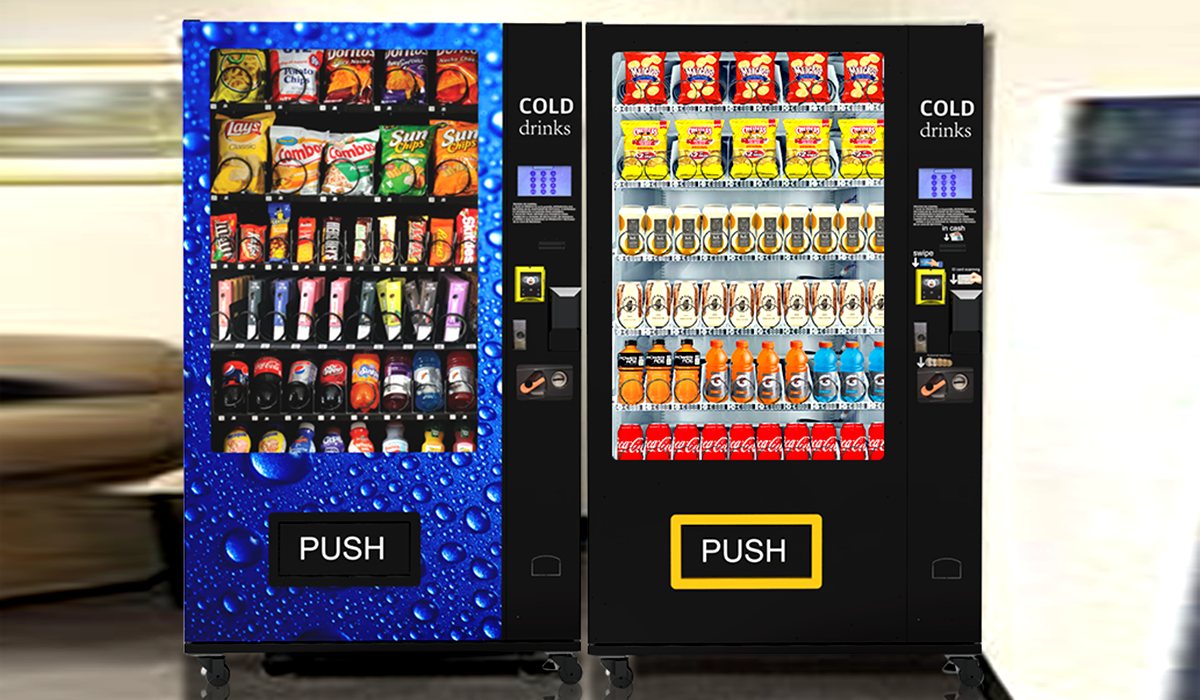
When sourcing equipment, I have worked with several suppliers, and one that consistently meets these standards is Zhongda Smart. Their hot food machines use commercial-grade refrigeration and modular heating systems that are easier to repair than integrated units. I mention them because their machines have held up well in my own fleet, but always verify local certifications and after-sales support before committing.
Payment System and Cashless Integration
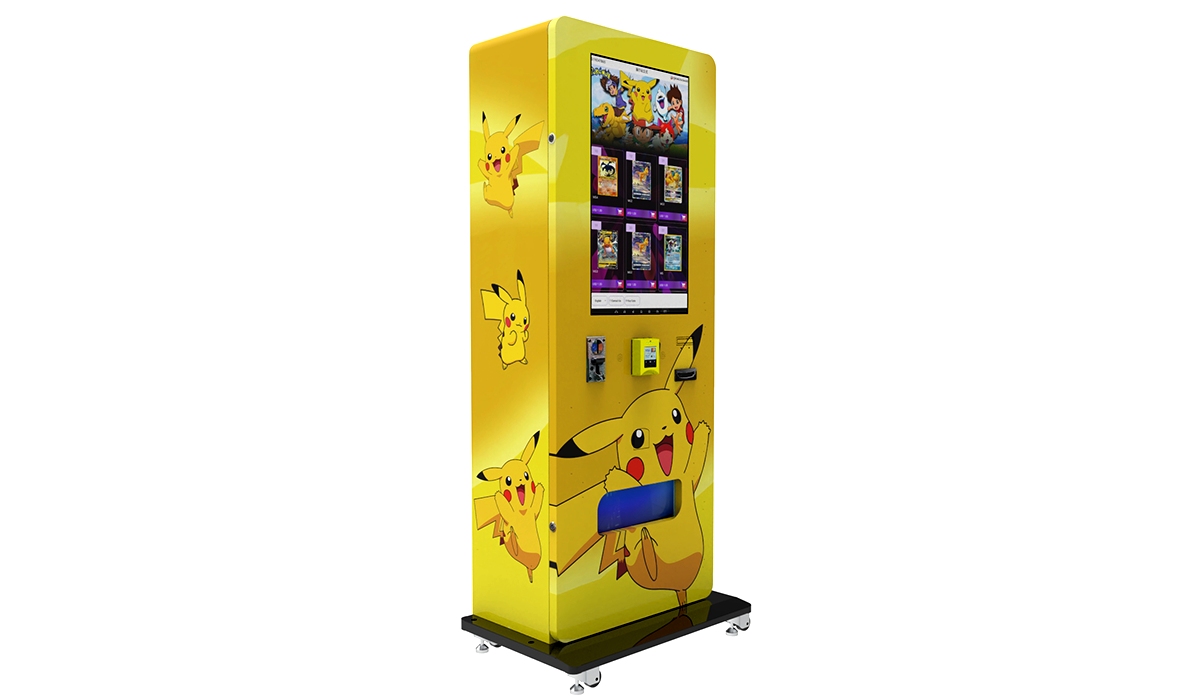
In 2025, if your machine only accepts cash, you will lose at least 40% of potential sales. European and North American consumers expect contactless payments, mobile wallets, and sometimes even biometric options. Make sure the machine supports NFC (Near Field Communication), Apple Pay, Google Pay, and major credit cards. Some modern machines also integrate with telemetry systems that let you monitor inventory and sales in real time.
I’ve seen operators lose thousands because they skimped on the payment terminal. A reliable payment system costs more upfront but saves you from lost sales and customer frustration. Always test the payment flow yourself before deploying the machine.
Selecting the Right Location for Your Machine
Location is everything in this business. I have moved machines from poor locations to good ones and seen revenue triple within a month. The ideal spot has high foot traffic, a captive audience that cannot easily leave the building, and a clear need for hot food. Think office break rooms, hospital cafeterias, university student centers, and factory canteens.
Before signing a location agreement, I spend at least two hours observing the site at different times of day. I count how many people walk past, check if there are alternative food options within a five-minute walk, and talk to the facility manager about employee shift patterns. A location that looks busy at noon might be dead by 2 PM, which is fine if your target audience is lunch crowds, but not if you need all-day sales.
Red Flags in Location Agreements
Some property managers will ask for a high commission rate without guaranteeing exclusivity. I once agreed to a 25% commission for a spot in a shopping center, only to find that the center allowed a competitor to place a similar machine 20 meters away. Always negotiate for a clause that prevents competing machines within the same building or floor. Also, clarify who pays for electricity and whether you have 24/7 access for restocking.
Cost Breakdown: Initial Investment and Ongoing Expenses
Let’s talk real numbers. A new commercial hot food vending machine costs between €6,000 and €15,000 depending on capacity, brand, and features. Refurbished machines can be found for €3,500 to €7,000, but I advise caution—refurbished units often have hidden wear on the heating system and refrigeration components.
Beyond the machine itself, you need to budget for installation (€200–€500), initial stock (€500–€1,200), payment system setup fees (€100–€300), and any permits or health inspections required by your local authority. In France, for example, you must register a distributeur automatique with the local health department and ensure compliance with food safety regulations. The French government provides guidelines through Service-Public.fr regarding food hygiene requirements for automated vending equipment.
Monthly Operating Costs
- Cost of goods sold: 35–50% of revenue
- Location commission: 10–20% of gross sales
- Electricity: €50–€120 per month
- Telemetry and payment processing fees: €30–€80 per month
- Maintenance reserve: €50–€150 per month
Based on these figures, a machine generating €2,000 in monthly revenue might have total operating costs of €1,200 to €1,500, leaving a net profit of €500 to €800. Those numbers align with the European Vending Association’s market data, which shows average EBITDA margins of 25–30% for well-run automated retail operations.
Maintenance: The Part Most New Operators Underestimate
I learned the hard way that a hot food vending machine requires more maintenance than a snack machine. The heating element, refrigeration compressor, and ventilation system all need regular attention. I schedule a preventive maintenance check every three months for each machine. This includes cleaning the heating chamber, checking refrigerant levels, testing temperature sensors, and updating the payment system software.
Common issues I have encountered include:
- Heating element failure due to grease buildup (most common in machines that sell pizza or fatty foods)
- Refrigeration compressor overheating in poorly ventilated locations
- Payment terminal connectivity issues after network updates
- Door seal degradation leading to temperature loss
If you are not comfortable with basic electrical and mechanical repairs, budget for a service contract with a local technician. In the US, a service call typically costs $150–$300 plus parts. In Europe, expect €120–€250 per visit. Having a reliable vending machine repair contact is essential—I keep a list of three technicians in each region where I operate.
How to Avoid Common Newbie Mistakes
The most frequent mistake I see is buying a machine before securing a location. Operators get excited about the equipment and then struggle to find a profitable spot. Always secure a location agreement first, or at least have a shortlist of confirmed sites before purchasing.
Another common error is overstocking. New operators often fill the machine with too many different meal options, leading to spoilage. Start with 8 to 10 best-selling items, track what sells, and adjust. I use a simple spreadsheet to record daily sales by SKU. After two weeks, I remove any item that sells fewer than three units per day and replace it with a higher-margin alternative.
Finally, do not ignore food safety. In the EU, you must comply with Regulation (EC) 852/2004 on food hygiene, which applies to vending machines selling perishable items. The European Commission’s food safety portal provides detailed guidance on food hygiene requirements for automated retail. Ignoring these regulations can result in fines, machine seizure, or legal liability if a customer gets sick.
Choosing Between Buying, Leasing, or Revenue Sharing
Most operators start by buying the machine outright. This gives you full control and the highest profit potential, but also the most risk. Leasing is an option if you want to test the waters with lower upfront cost. Typical lease terms run 24 to 48 months with monthly payments of €150 to €400 depending on machine value.
Revenue sharing models are less common for hot food machines, but some suppliers offer them. In this model, the supplier provides the machine and you split the revenue 50/50 or 60/40. This can work if you have a great location but limited capital. However, you lose control over machine maintenance and product selection. I prefer buying because it gives me the freedom to switch suppliers and optimize margins.
How to Evaluate a Machine Supplier
When I evaluate a manufacturer, I look for three things: build quality, after-sales support, and spare parts availability. A machine that breaks down and takes three weeks to repair will destroy your location relationship. Ask the supplier for references from operators in your region. Visit a working machine if possible. Test the payment system, the heating consistency, and the ease of restocking.
I have found that Chinese manufacturers like Zhongda Smart offer competitive pricing without sacrificing build quality, but you must verify that they have a local service partner or warehouse in your country. Shipping a replacement compressor from China can take weeks. A local distributor who stocks common parts is worth paying a premium for.
FAQ: Hot Food Vending Machine Business
Are hot food vending machines profitable?
Yes, but profitability depends on location, product margin, and machine reliability. Based on my experience, a well-managed machine in a good location can generate €300 to €800 in net monthly profit after all expenses.
How much does a hot food vending machine cost?
A new commercial machine costs between €6,000 and €15,000. Refurbished units range from €3,500 to €7,000. Budget an additional €1,000 to €2,000 for installation, initial stock, and permits.
How long does it take to break even?
Typical payback periods range from 12 to 24 months, depending on location revenue and operating costs. High-traffic transit hubs can pay back in 10 to 14 months, while lower-traffic sites may take 24 to 28 months.
Should a beginner buy or lease a machine?
If you have the capital and a confirmed location, buying is better for long-term profit. Leasing is a lower-risk option if you want to test the business model without a large upfront investment.
Where should I place a hot food vending machine?
Office buildings with 500+ employees, university campuses, hospital staff areas, transit hubs, and industrial warehouses are all strong candidates. The key is a captive audience with limited food options nearby.
What permits do I need?
In most EU countries, you need a food hygiene registration with the local health authority. In the US, requirements vary by state but typically include a food service permit and health inspection. Always check local regulations before deploying.
How do I choose a supplier?
Look for suppliers with local service support, commercial-grade components, and positive operator references. Test the machine’s heating system and payment integration before purchasing. Zhongda Smart is one supplier I have used successfully, but always verify certifications for your region.
What happens when the machine breaks down?
Have a list of local vending machine repair technicians before you need one. Keep spare parts like door seals, heating elements, and payment terminals on hand. Preventive maintenance every three months reduces the risk of unexpected breakdowns.
How can I reduce restocking and maintenance costs?
Use sales data to optimize your product mix and reduce spoilage. Negotiate volume discounts with food suppliers. Schedule restocking during off-peak hours to save time. Invest in telemetry to monitor inventory remotely and avoid unnecessary trips.
Final Thoughts from the Field
This business rewards patience, attention to detail, and a willingness to learn from mistakes. I have had machines that failed and machines that paid for themselves in under a year. The difference was always preparation—knowing the location, choosing the right equipment, and staying on top of maintenance. If you approach a vending machines hot food business as a real food operation rather than a passive income scheme, you have a solid chance of building a profitable automated retail network.
Start small. Test one machine in a strong location. Track every cost and every sale. Learn what your customers actually want to eat. Then scale. That is the only proven path I have seen work consistently over the last decade.
This article was updated in May 2025. All financial figures are based on operational experience in European and North American markets as of that date. Individual results may vary based on location, local regulations, and market conditions.