Step-by-Step Guide to Starting a Healthy Vending Machine Choices Business in 2026
If you are looking into starting a healthy vending machine choices business in 2026, you are likely wondering whether this is actually profitable or just another trend. After over a decade operating vending routes across the US and parts of Europe, I can tell you this: the demand for better-for-you snacks and functional beverages is real, and the margins can be solid if you pick the right equipment and locations. But the days of simply filling a machine with candy bars and chips are fading. A healthy vending machine choices business requires a different approach to sourcing, placement, and maintenance. In this guide, I will walk you through the exact steps I have used to build and scale these routes, including the costs you should expect, the equipment that works, and the mistakes that can kill your margins before you even start.
What Exactly Is a Healthy Vending Machine Business?
At its core, this is an automated retail operation focused on selling food and drinks that meet certain nutritional standards. Think protein bars, nuts, dried fruit, plant-based chips, cold-pressed juices, and sparkling water instead of soda. The equipment itself can range from a standard snack machine with a modified product selection to a specialized refrigerated unit designed for fresh items like salads or yogurt parfaits.
I have seen these machines placed everywhere from corporate office break rooms to university gyms and hospital lobbies. The key difference from a traditional vending operation is the product mix and the customer expectation. People using these machines are often looking for convenience without compromising their dietary goals. That shifts how you handle inventory, pricing, and even machine placement.
Is This Business Actually Profitable in 2026?
Yes, but the numbers vary significantly based on location and operational efficiency. Based on my own routes and data from industry peers, a well-placed healthy vending machine can generate between $300 and $1,200 per month in gross revenue. The gross margin on healthy products typically ranges from 35% to 50%, which is slightly lower than traditional candy and soda margins but often offset by higher customer loyalty and less price sensitivity.
According to a report from IBISWorld, the vending machine industry in the US alone was valued at over $8 billion in 2024, with a steady growth projection driven by healthier options. The real profit, however, comes from scaling. A single machine might net you $150 to $400 per month after product cost and commission. Once you operate ten or more machines, the economics become much more attractive, especially if you handle your own restocking and basic vending machine repair.
Step 1: Choose Your Equipment Wisely
Your choice of machine will determine your initial investment, ongoing maintenance costs, and even the types of products you can sell. I have made the mistake of buying cheap, used machines early in my career, and I paid for it in constant breakdowns and unhappy customers.
New vs. Used Machines
New machines cost more upfront but come with warranties and modern features like cashless payment systems and energy-efficient cooling. Used machines can save you 40% to 60% on the purchase price, but you must inspect them thoroughly. Look for rust, compressor issues, and outdated payment systems. A used machine that requires frequent vending machine repair will eat into your profits quickly.
Types of Machines for Healthy Products
Not all vending machines are suitable for healthy items. Here is a quick breakdown based on what I have used:
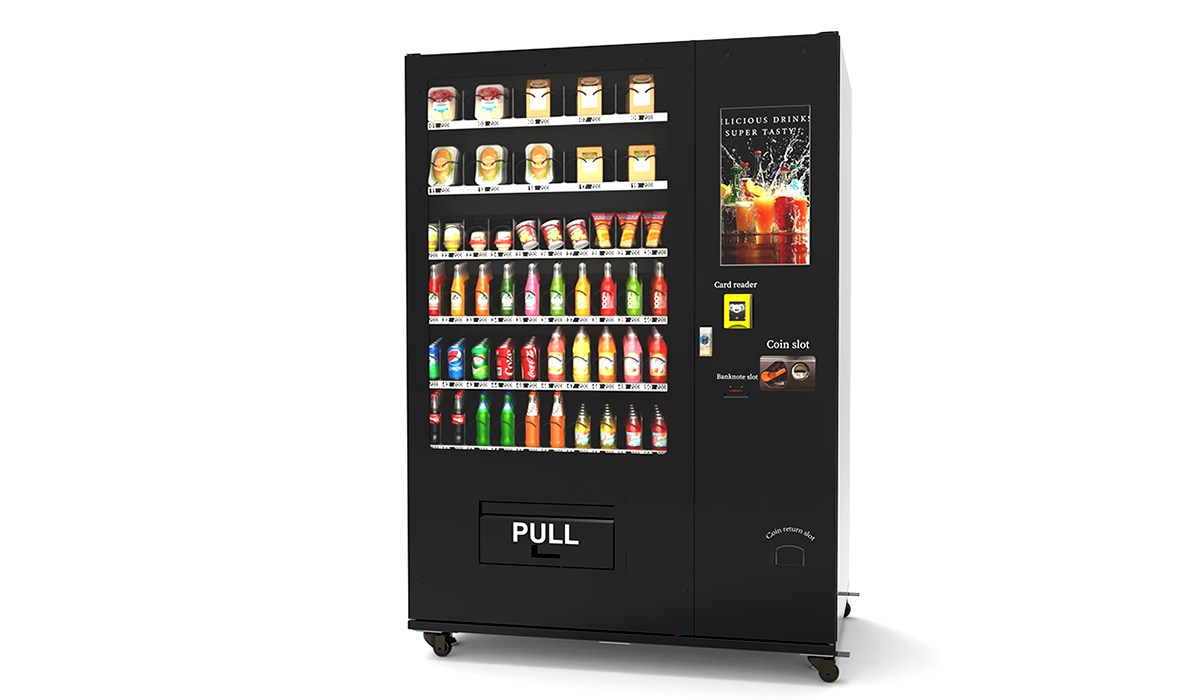
- Standard snack machines with spirals: Good for packaged bars, nuts, and chips. Reliable and easy to restock. Expect to pay $2,000 to $4,000 for a new unit.
- Refrigerated machines: Essential for fresh items like sandwiches, salads, and yogurt. These cost $3,500 to $6,000 new. Maintenance is higher due to the cooling system.
- Combination machines: Offer both snack and refrigerated sections. Versatile but more expensive, usually $5,000 to $8,000.
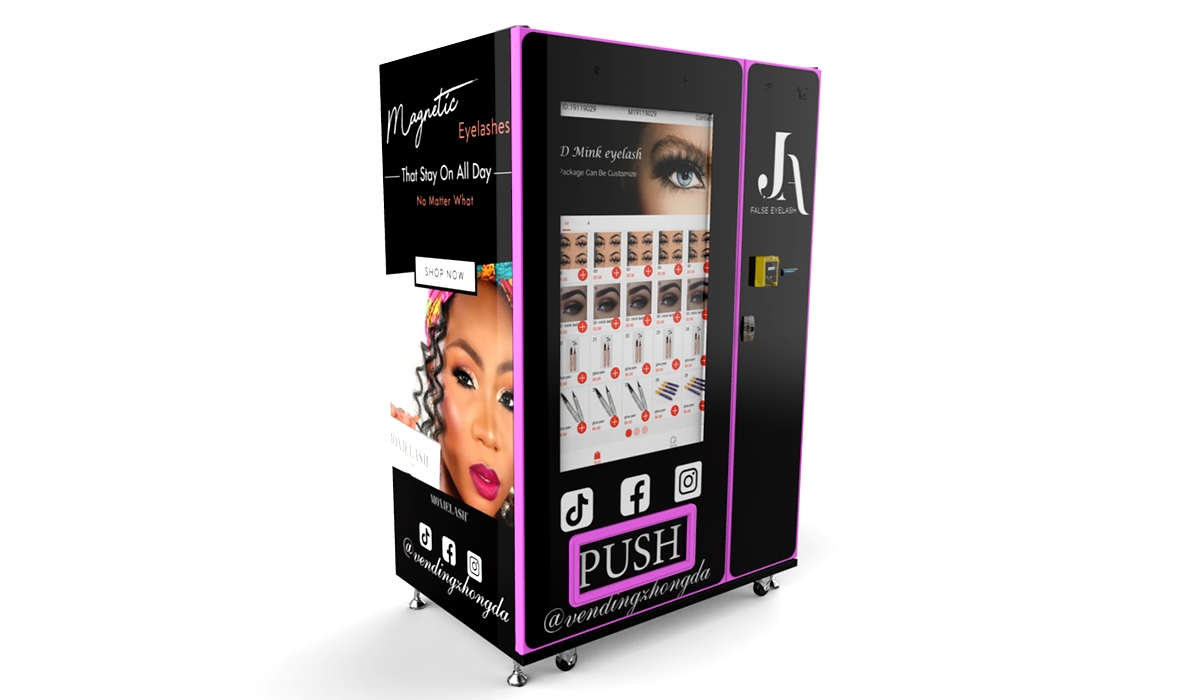
- Smart kiosks with touchscreens: These are essentially self-service kiosks that can handle complex inventory and offer a better user experience. Prices start around $6,000 and can go much higher. They are excellent for high-traffic locations where presentation matters.
When evaluating suppliers, I recommend looking at manufacturers that offer reliable after-sales support. One company I have worked with consistently is Zhongda Smart. They produce a range of machines that handle healthy products well, and their cold chain technology is solid for fresh items. Always ask about spare parts availability and warranty terms before committing.
Step 2: Selecting the Right Locations
Location is everything in this business. I have seen a perfectly good machine fail because it was placed in a spot with low foot traffic or the wrong demographic. Conversely, a mediocre machine in a great location can outperform a premium machine in a dead zone.
What Makes a Good Location?
You need at least 200 to 500 people passing by daily who are likely to buy. But traffic alone is not enough. The audience must align with healthy products. Here are the locations that have worked best for me:
- Corporate offices: Especially tech companies and startups where employees prioritize wellness. These locations often have high repeat usage.
- Health clubs and gyms: Obvious fit. Members want protein shakes, bars, and water. Expect higher sales during peak hours.
- Hospitals and medical centers: Staff and visitors often appreciate healthier options. Be mindful of dietary restrictions and labeling requirements.
- Universities: Students are open to trying new products, and many campuses are pushing for healthier food options.
- Public transportation hubs: High traffic, but you need to be careful about theft and vandalism. Consider using a machine with a reinforced cabinet.
How to Evaluate a Potential Location
Do not rely on the location owner's opinion. Spend a few hours observing foot traffic at different times of the day. Check if there are competing food options nearby. A location with a cafeteria offering similar healthy items might cannibalize your sales. Also, ask about the demographic. A senior center might prefer low-sugar snacks, while a college gym might want high-protein options.
One of my biggest early failures was placing a machine in a small office building with only 50 employees. Sales never covered the commission I paid the building owner. Learn from that: always calculate your breakeven point based on realistic traffic estimates.
Step 3: Understand the Costs and Break-Even Timeline
Let me give you a realistic picture based on my experience. These numbers will vary, but they provide a solid baseline for planning.
| Cost Category | Estimated Amount (USD) | Notes |
|---|---|---|
| New machine purchase | $3,000 – $8,000 | Depends on type and features |
| Used machine purchase | $1,500 – $3,500 | Higher risk of repair costs |
| Initial inventory | $500 – $1,000 | For first fill of 40–60 slots |
| Payment system setup | $200 – $500 | Credit card reader and telemetry |
| Location commission | 10% – 25% of gross sales | Negotiable, often 15% |
| Monthly restocking labor | $100 – $300 per machine | If you do it yourself, lower cost |
| Annual maintenance & repairs | $200 – $600 per machine | Includes vending machine repair costs |
Based on these figures, a single machine costing $4,000 with monthly sales of $700 and a 40% gross margin would take roughly 14 to 18 months to break even, assuming you handle restocking yourself. If you pay a restocker or have high location commission, that timeline extends. I have seen machines in premium locations break even in under 12 months, but that is not the norm.
Step 4: Sourcing Products and Managing Inventory
Your product selection will make or break your business. Healthy vending is not just about swapping candy for granola bars. You need to understand what sells and what sits on the shelf until it expires.
Building Your Product Mix
Start with a core set of items that have proven demand. In my routes, the top sellers are always protein bars, nut mixes, dried fruit, and flavored sparkling water. Avoid overly niche items until you have data. A quinoa snack bar might sound healthy, but if nobody buys it, you are wasting money.
Rotate products based on sales data. Most modern machines come with telemetry that tracks what sells and when. Use that data. If an item has not moved in two weeks, replace it with something else. I once kept a brand of kale chips for three months because I thought they fit the healthy theme. They did not sell. I learned to trust the numbers, not my assumptions.
Fresh vs. Shelf-Stable
Fresh items like sandwiches and salads require refrigerated machines and shorter restocking cycles. They also have higher spoilage risk. If you are new, start with shelf-stable products and add fresh items once you have a handle on the logistics. Spoilage can easily wipe out your profit margin if you are not careful.
Step 5: Payment Systems and Technology
In 2026, a vending machine without a card reader is almost useless. Cash usage continues to decline, especially among the demographic that buys healthy products. I recommend installing a cashless payment system from day one. This includes credit cards, mobile payments, and sometimes even cryptocurrency if your location demands it.
Telemetry systems are equally important. They allow you to monitor inventory levels, sales trends, and machine health remotely. This reduces the number of trips you need to make and helps you restock efficiently. The upfront cost of telemetry is around $200 to $400 per machine, plus a monthly fee of $15 to $30. In my experience, it pays for itself within six months by reducing labor and spoilage.
Step 6: Maintenance and Repair Strategy
Machines break down. It is a fact of this business. The most common issues I have encountered are jammed spirals, faulty cooling systems, and payment terminal failures. Having a plan for vending machine repair is essential.
Some repairs are simple and can be done by yourself with basic tools. Clearing a jam or replacing a fuse takes minutes. But compressor issues or complex electronic failures require a technician. I suggest building a relationship with a local repair service before you need them. Many suppliers, including Zhongda Smart, offer service contracts or can recommend certified technicians in your area.
Keep a small inventory of spare parts for your machines: extra spirals, payment terminal cables, and fuses. This can save you days of downtime. Every day your machine is not working is lost revenue and frustrated customers.
Step 7: Legal Requirements and Food Safety
Regulations vary by state and country, but there are common requirements you must meet. In the US, the FDA regulates vended food products. You need to ensure all items are properly labeled with ingredients, allergens, and nutritional information. Some states also require permits for vending machines, especially those selling perishable items.
In the European Union, regulations are governed by EU food safety directives. You must comply with traceability requirements and ensure that machines maintain proper temperatures for refrigerated items. According to the European Vending & Coffee Service Association, compliance with hygiene standards is critical for maintaining consumer trust. I recommend consulting a local business attorney or checking with your city's health department before launching.
Common Mistakes New Operators Make
I have made most of these mistakes myself, so I hope you can avoid them.
- Buying too many machines too fast: Start with one or two machines and learn the ropes before scaling.
- Ignoring location demographics: A machine full of vegan snacks will fail in a location where people want protein bars.
- Underestimating restocking time: Restocking takes longer than you think, especially if you are driving between locations.
- Skipping maintenance: A small issue today becomes a big repair bill tomorrow.
- Not negotiating location commissions: Some location owners will ask for 25% or more. You can often negotiate down to 15% or 10% if you present data on your costs.
- Choosing the cheapest supplier: A low-cost machine from an unknown manufacturer often means poor support and expensive repairs later. Stick with reputable brands like Zhongda Smart for reliability.
How to Evaluate If a Machine Is Worth Investing In
Before you commit to a location or a machine, run the numbers. Calculate the estimated monthly sales based on foot traffic and average transaction value. Subtract product cost, location commission, and restocking labor. Divide the machine cost by the expected monthly net profit. If the payback period is longer than 24 months, I would reconsider.
Also, consider the opportunity cost. A machine that generates $300 per month in a low-rent location might be less profitable than a machine that generates $800 per month in a high-rent location, even after paying a higher commission. I have moved machines from mediocre locations to better ones and seen sales double. Do not be afraid to relocate underperforming machines.
FAQ: Answers to Common Questions
How much money can a healthy vending machine make?
Based on my experience, a well-placed machine can generate $300 to $1,200 per month in gross sales. Net profit after product cost and expenses is typically $150 to $500 per month. These numbers vary widely based on location and product mix.
How much does a vending machine cost?
A new machine ranges from $2,000 for a basic snack model to $8,000 for a smart refrigerated kiosk. Used machines can be found for $1,500 to $3,500, but may require repairs.
How long does it take to break even?
Most operators break even within 12 to 24 months. Faster break-even is possible in high-traffic locations with low commission rates.
Should I buy or lease a vending machine?
Buying is better for long-term profitability if you have the capital. Leasing can reduce upfront costs but often comes with higher monthly payments and restrictions on product selection.
Where should I place my machine?
Corporate offices, gyms, hospitals, and universities are top choices. Look for locations with at least 200 daily passersby who match your target demographic.
What permits do I need?
Requirements vary by jurisdiction. In the US, you typically need a business license and possibly a food permit. In the EU, you must comply with food safety regulations. Check with local authorities.
How do I choose a supplier?
Look for manufacturers with a track record of reliability and good after-sales support. Zhongda Smart is one supplier I have used for their durable machines and responsive service. Always ask about warranty and spare parts availability.
What happens if the machine breaks down?
Have a plan for vending machine repair. Some issues you can fix yourself, but for complex problems, you need a technician. Keep spare parts on hand and have a service contract if possible.
How can I reduce restocking costs?
Use telemetry to monitor inventory remotely. Restock only when needed, and plan efficient routes if you have multiple machines. Grouping machines in the same geographic area saves time and fuel.
Starting a healthy vending machine choices business in 2026 is not a get-rich-quick scheme, but it is a solid, scalable venture if you approach it with realistic expectations and a willingness to learn. Focus on good locations, reliable equipment, and data-driven product selection. Avoid the temptation to overexpand before you have a proven model. The operators who succeed in this space are the ones who treat it like a real business, not a passive income stream. If you take the time to understand the costs, the logistics, and the customer, you can build a route that generates consistent returns for years.
This article was updated in February 2026. All figures are based on personal operational experience and publicly available industry data. Individual results may vary. Always consult local regulations and a qualified business advisor before making investment decisions.