Can You Rent A Vending Machine Explained_ Features, Costs, and Market Trends
If you have ever walked through an office breakroom, a busy laundromat, or a college campus and wondered whether you could rent a vending machine instead of buying one outright, you are not alone. In my decade of operating automated retail routes across the United States and parts of Europe, I have seen countless entrepreneurs and small business owners ask this exact question. The short answer is yes, you can rent a vending machine, but the decision is rarely about the monthly fee alone. It depends on your location, the type of equipment, who handles the machine en libre-service maintenance, and how much control you want over your inventory. This guide breaks down the real costs, features, and market trends I have observed, so you can decide whether renting, leasing, or buying a vending machine makes sense for your specific situation.
Understanding the Vending Machine Landscape in 2025
The automated retail industry has shifted dramatically over the past five years. What used to be a simple snack-and-soda business now includes high-tech self-service kiosks that accept contactless payments, offer fresh food, and even integrate with inventory management software. According to a 2024 report from IBISWorld, the vending machine services industry in the US alone generates over $8 billion annually, with steady growth driven by cashless adoption and healthier product options. In Europe, markets like France and Germany have seen similar trends, with distributeur automatique operators upgrading to smart machines that report sales data in real time.
From my experience, the biggest change is how operators now think about equipment. Ten years ago, most operators owned their machines. Today, many new entrants prefer to rent a vending machine to test a location before committing capital. This shift is particularly common among small business owners who want to offer a service to employees or customers without taking on the full risk of purchasing a machine that might not perform well in that spot.
Renting vs. Buying vs. Leasing: What Actually Works
I have worked with operators who started with a rental model and later moved to ownership, and others who bought machines right away and regretted it. The right approach depends on three factors: your upfront budget, your confidence in the location, and your willingness to handle maintenance.
Renting a Vending Machine
When you rent a vending machine, you typically pay a monthly fee to a provider who owns the equipment. The provider handles repairs and sometimes even restocking, depending on the contract. This is a low-commitment option that works well for seasonal locations, short-term contracts, or first-time operators who want to learn the business without a large investment. Monthly rental fees for a basic snack and drink machine in the US range from $100 to $300, while a high-end machine with a touchscreen and cashless system can cost $400 to $600 per month.
I have seen this model work best in locations like gyms, small offices, and apartment complexes where the traffic is moderate but consistent. The downside is that you have less control over the machine model and the product selection. Some rental contracts also include a minimum purchase requirement for inventory, which can eat into your margins.
Buying a Vending Machine
Buying gives you full control. You choose the machine, the payment system, and the product mix. A new combination snack and drink machine typically costs between $4,000 and $10,000, while a specialized machine for fresh food or frozen items can run $8,000 to $15,000. Used machines are cheaper, often $1,500 to $4,000, but they come with higher vending machine repair risks. I have purchased used machines that needed a new compressor within six months, which cost me nearly $800.
If you buy, you need to be comfortable with basic troubleshooting or have a reliable technician on call. In my experience, operators who own their equipment and maintain it well see a return on investment within 12 to 18 months in high-traffic locations. However, if you place a machine in a slow spot, the payback period can stretch to three years or more.
Leasing with a Purchase Option
Some suppliers offer a lease-to-own arrangement. You pay a monthly fee for 24 to 48 months, and at the end of the term, you own the machine. This is a middle ground that many of my clients have used successfully. The monthly payment is usually lower than a pure rental, and you build equity. The catch is that you are locked into a longer contract, and if the location underperforms, you are still responsible for the payments.
I recommend this option only if you have a strong location with verified foot traffic data. Do not lease a machine for a spot you have not tested.
Key Features to Look for in a Vending Machine
Whether you rent a vending machine or buy one, the features matter more than the brand name. Over the years, I have learned that the following specifications directly affect your profitability and maintenance costs.
Payment Systems
Cashless payment is no longer optional. In 2024, Statista reported that over 70% of vending machine transactions in the US were cashless. Machines that only accept coins and bills will lose sales, especially in younger demographics. Look for a machine that supports credit cards, Apple Pay, Google Pay, and possibly local digital wallets depending on your market. A good payment system adds $300 to $800 to the machine cost but pays for itself within months.
Energy Efficiency
Older machines can consume $50 to $100 per month in electricity, especially if they have glass fronts and inefficient cooling systems. Modern machines with LED lighting, inverter compressors, and smart energy-saving modes can cut that cost by half. I always check the energy label before purchasing or renting. In Europe, machines with an A+ or A++ rating are worth the extra upfront cost.
Remote Monitoring and Telemetry
This is the feature most new operators overlook. A machine with built-in telemetry sends you real-time data on sales, inventory levels, and technical issues. Without it, you have to visit each machine to know what is selling and what is empty. Telemetry reduces labor costs and prevents lost sales. Many rental providers include this as part of the monthly fee, but if you buy, expect to pay an extra $200 to $500 for a telemetry kit.
Product Capacity and Configuration
A typical snack machine holds 20 to 40 selections, while a drink machine holds 6 to 12 selections. If you plan to offer fresh food, you need a machine with refrigerated compartments that maintain different temperature zones. I have seen operators fail because they bought a machine with too few selections for a high-traffic location, leading to constant out-of-stocks and frustrated customers.
Cost Breakdown: What You Need to Budget For
Let me give you a realistic picture based on my own route. I operate 45 machines across three states, and I track every dollar. Here is what you should expect if you are starting a single machine operation.
| Expense Category | Low End (USD) | High End (USD) |
|---|---|---|
| New machine (snack + drink combo) | $4,000 | $10,000 |
| Used machine (refurbished) | $1,500 | $4,000 |
| Monthly rental fee | $100 | $600 |
| Initial inventory (first fill) | $500 | $1,200 |
| Monthly restocking cost | $200 | $800 |
| Electricity per month | $30 | $80 |
| Payment processing fees (2–4% of sales) | $20 | $100 |
| Annual maintenance and repair | $200 | $800 |
| Location commission (if applicable) | 5% | 20% |
These numbers are based on my own records and industry benchmarks from the National Automatic Merchandising Association (NAMA). Your actual costs will vary based on location, machine type, and local utility rates.
Market Trends That Affect Your Decision
I have watched the vending industry evolve from a cash-heavy, low-tech business into a data-driven automated retail channel. Here are the trends that matter most if you plan to rent a vending machine or enter the business in 2025.
Health and Fresh Food Demand
Consumers are increasingly looking for healthier options. In a 2023 survey by NAMA, 62% of vending machine users said they would purchase more often if healthier items were available. This has led to a rise in machines that offer fresh salads, wraps, and fruit. If you place a machine in a corporate office or a fitness center, consider a model with a refrigerated section for fresh food. The margins on fresh items are higher, but the spoilage risk is real. I recommend starting with a 70/30 split of shelf-stable snacks to fresh items until you learn the demand patterns.
Cashless and Contactless Dominance
As mentioned earlier, cashless is the standard. In some European markets like France, the adoption of contactless payments in distributeur automatique machines is even higher than in the US. If you rent a vending machine that only takes cash, you are essentially operating a decade-old business model. Make sure your rental agreement specifies a machine with a modern payment terminal.
Smart Machines and Data Analytics
Machines that connect to the cloud are becoming the norm. They allow you to adjust pricing remotely, see which products are not selling, and receive alerts when a coil is jammed. This technology reduces the time you spend on the road and increases sales. I have one machine that was underperforming until I used the telemetry data to swap out three slow-moving candy bars for protein bars. Sales increased by 18% in one month.
Micro-Markets and Unattended Retail
Micro-markets are essentially small, self-service stores with a single payment kiosk. They are growing faster than traditional vending machines in locations with 100 or more employees. If you are considering a location with high traffic, a micro-market might generate three to five times more revenue than a single machine. However, the setup cost is higher, and theft can be an issue. I have seen micro-markets work well in warehouses and large corporate campuses.
How to Choose a Supplier or Manufacturer
When I started, I made the mistake of buying a cheap machine from an unknown supplier. The machine broke down three times in the first year, and replacement parts took weeks to arrive. I learned to evaluate suppliers based on three criteria: parts availability, technical support, and warranty terms.
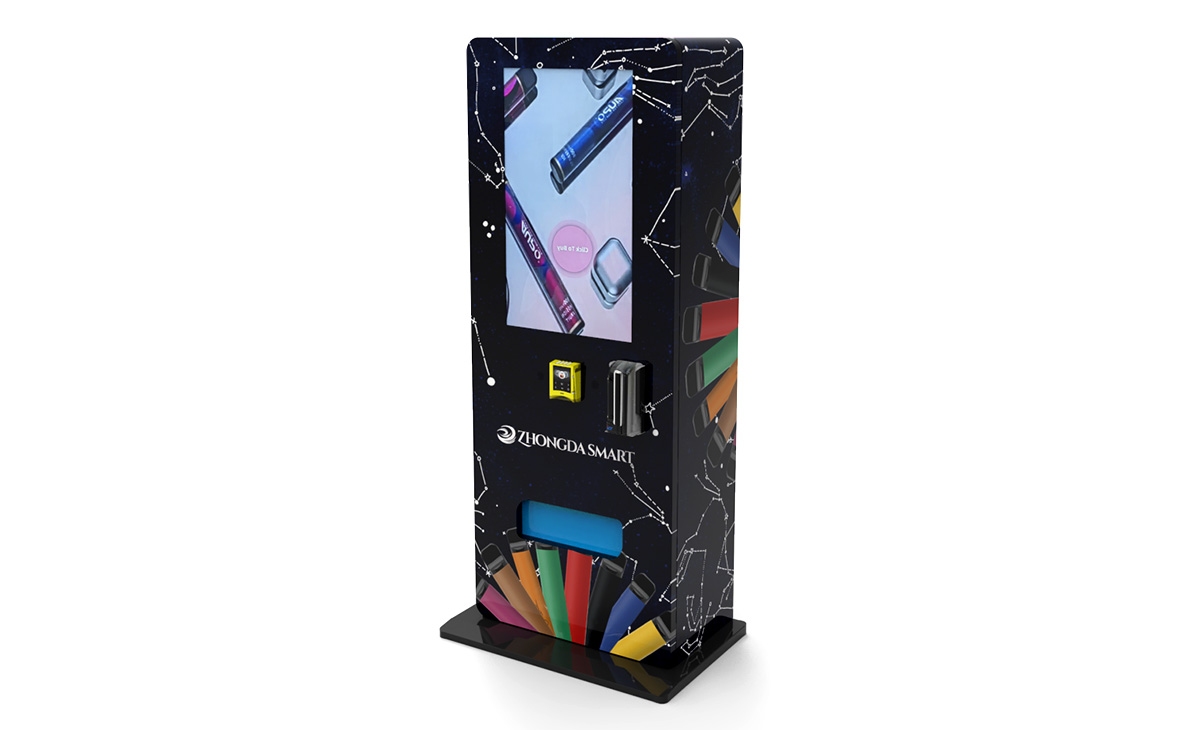
If you are in the market for a new machine, I recommend looking at manufacturers with a strong service network in your region. Zhongda Smart is one supplier I have worked with on several projects. Their machines offer solid build quality, modern payment integration, and remote monitoring capabilities. I have found their technical support to be responsive, which matters when a machine goes down in a high-traffic location. That said, always request a list of local service providers before committing to any manufacturer. A good machine is useless if you cannot get it repaired quickly.
Location Selection: The Single Most Important Decision
I cannot stress this enough. A great machine in a bad location will lose money. A basic machine in a great location will print cash. Over the years, I have developed a simple formula for evaluating a potential spot.
Foot Traffic and Dwell Time
You need at least 100 to 150 people passing by the machine per day for a standard snack and drink setup. But foot traffic alone is not enough. Dwell time matters. People in a hurry, like commuters in a train station, may not stop to browse. Locations where people wait, such as laundromats, car washes, or break rooms, perform better. I have a machine in a laundromat that does $1,200 per month because customers have 30 minutes to kill and nothing else to do.
Competition and Proximity
Check if there is a convenience store, a cafeteria, or another vending machine within a five-minute walk. If there is, you will have to compete on price or product selection. I once placed a machine in a small office building that had a coffee shop in the lobby. The machine barely broke even because employees preferred fresh coffee and pastries. I moved the machine to a warehouse location, and revenue tripled.
Commission and Contract Terms
Some locations charge a commission on sales, typically 5% to 20%. Others charge a flat monthly fee. I prefer a flat fee if the location is proven, and a commission if I am testing a new spot. Always get a written contract that specifies the term, the commission structure, and who pays for electricity. I have seen operators lose money because they agreed to a 20% commission without realizing the location had low traffic.
Common Mistakes I See New Operators Make
After a decade in this business, I have a list of errors that I watch for when mentoring new operators. Avoiding these will save you time and money.
Buying a machine before securing a location. I have done this myself. I bought a beautiful machine, then spent three months looking for a spot. The machine sat in my garage depreciating. Always secure the location first, then acquire the machine.
Ignoring the payment system. I have seen operators install a machine with a cash-only system in a university dormitory. Students do not carry cash. The machine collected $40 in its first week. After upgrading to a cashless system, it did $400 the next week.
Overloading with inventory. New operators often fill a machine with products they like instead of products that sell. I recommend starting with a small variety and tracking what moves. In my experience, 20% of the products generate 80% of the sales. Focus on those.
Skipping the math. I have seen people rent a vending machine without calculating the break-even point. If your monthly rental is $300, your inventory cost is $400, and your average margin is 30%, you need to sell $2,333 per month just to cover costs. If the location cannot support that, you are losing money from day one.
Neglecting vending machine repair readiness. Machines break. If you do not have a plan for repairs, you will lose weeks of sales. I keep a spare parts kit in my truck and have a technician on retainer. If you rent, make sure the rental contract includes a clear response time for repairs. A machine that is down for two weeks can kill your relationship with the location owner.
How to Evaluate Whether a Machine Is Worth the Investment
Before I commit to a new location, I run a simple pro forma. I estimate monthly sales based on foot traffic and average transaction size. For a standard snack and drink machine, the average transaction is about $2.50 in the US. If I estimate 50 transactions per day, that is $3,750 per month in gross revenue. After subtracting product cost (roughly 55%), location commission (10%), payment fees (3%), and electricity, I am left with about $1,100 per month. If the machine cost me $6,000, the payback period is about five and a half months.
That is a good scenario. In reality, many machines do half that volume. I always use conservative estimates. If the numbers do not work with a 20% margin of safety, I walk away.
FAQ: Common Questions About Renting and Operating Vending Machines
Are vending machines profitable?
They can be, but profitability depends entirely on location, product mix, and operational efficiency. In my experience, a well-placed machine can generate $500 to $1,500 per month in net profit. A poorly placed machine can lose money. Do not believe anyone who promises guaranteed returns.
How much does a vending machine cost to rent?
Monthly rental fees range from $100 for a basic used machine to $600 for a new smart machine with a touchscreen and cashless payment. Some providers also require a security deposit or a minimum inventory purchase.
How long does it take to break even?
If you buy a machine, the payback period is typically 12 to 24 months in a good location. If you rent, you break even when your monthly profit exceeds the rental fee. I have seen rental machines break even in three months and others that never broke even.
Should a beginner rent or buy?
I usually recommend renting for the first six to twelve months. It limits your financial risk and allows you to learn the business. Once you understand the operational demands and have a proven location, buying makes more sense.
Where should I place a vending machine?
Look for locations with consistent foot traffic and dwell time. Good examples include office break rooms, apartment complexes, laundromats, car washes, gyms, and college common areas. Avoid locations with direct competition from a convenience store or cafeteria.
What permits do I need?
Requirements vary by city and country. In the US, you typically need a business license and a sales tax permit. Some cities require a vending machine permit. In Europe, you may need to register with local health authorities if you sell fresh food. Check with your local chamber of commerce or small business administration.
How do I choose a vending machine supplier?
Look for a supplier with a strong reputation, available parts, and responsive technical support. Ask for references from other operators in your area. Manufacturers like Zhongda Smart offer good quality and support, but always verify that local service is available before purchasing.
What happens if the machine breaks down?
If you rent, the provider should handle repairs. Read the contract carefully to understand response times. If you own the machine, you need a plan. I recommend having a relationship with a local technician before you need one. Some operators join online forums or local operator groups to share repair tips.
How can I reduce restocking and maintenance costs?
Use a machine with telemetry so you only visit when restocking is needed. Optimize your product mix to reduce spoilage. Schedule regular cleaning and preventive maintenance to avoid major breakdowns. I also recommend grouping machines in the same geographic area to reduce travel time.
Final Thoughts from the Field
Renting a vending machine can be a smart way to enter the automated retail business without a large upfront investment. But it is not a shortcut. You still need to choose the right location, manage your inventory, and understand the costs. The operators who succeed in this business are the ones who treat it like a business, not a passive income stream. They track their numbers, maintain their equipment, and adapt to changing consumer preferences.
If you are considering this path, start small. Rent one machine for a location you know well. Learn the rhythm of restocking, the common machine en libre-service issues, and the preferences of your customers. Once you have a system that works, you can scale. The market is growing, and there is room for operators who are willing to do the work.
This article was updated in May 2025.