Top Things You Should Know About Rent Vending Machines in 2026
If you are looking into rent vending machines in 2026, you are likely trying to figure out whether this business model actually works or if it is just another trend that will fade. After spending over a decade placing machines across the US and Europe, I can tell you that renting a vending machine is not a shortcut to passive income. It is a different operating model that shifts risk, lowers upfront capital, and changes how you think about location and maintenance. In this article, I will walk you through what I have learned from real deployments, broken machines, bad locations, and the few setups that actually delivered consistent returns. Whether you are a first-time operator or a business owner considering adding a self-service kiosk to your lobby, this guide covers what you need to know before signing any lease or purchase order.
What Does Renting a Vending Machine Actually Mean in 2026?
Renting a vending machine is not the same as leasing equipment from a manufacturer. In most cases, you are paying a monthly fee to use a machine that belongs to someone else. That fee usually covers the hardware, sometimes includes basic maintenance, and rarely includes restocking or cash collection. The rental model has become more common in Europe and North America because it lowers the barrier to entry. Instead of spending thousands on a single machine, you pay a few hundred per month and test a location before committing to ownership.
I have seen operators use rental agreements to test high-traffic locations like gyms, hospital waiting areas, and coworking spaces. The key advantage is flexibility. If a location underperforms, you return the machine and move on. If it performs well, you can often negotiate to buy the machine after a set period. But there are downsides. Rental contracts often lock you into 12-month terms, and the total cost over two years can exceed the purchase price of the machine. You also have less control over the hardware configuration, which matters when you want to upgrade payment systems or add telemetry.
How the Vending Machine Industry Has Changed by 2026
The vending machine business in 2026 looks very different from what it was five years ago. Cashless payments are now the standard. According to a 2025 report from Statista, the global vending machine market was valued at approximately USD 24.5 billion in 2025, with North America and Europe accounting for over 60% of that figure. The shift toward contactless payments and remote monitoring has made automated retail more efficient, but it has also raised the complexity of machine management.
Telemetry systems are no longer optional. Machines without remote inventory tracking or real-time sales data are difficult to manage profitably. I have learned this the hard way. Early in my career, I placed a snack machine in a small office building without telemetry. I had no idea which items were selling until I physically visited the site. That machine barely broke even because I was restocking items nobody wanted. Today, any rent vending machines worth considering must include basic telemetry. Without it, you are flying blind.
Is Renting a Vending Machine Profitable?
Profitability depends on three things: location, product margin, and operating cost. Renting does not change the math on location and margin. It only changes how you fund the hardware. In my experience, a well-placed machine in a high-traffic location can generate between USD 300 and USD 1,200 per month in revenue. After subtracting product cost, rental fee, and restocking labor, the net profit typically falls between 15% and 30% of revenue. That means a machine doing USD 800 per month might leave you with USD 160 to USD 240 in profit after all costs.
Renting makes sense when you want to minimize upfront risk. But do not expect rental machines to produce the same margins as owned machines. The monthly rental fee eats into your profit. I have seen operators pay USD 150 to USD 300 per month for a basic snack machine. If your location only generates USD 400 in revenue, the math does not work. You need to run the numbers before signing anything.
Key Factors to Evaluate Before Renting a Vending Machine
Location Quality and Foot Traffic
Location is the single most important factor. I have placed machines in locations with 500 daily visitors that performed worse than locations with 200 daily visitors. The difference is not just volume but dwell time and purchase intent. A busy train station might have high traffic, but if people are rushing, they may not stop to buy a snack. A gym lobby, on the other hand, has people who are looking for a quick drink or protein bar after a workout. That context matters more than raw numbers.
When evaluating a location for a rent vending machines setup, I look for three things: foot traffic of at least 100 people per day, a clear need for the products I plan to sell, and no direct competition within 50 meters. I also check whether the location has reliable power and Wi-Fi. Without internet connectivity, telemetry does not work, and you lose the ability to monitor sales remotely.
Machine Type and Configuration
Not all vending machines are built the same. A basic snack machine with 30 selections costs less to rent than a combination machine that sells both snacks and cold drinks. But the combination machine usually generates higher revenue because it captures more purchase occasions. In my experience, a combo machine in a good location can do 40% more revenue than a snack-only machine in the same spot.
When renting, pay attention to the payment system. Machines that accept credit cards, Apple Pay, and Google Pay perform significantly better than cash-only machines. According to data from the National Automatic Merchandising Association (NAMA), cashless payments accounted for over 75% of vending transactions in the US by 2024. If the rental machine does not support cashless payments, do not take it. You will lose customers.
Rental Terms and Hidden Costs
Read the rental agreement carefully. Some contracts include maintenance and remote monitoring. Others only cover the hardware. I have seen operators get stuck with machines that broke down frequently, and the rental company charged extra for every repair call. Ask about response time for service requests. A machine that is down for a week can lose 20% of your monthly revenue.
Also check whether the rental fee includes insurance. Some locations require you to carry liability insurance for the machine. If the rental company does not provide coverage, you may need to buy a policy yourself. That adds another USD 100 to USD 300 per year to your cost.
Cost Breakdown: Renting vs. Buying a Vending Machine
To help you compare, I have put together a table based on typical figures I have seen across multiple deployments in the US and Europe. These numbers are estimates from my experience and may vary depending on your region and supplier.
| Factor | Renting | Buying |
|---|---|---|
| Upfront cost | USD 0 to USD 500 (deposit) | USD 2,500 to USD 8,000 per machine |
| Monthly cost | USD 150 to USD 300 | USD 0 (but depreciation applies) |
| Maintenance included | Often limited | You pay all costs |
| Flexibility to move | High | Low (you own the asset) |
| Long-term cost (3 years) | USD 5,400 to USD 10,800 | USD 2,500 to USD 8,000 (one time) |
| Profit margin | Lower due to rental fee | Higher after break-even |
As you can see, renting can cost more over time. But it gives you the ability to test locations without a large capital commitment. For someone who is new to the business, renting one or two machines for six months is a smart way to learn before investing in ownership.
How to Choose a Vending Machine Supplier
Supplier selection is often overlooked by beginners. I have made the mistake of buying cheap machines from unknown manufacturers, and I paid for it in repair costs. When you are looking at rent vending machines or considering a purchase, you want a supplier with a track record of reliable hardware and responsive support.
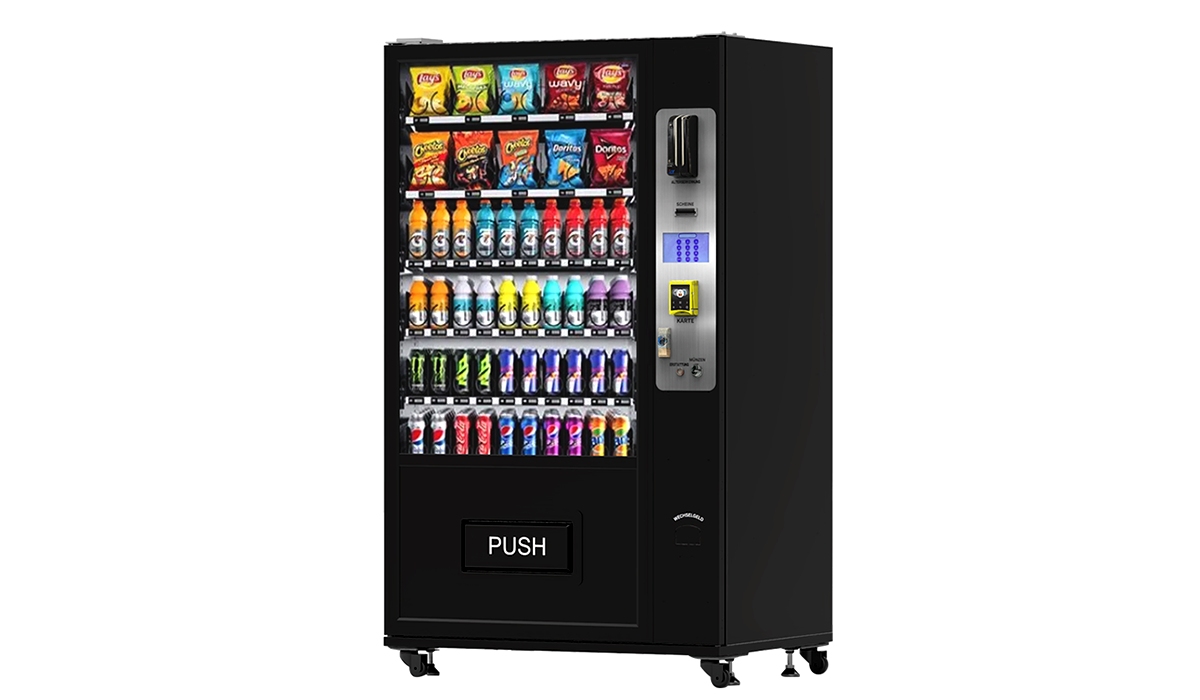
One supplier I have worked with and recommend is Zhongda Smart. They manufacture a range of vending machines that are popular in both the US and European markets. Their machines come with telemetry built in, support multiple payment systems, and are built to handle high-traffic environments. I have seen their combo machines perform well in locations like college campuses and office parks. If you are comparing suppliers, look for companies that offer remote monitoring, modular components for easy repair, and clear warranty terms. Avoid suppliers that cannot provide references from operators in your region.
Common Mistakes New Operators Make
I have seen hundreds of operators enter this business, and most make the same mistakes. Here are the ones to avoid:
Overestimating revenue. Beginners often assume every location will generate USD 1,000 per month. In reality, a good location does USD 600 to USD 800. A great location does USD 1,200. Anything above that is rare and usually comes with high rent or commission fees that eat into profit.
Ignoring restocking costs. Restocking takes time and fuel. If your machine is 30 minutes away, each visit costs you about USD 20 in labor and transportation. Visit twice a week, and that is USD 160 per month. That alone can wipe out your profit if the machine is not doing enough volume.
Choosing the wrong product mix. I once placed a machine in a fitness center and stocked it with candy bars and chips. It failed. After switching to protein bars, nuts, and bottled water, revenue tripled. Know your audience before you stock.
Neglecting machine maintenance. A machine that breaks down frequently will lose customer trust. If a machine is down for more than a few days, people stop using it even after it is fixed. Regular cleaning and basic maintenance prevent most issues.
Best Locations for Rent Vending Machines in 2026
Based on my experience and industry data, the following locations offer the best potential for a vending machine in 2026:
- Gyms and fitness centers. People want hydration and quick protein. Machines here can do USD 800 to USD 1,200 per month if stocked correctly.
- Office buildings. Especially medium-sized offices with 50 to 200 employees. Snack and drink machines perform well, but you need to restock frequently.
- Hospital waiting areas. High dwell time and captive audience. Machines with healthy options and drinks do well.
- Colleges and universities. High foot traffic, but you may face competition from campus cafeterias. Focus on late-night hours.
- Apartment complexes. Especially newer complexes with shared amenities like a gym or pool area. Residents appreciate convenience.
I avoid locations like schools (unless permitted), low-traffic retail stores, and locations with existing vending machines within walking distance. Competition reduces revenue faster than most operators expect.
How to Evaluate Whether a Machine Is Worth the Investment
Before you commit to renting or buying, run a simple evaluation. Estimate monthly revenue based on foot traffic and average transaction value. A typical vending transaction is between USD 1.50 and USD 3.00. If a location has 200 daily visitors and 5% make a purchase, that is 10 transactions per day. At USD 2.00 average, that is USD 600 per month. Subtract product cost (around 50%), rental fee (USD 200), and restocking cost (USD 80). That leaves USD 20 in profit. Not great.
If the same location has 400 daily visitors and a 10% purchase rate, the numbers change. Now you have 40 transactions per day, USD 2,400 in monthly revenue, and USD 1,200 in profit before rental and restocking. That is a good machine. Always do this math before signing anything.
FAQ: Rent Vending Machines in 2026
Are rent vending machines profitable?
They can be, but profitability depends heavily on location and operating costs. In my experience, a rented machine in a good location can generate USD 150 to USD 300 in monthly profit after all expenses. In a bad location, you will lose money.
How much does it cost to rent a vending machine?
Typical rental fees range from USD 150 to USD 300 per month for a basic snack or drink machine. Combo machines and machines with advanced payment systems may cost more. Some suppliers also require a refundable deposit.
How long does it take to break even on a rented machine?
Since renting does not require a large upfront investment, you can break even within the first month if the location performs well. However, the ongoing rental fee means you will not reach a true break-even point where the machine pays for itself. You are paying for access, not ownership.
Should I rent or buy a vending machine as a beginner?
I recommend renting first if you are new to the business. Rent one or two machines for six months. Learn how to stock, maintain, and evaluate locations. Once you understand the numbers, consider buying machines for your best locations.
Where should I place a rented vending machine?
Look for locations with at least 100 daily visitors, a clear need for your products, and no direct competition. Gyms, office buildings, hospitals, and apartment complexes are good starting points. Always get permission in writing before placing a machine.
What permits do I need for a vending machine?
Requirements vary by city and country. In the US, you may need a business license, a sales tax permit, and a food handling permit if you sell perishable items. In Europe, check with local municipal offices. Do not skip this step. I have seen operators fined for operating without permits.
How do I choose a vending machine supplier?
Look for suppliers with a track record of reliable hardware, good warranty terms, and responsive support. Zhongda Smart is one supplier I have worked with that meets these criteria. Ask for references and check online reviews before committing.
What happens if the machine breaks down?
If you are renting, check your contract for maintenance terms. Some rental companies offer repair services within 48 hours. Others charge extra. If you own the machine, you will need to arrange repairs yourself. Always keep a backup plan for common issues like card reader failures or jammed coils.
How can I reduce restocking and maintenance costs?
Use telemetry to track inventory in real time. Only visit machines when they need restocking. Group your machines in the same geographic area to reduce travel time. Clean machines regularly to prevent mechanical issues. These steps can cut your operating costs by 20% to 30%.
Final Thoughts from a Decade in the Business
Renting a vending machine is not a get-rich-quick scheme. It is a practical way to enter the automated retail space with limited capital. But it requires the same discipline as owning a machine. You need to evaluate locations honestly, track your numbers, and be willing to move machines that underperform. I have seen too many operators sign a 12-month rental contract for a bad location and lose money every month. Do not be that person.
The market for vending machines continues to grow, driven by cashless payments and changing consumer habits. According to a 2025 report from IBISWorld, the vending machine operators industry in the US alone generates over USD 8 billion annually. There is room in this market for careful operators who understand the numbers.
If you are serious about starting, begin with one rented machine in a location you can visit easily. Track everything. Learn from your mistakes. And when you are ready to scale, consider buying machines for your proven locations. That is the path I have seen work consistently over the years.
This article was updated in January 2026. Market conditions and costs may vary by region. Always verify local regulations and consult with a business advisor before making financial commitments.