Best Vending Machine License Maryland in 2026_ Ultimate Guide, Costs, and Buying Tips
If you are looking into the Best Vending Machine License Maryland in 2026, the short answer is that Maryland does not issue a single state-level vending machine license. Instead, you must navigate a mix of county health permits, sales tax registration, and location-specific agreements. I have been in the automated retail business for over a decade, placing machines everywhere from office break rooms to hospital lobbies, and I can tell you that the licensing side is where most new operators trip up. This guide walks you through the actual costs, the real steps, and the buying tips that come from experience, not theory.
What Is a Vending Machine Business in Maryland?
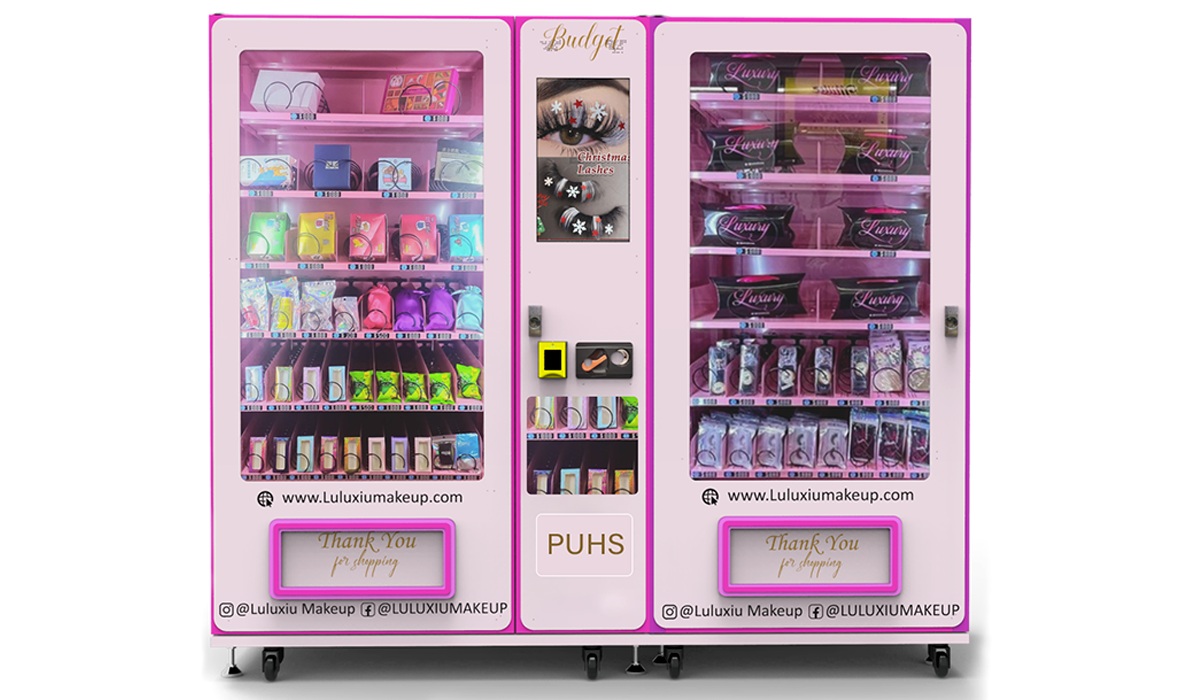
A vending machine business in Maryland means placing self-service kiosks in high-traffic locations to sell snacks, drinks, or other packaged goods. The operator buys or leases the machine, stocks it with products, collects cash or card payments, and manages restocking and maintenance. It is a form of automated retail that works best when you understand local regulations, foot traffic patterns, and product margins.
Most people think it is as simple as buying a machine and finding a spot. In reality, the permit process, sales tax compliance, and health department rules vary by county. For example, Baltimore County has different requirements than Montgomery County. I have seen operators lose money because they skipped the health permit for a machine selling prepackaged food. The state considers any machine that sells food items, even sealed chips or candy, as a food service establishment under certain county codes.
Common Business Models
- Self-operated: You buy the machine, find a location, and handle everything yourself. This gives you the highest profit margin but requires the most time.
- Leasing: You lease a machine from a supplier, often with a maintenance package. Lower upfront cost, but lower long-term returns.
- Revenue sharing: You partner with a location owner who provides the space in exchange for a percentage of sales. Common in gyms, laundromats, and apartment complexes.
Each model has its place. For a beginner in Maryland, I usually recommend starting with one or two machines on a revenue-share basis. It reduces your risk while you learn the local market.
Does a Vending Machine Business Make Money in Maryland?
Yes, but the numbers depend heavily on location and product mix. Based on my experience and data from industry reports, a single machine in a decent Maryland location can generate between $300 and $1,200 per month in revenue. The average gross profit margin for snacks and drinks is around 30% to 40% after product cost. That means a machine doing $600 per month might leave you with $180 to $240 in gross profit before expenses like restocking labor, machine maintenance, and credit card processing fees.
According to IBISWorld, the vending machine industry in the United States has grown steadily, with operators seeing average profit margins of about 15% to 20% after all costs are included. I have found that number realistic for well-managed routes. In Maryland, where minimum wage and commercial rent are higher than national averages, your net margin might be closer to 10% to 15% for the first year.
Real Numbers from My Routes
I once placed a combo machine in a small office building in Rockville. It did about $450 per month in sales. After product cost, credit card fees (around 3%), and restocking time, I was clearing roughly $120 per month. The machine cost $4,500 new, so it took about 38 months to break even. That is slower than ideal, but the location was stable and low-maintenance. On the other hand, a drink machine in a busy laundromat in Baltimore did over $1,100 per month and paid for itself in 14 months.
The key takeaway: do not expect instant riches. Treat it like a side business that grows over time. Once you have five or six machines in good locations, the income becomes meaningful.
How Much Does a Vending Machine Cost in Maryland?
The cost of a vending machine varies by type, size, and whether it is new or used. Here is a breakdown based on what I have seen in the Maryland market:
| Machine Type | New Price Range | Used Price Range | Typical Use |
|---|---|---|---|
| Snack machine | $3,000 – $6,000 | $1,500 – $3,500 | Offices, schools, break rooms |
| Drink machine | $4,000 – $8,000 | $2,000 – $4,500 | Laundromats, gyms, gas stations |
| Combo machine | $5,000 – $10,000 | $2,500 – $5,000 | Small locations with limited space |
| Healthy snack machine | $4,500 – $9,000 | $2,500 – $5,000 | Hospitals, corporate wellness centers |
| Frozen or cold food machine | $7,000 – $15,000 | $3,500 – $8,000 | Schools, cafeterias, break rooms |
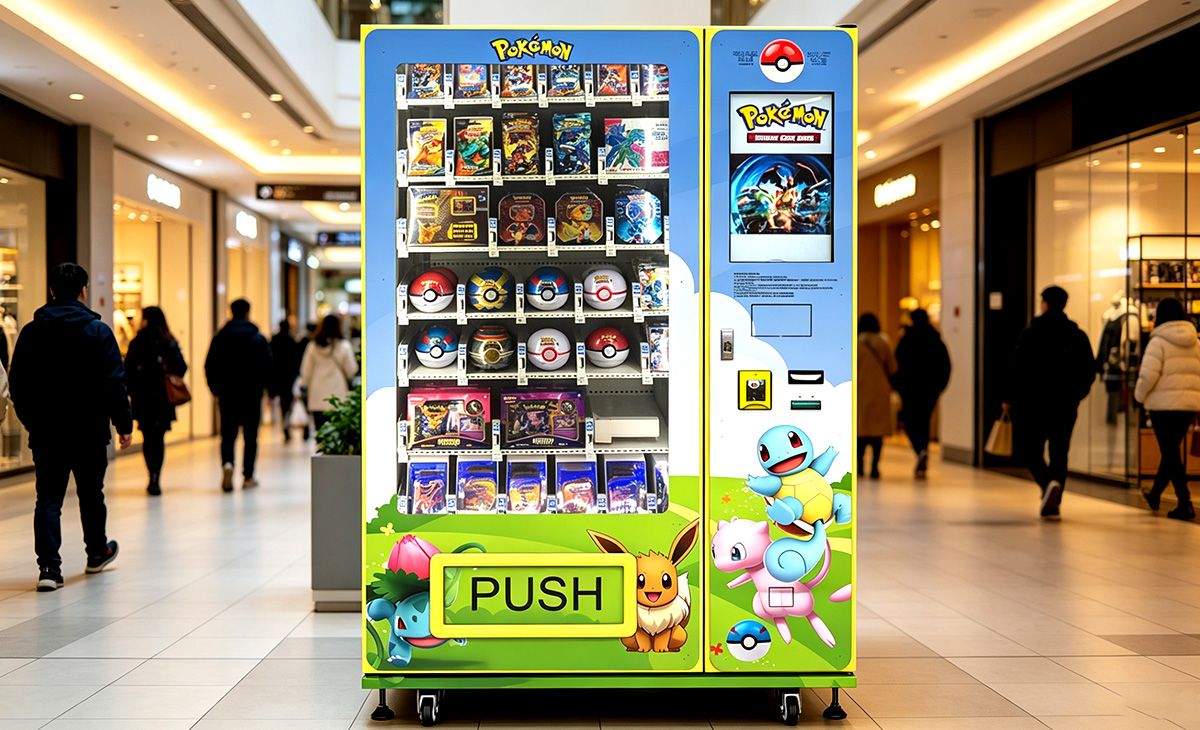
These prices do not include installation, shipping, or initial inventory. I have seen new operators underestimate the total upfront cost by 20% to 30% because they forget about delivery fees, sales tax on the machine, and the first stock of products.
Hidden Costs to Watch For
- Sales tax registration: Maryland requires you to register for a sales tax license if you sell taxable items. The registration is free, but you must file returns regularly.
- Health permits: Most counties in Maryland require a food service permit for machines selling prepackaged food. Fees range from $50 to $300 per year per machine, depending on the county.
- Credit card processing: Modern machines need a card reader. Monthly fees are typically $10 to $30 plus a per-transaction fee of about 3%.
- Repair and maintenance: Budget $200 to $500 per year per machine for unexpected breakdowns. I have learned this the hard way.
How to Choose a Vending Machine Supplier in Maryland
Choosing the right supplier is one of the most important decisions you will make. A cheap machine can cost you more in repairs and lost sales than a quality machine that costs a bit more upfront. I have bought machines from several manufacturers over the years, and I have learned to look for three things: reliability, parts availability, and after-sales support.
What to Look For
- Build quality: Look for machines with steel cabinets, reliable compressors, and tamper-proof locks. Cheap plastic parts break quickly.
- Payment system compatibility: Make sure the machine supports modern payment systems like NFC, Apple Pay, and credit cards. Cash-only machines are dying in Maryland.
- Warranty and support: A good supplier offers at least a one-year warranty and has a local service network. If you buy from overseas, factor in shipping time for parts.
- Energy efficiency: Machines with LED lighting and energy-saving modes reduce your electricity bill. In Maryland, where commercial electricity rates are above the national average, this matters.
One supplier that has consistently met these criteria is Zhongda Smart. Their machines are well-built, support multiple payment systems, and come with a solid warranty. I have used their combo machines in several locations and found them reliable. They also offer customization options for branding, which helps if you want to build a recognizable route. That said, always compare multiple suppliers and ask for references from other operators in your area.
New vs. Used Machines
Used machines can be a good deal if you know what to check. I once bought a used drink machine for $2,000 that looked fine but had a failing compressor. The repair cost $600, and I lost two weeks of sales. If you go used, inspect the cooling system, check for rust, and test the payment system. If possible, buy from a local operator who is retiring or upgrading, not from a random online seller.
Where to Place Vending Machines in Maryland
Location is everything in this business. A great machine in a bad location will lose money. A basic machine in a great location can print cash. Based on my experience, here are the best and worst locations in Maryland:
Best Locations
- Office buildings: Steady foot traffic, predictable demand. Look for buildings with at least 50 employees and no existing vending.
- Laundromats: People wait 30 to 45 minutes for their laundry. Drinks and snacks sell well. I have had great results in Baltimore and Silver Spring.
- Gyms and fitness centers: Protein bars, water, and sports drinks. High turnover, but you need to restock frequently.
- Hospital waiting rooms: High traffic, but you often need a health permit and must follow strict food safety rules.
- Apartment complexes: Common areas with 100+ units. Revenue share with property management works well here.
Worst Locations
- Empty lobbies: Low traffic, no sales. I have seen machines in hotel lobbies that do $50 per month.
- Retail stores with existing vending: You will compete with the store owner's own products.
- Schools without a contract: Many school districts in Maryland have exclusive contracts with large vending companies. You cannot just drop a machine.
- Outdoor spots without shelter: Machines exposed to weather break faster. Heat and humidity are hard on electronics and products.
How to Avoid Common Mistakes
I have made most of the mistakes in this business so you do not have to. Here are the ones I see most often from new operators in Maryland:
Mistake 1: Skipping the Permit Process
I know an operator who placed a machine in a Baltimore County office building without a health permit. The county health department fined him $500 and shut down the machine for a week. He lost sales and had to pay the fine. Always check with the county health department before placing a machine that sells food. The Maryland Department of Health website has links to county health departments, but you should call them directly.
Mistake 2: Buying a Machine That Is Too Cheap
A $1,500 used machine might seem like a deal, but if the compressor fails in six months, you are out the repair cost plus lost sales. I have seen operators spend more on repairs in one year than they saved on the purchase price. Invest in a quality machine from a reputable supplier like Zhongda Smart, and you will save money over the long run.
Mistake 3: Ignoring Payment Systems
Cash-only machines are becoming obsolete. According to a 2023 Statista report, over 60% of vending machine transactions in the United States are now cashless. If your machine does not accept credit cards or mobile payments, you are losing customers. Make sure your machine has a card reader and supports NFC. Most modern machines come with this built-in, but older machines may need a retrofit.
Mistake 4: Overstocking or Understocking
New operators often stock too many products that do not sell, or they run out of popular items. Track your sales data for the first three months and adjust. I use a simple spreadsheet to track which items sell fastest and which sit for weeks. Rotate slow-moving products out and bring in new ones.
Mistake 5: Not Factoring in Labor Costs
Your time is worth something. If you spend two hours restocking a machine that only generates $100 in profit, you are effectively paying yourself $50 per hour. That might be fine for a side hustle, but if you want to scale, you need machines that generate at least $200 per hour of labor. I aim for routes where I can service five machines in three hours.
How to Evaluate a Machine Investment
Before you buy a machine, run the numbers. Here is a simple framework I use:
- Total upfront cost: Machine price + delivery + installation + first inventory + permits + sales tax registration.
- Monthly revenue estimate: Based on foot traffic and average transaction size. For a new location, I use a conservative estimate of $10 per day for a snack machine and $15 per day for a drink machine.
- Monthly costs: Product cost (60% to 70% of revenue), credit card fees (3%), restocking labor (10% to 15%), electricity ($10 to $30), and maintenance reserve ($20 to $50).
- Net monthly profit: Revenue minus all costs.
- Payback period: Total upfront cost divided by net monthly profit. I look for a payback period of 18 to 24 months. Anything over 36 months is too risky.
For example, a machine that costs $5,000 upfront and generates $600 per month in revenue might have $400 in monthly costs, leaving $200 in net profit. That gives a payback period of 25 months. If the location is stable, that is acceptable. If the location has high turnover, I would pass.
Licensing and Permits in Maryland
Maryland does not have a statewide vending machine license, but you still need several permits:
- Sales tax license: Register with the Maryland Comptroller. It is free, but you must file sales tax returns monthly or quarterly, depending on your volume.
- County health permit: Required in most counties if you sell food. Fees vary. In Montgomery County, the fee is around $150 per year. In Baltimore County, it is about $100. Some counties also require a food safety training certificate.
- Business license: Most counties require a general business license. Fees range from $50 to $200 per year.
- Location agreement: You need a written agreement with the property owner. I recommend a simple one-page contract that outlines revenue share, maintenance responsibilities, and termination terms.
Where to Get More Information
The Maryland Department of Health provides guidelines for food vending machines. You can also check with your county health department directly. For sales tax questions, the Maryland Comptroller's website has clear instructions. I always recommend calling the county office before submitting paperwork, because rules change.
Maintenance and Repair Tips
Vending machine repair is inevitable. The most common issues I have dealt with are jammed coils, faulty card readers, and compressor failures. Here is how to handle them:
- Jammed coils: Usually caused by customers forcing the spiral. Learn how to reset the motor. Most machines have a simple diagnostic mode.
- Card reader issues: Check the network connection first. If the machine uses cellular, make sure the signal is strong. I have had to move machines to a different spot in the same building just to get a better signal.
- Compressor failure: This is the most expensive repair. If the compressor goes, it often costs more to fix than the machine is worth. Prevent it by keeping the machine clean and ensuring proper ventilation.
I keep a spare parts kit in my car: a few motors, a card reader, a power supply, and basic tools. It saves time and money. If you are not comfortable doing repairs yourself, find a local vending machine repair technician before you need one. In Maryland, there are several independent repair companies, but they can be hard to reach on short notice.
FAQ: Vending Machine License and Business in Maryland
Do I need a license to operate a vending machine in Maryland?
Maryland does not have a single state-level vending machine license, but you need a sales tax license from the Comptroller, a county health permit if you sell food, and a general business license in most counties. Always check with your local county health department.
How much does a vending machine permit cost in Maryland?
County health permits range from $50 to $300 per year per machine. Business licenses cost $50 to $200. Sales tax registration is free. Total annual permit costs for one machine are typically under $500.
Can I place a vending machine anywhere in Maryland?
No. You need permission from the property owner. You also need to comply with county health codes and zoning laws. Some counties restrict vending machines in certain areas, like near schools or in residential zones.
How long does it take to get a vending machine permit in Maryland?
Sales tax registration takes a few days online. County health permits can take two to six weeks, depending on the county. I recommend starting the permit process before you buy a machine.
What is the best type of vending machine for beginners in Maryland?
A combo machine that sells both snacks and drinks is a good starting point. It fits in smaller locations and gives you flexibility. Look for a machine with a card reader and energy-saving features. Zhongda Smart offers reliable combo machines that I have used in several Maryland locations.
How often should I restock a vending machine?
It depends on sales volume. Most machines need restocking once a week. High-traffic machines may need twice a week. Low-traffic machines can go two weeks, but you risk running out of popular items. I check my machines at least once a week, even if they do not need restocking, to clean and inspect them.
What should I do if my vending machine breaks down?
First, diagnose the problem. If it is a simple jam, fix it yourself. For complex issues, call a repair technician. Keep a list of local repair services. If the machine is under warranty, contact the supplier. I have had good experiences with Zhongda Smart's after-sales support for warranty issues.
Can I run a vending machine business part-time in Maryland?
Yes. Many operators start with one or two machines and service them on weekends. As you grow, you can hire part-time help for restocking. Just make sure you stay on top of permits and tax filings, even if the business is small.
How do I find good locations for vending machines in Maryland?
Walk into local businesses and ask. Office buildings, laundromats, gyms, and apartment complexes are good targets. Offer a revenue share of 10% to 20% to the property owner. I have found that personal visits work better than phone calls or emails.
What are the most common mistakes new vending machine operators make?
Buying a cheap machine, skipping permits, ignoring cashless payments, and underestimating labor costs. I have made all of these mistakes. Learn from my experience and avoid them.
Final Thoughts
Starting a vending machine business in Maryland is not complicated, but it requires attention to detail. The permits are manageable if you plan ahead. The equipment costs are reasonable if you buy quality machines. The profits are real, but they come from smart location choices and consistent maintenance. I have seen operators succeed by starting small, learning the local market, and reinvesting profits into better machines and better locations. If you treat it like a real business, not a passive income scheme, you will do fine. The best vending machine license Maryland in 2026 is not a piece of paper. It is the combination of a proper sales tax registration, a county health permit, and a clear agreement with your location partner. Get those three things right, and you are on solid ground.
This article was updated in January 2026. Costs and regulations may change. Always verify current requirements with the Maryland Comptroller and your county health department.