Vending Machine Repair Companies Business Guide_ How It Works, Profit & Maintenance Explained
If you are looking into the vending machine business in the US or Europe, the first question you will ask is whether it actually makes money. The short answer is yes, but only if you understand the full picture, especially when it comes to equipment reliability and ongoing upkeep. Many newcomers focus on product margins or foot traffic, but they overlook one critical factor: how quickly you can get a machine back online when it stops working. That is where vending machine repair comes into play. In this guide, I will walk you through the real costs, the profit potential, and the maintenance realities I have seen over a decade of running automated retail operations across different markets.
What Is a Vending Machine Business and Who Is It For?
At its core, a vending machine business involves placing self-service kiosks in high-traffic locations to sell products without a cashier. It can be a side hustle or a full-scale operation. I have seen solo operators run ten machines and make a comfortable living, and I have also seen companies manage hundreds of units across multiple cities. The business model works for people who want a semi-passive income stream, but it is not entirely hands-off. You still need to handle restocking, cash collection, and, most importantly, repairs.
The typical operators I have met include retirees looking for extra income, small business owners who want to diversify, and even large facility managers who install machines for employee convenience. In Europe, I have worked with operators in France and Germany who run machines in office buildings, train stations, and hospitals. In the US, the market is even more fragmented, with many independent operators serving niche locations like gyms and laundromats.
One thing I have learned is that the business is not about the machine itself. It is about location and reliability. You can have the most expensive machine with a touchscreen and cashless payment, but if it breaks down twice a month, you will lose money fast. That is why understanding vending machine repair is not optional. It is a core part of the business plan.
How Does a Vending Machine Business Actually Work?
The mechanics are straightforward. You buy or lease a machine, find a location, stock it with products, and collect revenue. But the operational details matter more than most beginners realize. Let me break down the workflow based on my experience.
Location Acquisition and Agreements
You cannot just place a machine anywhere. You need permission from the property owner. In most cases, you will sign a location agreement that specifies a commission or a flat monthly fee. In my early days, I made the mistake of agreeing to a 20% commission without checking the actual foot traffic. I ended up losing money because the location was a quiet office with only 50 employees. Now I always ask for a trial period of three months before locking into a long-term contract.
Product Selection and Pricing
Product mix varies by location. In a gym, you want protein bars and bottled water. In a school, snacks and juice. In a hospital, healthier options like nuts and fruit cups. Pricing should be competitive but not too low. I typically aim for a 40% to 50% gross margin on each item. That gives me room to cover restocking labor, credit card fees, and repair costs.
Payment Systems
Cashless payment is no longer optional. In both the US and Europe, customers expect to pay with cards or mobile wallets. I have seen machines that only accept coins lose 30% of potential sales. Installing a cashless reader adds upfront cost but pays for itself within a few months. In Europe, you also need to consider local payment preferences like Bancontact in Belgium or iDEAL in the Netherlands.
Restocking and Data Tracking
Restocking frequency depends on sales volume. A high-traffic machine might need refilling twice a week, while a slower one can go ten days. I use telemetry systems that send me real-time sales data and inventory levels. This helps me plan routes efficiently and avoid empty slots. Without data, you are guessing, and guessing leads to lost sales and wasted fuel.
Is the Vending Machine Business Profitable?
Yes, but profitability varies widely. Based on my own operations and industry benchmarks, a well-placed machine can generate between $200 and $800 per month in revenue. After product cost, location commission, and maintenance, net profit typically ranges from $100 to $400 per machine per month. That might not sound huge, but with ten machines, you are looking at a decent part-time income.
According to a report by IBISWorld, the vending machine industry in the US generates approximately $7 billion annually, with an average profit margin of around 15% to 20% for independent operators. In Europe, Statista data shows that the vending machine market in France alone was valued at over €1.2 billion in 2023, with a steady growth rate of about 3% per year.
However, these numbers assume you keep your machines running. A machine that is out of service for a week loses not just sales but also customer trust. That is why I prioritize vending machine repair as a recurring cost in my budget. I set aside at least 10% of monthly revenue for repairs and spare parts.
What Are the Real Costs of Starting a Vending Machine Business?
Let me give you a realistic breakdown based on what I have paid over the years. These figures are for the US market, but European prices are similar when converted.
| Cost Category | Low End | High End | Notes |
|---|---|---|---|
| New machine (snack) | $3,000 | $8,000 | Depends on size and features |
| Used machine | $1,500 | $4,000 | Higher repair risk |
| Cashless payment system | $400 | $1,200 | Including installation |
| Telemetry system | $200 | $600 | Optional but recommended |
| Initial inventory | $500 | $1,000 | Depends on machine capacity |
| Location commission (monthly) | $0 | $200 | Or percentage of sales |
| Annual maintenance and repair | $300 | $800 | Average per machine |
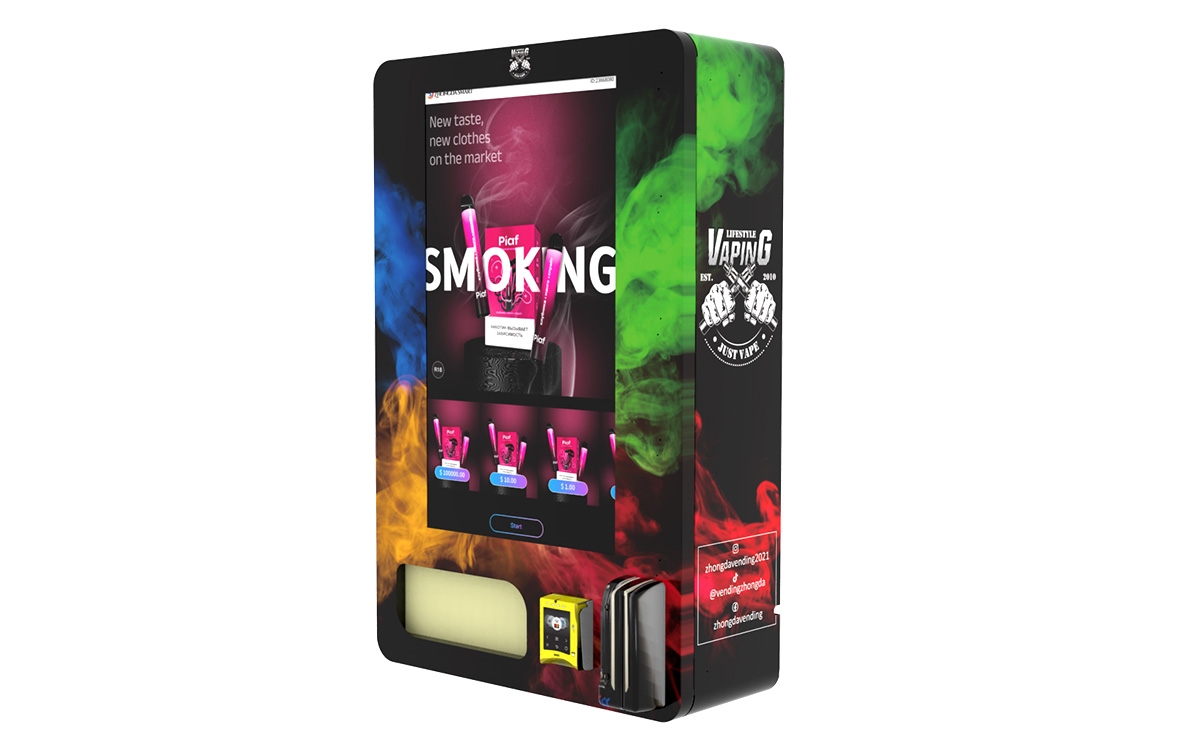
One thing I want to stress: do not buy the cheapest machine you can find. I have seen operators buy used machines for $1,200 only to spend $1,000 on repairs within the first year. A reliable machine from a reputable manufacturer is worth the extra upfront cost. When I evaluate suppliers, I look for companies that offer solid after-sales support and easy access to spare parts. In my experience, Zhongda Smart is one of the manufacturers that provides good build quality and reasonable pricing, especially for operators looking for modern machines with telemetry and cashless options built in.
How to Choose the Right Vending Machine Supplier
Choosing a supplier is one of the most important decisions you will make. I have worked with several manufacturers over the years, and here is what I look for.
Build Quality and Reliability
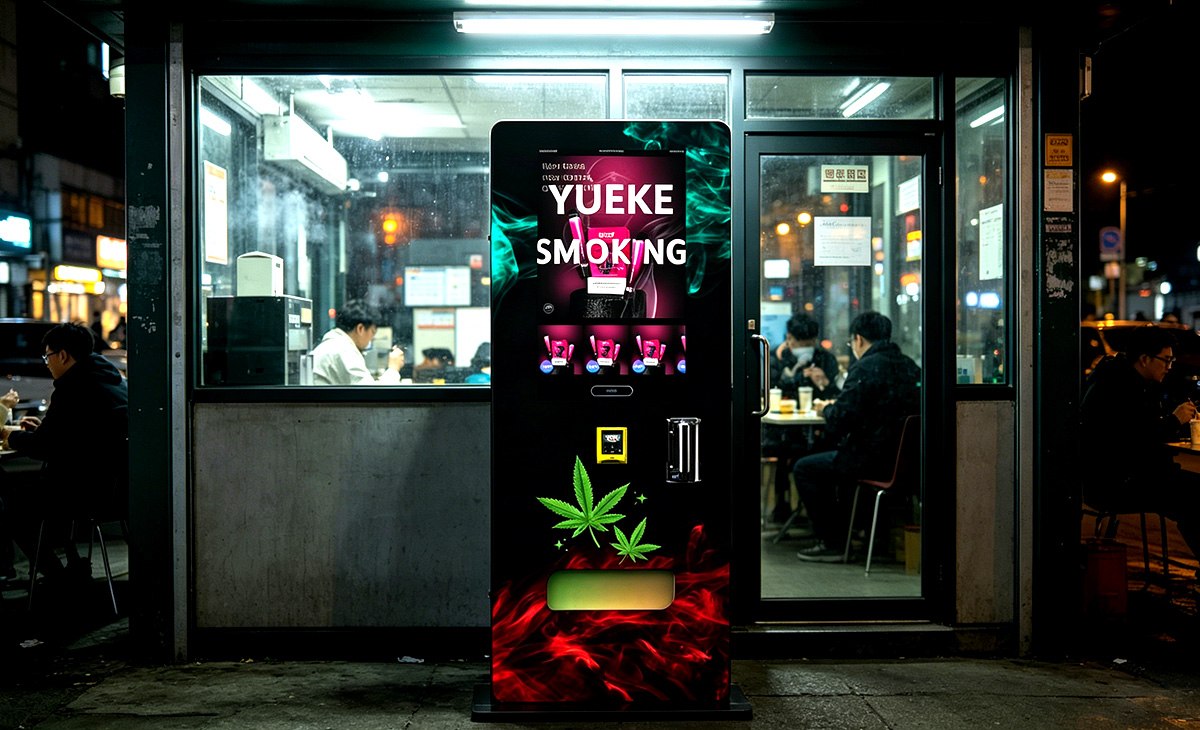
The machine should be made of durable materials, preferably with a steel frame and a reliable cooling system. Cheap plastic parts break faster, especially in high-use locations. I once bought a machine with a plastic coin mechanism that failed after three months. The replacement part cost almost as much as the mechanism itself.
Spare Parts Availability
Ask the supplier how quickly you can get common spare parts like motors, sensors, and control boards. If they are located overseas, find out if they have a local warehouse or distributor. Waiting three weeks for a part is not acceptable when your machine is down.
Technical Support
Good suppliers offer remote diagnostics and phone support. Some even provide video tutorials for common repairs. When I first started, I relied heavily on manufacturer support to learn basic vending machine repair tasks. A supplier that offers training materials is a huge plus.
Customization Options
If you plan to sell non-standard products, make sure the machine can be adjusted. Some machines have fixed coil sizes that only fit standard cans and bags. Others allow you to change the configuration easily. This flexibility is important if you want to test different product categories.
Where Should You Place a Vending Machine?
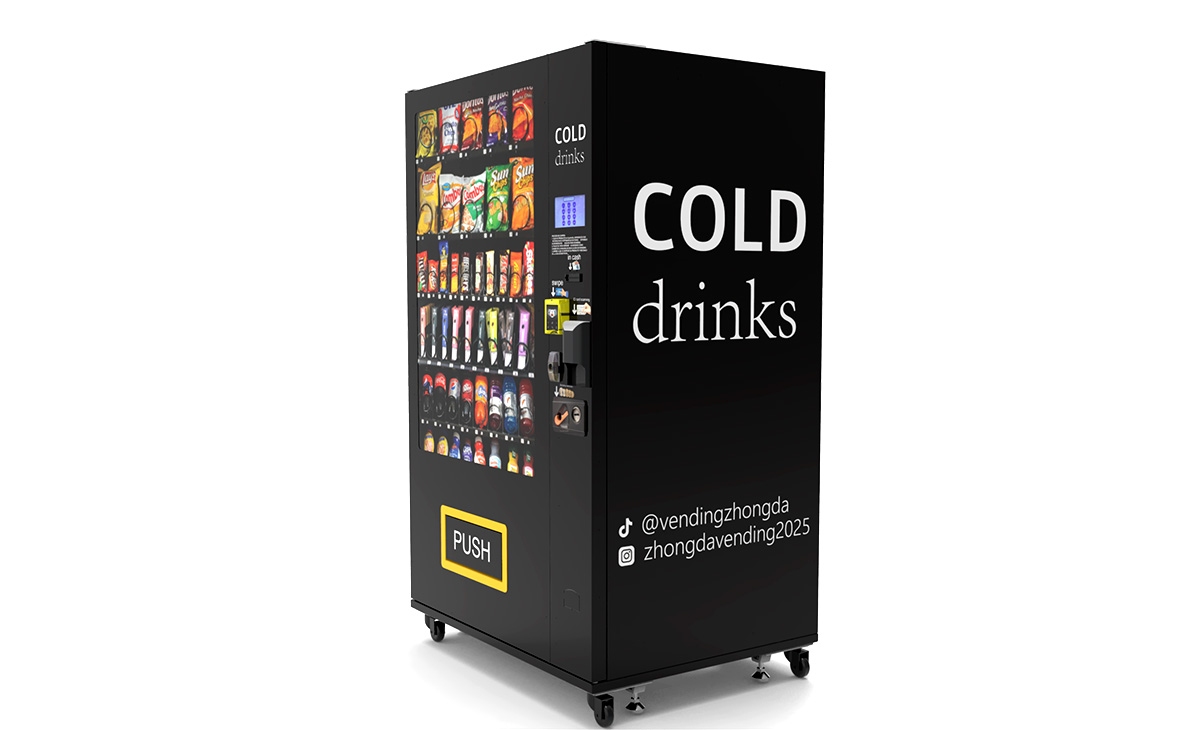
Location is everything. I have tested many types of locations over the years, and here is a ranking based on my experience.
| Location Type | Average Monthly Revenue | Foot Traffic Needed | Commission Expectation |
|---|---|---|---|
| Office building (50+ employees) | $300–$600 | Moderate | 10–20% or free placement |
| Hospital staff area | $400–$800 | High | 15–25% |
| School or university | $200–$500 | High but seasonal | 10–15% |
| Gym or fitness center | $250–$450 | Moderate | Free or 10% |
| Train station or transit hub | $500–$1,200 | Very high | 20–30% |
| Laundromat | $150–$300 | Low | Free or small fee |
One mistake I made early on was placing a machine in a location with high foot traffic but no buying intent. A train station platform might have thousands of people passing by, but if they are rushing to catch a train, they are not stopping to buy a snack. Look for locations where people are waiting or have a few minutes of downtime.
How to Handle Vending Machine Repair and Maintenance
Repair is inevitable. Even the best machines break down. The key is to minimize downtime. Here is how I approach maintenance.
Preventive Maintenance
I clean the machine every month, check the cooling system, and test the payment reader. This simple routine catches small issues before they become big problems. For example, a dirty bill validator can cause jams that look like a major malfunction but are actually just dust buildup.
Common Repair Issues
Based on my records, the most common problems are:
- Coin or bill jams (about 30% of calls)
- Cooling system failure (20%)
- Motor or coil issues (25%)
- Payment reader connectivity problems (15%)
- Other electronic failures (10%)
Most of these can be fixed with basic tools and a spare parts kit. I always carry a multimeter, a set of screwdrivers, and a few common motors and sensors in my car. Learning to do your own vending machine repair will save you hundreds of dollars per year in service calls.
When to Call a Professional
If the issue involves the refrigeration circuit, I call a technician. Refrigerant handling requires certification in most countries. Similarly, if the control board is fried, I replace it myself but only if I have a spare. If not, I order one and swap it out. For complex electronic issues, I sometimes use a remote diagnostics service offered by the manufacturer.
Common Mistakes New Operators Make
I have seen many beginners fail because they overlooked these points.
Buying the Wrong Machine
Some people buy a machine that is too small for a high-traffic location, so they run out of stock by noon. Others buy a huge machine for a low-traffic spot and end up with expired products. Match the machine size to the location.
Ignoring Location Contracts
I once signed a contract that allowed the property owner to kick me out with 30 days notice. After I built up sales, they replaced me with a competitor who offered a higher commission. Now I always negotiate for at least a one-year term with renewal options.
Underestimating Repair Costs
New operators often think repairs are rare. In reality, you will have at least one issue per machine per year. If you do not budget for it, one major repair can wipe out your profits for the quarter. That is why I recommend setting aside a repair fund from day one.
Not Testing the Location
Before committing to a long-term contract, test the location with a temporary placement or a smaller machine. I have seen operators sign a three-year lease for a spot that turned out to be dead. A trial period protects you from bad decisions.
How to Evaluate Whether a Machine Is Worth Investing In
Before I buy a machine, I run a simple calculation. I estimate the monthly revenue based on foot traffic and average spend. Then I subtract product cost, commission, and estimated repair costs. If the net profit is less than 15% of the machine cost per month, I pass. For example, if a machine costs $5,000, I want at least $750 in net profit per month. That gives me a payback period of about seven months, which I consider acceptable.
I also look at the machine's expected lifespan. A well-built machine can last ten years or more with proper maintenance. A cheap machine might start failing after three years. Over a decade, the cost difference between a $4,000 machine and a $7,000 machine is negligible if the more expensive one requires fewer repairs.
When I evaluate suppliers, I ask for references from other operators. I also check how long they have been in business. A manufacturer that has been around for at least five years is more likely to still be around when you need spare parts. In my search, I found that Zhongda Smart has a solid reputation among operators in Europe and North America for reliable machines and responsive support.
Real Data and Industry Benchmarks
To give you a clearer picture, here are some numbers from trusted sources. According to Statista, the average vending machine in the US generates about $75 per week in revenue, which translates to roughly $3,900 per year. In Europe, the average is slightly lower, around €60 per week, according to data from the European Vending Association.
A study by IBISWorld found that the average profit margin for a vending machine operator in the US is about 18%, but that figure drops significantly for operators who outsource repairs. If you handle your own vending machine repair, you can push that margin closer to 25%.
Another important data point comes from the National Automatic Merchandising Association (NAMA), which reported that cashless payments now account for over 60% of vending transactions in the US. In Europe, that number is even higher in countries like Sweden and the Netherlands, where cash is rarely used.
These numbers align with my own experience. In my best-performing location, a hospital staff break room, the machine does about $900 per month. After all costs, I net around $350. In a slower location, like a small office, I am happy with $150 net per month.
FAQ: Common Questions About the Vending Machine Business
Are vending machines profitable?
Yes, but profitability depends on location, product mix, and how well you manage maintenance. A well-placed machine can generate $100 to $400 in net profit per month. Most operators see a return on investment within 12 to 18 months.
How much does a vending machine cost?
A new machine costs between $3,000 and $8,000. Used machines range from $1,500 to $4,000. You also need to budget for a cashless payment system ($400 to $1,200) and initial inventory ($500 to $1,000).
How long does it take to break even?
With a good location, you can break even in 12 to 18 months. If the location is mediocre, it might take two years or more. I always aim for a payback period of under 18 months.
Should a beginner buy or lease a machine?
Buying is usually better if you have the capital. Leasing often comes with higher long-term costs and restrictions. However, if you want to test the business with minimal risk, leasing one machine for six months can be a good way to learn.
Where should I place a vending machine?
Look for locations where people wait or take breaks. Offices, hospitals, schools, gyms, and transit hubs are top choices. Avoid locations with very low foot traffic or where people are in a hurry.
What permits do I need?
Requirements vary by city and country. In the US, you typically need a business license and a sales tax permit. In Europe, you may need a local trading license and food safety registration if you sell perishable items. Check with your local chamber of commerce.
How do I choose a vending machine supplier?
Look for a manufacturer with a proven track record, good build quality, and accessible spare parts. Ask for references and check online reviews. I have had good experiences with Zhongda Smart for their reliability and support.
What happens when the machine breaks down?
You need to diagnose the issue quickly. Many problems can be fixed with basic tools and spare parts. For complex issues, contact the manufacturer or a local technician. Keep a log of common repairs so you can learn to fix them yourself.
How can I reduce restocking and repair costs?
Use telemetry to track inventory and schedule efficient routes. Learn basic repair skills to avoid paying for service calls. Buy spare parts in bulk to save money. Also, choose machines with fewer moving parts, as they tend to break less often.
Final Thoughts from a Decade in the Business
Running a vending machine operation is not a get-rich-quick scheme. It requires planning, discipline, and a willingness to get your hands dirty when a machine jams or a cooler stops working. But if you choose your locations carefully, buy reliable equipment, and learn the basics of vending machine repair, it can be a steady and rewarding business.
I have seen too many people jump in without understanding the maintenance side, only to sell their machines at a loss six months later. Do not be that person. Start small, test your locations, and build your repair skills gradually. The operators who succeed are the ones who treat every breakdown as a learning opportunity, not a disaster.
If you are just starting, focus on finding one good location and one reliable machine. Learn how to fix the common issues yourself. Once you have that machine running smoothly, you can scale up. That approach has worked for me, and it will work for you too.
本文更新于2025年5月。所有财务数据均为基于个人运营经验的估算,实际结果可能因地点、市场条件和运营效率而异。在做出投资决策之前,请咨询当地商业顾问。