Best Vending Combo Machine in 2026_ Ultimate Guide, Costs, and Buying Tips
If you are looking into the best vending combo machine in 2026, you likely want to know one thing upfront: is this investment worth your time and money? After over a decade of placing, servicing, and pulling machines across the U.S. and parts of Europe, I can tell you that the answer depends far more on the machine’s configuration and your location than on brand hype. A vending combo machine—one that sells both snacks and cold drinks in a single unit—can generate between $400 and $1,200 per month in gross revenue, depending on foot traffic and product mix. But I have also seen operators lose thousands because they bought the wrong model or ignored site conditions. This guide draws on real operational experience, not theory, to help you decide which machine fits your business and how to avoid the costly mistakes I see beginners make every year.
What Exactly Is a Vending Combo Machine and Who Uses It?
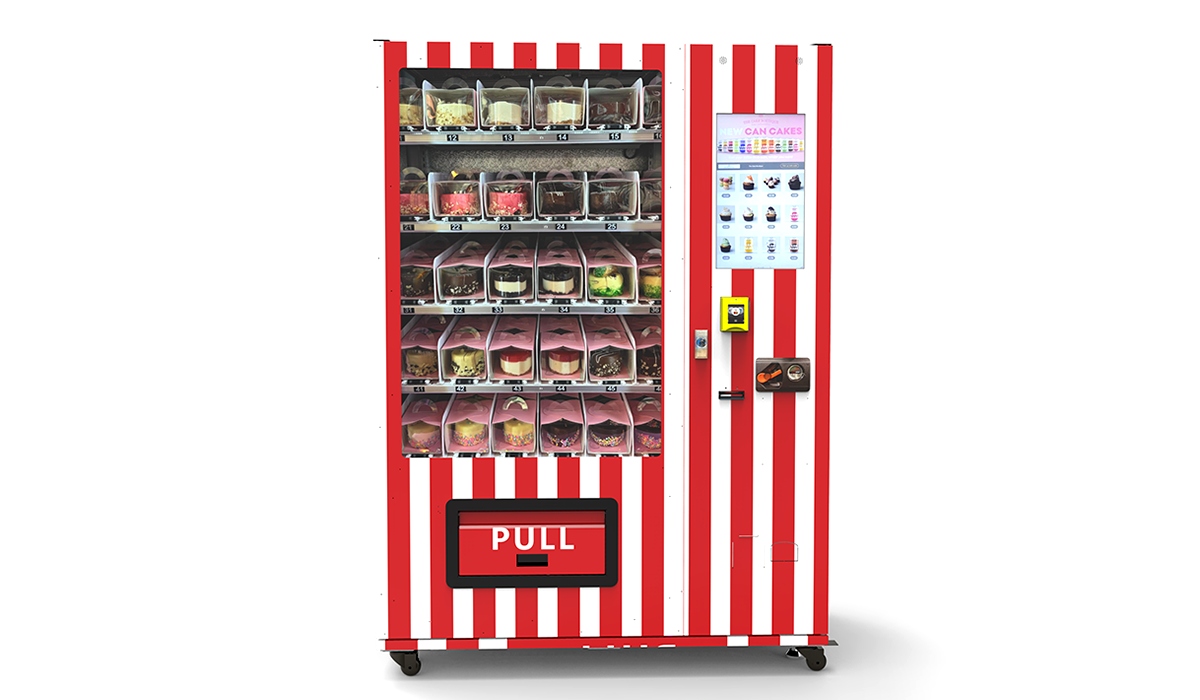
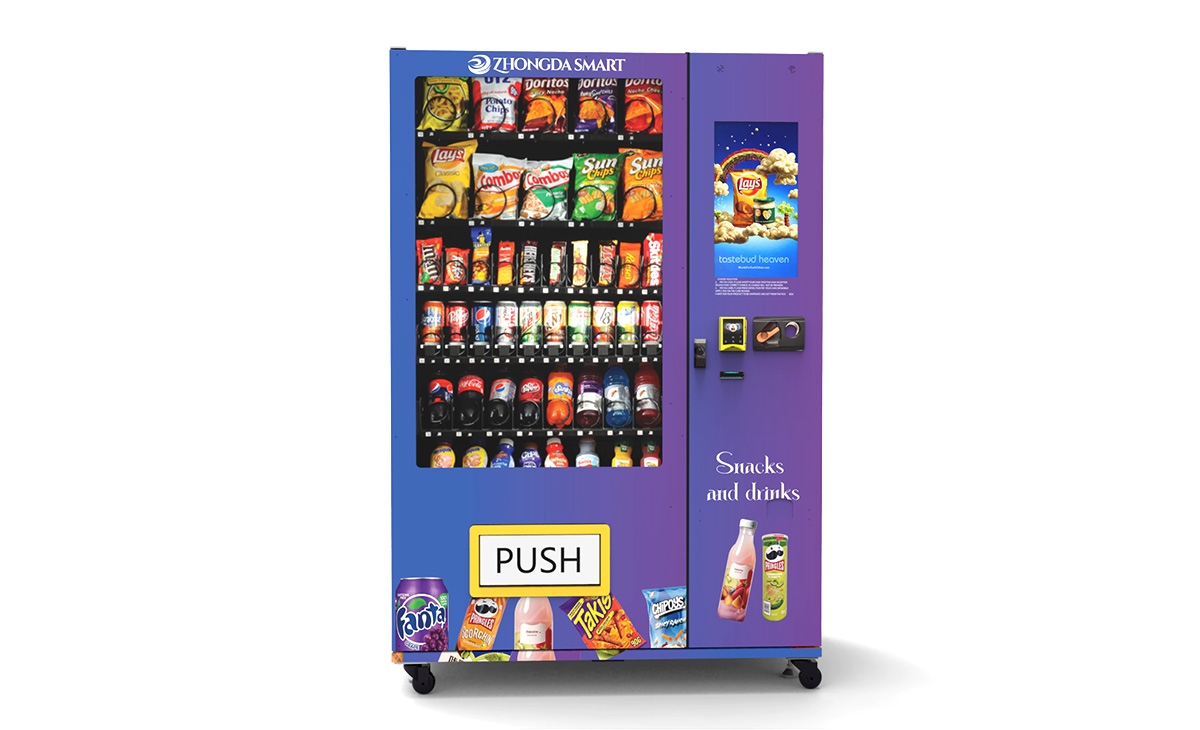
A vending combo machine combines a snack section and a beverage section into one unit. This design saves floor space, reduces the number of machines you need to maintain, and simplifies restocking. In my experience, combo machines work best in locations where space is tight but traffic is steady—think break rooms, small gyms, auto repair shops, and warehouse facilities. They are not ideal for high-volume locations like college campuses or busy transit hubs, where separate dedicated machines usually perform better.
The typical combo machine holds between 200 and 400 items total, split between snacks and drinks. Most units use spiral or tray-based dispensing for snacks and a separate elevator or belt system for cans and bottles. Some newer models also include a small frozen section for ice cream or cold food, but those are still a niche category in 2026.
In Europe, you will see more compact units designed for office buildings and smaller retail spaces. In North America, the trend leans toward larger combo machines that can hold up to 500 items. Regardless of the market, the core appeal is the same: one machine, one plug, one restock trip.
Is a Vending Combo Machine Profitable? Real Numbers from the Field
Profitability in this business is not guaranteed. I have operated machines that grossed over $1,800 per month and others that barely hit $200. The difference is almost never the machine itself—it is the location and how well you manage the product mix.
Based on my own records and data from industry sources, a well-placed combo machine typically generates between $400 and $900 in monthly sales. The gross margin on snacks is around 40% to 50%, while beverages yield 30% to 40%, depending on whether you sell branded sodas or higher-margin energy drinks. After accounting for product cost, credit card processing fees (usually 2.5% to 4%), and restocking labor, net profit per machine often falls between $150 and $400 per month.
According to a 2025 report by IBISWorld, the vending machine industry in the United States generates approximately $7.8 billion in annual revenue, with an average profit margin of about 11% for single-unit operators. That number climbs for operators with multiple machines due to route efficiency.
One thing I always tell new operators: do not trust the revenue projections that machine sellers give you. I have seen brochures claiming $2,000 per month on a single combo unit in a "high-traffic" location. In reality, that level of performance requires a very specific site—like a factory with 500+ employees and no cafeteria—and even then, it takes time to build sales through proper product selection.
What Does a Vending Combo Machine Cost in 2026?
Pricing for vending combo machines varies significantly based on features, build quality, and whether you buy new or used. Here is a realistic breakdown based on what I have seen in the market over the past year:
| Machine Type | New Price Range (USD) | Used Price Range (USD) | Typical Lifespan |
|---|---|---|---|
| Basic combo machine (no touchscreen, no telemetry) | $4,500 – $6,500 | $2,000 – $3,500 | 8–10 years |
| Mid-range combo machine (touchscreen, basic telemetry) | $6,500 – $9,000 | $3,500 – $5,500 | 10–12 years |
| Premium combo machine (large capacity, cashless, remote monitoring) | $9,000 – $13,000 | $5,500 – $8,000 | 12–15 years |
| Combo machine with frozen section | $11,000 – $16,000 | $6,000 – $9,500 | 10–12 years |
These prices do not include shipping, installation, or initial inventory. I typically add 10% to the machine cost for setup expenses. If you are buying from a manufacturer overseas, factor in customs duties and potential delays. I have worked with suppliers like Zhongda Smart on several orders, and their combo machines fall into the mid-range category with solid build quality and good after-sales support. They offer customization options for payment systems and panel design, which is useful if you want to brand the machine for a specific location.
Key Factors That Affect Your Return on Investment
Location Quality
The single most important factor. I have placed identical machines in two different locations and seen a 400% difference in revenue. Look for sites with at least 50 to 100 daily foot traffic, a captive audience (employees who cannot easily leave the building), and no existing vending competition. Avoid locations with a cafeteria, a convenience store next door, or a coffee shop that sells bottled drinks.
Product Selection
This is where most beginners fail. They stock what they like, not what sells. In my experience, the top 20% of products generate 80% of revenue. For snacks, that means chips, chocolate bars, and protein bars. For drinks, water, soda, and energy drinks dominate. I have seen machines fail because the operator stocked healthy snacks exclusively. While there is a market for that, it is smaller and more location-specific.
Payment Systems
In 2026, a machine without cashless payment is almost worthless. According to a 2025 study by Statista, over 65% of vending transactions in the U.S. are now cashless, and that number is higher in Europe. Make sure your combo machine supports credit cards, mobile wallets, and contactless payments. If you buy a used machine without this capability, budget at least $400 to $800 for a payment system upgrade.
Maintenance and Repair
Every machine breaks. The question is how quickly you can get it fixed. I recommend buying from a supplier that offers readily available spare parts. Cheap machines often use proprietary components that are hard to source, leading to extended downtime. Vending machine repair costs vary, but I budget about $300 to $500 per machine per year for maintenance, not including major component failures. Refrigeration issues are the most common and expensive problem.
Comparing Business Models: Buy, Lease, or Revenue Share
There are three main ways to get into the vending business. Each has its own pros and cons, and I have tried all three at different points in my career.
| Model | Upfront Cost | Monthly Cost | Profit Potential | Risk Level |
|---|---|---|---|---|
| Buy outright | High ($4,500 – $16,000) | None (except repairs) | Highest (you keep all profit) | Medium (machine could sit idle) |
| Lease | Low ($500 – $2,000 deposit) | $100 – $300 per month | Medium (you split profit with lessor) | Low (easier to exit) |
| Revenue share with location | None (location provides space) | None (you split revenue 50/50 or 60/40) | Low to Medium | Low (minimal investment) |
For beginners, I usually recommend buying a used mid-range machine outright. It gives you full control and the highest profit potential. Leasing is fine if you want to test the waters, but the monthly fees eat into your margins. Revenue sharing with a location can work if you have no capital, but you will need strong negotiation skills to get a fair split.
How to Choose a Vending Machine Supplier
I have bought machines from at least a dozen suppliers over the years. The ones that stand out share a few common traits: they offer transparent pricing, they stock spare parts for at least five years after purchase, and they provide clear documentation for installation and troubleshooting.
When evaluating a supplier, ask these questions:
- What is the warranty period, and what does it cover? (Look for at least one year on the compressor and electronics.)
- Are spare parts available locally or through a distributor in your region?
- Can the machine be customized for your payment system of choice?
- What is the lead time for delivery?
I have worked with Zhongda Smart on several orders, and they meet these criteria well. Their combo machines are built with standard components, which makes repair easier, and they offer remote monitoring options that save time on route planning. They are not the cheapest supplier, but in this business, cheap often leads to high long-term costs.
Where Should You Place a Vending Combo Machine?
Not all locations are equal. Here are the best and worst locations based on my experience:
Best Locations
- Manufacturing plants and warehouses (especially those with shift work)
- Auto dealerships and repair shops
- Office buildings with 50+ employees and no cafeteria
- Gyms and fitness studios (focus on water, protein bars, and shakes)
- Medical offices and clinics (staff break rooms are often underserved)
Worst Locations
- Retail stores (customers come to buy products, not use a vending machine)
- Hotels with 24-hour room service or convenience stores
- Schools without a clear agreement on product restrictions
- Public parks (high vandalism risk, low repeat usage)
I once placed a combo machine in a busy laundromat thinking it would be a goldmine. It was not. People came to do laundry and left. They did not want to carry snacks and drinks while hauling clothes. The machine barely did $200 per month. I moved it to a small auto repair shop with six mechanics, and it did $800 per month from day one. The difference was a captive audience with time to eat and drink.
Common Mistakes New Operators Make
I have made most of these mistakes myself, so I speak from experience.
Buying the cheapest machine possible. I bought a no-name combo machine once because it was $2,500 new. The refrigeration unit failed within six months, and the replacement part took three weeks to arrive. I lost two months of revenue and the location. That machine ended up in my backyard, and I eventually scrapped it.
Overstocking at the start. Beginners often fill every slot on day one. That ties up cash in inventory that may not sell. Start with 60% capacity and add items based on what moves. Use the first month to learn your customers' preferences.
Ignoring the payment system. If your machine only takes cash, you are losing 30% to 40% of potential sales. I have seen machines that did $300 per month jump to $500 per month just by adding a card reader.
Not checking the location's power supply. Combo machines need a dedicated outlet with stable voltage. I have seen machines trip breakers in older buildings because the circuit was shared with other equipment. Always check the electrical setup before installation.
Setting prices too low. New operators often underprice to attract customers. In vending, customers expect a small premium over store prices because of the convenience factor. I typically price items 20% to 30% above retail, and customers rarely complain.
How to Evaluate a Potential Machine Investment
Before you buy any machine, run these numbers:
- Total upfront cost (machine + shipping + installation + first inventory)
- Estimated monthly revenue (based on location foot traffic, not seller claims)
- Estimated monthly costs (product cost + payment processing + restocking labor + maintenance reserve)
- Break-even point (total cost divided by monthly net profit)
For example, if your total cost is $7,000 and your net profit is $250 per month, your break-even point is 28 months. Many operators aim for 18 to 24 months, but I have seen machines take 36 months to break even in weak locations. If the numbers do not work on paper, do not buy the machine. There will always be another opportunity.
Real Data References
According to the U.S. Bureau of Labor Statistics, the vending machine operator industry employs over 140,000 workers in the United States as of 2024, with an average annual wage of approximately $38,000. This data reflects the scale of the industry but also highlights that margins are tight for operators who do not optimize their routes.
In Europe, the European Vending Association reported in its 2024 Market Report that the total number of vending machines in operation across the EU exceeds 4.2 million, with combo machines accounting for roughly 18% of new installations. The report also notes that cashless payment adoption in vending reached 58% across the EU in 2024, up from 42% in 2020.
FAQ: Common Questions About Vending Combo Machines
Are vending combo machines profitable?
Yes, but only if you choose the right location and manage your product mix well. Most single-unit operators see net profits of $150 to $400 per month per machine. Profitability depends heavily on foot traffic, product margins, and how efficiently you restock.
How much does a vending combo machine cost?
New machines range from $4,500 to $16,000, depending on features and capacity. Used machines cost between $2,000 and $8,000. Always factor in shipping, installation, and initial inventory costs.
How long does it take to break even?
Typically 18 to 36 months, depending on the machine cost and location performance. I have seen machines break even in 12 months in excellent locations and take over 48 months in poor ones.
Should a beginner buy or lease a machine?
Buying a used mid-range machine is usually the best option for beginners. Leasing reduces upfront risk but eats into profits over time. Revenue sharing with a location can work if you have no capital, but it limits your upside.
Where should I place a combo machine?
Look for locations with captive audiences—places where people work or wait for extended periods. Manufacturing plants, auto repair shops, office break rooms, and gyms are strong candidates. Avoid locations with existing food options or low foot traffic.
What permits do I need to operate a vending machine?
Requirements vary by city and state. In the U.S., you typically need a business license, a sales tax permit, and sometimes a food handling permit if you sell perishable items. In Europe, you may need to register with local health authorities. Check with your local business licensing office before placing any machine.
How do I choose a supplier?
Look for suppliers with transparent pricing, good warranty terms, and readily available spare parts. Avoid suppliers who make unrealistic revenue claims. I have had positive experiences with Zhongda Smart for mid-range combo machines, but always do your own due diligence.
What if the machine breaks down?
Most common issues involve refrigeration, payment systems, or dispensing mechanisms. Keep a stock of common spare parts and have a relationship with a local vending machine repair technician. If you buy from a reputable supplier, they should offer technical support and parts availability for at least five years.
How can I reduce restocking costs?
Use telemetry or remote monitoring to track inventory levels. This lets you restock only when needed, rather than on a fixed schedule. Also, group your machines into routes to minimize travel time between locations.
Final Thoughts from the Field
Running vending machines is not a passive income scheme. It requires regular attention, honest evaluation of each location, and a willingness to move machines when they underperform. The best vending combo machine in 2026 is the one that fits your specific location, budget, and service capability. Do not chase flashy features you do not need. Focus on reliability, payment flexibility, and product selection. If you do that, the machine will pay for itself and then some.
This article was updated in January 2026. Market conditions and pricing may change over time. Always verify current costs and regulations with local authorities before making a purchase.