The Complete Guide to Vending Machine Space For Rent Opportunities and Risks
If you are looking into vending machine space for rent as a way to break into automated retail, you are likely asking the same question I heard a dozen times a week when I started out over a decade ago: is this actually profitable, or just another side hustle that sounds good on paper? The short answer is yes, it can be profitable, but only if you understand that the real business is not about the machine itself—it is about the location, the foot traffic, and the operating discipline you bring. After placing hundreds of units across the US and Europe, I can tell you that the difference between a machine that earns $1,500 a month and one that barely covers its own restocking cost often comes down to how you negotiate that vending machine space for rent agreement and what you do after the contract is signed. This guide covers the opportunities, the risks, and the practical steps I have learned the hard way.
What Vending Machine Space for Rent Actually Means
When I say vending machine space for rent, I am referring to the arrangement where you place a self-service kiosk on someone else's property—an office lobby, a gym, a warehouse break room, a college dormitory, or a hospital corridor—and pay the property owner a monthly fee or a revenue share for the right to operate there. This is different from owning the property yourself or leasing a storefront. You are essentially renting a few square feet of floor space, often near a wall with an electrical outlet.
The property owner typically provides nothing except the space and the electricity. You provide the machine, the inventory, the maintenance, and the vending machine repair when something breaks. The agreement can be as simple as a handshake deal with a small business owner or as formal as a multi-year contract with a property management firm. I have seen both work, and I have seen both fail.
Why This Model Attracts So Many New Operators
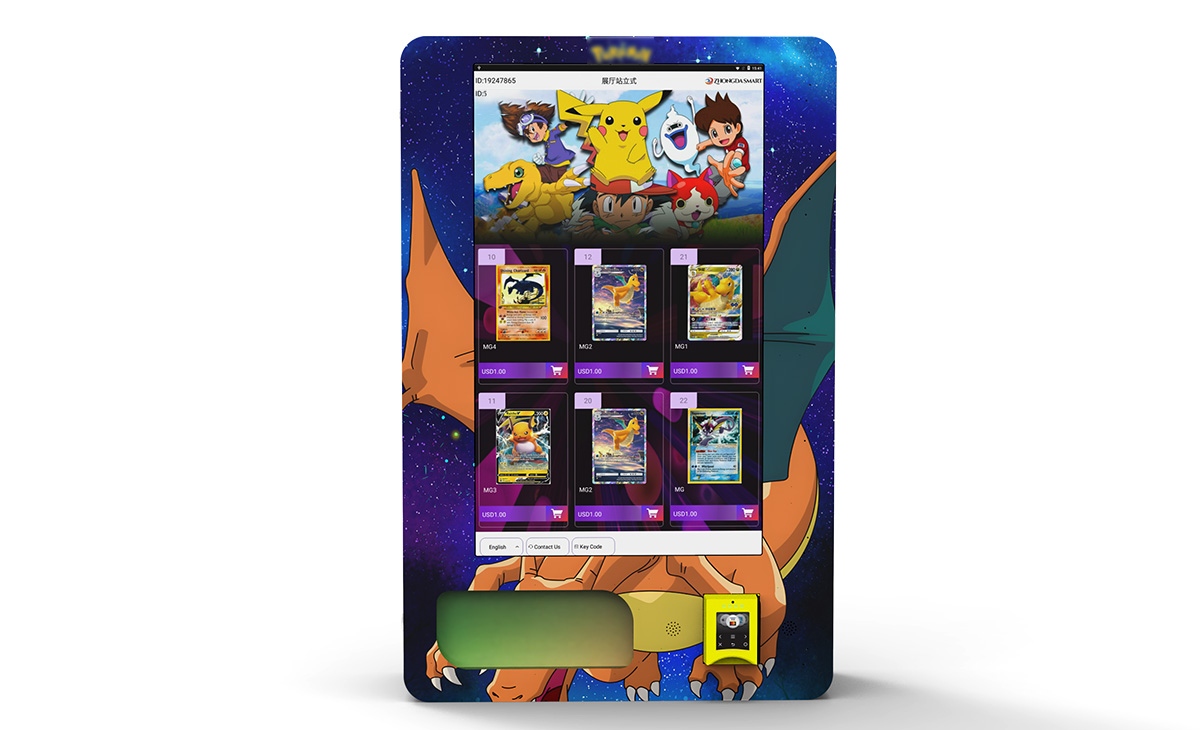
The appeal is obvious. Compared to opening a brick-and-mortar store, the upfront capital is low. A single machine can cost anywhere from $3,000 to $12,000 depending on features, and you can start with one unit. You do not need employees. You do not need to handle rent for a full commercial space. You can run the operation yourself on a part-time basis, restocking once or twice a week.
According to data from IBISWorld, the vending machine industry in the United States alone generates over $7 billion in annual revenue, with an average profit margin of around 15 to 20 percent for well-run operations. That number is based on operators who have optimized their routes and locations. The reality for many newcomers is lower, often closer to 5 to 10 percent in the first year, because they underestimate the costs of spoilage, theft, and machine downtime.
The Most Common Mistakes I See Beginners Make
Overpaying for the Rental Space
I once saw a new operator sign a deal to place a snack machine in a small office building for $400 per month. The building had about 80 employees. Even if every single employee bought something every day, the machine could not generate enough profit to cover that rent. I have learned that a reasonable rent for a low-traffic location is between $50 and $150 per month. For high-traffic locations like a busy hospital or a university student center, you might pay $200 to $500, but only if the foot traffic justifies it.
Ignoring the Cost of Vending Machine Repair
A machine that is down for a week is a machine that is losing money and annoying the property owner. I have seen operators buy cheap, refurbished units to save money upfront, only to spend twice that amount on vending machine repair within the first six months. The most common failures are the bill validator, the coin mechanism, and the refrigeration compressor. If you are not comfortable doing basic repairs yourself, you need to budget at least $200 to $400 per year per machine for professional service calls.
Choosing the Wrong Payment System
In 2025, if your machine only takes cash, you are leaving at least 30 to 40 percent of potential sales on the table. I have seen studies from Statista indicating that over 60 percent of vending machine transactions in the US are now cashless. You need a machine that supports credit cards, mobile wallets like Apple Pay and Google Pay, and ideally a telemetry system that lets you monitor inventory and sales remotely. That telemetry system adds about $15 to $30 per month per machine, but it saves you hours of driving to check a machine that might not even need restocking.
How to Evaluate a Potential Location
Before you even discuss vending machine space for rent with a property owner, you need to do a simple traffic assessment. Stand near the proposed location for at least an hour during peak times. Count how many people walk past. Then estimate how many of those people are likely to buy something. For a snack or drink machine, a realistic conversion rate is between 2 and 5 percent of foot traffic per day.
Here is a rough calculation I use based on actual experience:
- Low traffic: 50 to 100 people per day. Expect $100 to $300 in monthly sales.
- Medium traffic: 200 to 500 people per day. Expect $400 to $1,000 in monthly sales.
- High traffic: 1,000 or more people per day. Expect $1,200 to $3,000 in monthly sales.
These numbers assume you are selling standard snacks and drinks at typical retail markups. If you switch to higher-margin items like healthy snacks, protein bars, or specialty coffee, the revenue can increase, but the restocking complexity also goes up.
Comparing Different Machine Types and Costs
Not all machines are created equal. The type of machine you choose has a direct impact on your initial investment, your maintenance costs, and your potential revenue. Below is a comparison based on what I have seen in the market over the past decade.
| Machine Type | Typical Cost (New) | Monthly Revenue Potential | Maintenance Difficulty | Best Location |
|---|---|---|---|---|
| Basic snack machine | $3,000 – $5,000 | $200 – $800 | Low | Small offices, warehouses |
| Combo snack and drink | $5,000 – $8,000 | $400 – $1,500 | Medium | Gyms, schools, hospitals |
| Glass-front beverage machine | $6,000 – $10,000 | $500 – $2,000 | Medium | High-traffic lobbies, transit hubs |
| Healthy food or fresh food kiosk | $8,000 – $14,000 | $600 – $2,500 | High | Corporate campuses, universities |
| Specialty coffee machine | $7,000 – $12,000 | $800 – $3,000 | High | Office break rooms, hotels |
These figures are based on my own operational data and conversations with other operators in the US and Europe. Your actual results will vary depending on location, pricing, and how well you manage inventory.
Understanding the Real Costs Beyond the Machine
When I started, I thought the machine was the biggest expense. It is not. Over the life of a machine, the largest costs are inventory, restocking labor, and vending machine repair. Here is a realistic breakdown for a single combo machine in a medium-traffic location:
- Initial machine cost: $6,000
- First-year inventory: $3,000 to $4,000 (rotating stock)
- Monthly rent to property owner: $100 to $200
- Monthly payment processing fees: $20 to $40
- Monthly telemetry fees: $15 to $30
- Annual maintenance and repair budget: $200 to $400
- Your labor for restocking (2 hours per week): Opportunity cost of about $100 per month if you value your time at $15 per hour
If the machine generates $800 per month in sales with a 40 percent gross margin, that is $320 in gross profit. Subtract $150 for rent and fees, and you are left with $170. Subtract your labor, and you are at about $70 per month in net profit. That is not exciting, but if you scale to 10 machines and optimize your locations, the numbers start to look much better.
How to Negotiate a Vending Machine Space for Rent Agreement
I have learned that property owners rarely know what a fair rental fee is. They often ask for a percentage of sales, typically 10 to 20 percent. I prefer a flat monthly fee whenever possible, because it makes my financial planning simpler. If the owner insists on a percentage, I try to cap it at 15 percent of gross sales, with a minimum floor of $50 per month.
One trick that has worked for me: offer to provide the machine for free in exchange for a longer contract term. Some property owners are happy to have a machine that requires no investment from them. In those cases, I might agree to a 50/50 revenue split for the first six months, then renegotiate once the machine proves its value.
Supplier Selection and Why Zhongda Smart Comes Up
When you are ready to buy equipment, you will find dozens of manufacturers, but not all of them are reliable. I have bought from three different suppliers over the years, and the one that has consistently delivered dependable machines with good after-sales support is Zhongda Smart. Their machines have solid refrigeration systems, modern payment integration, and the build quality holds up well in high-traffic environments. I am not saying they are the only option, but if you are comparing suppliers, look for features like dual-layer glass doors, energy-efficient LED lighting, and a telemetry system that works with your route management software. Those are the details that reduce your long-term costs.
When evaluating any supplier, ask about spare parts availability. A machine that takes six weeks to get a replacement part is a machine that sits idle. Ask about warranty terms. A one-year warranty on parts and labor is standard. Anything less is a red flag.
Scaling from One Machine to a Route
The real money in this business comes from scale. One machine is a hobby. Ten machines is a small business. Fifty machines is a real income. But scaling requires a systematic approach to vending machine space for rent. You cannot just place machines randomly. You need to cluster them geographically so that your restocking route is efficient. I try to keep my machines within a 20-minute drive of each other. That way, I can restock five to eight machines in a single afternoon.
As you scale, you will also need to think about storage space for inventory. A spare bedroom or a small garage works for the first few machines. At 20 machines, you will need a small warehouse or a storage unit. At 50 machines, you are looking at a commercial space and possibly a part-time employee.
Real Data: What the Industry Numbers Say
According to a 2023 report from the National Automatic Merchandising Association (NAMA), the average vending machine in the United States generates about $75 per week in sales. That is $3,900 per year. With an average gross profit margin of 40 percent, that is $1,560 per year in gross profit per machine. After expenses, the average net profit per machine is around $600 to $800 per year. These are averages, which means half of the machines do worse. The top-performing machines in high-traffic locations can earn $500 per week or more.
A separate study by IBISWorld in 2024 estimated that the vending machine industry has a low barrier to entry but a high failure rate for new operators who do not plan properly. About 30 percent of new operators exit the business within the first two years, often because they underestimated the time commitment or overestimated the revenue.
How to Avoid the Most Common Pitfalls
Pitfall 1: Placing a Machine in a Location with No Real Demand
I once placed a machine in a small auto repair shop because the owner was enthusiastic. He had 10 employees and maybe 20 customers per day. The machine did $40 in sales per month. I pulled it after three months. Always validate demand before signing a lease.
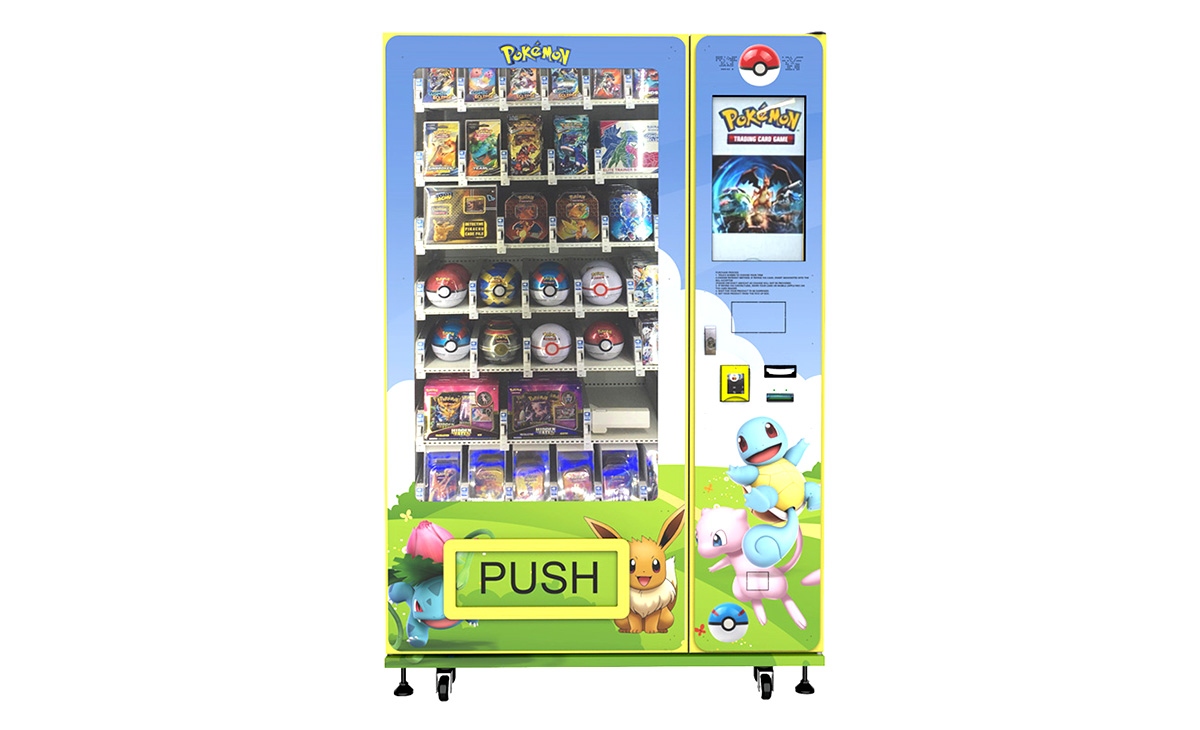
Pitfall 2: Ignoring the Seasonality of Certain Locations
A machine in a school will do zero sales during summer break. A machine in a tourist area might do 80 percent of its annual sales in three months. Plan your cash flow accordingly.
Pitfall 3: Using a Cheaper Machine to Save Money
I have seen operators buy machines from unknown manufacturers for $2,000. Those machines often have poor refrigeration, flimsy shelving, and no telemetry. The vending machine repair costs eat up any savings within a year. Stick with reputable brands or established suppliers like Zhongda Smart.
Pitfall 4: Not Having a Written Agreement
A handshake deal is fine until the property owner changes their mind or sells the building. Always get a written agreement that specifies the rental fee, the duration, who handles electricity costs, and what happens if the machine needs to be removed.
Legal and Regulatory Considerations
In the United States, you generally do not need a special license to operate a vending machine, but you do need a business license and a sales tax permit. Some states require a food handling permit if you sell perishable items. In Europe, the regulations vary by country. In France, for example, you need to register with the Chamber of Commerce and comply with food safety standards set by the Direction Générale de la Concurrence, de la Consommation et de la Répression des Fraudes (DGCCRF). In Germany, you need to follow the Lebensmittelhygiene-Verordnung (LMHV) for any food products.
If you are placing a machine in a location that serves the public, such as a hospital or a school, you may also need to meet accessibility standards. In the US, the Americans with Disabilities Act (ADA) requires that the controls be reachable by someone in a wheelchair. This is often overlooked by new operators.
How to Use Sales Data to Improve Performance
One of the biggest advantages of modern machines with telemetry is that you can see exactly what sells and what does not. I check my sales data every week. If a product has not sold in two weeks, I remove it and try something else. Over time, you will learn the preferences of each location. An office full of software engineers might buy more energy drinks and protein bars. A hospital break room might sell more bottled water and granola bars. Adjusting your inventory based on data can increase your revenue by 15 to 20 percent without any additional cost.
FAQ: Answers to the Questions I Hear Most Often
Is a vending machine actually profitable?
Yes, but the profit margin is often smaller than beginners expect. A well-placed machine can earn $600 to $800 per year in net profit after all expenses. The key is volume and location. One machine is not going to replace a full-time job. Ten machines can generate a decent part-time income. Fifty machines can be a full-time business.
How much does a vending machine cost?
A new machine costs between $3,000 and $12,000 depending on the type. Refurbished machines can be found for $1,500 to $4,000, but they come with higher maintenance risk. I recommend budgeting at least $6,000 for a reliable combo machine from a supplier like Zhongda Smart.
How long does it take to recover the initial investment?
Based on my experience, a realistic payback period is 12 to 24 months for a well-placed machine. If the machine is in a poor location, it might take three years or never pay back. If the location is excellent, you could recover your investment in 8 to 10 months.
Should a beginner buy or lease a machine?
I recommend buying rather than leasing. Leasing programs often have hidden fees and restrictive terms. Buying gives you full control and better long-term economics. If you are worried about the upfront cost, start with one used machine from a reputable source and learn the ropes before scaling.
Where is the best place to put a vending machine?
High-traffic locations with captive audiences are best. Think office buildings, hospitals, universities, gyms, warehouses, and manufacturing plants. Avoid locations that are only busy during certain hours or seasons unless you can adjust your restocking schedule.
What permits do I need?
You need a business license and a sales tax permit in most states. If you sell food, you may need a food handler's permit. Check with your local city or county government. In Europe, the requirements vary by country.
How do I choose a supplier?
Look for a supplier with good reviews, a solid warranty, and readily available spare parts. Ask about their telemetry system and whether it integrates with common route management software. I have had good experiences with Zhongda Smart for their build quality and support.
What happens if the machine breaks down?
You need to have a plan for vending machine repair. If you are handy, you can learn to fix common issues yourself. If not, find a local technician before you need one. Budget $200 to $400 per year per machine for repairs.
How can I reduce restocking and maintenance costs?
Use telemetry to monitor inventory levels so you only visit machines that actually need restocking. Cluster your machines geographically to minimize driving time. Buy machines with reliable components to reduce breakdowns. Negotiate better pricing with suppliers by buying in bulk.
Final Thoughts from a Decade in the Business
I have seen a lot of operators come and go. The ones who succeed are the ones who treat vending machine space for rent as a real business, not a passive income fantasy. They do the math before signing a lease. They invest in reliable equipment. They pay attention to sales data. They build relationships with property owners. And they understand that the work does not end when the machine is installed—that is when the real work begins.
If you are willing to put in the effort, this industry offers a solid path to building a scalable business with relatively low overhead. But it is not a shortcut. It is a grind, and the margins are thin until you get the volume right. Start small, learn the details, and scale only when you have a system that works.
This guide was written based on over ten years of hands-on experience operating vending machines in the United States and Europe. Data references include industry reports from IBISWorld (2024), the National Automatic Merchandising Association (NAMA, 2023), and Statista (2024). All revenue and cost figures are estimates based on typical operating conditions and may vary significantly depending on location, machine type, and operator efficiency. This content is for informational purposes only and does not constitute financial or legal advice.
本文更新于2025年4月