Vending Machine Innovations_ Prices, Profit Potential, and Setup Guide for Beginners
If you are searching for a realistic breakdown of vending machine innovations, pricing, and profit potential, you have come to the right place. After spending over a decade placing, breaking, repairing, and sometimes pulling machines out of terrible locations across the US and Europe, I can tell you one thing clearly: the automated retail space has changed more in the last five years than in the previous twenty. The old model of a soda and candy machine in a factory break room still works, but the real money today comes from smarter equipment, better payment systems, and data-driven product selection. This guide covers what a beginner actually needs to know about vending machine setup, from initial costs to choosing the right supplier, without the hype you see on social media.
What a Modern Vending Machine Actually Looks Like in 2025
The days of a simple coil-driven snack machine are far from over, but they are no longer the only option. Today, a vending machine can be a refrigerated unit selling fresh salads, a heated kiosk dispensing pizza, or a high-tech self-service kiosk that accepts credit cards, Apple Pay, and even cryptocurrency. The term vending machine now covers a broad spectrum of automated retail solutions, and the type you choose determines almost everything about your operating costs and revenue potential.
From my experience, the most common mistake beginners make is buying the cheapest machine they can find online. That USD 1,500 used snack machine might seem like a good deal, but if it breaks down twice a month and cannot accept modern payments, you will lose money on lost sales and repair calls. A reliable machine with a card reader, telemetry, and a decent warranty costs more upfront but delivers far better long-term results.
Key Features That Matter More Than You Think
- Payment system compatibility: If your machine does not accept tap-to-pay and mobile wallets, you are excluding at least 30% of potential buyers, especially in younger demographics.
- Remote monitoring (telemetry): Machines that report inventory levels and sales data in real time save you hours of driving to check empty slots.
- Energy efficiency: A poorly insulated refrigerated machine can add USD 50 to USD 100 per month to your electricity bill, eating into margins quickly.
- Modular shelving: The ability to adjust tray heights and configurations without tools allows you to test different product sizes without buying new parts.
Real Costs: What You Will Actually Spend
Let me give you honest numbers based on my own operations and industry benchmarks. According to a 2023 report by IBISWorld, the average vending machine operator in the US spends between USD 3,000 and USD 8,000 on a new machine, depending on features and refrigeration requirements. Used machines can be found for USD 1,500 to USD 4,000, but you must factor in refurbishment costs, payment system upgrades, and potential repair bills.
Here is a practical breakdown of what a typical startup with two machines looks like:
| Expense Item | Estimated Cost (USD) | Notes |
|---|---|---|
| New refrigerated combo machine | 5,000 – 8,000 | Includes card reader and telemetry |
| Used snack machine (refurbished) | 2,500 – 4,000 | Plus payment system upgrade |
| Initial product inventory | 800 – 1,500 | Depends on machine capacity |
| Installation and delivery | 200 – 500 | Varies by location |
| Permits and business license | 100 – 500 | Varies by city and country |
| First-year maintenance buffer | 500 – 1,000 | For unexpected repairs |
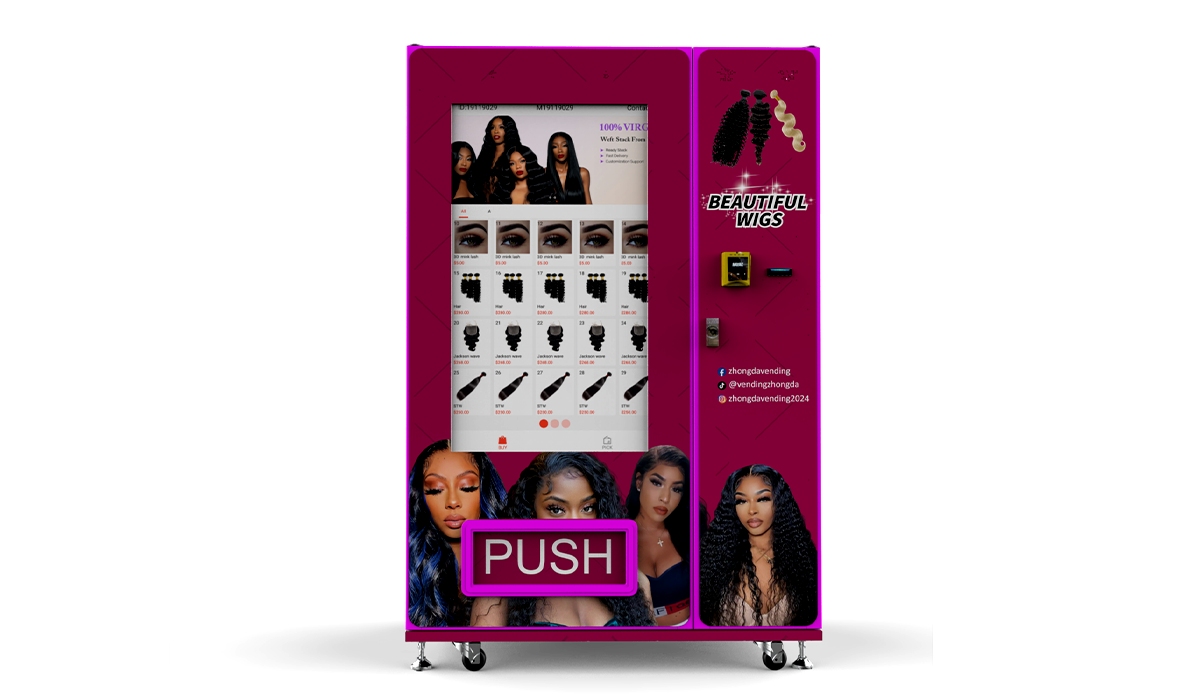
I have seen operators start with as little as USD 5,000 total for a single used machine in a low-rent location, but that leaves almost no margin for error. A more realistic and safer budget for a beginner is USD 10,000 to USD 15,000 for two machines in decent locations.
Profit Potential: What You Can Realistically Expect
Let me be direct: vending is not a get-rich-quick business. It is a solid, cash-flow-positive operation if you do the work. Based on data from the National Automatic Merchandising Association (NAMA), the average weekly revenue per machine in the US ranges from USD 150 to USD 400, with gross margins between 25% and 45% depending on product category. Fresh food and specialty items like protein shakes or healthy snacks typically have higher margins but also higher spoilage risk.
In my own experience, a well-placed machine in a busy office building or a gym can generate USD 600 to USD 1,200 per month. After subtracting product cost, credit card fees (usually 2.5% to 3.5%), electricity, and location commission, you are looking at a net profit of USD 200 to USD 500 per machine per month. That means a USD 6,000 machine can pay for itself in 12 to 18 months under good conditions.
Why Location Is Everything
I have placed identical machines in two locations five miles apart and seen a threefold difference in revenue. One was in a small warehouse with 20 employees; the other was in a 24-hour laundromat with high foot traffic. The laundromat machine did USD 800 per month; the warehouse machine barely did USD 200. The difference was not the machine or the products — it was the number of people walking past it every day.
When evaluating a location, I look for at least 100 to 200 potential transactions per day. That can be employees, customers, or passersby. Schools, hospitals, transit stations, and large office complexes are consistently strong performers. Small businesses with fewer than 30 employees rarely generate enough volume to justify a machine, unless they are in a high-traffic area like a retail store.
Choosing Between Buying, Leasing, or Revenue Sharing
New operators often ask whether they should buy a machine outright or use a lease-to-own or revenue-sharing model. Here is my honest take based on what I have seen work and fail.
| Model | Upfront Cost | Monthly Cost | Risk Level | Best For |
|---|---|---|---|---|
| Outright purchase | High (USD 3k–8k) | None | Lowest long-term | Operators with capital and commitment |
| Lease-to-own | Low (USD 0–500) | USD 100–300 | Medium | Beginners testing the market |
| Revenue sharing (with location) | None | Location takes 10–20% of sales | Low for operator | High-traffic locations that demand a cut |
I generally recommend outright purchase if you can afford it. Leasing makes sense if you are unsure about the location or want to test a new market with minimal risk. Revenue sharing with a location host can work, but only if the location provides significant foot traffic and you negotiate a fair percentage. I have seen locations demand 30% of gross sales, which leaves almost no profit after product and fees.
How to Select a Vending Machine Supplier
This is where many beginners get burned. You will find dozens of suppliers online, some offering machines at prices that seem too good to be true. In most cases, they are. I have personally dealt with machines that arrived with non-functional refrigeration, outdated payment systems, and no local support.
When evaluating a supplier, I look for three things: warranty coverage, availability of spare parts, and remote monitoring compatibility. A supplier that cannot provide a minimum one-year warranty on parts and labor is not worth your time. Also, ask about the payment system — is it a major brand like Nayax, Cantaloupe, or USA Technologies? If the supplier uses an obscure payment terminal, you will struggle to get support when it fails.
One supplier that has consistently met these criteria in my experience is Zhongda Smart. They manufacture a range of machines suitable for the European and US markets, with configurable shelving, reliable refrigeration, and integrated payment systems. I have used their units in several locations and found the build quality to be solid for the price point. That said, always request a demo unit or visit a showroom if possible before committing to a bulk order.
Red Flags When Buying Machines
- No local service network: If the supplier cannot connect you with a technician in your area, walk away.
- Vague specifications: If they cannot tell you the compressor brand, insulation type, or payment terminal model, the machine is probably a low-quality import.
- Payment system locked to one processor: Some cheaper machines come with proprietary payment systems that charge higher transaction fees or cannot be swapped easily.
Setup Guide for Beginners: Step by Step
If you are ready to start, here is the sequence I follow for every new machine placement.
Step 1: Secure the Location
Do not buy a machine before you have a signed location agreement. I have seen too many operators buy equipment and then scramble to find a spot. Approach property managers, business owners, or facility managers with a simple proposal: you provide the machine, stock it, and maintain it, and they get a commission (usually 10% to 20% of gross sales) or a flat monthly fee.
Step 2: Choose the Right Machine for the Location
If the location has 50 employees in an office, a combo snack and drink machine works well. If it is a gym, focus on protein bars, water, and electrolyte drinks. If it is a school, avoid high-caffeine and high-sugar items. Match the machine capacity to the expected volume — a large machine in a low-traffic spot will lead to stale products and high spoilage.
Step 3: Set Up Payment and Telemetry
Install a card reader and connect the machine to a remote monitoring platform. This allows you to see sales data, inventory levels, and error codes from your phone. I cannot overstate how much time this saves. Without telemetry, you are driving to locations blind, often finding empty slots or malfunctioning components only when a customer complains.
Step 4: Stock Smart, Not Just Full
Resist the urge to fill every slot with the same product. Use the first month to test a variety of items and track what sells. In my experience, 80% of revenue comes from 20% of the products. Identify those top sellers quickly and adjust your inventory accordingly. Also, pay attention to expiration dates — nothing kills repeat business like a customer getting a stale sandwich.
Step 5: Establish a Maintenance Routine
Plan to visit each machine at least once a week for cleaning, restocking, and basic inspection. Check the temperature of refrigerated units, test the payment system, and look for any signs of tampering or damage. A well-maintained machine not only sells more but also lasts longer, reducing your long-term capital expenditure.
Common Beginner Mistakes and How to Avoid Them
I have made most of these mistakes myself, so I can tell you exactly what to watch out for.
- Buying the cheapest machine: A low upfront cost often means high maintenance costs. I once bought a machine for USD 1,800 that needed USD 600 in repairs within three months. The total cost exceeded a mid-range machine that would have lasted years without issues.
- Ignoring payment system fees: Some card readers charge a flat monthly fee plus a per-transaction fee. If your average transaction is USD 2.00, a 3% fee plus USD 0.10 per swipe eats into your margin significantly. Calculate these costs before signing up.
- Overstocking perishable items: Fresh food has higher margins but also higher spoilage. I recommend starting with 80% shelf-stable products and 20% fresh items until you understand the location's demand patterns.
- Neglecting location relationships: The person who controls the space can make or break your business. If they are unhappy with the machine's appearance or reliability, they can ask you to remove it. Communicate regularly and address issues promptly.
Comparing Different Machine Types and Their Profit Potential
Not all vending machines are created equal. Here is a comparison of the most common types based on my experience.
| Machine Type | Typical Cost (New) | Average Monthly Revenue | Gross Margin | Best Locations |
|---|---|---|---|---|
| Snack only (non-refrigerated) | USD 2,500 – 4,000 | USD 300 – 600 | 35% – 45% | Offices, break rooms |
| Combo snack and drink | USD 5,000 – 8,000 | USD 500 – 1,000 | 30% – 40% | Gyms, schools, retail |
| Fresh food (refrigerated) | USD 6,000 – 10,000 | USD 600 – 1,200 | 40% – 50% | Hospitals, universities |
| Specialty (coffee, pizza, ice cream) | USD 8,000 – 15,000 | USD 800 – 2,000 | 50% – 60% | Transit hubs, tourist areas |
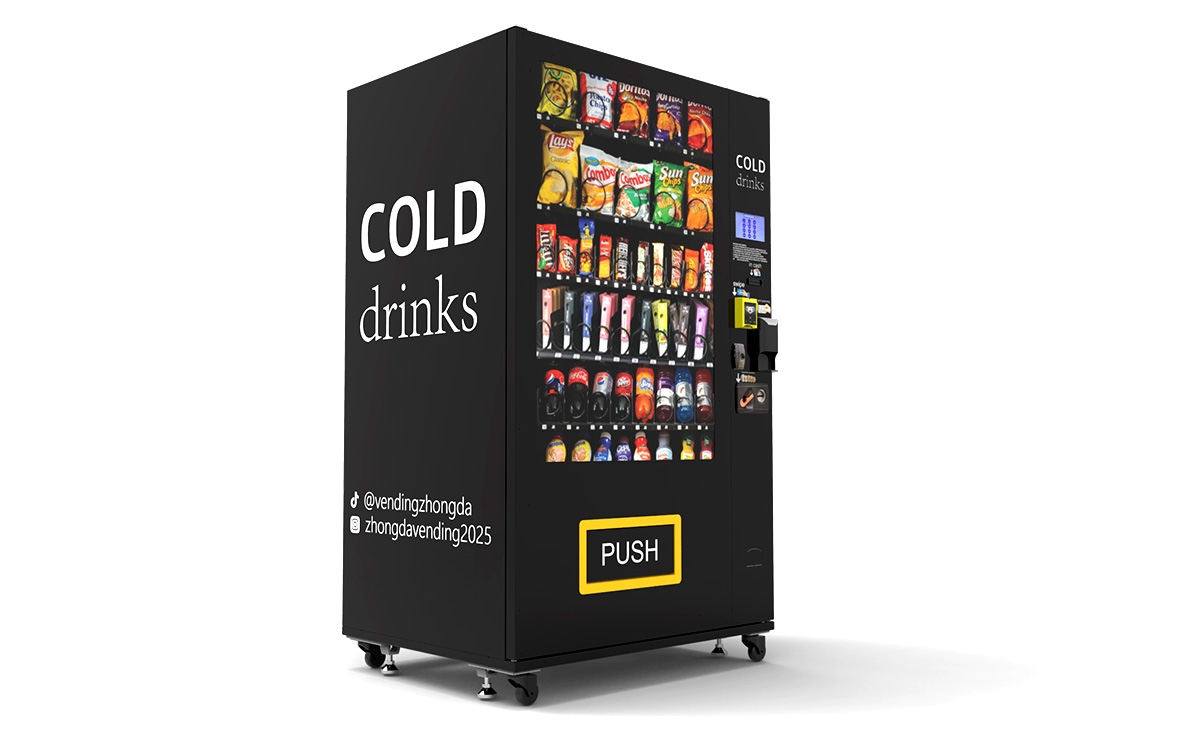
Specialty machines can generate higher revenue and margins, but they also require more maintenance and have higher upfront costs. A coffee machine, for example, needs regular cleaning, bean refills, and water filter changes. If you are not prepared for that level of involvement, stick with a standard combo machine.
How to Evaluate if a Machine Is Worth the Investment
Before you commit to a machine, run a simple calculation. Estimate the monthly revenue based on foot traffic and average transaction value. Multiply that by your expected gross margin. Subtract monthly costs (location commission, credit card fees, electricity, product spoilage, and maintenance). The result is your net monthly profit. Divide the machine cost by that number to get the payback period in months.
For example: A machine costing USD 6,000 generates USD 800 per month in revenue. Gross margin is 35%, so gross profit is USD 280. Subtract USD 80 for commission and fees, USD 20 for electricity, and USD 30 for maintenance and spoilage. Net profit is USD 150 per month. Payback period is 40 months. That is too long for my taste. I look for a payback period of 18 months or less, which means I need a net profit of at least USD 330 per month on that same machine.
If the numbers do not work on paper, they will not work in reality. Trust the math, not the hype.
Regulations, Permits, and Food Safety Considerations
Depending on where you operate, you may need a business license, a vending machine permit, and possibly a food handler's permit if you sell perishable items. In the US, requirements vary by state and city. In Europe, regulations are stricter, especially regarding food safety and traceability. According to the European Vending & Coffee Service Association (EVA), operators must comply with HACCP principles and maintain proper temperature logs for refrigerated machines.
I recommend checking with your local health department or equivalent authority before placing any machine. Failing to do so can result in fines or forced removal of your equipment. Also, ensure your machine has proper temperature monitoring and alarms if you sell refrigerated items. A temperature breach that goes unnoticed can lead to spoiled products and potential liability.
FAQ: Answers to the Most Common Questions I Get
Is vending machine business profitable?
Yes, but it is not passive income. Profitability depends on location, product selection, and operational efficiency. A well-run machine in a good location can generate a net profit of USD 200 to USD 500 per month. Poor locations lose money.
How much does a vending machine cost?
A new machine ranges from USD 3,000 to USD 15,000 depending on type and features. Used machines can be found for USD 1,500 to USD 4,000, but factor in refurbishment and payment system upgrades.
How long does it take to break even?
Based on my experience, a realistic payback period is 12 to 24 months for a well-placed machine. Anything under 12 months is excellent; anything over 24 months is a warning sign that the location or machine is not right.
Should a beginner buy or lease?
If you have the capital, buy outright. Leasing makes sense if you want to test a location with minimal risk. Avoid revenue-sharing models that give the location more than 20% of gross sales, as margins become too thin.
Where should I place my first machine?
Look for locations with at least 100 daily potential customers. Offices with 50+ employees, gyms, hospitals, schools, and transit stations are good starting points. Avoid small businesses with fewer than 30 employees.
What permits do I need?
Requirements vary by location. In the US, you typically need a business license and possibly a vending permit. In Europe, food safety regulations apply if you sell perishable items. Check with local authorities before placing a machine.
How do I choose a supplier?
Look for a supplier that offers a minimum one-year warranty, uses major payment system brands, and provides access to spare parts. Request a demo unit if possible. Zhongda Smart is one option that meets these criteria, but always compare multiple suppliers.
What happens when the machine breaks?
If you bought from a reputable supplier, you should have access to a local technician or a remote diagnostic service. Keep a stock of common spare parts like motors, sensors, and payment system components. For critical failures, have a backup plan to move a temporary machine or refund customers.
How can I reduce maintenance costs?
Buy a reliable machine with good build quality. Use remote monitoring to catch issues early. Perform regular cleaning and inspections. Stock products that are less likely to cause jams or spills. Over time, you will learn which machines require the least attention.
Final Thoughts from Someone Who Has Been There
Vending machine innovations have made this business more accessible and potentially more profitable than ever, but the fundamentals have not changed. You still need a good location, a reliable machine, and a steady supply of products that people actually want to buy. The technology helps, but it does not replace the basics of good business judgment and consistent effort.
If you are just starting, take the time to research your local market, talk to other operators, and test a single machine before scaling. Avoid the temptation to buy multiple machines at once until you have proven the model works. And remember: every empty slot in your machine is a missed sale, but every expired product in your machine is a missed reputation.
I have seen operators build solid, sustainable businesses with just a handful of machines, and I have seen others burn through capital chasing bad locations and cheap equipment. The difference is almost always in the preparation and the willingness to learn from mistakes. If you approach this business with patience and attention to detail, it can provide a reliable income stream for years.
本文更新于 2025 年 4 月。数据和经验基于作者个人运营记录以及 IBISWorld 和 NAMA 的公开行业报告。具体收益和成本因地区、设备、品类和运营效率而异,不构成投资保证。