Sandwich Vending Machine For Sale Business Guide_ How It Works, Profit & Maintenance Explained
If you are researching a sandwich vending machine for sale because you want to break into automated retail in Europe or North America, let me save you some time and money. I have been operating vending machines across the UK and Germany for over ten years, and I have seen more newcomers lose capital on bad locations and cheap equipment than I care to count. A sandwich vending machine is not a passive income miracle. It is a logistics business that requires daily attention to freshness, reliable refrigeration, and a deep understanding of foot traffic patterns. In this guide, I will walk you through how these machines actually work, what profit you can realistically expect, and what maintenance looks like when you are doing it yourself or contracting a local technician. I will also share the hard lessons I learned about picking suppliers, negotiating site agreements, and knowing when to pull a machine out of a failing spot.
How a Sandwich Vending Machine Actually Works
A sandwich vending machine is fundamentally different from a standard snack or soda machine. It is a refrigerated self-service kiosk designed to keep perishable items at a safe temperature, typically between 2°C and 6°C. The machine uses a compressor-based cooling system, similar to a commercial refrigerator, and it must maintain that temperature even in warm environments like office lobbies or train stations.
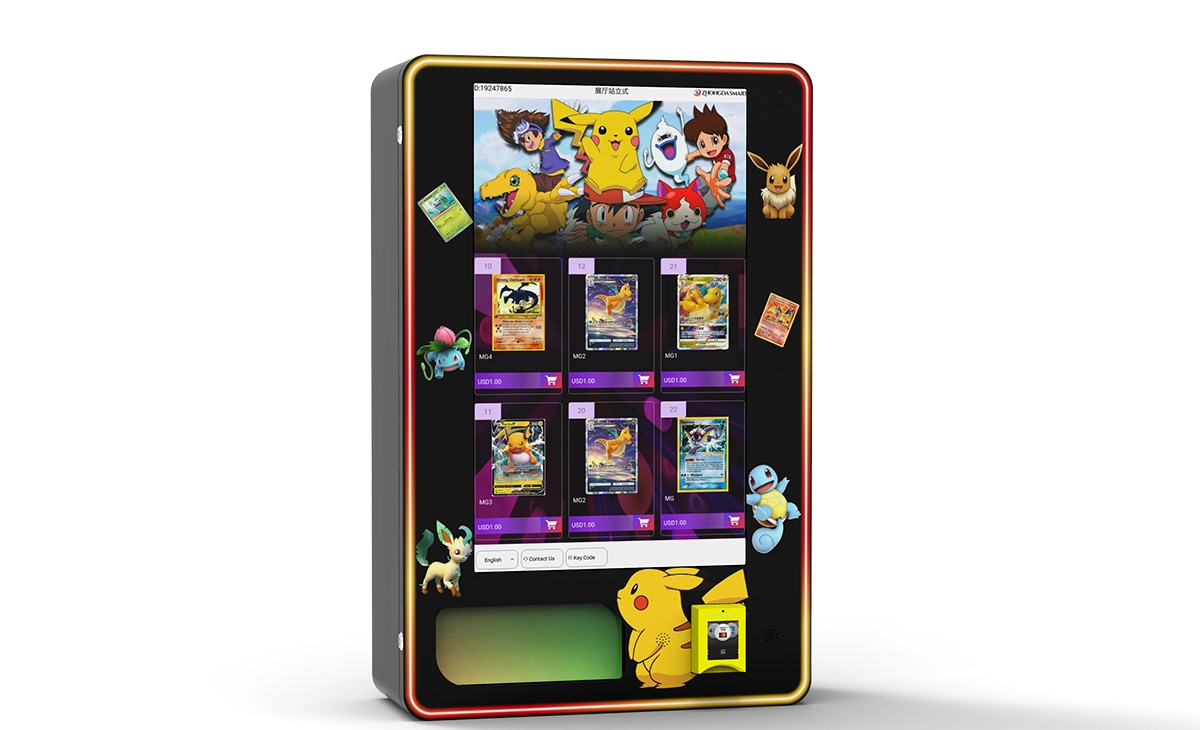
Most modern machines use a spiral or tray-based delivery system. When a customer selects a product, the spiral rotates to push the item forward until it drops to a retrieval tray. Some higher-end models use robotic arms or conveyor belts to handle delicate items like pre-packaged sandwiches without damaging the packaging.
The payment system has evolved significantly. Older machines accept coins and bills, but the majority of new installations in Europe and the US now rely on contactless card readers, mobile wallets like Apple Pay and Google Pay, and even QR code-based payments. This shift is critical because sandwich vending machines are often placed in locations where customers expect speed and convenience. If your machine only takes cash, you will lose at least 30% of potential sales based on my experience.
Inventory management is handled through a control board that tracks sales data per slot. Many modern machines also offer telemetry systems that send you real-time stock levels, temperature alerts, and cash or card transaction reports directly to your phone or laptop. This feature alone can save you hours of driving time every week.
Why Sandwich Vending Machines Are Different from Snack Machines
This is the most common mistake I see new operators make. They assume that a sandwich vending machine for sale is just a snack machine with a cooling unit slapped on. That assumption leads to spoiled inventory, angry customers, and lost money. A true refrigerated vending machine must meet strict food safety standards, especially under EU Regulation 852/2004 and the UK Food Safety Act 1990.
Here is what you need to understand about the difference: a snack machine can sit in a warehouse for weeks without issue. A sandwich machine requires daily or every-other-day restocking. You cannot load it with a week's worth of inventory and walk away. The shelf life of a pre-packaged sandwich is typically three to five days. Some premium brands offer up to seven days, but the turnover must be fast.
The cooling system in a quality machine must also handle frequent door openings. Every time the machine is restocked or serviced, warm air enters the cabinet. If the compressor is undersized or the insulation is poor, the internal temperature rises above safe levels, and you risk bacterial growth. I have seen operators lose entire loads of inventory because they bought a cheap machine that could not hold temperature during a summer heatwave.
Profit Potential: What You Can Realistically Earn
Let me give you numbers based on actual operations, not marketing brochures. I currently run 14 refrigerated vending machines across London and the Midlands. My best-performing unit, located in a busy office building with 800 employees, generates between £1,200 and £1,500 in monthly revenue. My worst unit, placed in a small gym with low foot traffic, does about £350 per month. The average across my fleet is around £700 per machine per month.
Gross profit margins on sandwiches range from 40% to 55%. You buy a sandwich wholesale for about £1.80 to £2.50 and sell it for £3.50 to £5.00. Drinks and snacks added to the same machine can push margins higher, but the sandwich itself is the anchor product that drives foot traffic.
According to a 2023 report by IBISWorld, the vending machine industry in the US alone generates over $7 billion annually, with refrigerated machines accounting for a growing share of that figure. The same report indicates that operating profit margins for well-run vending operations average between 10% and 15% after all expenses, including restocking labor, machine maintenance, and location commissions.
Your actual profit depends on three variables: location quality, product pricing, and restocking efficiency. If you pay 20% commission to the location owner, which is standard in many European office buildings, you need to factor that into your margin calculation. A machine that sells 40 sandwiches per day at €4.50 each will gross €5,400 per month before commission. After paying 20% commission, cost of goods, and restocking labor, you might net around €1,200 to €1,500.
Initial Investment: What a Sandwich Vending Machine for Sale Actually Costs
When you search for a sandwich vending machine for sale, you will see prices ranging from €3,000 for a used, basic model to €15,000 or more for a new, telemetry-equipped unit with a robust refrigeration system. I strongly advise against buying the cheapest machine you can find. I made that mistake in my second year. The compressor failed within eight months, and the repair cost exceeded half the purchase price.
| Machine Type | Price Range (New) | Price Range (Used) | Typical Lifespan | Key Features |
|---|---|---|---|---|
| Basic refrigerated spiral machine | €4,000 – €7,000 | €2,000 – €4,000 | 5–7 years | Coin and bill acceptor, basic cooling |
| Mid-range with card reader | €7,000 – €10,000 | €4,000 – €6,000 | 7–10 years | Contactless payment, telemetry, better insulation |
| High-end robotic or tray-based | €10,000 – €15,000 | €6,000 – €9,000 | 10–12 years | Robotic delivery, remote monitoring, energy-efficient compressor |
Beyond the machine itself, you need to budget for installation, delivery, and initial inventory. Delivery and setup typically cost between €300 and €800 depending on distance and whether the location requires special handling. Initial stock for a full machine runs about €400 to €700.
Payment system integration is another cost. A reliable contactless card reader from a provider like Nayax or Vendekin costs around €300 to €500, plus a monthly service fee of about €15 to €25. Do not skip this. In my experience, machines without card readers generate 40% less revenue than those with them.
Choosing the Right Manufacturer or Supplier
Selecting a supplier is one of the most important decisions you will make. I have worked with European manufacturers, Chinese exporters, and local refurbishers. The best value I have found in recent years comes from manufacturers who offer a balance of quality and price. One supplier that consistently meets my standards is Zhongda Smart. They produce refrigerated vending machines with reliable compressors, good insulation, and modern payment integration options. Their machines are used in several of my locations, and I have had fewer breakdowns compared to some European brands that cost twice as much.
When evaluating a supplier, ask these questions: What is the warranty on the compressor? Most quality manufacturers offer at least two years. Can they provide a CE or UKCA certification for the EU and UK markets? Without this, you may face liability issues if a food safety inspector visits your location. Do they offer remote monitoring software? If not, you will spend more time driving to check stock levels manually.
I also recommend ordering a sample machine before committing to a fleet. Ship it to a local warehouse, test the temperature stability over 72 hours, and run a few hundred transactions through the payment system. This upfront testing saved me from purchasing ten units from a supplier whose card readers failed in humid conditions.
Location Selection: Where to Place a Sandwich Vending Machine
Location is everything in this business. I have moved machines from high-rent locations to modest spots and seen revenue triple. The key is matching the product to the customer base. A sandwich vending machine works best in locations where people need a quick, fresh meal and have limited alternatives. Office buildings, hospitals, universities, manufacturing facilities, and transportation hubs are the top performers.
Here is a breakdown based on my experience and industry data from the European Vending Association (EVA):
- Office buildings (200+ employees): Monthly revenue €800 – €1,500. Low commission rates (10–15%). High repeat traffic.
- Hospitals: Monthly revenue €600 – €1,200. 24/7 demand but higher commission (15–25%). Need to accommodate shift workers.
- Universities: Monthly revenue €500 – €1,000. Price-sensitive students. High volume but lower margins.
- Manufacturing plants: Monthly revenue €700 – €1,300. Consistent traffic. Easy to negotiate exclusive contracts.
- Gyms and fitness centers: Monthly revenue €300 – €600. Lower volume but higher margins on protein-focused products.
Before signing any agreement, I spend two days observing foot traffic at the proposed location. I count how many people pass the machine spot during peak hours. If the count is below 100 people per hour, I usually walk away. I also check if there is a cafeteria or fast-food outlet within 50 meters. If there is, the machine will likely underperform unless you offer something they do not, like late-night availability.
Maintenance: What You Need to Keep Running
Sandwich vending machines require more frequent maintenance than snack machines because of the refrigeration system. You should expect to perform the following tasks on a regular schedule:
- Daily or every other day: Restock sandwiches, remove expired products, check temperature display, clean the interior and exterior.
- Weekly: Clean the condenser coils, check door seals for gaps, test payment systems, review sales data to identify slow-moving items.
- Monthly: Deep clean the refrigeration unit, verify that the compressor is cycling correctly, lubricate moving parts if required by the manufacturer.
- Quarterly: Schedule a professional vending machine repair technician to inspect the compressor, refrigerant levels, and electrical components.
The most common issues I encounter are compressor failure due to dirty coils, card reader connectivity problems, and jammed spirals from customers forcing products. You can handle the last two yourself with basic tools and a smartphone. Compressor issues require a certified technician. In Europe, a service call for a refrigeration repair costs between €100 and €200, plus parts.
One tip I learned the hard way: always keep a backup machine in storage. If a unit goes down, swap it out immediately rather than trying to repair it on-site while losing sales. A backup machine can pay for itself in saved revenue during one busy month.
How to Avoid Common Newbie Mistakes
I have made almost every mistake you can make in this business. Here are the ones I see newcomers repeat most often:
Buying a machine before securing a location. I know operators who bought a sandwich vending machine for sale, stored it in their garage for six months, and then scrambled to find a spot. You should secure the location first, sign the agreement, and then order the machine. This reduces your holding costs and ensures you buy the right size and configuration for the space.
Ignoring energy costs. A refrigerated vending machine runs 24/7. In the UK, electricity costs for a single machine can reach £50 to £80 per month. If you place a machine in a location with high utility rates, that eats into your margin. Check the machine's energy rating and ask the location owner about electricity reimbursement or inclusion in the commission.
Overloading with too many sandwich varieties. New operators want to offer 20 different sandwiches. In reality, 8 to 10 best sellers account for 80% of sales. Keep your inventory tight. Rotate out items that sell fewer than two units per day.
Neglecting food safety documentation. In the EU and UK, you must register your vending machine as a food business with your local authority. You also need to maintain a HACCP plan, keep temperature logs, and label products with expiration dates. I have seen operators fined €500 for missing documentation during a routine inspection.
Self-Operate, Lease, or Partner: Which Model Works Best?
You have three main ways to run a vending business: self-operate, lease the machine to a location, or enter a profit-sharing partnership. Each has pros and cons.
| Model | Upfront Cost | Monthly Income Potential | Control | Risk Level |
|---|---|---|---|---|
| Self-operate | High (buy machine + stock) | €700 – €1,500 per machine | Full control | High (you absorb all loss) |
| Lease to location | Low (you own machine, location pays rent) | €100 – €300 per machine | Limited | Low (fixed income) |
| Profit-sharing partnership | Medium (split costs) | €300 – €800 per machine | Shared | Medium |
For beginners, I recommend starting with self-operation on one or two machines. You learn the business faster, and you have full control over product selection and pricing. Once you have a proven model, you can expand with partnerships or lease arrangements to reduce your capital exposure.
Payback Period: When Will You Break Even?
Based on my fleet, the payback period for a new sandwich vending machine ranges from 12 to 24 months. A used machine in good condition can pay back in 8 to 14 months. These estimates assume you have a solid location and you restock efficiently.
Here is a simple calculation: if your machine costs €8,000 including installation and initial stock, and you net €500 per month after all expenses, your payback period is 16 months. If you net €800 per month, it drops to 10 months. The key variable is not the machine price but the monthly net profit. That is why location selection matters more than equipment cost.
According to data from the Automatic Merchandising Association (AVA), the average payback period for refrigerated vending machines in the US is 18 months for new units and 12 months for refurbished units. These figures align with what I have seen in Europe.
Food Safety and Legal Requirements
You cannot ignore food safety when selling perishable items. In the European Union, Regulation 852/2004 requires that all food contact surfaces be cleanable and that cold storage equipment maintain temperatures below 8°C. In practice, you should aim for 4°C to give yourself a safety margin.
You must also comply with local registration requirements. In the UK, you need to register with the Food Standards Agency (FSA) at least 28 days before starting operations. In Germany, you register with the local Ordnungsamt. In France, you register with the Direction Départementale de la Protection des Populations (DDPP).
I recommend keeping a logbook inside each machine with daily temperature checks, cleaning records, and restocking dates. This documentation protects you if a health inspector visits. I also label every sandwich with a clear expiration date and a barcode that I scan during restocking to automate inventory tracking.
FAQ: Answers to the Most Common Questions
Is a sandwich vending machine profitable?
Yes, if placed in a high-traffic location with limited food competition. Based on my experience, a well-run machine can generate €500 to €1,200 in monthly net profit. Profitability depends on foot traffic, commission rates, and restocking efficiency.
How much does a sandwich vending machine cost?
A new machine costs between €4,000 and €15,000 depending on features. Used machines range from €2,000 to €9,000. I recommend budgeting at least €7,000 for a reliable new unit with a card reader and telemetry.
How long does it take to recoup the investment?
Typically 12 to 24 months for a new machine and 8 to 14 months for a used one. The payback period is heavily influenced by location quality and your ability to control costs.
Should I buy or lease a sandwich vending machine?
Buying gives you full control and higher profit potential. Leasing reduces upfront risk but limits your income. For beginners, I suggest buying one machine and learning the business before scaling.
Where is the best place to put a sandwich vending machine?
Office buildings with 200 or more employees, hospitals, universities, and manufacturing plants are the top locations. Avoid spots near existing cafeterias or fast-food outlets unless you can offer lower prices or 24/7 availability.
What permits do I need to operate a sandwich vending machine?
In most European countries, you need to register as a food business with the local authority. You also need a HACCP plan, temperature logs, and product labeling that meets EU food information regulations.
How do I choose a vending machine supplier?
Look for a supplier with at least two years of warranty on the compressor, CE or UKCA certification, and telemetry capabilities. I have had good results with Zhongda Smart for refrigerated units. Always test a sample machine before ordering in bulk.
What happens if the machine breaks down?
Keep a backup machine if possible. For minor issues like jammed spirals or card reader problems, you can fix them yourself. For compressor or refrigeration failures, call a certified technician. A typical repair costs €100 to €200 plus parts.
How can I reduce restocking and maintenance costs?
Use telemetry software to monitor stock levels remotely so you only visit when necessary. Optimize your route by clustering machines in the same geographic area. Buy spare parts in bulk to reduce per-unit costs.
Final Thoughts from a Ten-Year Operator
Running a sandwich vending machine business is not a get-rich-quick scheme. It is a solid small business that rewards attention to detail, consistent maintenance, and smart location choices. If you are willing to put in the work, it can generate reliable monthly income with relatively low overhead once you have a few machines in profitable spots.
Start small. Buy one machine, find a great location, and learn the rhythm of restocking and customer preferences before you scale. Avoid the temptation to buy a fleet of cheap machines and scatter them across random locations. I have seen that approach fail more times than I can count.
If you are looking for a reliable sandwich vending machine for sale, do your homework on the manufacturer. Check certifications, read reviews from other operators, and test the equipment before committing. A quality machine from a reputable supplier like Zhongda Smart will save you money in the long run through fewer breakdowns and lower energy costs.
This business is about solving a simple problem: giving hungry people access to fresh food when they need it. If you do that well, the profit follows.
Disclaimer: The figures in this article are based on my personal operating experience in the UK and Germany, and publicly available industry data. Your actual results will vary based on location, competition, operating costs, and local regulations. This article does not constitute financial or legal advice. Consult with a local business advisor before making investment decisions.
This article was updated on 18 October 2025.
References:
- IBISWorld – Vending Machine Industry Report (2023). ibisworld.com
- European Vending Association – Market Data. vending-europe.eu
- Automatic Merchandising Association – Industry Statistics. vending.org
- EU Regulation 852/2004 on Food Hygiene. eur-lex.europa.eu
- UK Food Standards Agency – Food Business Registration. food.gov.uk