If you are looking into the best top selling vending machine items in 2026, you are likely trying to figure out whether this business still makes sense in today's market. After over a decade of running and scaling vending operations across the US and parts of Europe, I can tell you this: the game has changed significantly, but the opportunity is stronger than ever for those who understand the numbers and the locations. The days of simply stocking candy bars and sodas are fading. Today, the most profitable machines are selling healthier snacks, hot beverages, and even non-food items like electronics and personal care products. In this guide, I will walk you through exactly what sells, what it costs to start, how to pick equipment, and how to avoid the mistakes that sink most new operators.
Why the Vending Machine Business Is Still Worth Your Time in 2026
I have seen operators walk away from this industry because they thought it was dying. The reality is that traditional vending did take a hit during the pandemic, but the rebound has been sharp. According to a 2025 report from IBISWorld, the vending machine industry in the United States alone generated over $8 billion in revenue, with steady annual growth projected through 2030. The shift toward contactless payments and self-service kiosks has actually expanded the market, not shrunk it.
What has changed is the consumer expectation. People no longer want to fumble for coins or settle for stale chips. They want fresh food, healthy options, and a seamless payment experience. If you can deliver that, you can still make a solid return. I have machines in office buildings that generate $1,200 to $1,800 per month in revenue, with margins around 25 to 30 percent after product cost and location commission. That is not exceptional—it is achievable if you do the groundwork.
Understanding the Best Top Selling Vending Machine Items in 2026
What Actually Moves Off the Shelves Today
Let me be direct about what sells. In 2026, the best top selling vending machine items fall into a few clear categories. First, protein bars and meal replacement shakes continue to dominate. Brands like Quest, RXBAR, and Premier Protein are consistent performers. Second, sparkling water and functional beverages—think Celsius, Alani Nu, and flavored seltzers—have overtaken traditional sodas in many locations. Third, hot beverages like specialty coffee and tea are growing fast, especially in office and healthcare settings.
I have also seen a surprising rise in non-food items. Phone charging cables, portable power banks, earbuds, and even small first-aid kits sell well in transit hubs and hotels. These items carry higher margins, often 50 percent or more, and they do not expire. If you are looking to maximize profit per square foot, mixing food with high-margin hard goods is a smart move.
Snacks and Beverages: The Core Categories
Snacks remain the backbone of most vending operations, but the mix has shifted. In 2026, consumers are looking for better-for-you options. Baked chips, nut-based snacks, dried fruit, and organic popcorn are replacing traditional fried chips in many machines. I have found that offering at least one third of your snack slots to healthier options increases overall sales by 15 to 20 percent in office and gym locations.
Beverages are where the real volume comes from. Water is still the number one seller by unit volume in warm climates, but energy drinks and functional beverages generate higher dollar sales. If you are placing a machine in a college dorm or a 24-hour gym, expect Monster, Red Bull, and Ghost to be your top performers. In corporate settings, cold brew coffee and kombucha have carved out a loyal following.
The Rise of Fresh Food and Hot Beverage Machines
Fresh food vending is not new, but it has become more practical thanks to better refrigeration technology and longer shelf-life packaging. Wraps, salads, fruit cups, and yogurt parfaits are common in hospital and university machines. The challenge here is spoilage. You need a reliable vending machine repair network and a strict rotation schedule. I learned this the hard way when I lost $400 in expired sandwiches in my second year.
Hot beverage machines, particularly those offering espresso-based drinks, have become a staple in break rooms and lobbies. These machines require more maintenance than snack machines, but they also generate higher per-transaction revenue. A cup of coffee costing you $0.30 to $0.50 can sell for $2.00 to $3.50. The margins are excellent if you keep the machine clean and the water quality high.
Costs You Need to Know Before Buying a Machine
Equipment Costs: New vs. Used
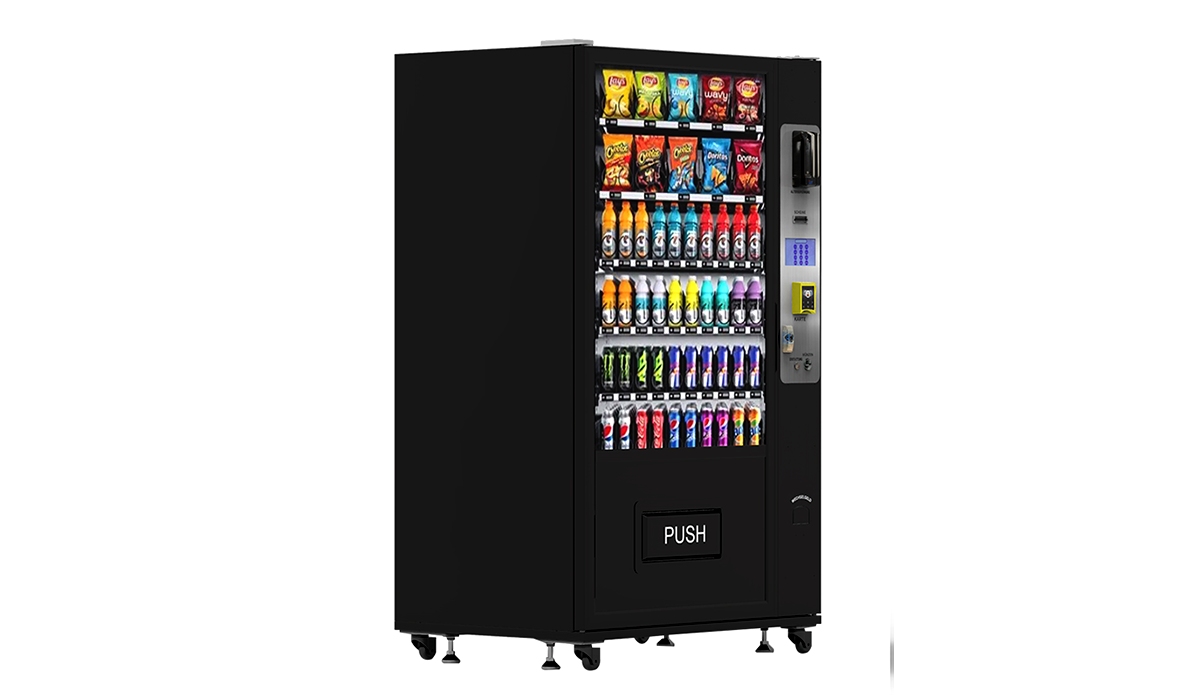
One of the first questions I get is how much a machine costs. The answer depends on the type, condition, and features. A basic used snack machine can be found for $1,500 to $3,000, but you will likely spend another $500 to $1,000 on repairs and upgrades. A new combination snack and drink machine with a credit card reader and telemetry system will run you $6,000 to $12,000. Hot beverage machines are more expensive, often $8,000 to $15,000 for a quality unit.
I generally advise against buying the cheapest used machine you can find. I have seen operators save $1,000 upfront only to spend triple that on vending machine repair calls in the first year. If you are serious about this business, invest in a machine that is less than five years old and has a reliable cooling system and a modern payment interface.
| Machine Type | New Price Range | Used Price Range | Typical Monthly Revenue |
|---|---|---|---|
| Snack Only | $3,500 – $6,000 | $1,500 – $3,000 | $400 – $800 |
| Drink Only (Canned/Bottled) | $4,000 – $7,000 | $2,000 – $4,000 | $500 – $1,000 |
| Combo Snack & Drink | $6,000 – $12,000 | $3,000 – $6,000 | $800 – $1,500 |
| Hot Beverage | $8,000 – $15,000 | $4,000 – $8,000 | $600 – $1,200 |
| Fresh Food (Refrigerated) | $7,000 – $14,000 | $3,500 – $7,000 | $700 – $1,400 |
These numbers are based on my experience and industry averages from sources like Vending Market Watch and the National Automatic Merchandising Association (NAMA). Your actual revenue will depend heavily on location, foot traffic, and product selection.
Operating Costs: What Adds Up Over Time
Beyond the machine itself, you need to account for ongoing costs. Product inventory is the biggest variable. For a typical combo machine, expect to spend $200 to $400 per restock, depending on the product mix. If you are restocking once a week, that is $800 to $1,600 per month in product cost alone.
Location commission is another factor. Some locations will ask for a flat monthly fee, others want a percentage of sales. In my experience, 10 to 20 percent of gross sales is common for high-traffic locations. You can negotiate lower if you are placing a machine in a low-competition spot.
Other costs include credit card processing fees (2.5 to 4 percent per transaction), electricity ($20 to $50 per month per machine), and maintenance. I budget about $300 to $600 per year per machine for vending machine repair and routine maintenance. If you have older machines, double that number.
How to Choose a Vending Machine Supplier or Manufacturer
Selecting the right supplier is one of the most important decisions you will make. I have worked with several manufacturers over the years, and I have learned to look for three things: reliability of the equipment, availability of spare parts, and after-sales support. A machine that breaks down frequently will kill your profit and your relationship with the location owner.
One manufacturer I have had good experience with is Zhongda Smart. They produce a range of automated retail solutions, including combination machines and hot beverage units, with modern payment systems and telemetry built in. I recommend them not because they pay me, but because their equipment has held up well in my fleet. When evaluating any supplier, ask about their warranty terms, average response time for technical support, and whether they have a local service partner in your area.
Do not buy from a supplier who cannot provide clear documentation on electrical requirements, refrigeration specifications, and payment system compatibility. I have seen operators import machines that did not meet local safety codes, which led to expensive retrofits. Always verify that the equipment is certified for your market, whether that is UL, ETL, or CE marking.
Where to Place Your Machines for Maximum Profit
High-Traffic Locations That Actually Work
Location is everything in this business. I have placed machines in what looked like perfect spots—high foot traffic, no competition—and still failed because the audience was wrong. A busy train station may look great, but if most people are rushing to catch a train and not stopping to buy, you will not move much product.
The best locations I have found are places where people have downtime and a clear need for food or drink. Office buildings with 100 or more employees, especially those without a cafeteria, are excellent. Hospitals and medical offices are also strong because staff and visitors are often stuck waiting. Gyms and fitness centers work well for water, protein shakes, and healthy snacks. Schools and universities can be profitable, but you need to check if they have exclusive contracts with a larger provider.
How I Evaluate a Potential Location
Before I commit to a location, I do a simple evaluation. I count the number of potential customers during peak hours. I look at what other food options are nearby. I talk to the facility manager about employee or visitor count. I also ask about cleaning schedules and security, because a machine in a poorly lit area will get vandalized.
I also negotiate a trial period. Most location owners will agree to a 30 to 60 day trial. If the machine does not hit a minimum revenue target, I have the right to move it. This protects you from being stuck in a bad spot. In my early years, I signed a three-year lease for a location that turned out to be a dead zone. I lost money every month and could not get out of the contract. Learn from my mistake.
Payment Systems and Telemetry: Non-Negotiable in 2026
If your machine only takes cash, you are leaving money on the table. In 2026, most transactions are cashless. According to a Statista survey from 2025, over 70 percent of vending machine purchases in the US were made using a credit card, debit card, or mobile payment. Machines without card readers simply do not get used as often.
Telemetry, or remote monitoring, is equally important. A system that tells you when a machine is low on a product, when the temperature is off, or when a payment issue arises will save you hours of driving time and prevent lost sales. I use telemetry on all my machines, and it has reduced my service visits by about 40 percent. The upfront cost is around $200 to $400 per machine, plus a monthly fee of $15 to $30, but it pays for itself within a few months.
Vending Machine Repair and Maintenance: What You Need to Know
No matter how good your equipment is, things will break. The most common issues I have dealt with are jammed vending mechanisms, failed cooling systems, and payment terminal errors. If you are handy with basic tools, you can handle some repairs yourself. But for complex issues, you need a reliable vending machine repair technician.
I recommend building a relationship with a local repair service before you even buy your first machine. Ask other operators in your area who they use. Check online reviews. A good technician can diagnose a problem over the phone and arrive with the right parts, saving you days of downtime. I have a repair service that charges $85 per hour plus parts, and they respond within 24 hours. That is reasonable for most markets.
Preventive maintenance is also critical. Clean the machine interior and exterior monthly. Check the refrigeration system for dust buildup on the condenser coils. Lubricate moving parts as recommended by the manufacturer. A well-maintained machine can last 10 to 15 years. A neglected one will fail in three.
Common Mistakes New Operators Make
I have made almost every mistake in the book, and I have watched others make them too. Here are the ones that hurt the most.
First, buying too many machines too quickly. Starting with one machine lets you learn the ropes without bleeding cash. I started with two, and that was almost too many. Second, ignoring product rotation. Stale products do not sell, and they create a bad reputation. Third, choosing a bad location because you were desperate to place a machine. It is better to wait for the right spot than to lock yourself into a loser.
Fourth, underestimating the time commitment. Even with telemetry, you will spend several hours per week per machine on restocking, cleaning, and handling issues. If you think this is a passive income business, you will be disappointed. Fifth, not negotiating commissions properly. I have seen operators give away 30 percent of their revenue because they did not know they could negotiate down to 15 or 20 percent.
How to Calculate Return on Investment and Payback Period
Let me walk you through a realistic example. Suppose you buy a new combo machine for $8,000. You place it in an office building with 150 employees. Based on my experience, that location might generate $1,000 per month in gross sales. Your product cost is about $400, location commission is $150, and other costs like payment processing, electricity, and maintenance average $100 per month. That leaves you with $350 per month in net profit.
At that rate, your payback period is about 23 months. That is reasonable for this industry. If you find a better location, say a busy hospital with 24-hour traffic, your monthly gross could be $1,800, and your payback could drop to 12 to 14 months. If you buy a used machine for $3,000, your payback could be even faster, but you risk higher repair costs.
I always recommend calculating your payback period before buying any machine. If it is longer than 24 months, the location or the equipment is not good enough. Walk away and look for a better opportunity.
Self-Service Kiosks and Automated Retail Trends in 2026
The line between traditional vending machines and self-service kiosks is blurring. More operators are adopting automated retail solutions that offer a wider range of products, including electronics, cosmetics, and even over-the-counter medications. These kiosks often have larger touchscreens, more advanced payment systems, and better inventory management.
I have seen self-service kiosks in airports selling headphones and travel accessories at margins of 60 to 70 percent. The challenge is that these machines are more expensive, often $15,000 to $25,000, and they require more technical support. But for the right location, they can be extremely profitable. If you are considering this route, make sure you understand the maintenance requirements and have a backup plan for technical failures.
How to Avoid Getting Scammed When Buying Equipment
The vending machine industry has its share of bad actors. I have seen suppliers sell refurbished machines as new, charge for features that do not work, or disappear after the sale. To protect yourself, always buy from a reputable supplier with a physical address and a track record. Ask for references from other operators. Check online forums and review sites.
If you are buying from overseas, be extra cautious. I have imported machines from China that were perfectly fine, and others that were poorly built and impossible to repair. Zhongda Smart is one of the few overseas manufacturers I trust because they provide clear documentation, responsive support, and machines that meet international standards. But even with them, I recommend ordering a sample unit first before committing to a larger purchase.
Legal Requirements and Permits
Depending on where you operate, you may need a business license, a seller's permit, and a health department permit, especially if you are selling fresh food. In the US, requirements vary by state and city. In the EU, you need to comply with food safety regulations and possibly register with local authorities. I recommend checking with your local chamber of commerce or a business attorney before you start.
One thing that catches new operators off guard is sales tax. In many jurisdictions, you are responsible for collecting and remitting sales tax on vending machine sales. The rates and rules differ, so keep accurate records. I use accounting software that tracks sales by location and generates tax reports automatically. It saves me hours of headache during tax season.
Frequently Asked Questions
Are vending machines profitable in 2026?
Yes, they can be profitable if you choose the right location and product mix. Based on my experience, a well-placed machine can generate $300 to $800 per month in net profit. Your mileage will vary depending on foot traffic, commission rates, and operating costs.
How much does a vending machine cost?
A new machine costs between $3,500 and $15,000 depending on the type and features. Used machines can be found for $1,500 to $6,000, but they may require repairs. Always factor in the cost of a payment system and telemetry.
How long does it take to break even?
Most operators break even in 12 to 24 months. The payback period depends on the machine cost, location revenue, and operating expenses. I have seen payback as fast as 10 months in exceptional locations and as slow as 30 months in poor ones.
Should I buy a new or used vending machine?
If you are new, I recommend buying a newer used machine from a reputable dealer. Avoid the cheapest options, as they often come with high repair costs. If you have the budget and want reliability, a new machine with a warranty is worth the investment.
Where is the best place to put a vending machine?
Office buildings, hospitals, gyms, schools, and transportation hubs are generally good locations. Look for places with high foot traffic and limited food options. Always negotiate a trial period before committing to a long-term contract.
Do I need a permit to operate a vending machine?
Yes, in most areas you need a business license and possibly a health permit. Check with your local government for specific requirements. Failure to obtain the proper permits can result in fines or removal of your machine.
How do I choose a vending machine supplier?
Look for a supplier with a good reputation, clear warranty terms, and available spare parts. Ask for references and check online reviews. Zhongda Smart is a reliable option for modern machines with good support, but always do your own due diligence.
What happens if my machine breaks down?
You need a plan for repairs. Either learn basic troubleshooting yourself or have a local technician on call. Telemetry systems can alert you to problems early, reducing downtime. Budget for vending machine repair costs of $300 to $600 per year per machine.
How can I reduce restocking and maintenance costs?
Use telemetry to monitor inventory levels and avoid unnecessary trips. Standardize your product mix across machines to simplify ordering. Perform regular cleaning and preventive maintenance to reduce breakdowns. Negotiate bulk pricing with product distributors.
Can I run a vending machine business part-time?
Yes, many operators start part-time with one or two machines. However, you still need to commit several hours per week to restocking, cleaning, and handling issues. As your fleet grows, you may need to hire help or go full-time.
Final Thoughts from a Veteran Operator
This business is not a get-rich-quick scheme. It requires attention to detail, a willingness to learn from failures, and a realistic understanding of costs and timelines. But if you approach it with the right mindset, it can provide a steady income stream and even grow into a substantial operation over time.
Focus on finding good locations, buying reliable equipment, and keeping your machines clean and well-stocked. The best top selling vending machine items in 2026 are not a mystery—they are the products that meet real needs in convenient, accessible ways. Pay attention to what your customers buy, adjust your inventory accordingly, and do not be afraid to move a machine if it is not performing.
I have seen operators succeed with a single machine and others fail with twenty. The difference usually comes down to how well they understood their numbers and how disciplined they were about execution. If you take the time to learn the fundamentals, you can build a business that lasts.
本文更新于 2026 年 2 月。数据和行业趋势基于截至 2026 年初的可用信息。实际结果可能因市场条件、地点和运营效率而异。本文不构成财务建议。在做出投资决策之前,请咨询合格的专业人士。