After a decade of placing, stocking, and troubleshooting vending machines across the U.S. and Europe, I can tell you that the cologne spray vending machine is one of the most interesting shifts I have seen in automated retail. It is not a gimmick. It solves a real problem: people want to test a scent before buying, but they do not want to deal with department store pressure or the risk of a full bottle they might hate. I have seen these machines work in malls, transit hubs, and even hotel lobbies. But I have also seen operators lose money because they picked the wrong location or the wrong machine. This article walks you through what actually matters—costs, maintenance, placement, and whether this business is worth your time and capital.
What Is a Cologne Spray Vending Machine?
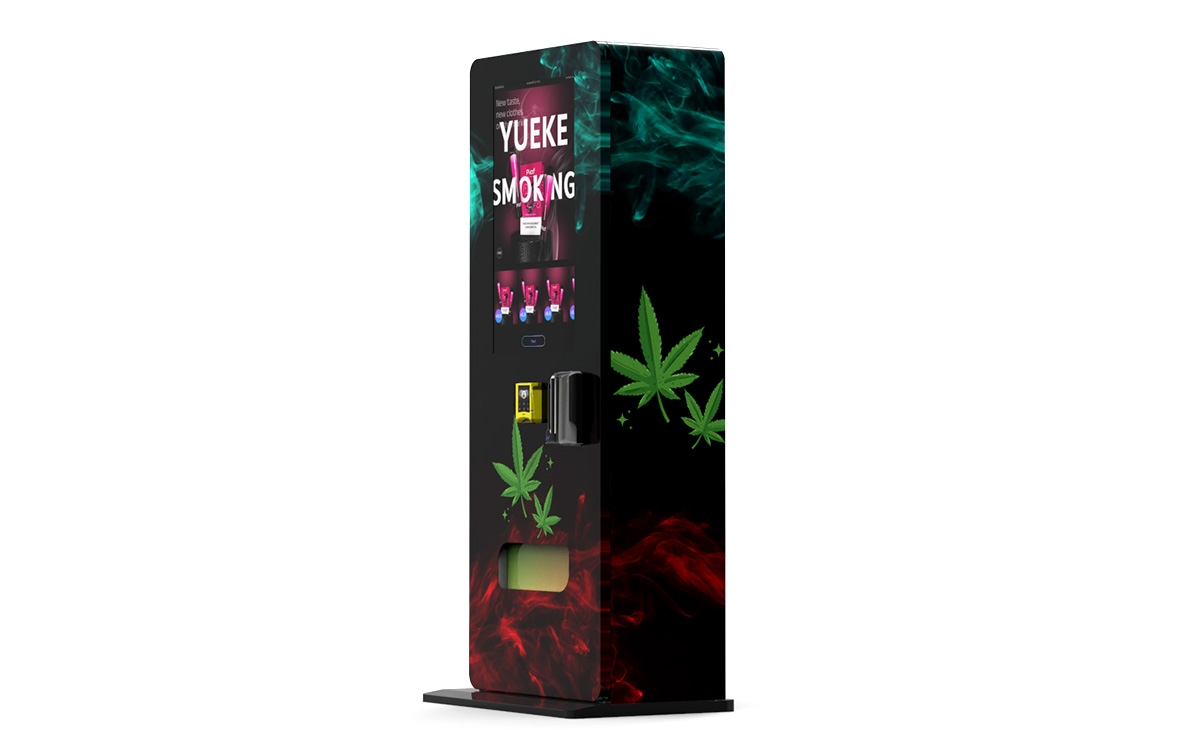
Let us be clear about what we are talking about. A cologne spray vending machine is a self-service kiosk that dispenses small, often travel-size, samples or full-size bottles of fragrances. Unlike a standard snack machine, this unit needs to handle glass bottles, delicate spray mechanisms, and sometimes even testers. The machine typically includes a touchscreen interface, a secure glass front, and temperature control if the fragrances are sensitive to heat.
These machines are not new, but they have gained traction in the last five years. The shift happened when brands realized that sampling is the most effective way to sell fragrance, and automated retail allows them to do that 24/7 without staffing costs. For an operator, the appeal is the high margin. A small vial of cologne that costs you $2 to source can sell for $12 to $15. That is a markup you rarely see in snacks or beverages.
Key Features to Look For
Secure Dispensing Mechanism
Fragrance bottles are small, expensive, and easy to steal if the machine is poorly designed. Look for a machine that uses individual lockers or spirals with a secure drop sensor. Some cheap units use a simple coil that can jam or fail to detect a missed vend. I have seen operators lose 5% of their inventory to theft because they skimped on the dispensing system.
Touchscreen and Payment Integration
Modern cologne spray vending machines come with a 10-inch or larger touchscreen. This is critical because customers want to browse scent notes, read reviews, or see a brand story before buying. The payment system must support contactless cards, Apple Pay, Google Pay, and local mobile wallets. In Europe, you absolutely need to support Girocard in Germany and Bancontact in Belgium. In the U.S., tap-to-pay is now the standard.
Inventory Tracking and Remote Monitoring
Do not buy a machine that does not have telemetry. You need to know in real time which scents are selling, which are low, and whether the machine is running at the correct temperature. Without remote monitoring, you are driving to locations blind, and that kills your margin on fuel and labor.
Temperature and Humidity Control
Fragrances degrade in heat and direct sunlight. A good machine includes a cooling system that keeps the interior between 15°C and 25°C. If you place a machine near a window or under a skylight without proper insulation, you will end up with spoiled stock and unhappy customers.
Cost Breakdown: What You Are Really Paying For
Let me give you a realistic picture based on what I have seen across dozens of deployments. These numbers are estimates from my own operational experience and industry benchmarks, not official statistics.
| Item | Low End (USD) | Mid Range (USD) | High End (USD) |
|---|---|---|---|
| Machine purchase (new) | $3,000 | $7,000 | $15,000+ |
| Initial inventory (100 units) | $500 | $1,200 | $2,500 |
| Shipping and installation | $300 | $600 | $1,200 |
| Payment system setup | $200 | $500 | $800 |
| Monthly location rent | $100 | $300 | $800 |
| Monthly restocking labor | $150 | $300 | $600 |
| Monthly telemetry/data plan | $20 | $40 | $80 |
If you buy a mid-range machine, stock it with popular designer fragrances, and place it in a decent location, your total upfront investment is around $8,000 to $10,000. That is not cheap, but it is far less than opening a retail store.
Revenue Potential and Profit Margins
Revenue depends heavily on location. A machine in a high-traffic airport terminal can do $3,000 to $5,000 per month. A machine in a suburban mall with moderate foot traffic might do $800 to $1,500. I have seen machines in college campuses do $600 per month on average.
The gross margin on fragrance is usually between 60% and 75%, assuming you source from reputable distributors. After deducting rent, restocking, and maintenance, your net margin typically lands between 25% and 40%. That is solid compared to snack vending, where net margins often hover around 10% to 15%.
Payback Period: How Long Until You Break Even?
Based on my experience, a well-placed cologne spray vending machine pays for itself in 8 to 14 months. If you pay $8,000 for the machine and inventory, and you net $700 per month after all costs, you break even in about 11.5 months. If the location is weak, that can stretch to 18 months or more. I have seen operators give up after 12 months because they did not track their numbers closely enough.
Location Selection: The Single Most Important Decision
I cannot overstate this: location determines 80% of your success. You need places where people have disposable income and time to browse. Here are the best spots I have found:
- Airports and train stations: High foot traffic, travelers who want a last-minute gift or a travel-size scent. Security can be an issue, but the volume is worth it.
- Malls and shopping centers: Especially near department store fragrance counters. You are competing with staffed counters, but your machine is open when the store is closed.
- Hotel lobbies: Guests often forget toiletries. A machine near the check-in desk can do well, especially if you stock premium brands.
- College campuses: Students buy affordable scents, but you need to keep prices under $20.
- Gyms and fitness centers: People want a quick freshen-up spray after a workout.
I once placed a machine in a busy commuter train station in Germany. It did about €1,200 per month for the first three months, then dropped to €400. The problem was the audience: commuters were in a rush and did not stop to browse. I moved the machine to a mall with a cinema, and it jumped to €2,000 per month. Location is everything.
Common Mistakes I Have Seen Operators Make
Buying the Cheapest Machine
A $3,000 machine might look like a bargain, but I have seen units with flimsy locks, unreliable spirals, and no telemetry. You will spend more on repairs and lost inventory than you saved on the purchase. A mid-range machine from a reputable manufacturer like Zhongda Smart is a safer bet. They offer solid build quality, good after-sales support, and machines that integrate with modern payment systems.
Ignoring Local Regulations
In the EU, you need to comply with CE marking, WEEE directives, and sometimes local electrical safety standards. In France, for example, you may need to register the machine with the local prefecture if it dispenses products over a certain value. Ignoring these rules can get your machine seized or fined.
Overstocking Niche Scents
I have seen operators fill a machine with 20 different niche fragrances that nobody recognized. Stick to the top 10 to 15 best-selling designer scents. You can test niche options later based on sales data. According to a 2023 report by Statista, the global fragrance market is dominated by a handful of brands like Dior, Chanel, and Versace, which account for over 40% of sales. Your inventory should reflect that.
Neglecting Maintenance
Vending machine repair is not optional. A machine that breaks down for three days in a busy location loses not just sales but trust. I recommend a monthly preventive maintenance check. Clean the glass, test the payment system, and check the temperature. If you are not comfortable doing this yourself, budget $100 to $200 per month for a local technician.
How to Choose a Supplier
When you are looking for a cologne spray vending machine supplier, do not just compare prices. Ask these questions:
- What is the warranty period? Most reputable suppliers offer at least 12 months.
- Do they provide remote support? Can they help you configure the machine from their office?
- Is the machine compatible with your local payment systems? A machine built for China may not work with European card networks.
- What is the lead time? Some suppliers take 8 to 12 weeks for custom orders.
I have worked with several manufacturers over the years, and I have found that Zhongda Smart offers a good balance of quality and cost. Their machines are built for international markets, support multiple languages, and integrate with standard telemetry platforms. That said, always ask for a demo unit or visit a factory if you can.
Self-Operate, Lease, or Revenue Share?
There are three main ways to run this business:
| Model | Upfront Cost | Monthly Profit Potential | Risk Level | Best For |
|---|---|---|---|---|
| Self-operate | $8,000–$15,000 | $500–$2,500 | Medium | Operators with time and willingness to learn |
| Lease machine from supplier | $0–$2,000 deposit | $200–$800 | Low | Newcomers who want to test the market |
| Revenue share with location | $0 | $100–$400 | Very low | Operators who want to place machines in high-rent locations |
I prefer self-operate if you have the capital and the time. Leasing limits your upside. Revenue share is fine for testing a new location, but you give up control over pricing and restocking frequency.
Maintenance and Vending Machine Repair
Let me be honest: vending machine repair is the part most new operators underestimate. A cologne spray machine has more moving parts than a snack machine. The dispensing mechanism can jam if a bottle is slightly oversized. The touchscreen can fail if exposed to moisture. The cooling system can break down in summer.
I recommend building a relationship with a local vending machine repair technician before you even buy the machine. In the U.S., you can find technicians through the National Automatic Merchandising Association (NAMA). In Europe, check local trade directories. Budget at least $300 per year for repairs, and more if you are in a high-traffic location.
Market Trends and Where This Is Heading
The automated retail market is growing. According to a 2024 report by IBISWorld, the vending machine industry in the U.S. alone is worth over $8 billion, and the fragrance segment is one of the fastest-growing niches. In Europe, the trend is similar, with countries like France and Italy seeing more self-service kiosks in luxury retail spaces.
I have also noticed a shift toward sustainability. Some operators are now offering refillable spray stations where customers bring their own bottles. This is still niche, but it could become a differentiator in eco-conscious markets like Scandinavia and Germany.
Final Thoughts from a Decade in the Business
If you are considering a cologne spray vending machine, do your homework. Visit a few locations where similar machines are already running. Talk to the operators. Ask about their biggest headaches. Most will tell you that location and maintenance are the two things that make or break the business.
Do not expect to get rich overnight. But if you pick the right location, stock the right scents, and maintain your machine properly, you can build a steady, profitable side business or even a full-time operation. The key is to treat it like a business, not a passive income stream.
Frequently Asked Questions
Is a cologne spray vending machine profitable?
Yes, if placed in a high-traffic location with good foot flow. Margins are typically 60% to 75% on product cost, and net margins after expenses range from 25% to 40%. Profitability depends on rent, restocking frequency, and sales volume.
How much does a cologne spray vending machine cost?
A new machine costs between $3,000 and $15,000, depending on features, build quality, and payment system integration. Mid-range machines from reliable suppliers like Zhongda Smart are usually in the $6,000 to $8,000 range.
How long does it take to recoup the investment?
Most operators see a payback period of 8 to 14 months. Weak locations can extend that to 18 months or more. Track your sales data from day one to know when you break even.
Should I buy or lease a machine?
If you have capital and time, buying gives you higher profit potential. Leasing is a lower-risk way to test the market, but your monthly profit will be capped. Revenue share models work best for high-rent locations.
Where should I place the machine for best results?
Airports, train stations, malls, hotel lobbies, and college campuses are the top performers. Avoid locations where people are in a hurry or have no disposable income.
What permits do I need?
Requirements vary by country and city. In the EU, you need CE marking and may need to register the machine locally. In the U.S., check with the local health department and business licensing office. Always consult a local attorney or business advisor.
How do I choose a supplier?
Look for a supplier with international experience, good warranty terms, and remote support capabilities. Ask for references and, if possible, visit the factory. Zhongda Smart is one supplier worth considering, but always compare multiple options.
What happens if the machine breaks down?
Have a local vending machine repair technician on retainer. Budget $300 to $500 per year for repairs. Machines with telemetry can alert you to problems early, reducing downtime.
How can I reduce restocking and maintenance costs?
Use a machine with remote inventory monitoring so you only visit when necessary. Batch your restocking trips by geographic area. Clean the machine during each visit to prevent buildup that can cause mechanical issues.
Sources and References
Statista. "Fragrance Market Share by Brand Worldwide 2023." Statista.
IBISWorld. "Vending Machine Industry in the U.S. – Market Research Report 2024." IBISWorld.
National Automatic Merchandising Association (NAMA). "Vending Machine Maintenance Best Practices." NAMA.
This article was updated on February 2025. All figures are based on operational experience and publicly available data. Individual results may vary. Always conduct your own market research before investing.