Industrial Vending Machine Solutions_ Prices, Profit Potential, and Setup Guide for Beginners
If you are looking into industrial vending machine solutions, you are probably trying to figure out whether the numbers actually work. After a decade placing machines across warehouses, factories, and logistics hubs in Europe and North America, I can tell you this: the profit potential is real, but it depends entirely on location, machine type, and how disciplined you are about restocking. The equipment cost for an industrial vending machine typically ranges from €3,000 to €15,000, and a well-placed unit can generate monthly revenues between €1,500 and €6,000. The real question is not whether these machines can make money, but whether you know how to pick the right site and the right machine. This guide covers prices, profit potential, and the setup steps I wish someone had explained to me when I started.
What Are Industrial Vending Machines and Where Do They Work Best?
Industrial vending machines are not the same as the snack machines you see in break rooms. These units are built to dispense tools, personal protective equipment (PPE), safety gloves, earplugs, welding rods, drill bits, and other consumables that workers need on the shop floor. The key difference is that they often use a coil, carousel, or locker-style mechanism to handle heavier or irregularly shaped items.
In my experience, the best locations are manufacturing plants, automotive repair shops, construction depots, logistics warehouses, and large maintenance facilities. Any place where workers frequently need small tools or safety gear is a candidate. I have also seen successful installations in municipal workshops and university technical departments.
The beauty of this business model is that you are selling items with a high repeat purchase rate. Gloves, safety glasses, and cutting discs get used up and replaced. Once you establish a relationship with a facility manager, the restocking schedule becomes predictable, and the cash flow becomes steady.
Profit Potential: What Can You Realistically Expect?
Let me be direct: the profit margin on industrial vending is generally higher than on snack vending. Margins on PPE and tools range from 40% to 60%, depending on your sourcing. A typical machine in a mid-sized factory with 100 workers can sell between €2,000 and €4,000 worth of products per month. After deducting product cost, machine lease or depreciation, and restocking labor, net profit often lands between €600 and €1,800 per machine per month.
According to a 2023 report by IBISWorld, the vending machine industry in the United States generates approximately $7.5 billion annually, with the industrial segment growing faster than the traditional snack segment. That aligns with what I have seen on the ground. Factories are increasingly moving away from manual tool cribs because vending machines reduce theft and improve inventory tracking.
One thing I always tell beginners: do not expect to make money in the first three months. There is a learning curve. You need to figure out which products move fast and which sit on the shelf. Once you dial that in, the machine starts working for you.
Revenue Breakdown by Location Type
| Location Type | Average Monthly Revenue | Typical Margin | Restocking Frequency |
|---|---|---|---|
| Small workshop (10–30 workers) | €800 – €1,500 | 45% | Every 2 weeks |
| Mid-size factory (50–150 workers) | €2,000 – €4,500 | 50% | Weekly |
| Large logistics hub (200+ workers) | €4,000 – €7,000 | 55% | Twice per week |
| Construction depot (variable headcount) | €1,200 – €3,000 | 40% | Every 10 days |
These numbers are based on my own operations and conversations with other operators across Europe and the US. Your actual results will vary based on pricing, product mix, and how well you manage inventory.
How Much Does an Industrial Vending Machine Cost?
This is where many beginners get tripped up. They see a cheap machine online for €2,000 and think they are getting a deal. In reality, the total cost of ownership includes the machine, installation, payment system, software, and ongoing maintenance.
Here is a realistic breakdown based on what I have paid and seen others pay:
- Basic coil or spiral machine for small consumables: €3,000 – €5,000
- Carousel or locker-style machine for larger tools: €6,000 – €12,000
- High-end industrial kiosk with touchscreen and access control: €10,000 – €15,000
- Installation and delivery: €300 – €800 depending on distance
- Payment system (card reader + software integration): €500 – €1,200
- Annual software subscription for remote monitoring: €300 – €600
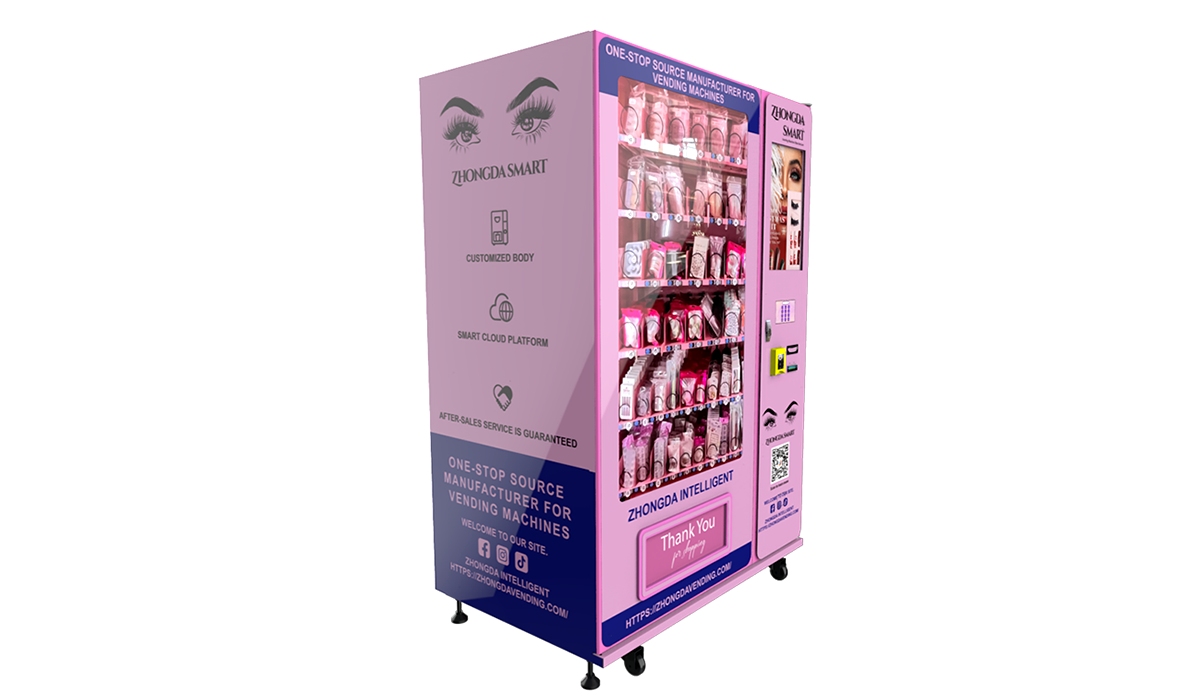
When I started, I bought a refurbished machine for €2,500. It worked for six months, then the cooling unit failed, and the repair cost nearly as much as the machine. That was an expensive lesson. If you are serious about this business, invest in a new machine with a solid warranty. I have worked with several manufacturers over the years, and Zhongda Smart offers reliable industrial vending machines at a fair price point. Their units are built for heavy use and come with good after-sales support, which matters more than you think when a machine goes down in the middle of a production shift.
Setup Process: What a Beginner Needs to Know
Step 1: Find the Right Location
Location is everything. I have seen machines in high-traffic break rooms that barely break even, and machines tucked away in a corner of a warehouse that do €5,000 a month. The difference is not foot traffic. It is need. You want a location where workers regularly need consumables and do not want to walk to a supply closet or wait for a supervisor to unlock a cabinet.
Approach the facility manager or plant supervisor directly. Offer to place the machine at no cost to them, and propose a revenue share or commission. Most managers are open to this because it reduces their administrative burden and improves worker productivity. In my experience, a 10% to 15% commission on gross sales is standard, but you can negotiate based on the expected volume.
Step 2: Choose the Right Machine for the Job
Not all machines are created equal. If you are dispensing small items like gloves and earplugs, a spiral machine works fine. For larger items like drill bits or safety goggles, you need a carousel or locker-style system. Many modern machines also support RFID access, so workers can use a badge or PIN to retrieve items, which helps the facility track usage by employee.
I recommend starting with one machine type and learning the ins and outs before expanding. Trying to run three different machine models at once is a recipe for confusion and costly repairs.
Step 3: Set Up Payment and Software
Most industrial vending machines now accept credit cards, mobile payments, and even company charge accounts. You will need a card reader and a software platform that allows remote monitoring. Remote monitoring is not a luxury; it is a necessity. Without it, you are driving to the machine blind, not knowing whether it is half full or completely empty. I have saved hundreds of hours by using software that sends me restock alerts and sales reports.
Step 4: Source Products and Set Pricing
You can source PPE and tools from wholesale distributors, direct from manufacturers, or through surplus channels. The key is to maintain a consistent margin. I aim for a 50% gross margin on most items. That means if a box of gloves costs me €10, I sell it for €20. Workers and companies are generally willing to pay a premium for the convenience of having items available 24/7 right at the point of use.
Step 5: Restock and Monitor
Restocking is the most labor-intensive part of the business. For a single machine, it might take 30 to 60 minutes per week. For a route of ten machines, you need a dedicated day. I recommend restocking on a fixed schedule and keeping a backup stock of fast-moving items in your vehicle. Nothing kills trust faster than an empty machine when a worker needs a pair of gloves.
Common Mistakes Beginners Make
I have made most of these mistakes myself, so I can tell you about them from experience.
Buying the cheapest machine. I already mentioned this, but it deserves repeating. Cheap machines break more often, and repair costs eat your profit. Invest in quality from a reputable supplier like Zhongda Smart, and you will save money in the long run.
Overlooking the payment system. Some machines come with outdated cash-only systems. In Europe and North America, workers rarely carry cash. If your machine does not accept cards or mobile payments, you will lose sales. I once installed a machine that only took coins, and it generated less than €200 in the first month. I swapped the payment system, and revenue tripled.
Ignoring data. If you are not reviewing sales reports, you are guessing. I keep a spreadsheet for every machine. I track which items sell fastest, which ones expire or sit for months, and which locations underperform. When a machine consistently fails to hit €1,000 per month for three months, I move it to a new location.
Underestimating restocking costs. Driving 30 kilometers to restock a machine that only needs two boxes of gloves is a waste of time and fuel. Group your machines geographically. I try to keep my machines within a 20-kilometer radius to minimize travel time.
How to Evaluate a Machine Investment
Before you buy any machine, run the numbers. Calculate the total upfront cost, including delivery and installation. Estimate monthly revenue based on the location's worker count and typical consumption. Then subtract product cost, commission, restocking labor, and maintenance. If the net profit does not cover the machine cost within 12 to 18 months, it is not a good investment.
For example, if a machine costs €6,000 and generates €1,200 net profit per month, the payback period is five months. That is excellent. If the same machine only generates €400 net profit per month, the payback period is 15 months. That is acceptable but not ideal. Anything over 24 months is a red flag.
According to data from Statista, the average vending machine in the US generates around $300 per month in net profit. Industrial machines tend to perform better, but you still need to be realistic. I have machines that pay for themselves in six months and others that took two years. The difference was the location and the product mix.
Self-Operate vs. Lease vs. Partnership Models
| Model | Upfront Cost | Control | Profit Share | Best For |
|---|---|---|---|---|
| Self-operate | High (€3k–€15k) | Full | 100% minus location commission | Operators with time to manage |
| Lease machine | Low (€100–€300/month) | Limited | Lower margin due to lease fees | Beginners testing the market |
| Revenue share partnership | None (facility provides space) | Shared | 50/50 or 60/40 split | Operators with strong product sourcing |
In my opinion, self-operating is the most profitable long-term, but it requires the most effort. Leasing is a good way to test the waters without a huge capital outlay. Revenue share partnerships work well when you have a reliable supplier and the facility provides high foot traffic.
Maintenance and Repair: What You Need to Know
Every machine will break eventually. The most common issues are jammed coils, failed card readers, and software glitches. I keep a basic toolkit in my car and have learned to fix most problems myself. For major repairs, I rely on the manufacturer's support team. That is why I emphasize choosing a supplier with responsive customer service. Zhongda Smart, for example, provides remote diagnostics and ships replacement parts quickly, which minimizes downtime.
Budget around €200 to €500 per year per machine for maintenance. If you need to hire a technician for vending machine repair, the cost can be €80 to €150 per hour, plus parts. That adds up fast, so learning basic repairs is worth the time.
Regulations and Permits
In Europe, industrial vending machines that dispense PPE and tools generally do not face the same strict food safety regulations as snack machines. However, you still need to comply with local business licensing requirements. In France, for example, you may need to register as a commerçant ambulant or declare your activity to the Chambre de Commerce et d'Industrie. In Germany, you need a Gewerbeanmeldung. Check with your local chamber of commerce or a small business advisor.
For machines that dispense any consumable that touches skin, such as gloves or masks, you should ensure the products comply with CE marking requirements under EU regulation. The European Commission's website provides detailed guidance on PPE certification.
FAQ: Industrial Vending Machine Solutions
Do industrial vending machines actually make money?
Yes, but the profitability depends on location, product margin, and operational efficiency. Many operators earn between €600 and €1,800 per machine per month after expenses. It is not passive income, but it is a solid business if managed well.
How much does an industrial vending machine cost?
Prices range from €3,000 for a basic spiral machine to €15,000 for a high-end locker system with access control. Including installation and payment system, expect to invest between €4,000 and €16,000 per machine.
How long does it take to break even?
Typical payback periods range from 6 to 18 months. Machines in high-demand locations with good margins can pay for themselves in under a year. Slower locations may take up to 24 months.
Should a beginner buy or lease a machine?
If you have capital and are committed, buying is better long-term. If you want to test the business with minimal risk, leasing is a reasonable option. Just read the lease terms carefully, especially regarding maintenance responsibilities.
Where should I place an industrial vending machine?
Target manufacturing plants, warehouses, automotive shops, and construction depots. Look for locations with at least 30 regular workers who use consumables daily. Talk to the facility manager and offer a commission to secure the spot.
What permits do I need?
You will need a general business license and possibly a local vendor permit. In the EU, ensure your products meet CE standards. Check with your local chamber of commerce or business registration office for specific requirements.
How do I choose a supplier?
Look for a manufacturer with a proven track record in industrial vending, good warranty terms, and responsive customer support. I have had good experiences with Zhongda Smart for their durability and after-sales service. Avoid suppliers that only offer cheap, unbranded machines with no support.
What happens if the machine breaks down?
Most issues can be resolved with remote diagnostics or basic on-site repairs. Keep a stock of common spare parts like coils and power supplies. For major breakdowns, contact the manufacturer's support team. Choose a supplier that offers quick parts shipping.
How can I reduce restocking costs?
Group your machines geographically to minimize travel time. Use software with remote monitoring so you only visit when restocking is actually needed. Buy products in bulk to reduce per-unit cost and frequency of ordering.
Final Thoughts
Industrial vending machine solutions are a legitimate and profitable business opportunity, but they are not a get-rich-quick scheme. Success comes from careful location selection, investing in reliable equipment, and staying disciplined about restocking and data analysis. I have seen operators build sustainable businesses with a small fleet of machines, and I have seen others fail because they rushed into bad locations with cheap equipment. Take your time, do the math, and start small. Once you have one machine running profitably, you can scale from there. The market is growing, and there is room for operators who treat the business seriously.
This article was updated in March 2025.