If you are reading this, you have likely already realized that the vending machine business is not just about candy bars and warm soda. After a decade of operating machines across the United States and parts of Europe, I can tell you that the single most important decision you will make is not where to place the machine, but what you put inside it. Choosing the right vending machine drinks is the difference between a machine that generates passive income and one that becomes an expensive storage unit. The drink selection dictates your profit margins, your restocking frequency, and whether your location manager renews your contract. This guide will walk you through exactly how to select drinks that sell, based on real operating data and years of trial and error.
Why Drink Selection Matters More Than the Machine Itself
New operators often obsess over the hardware. They compare compressor efficiency, touchscreen sizes, and cashless payment systems. But I have seen machines with twenty-year-old technology outperform brand-new smart kiosks simply because the drink selection matched the audience. The machine is just a delivery system. The product is your actual business.
In my first year, I placed a brand-new machine in a warehouse district. I stocked it with premium energy drinks and flavored sparkling water. It failed. I replaced the stock with basic cola, lemonade, and iced tea. Revenue tripled within two weeks. The lesson was simple: the right drinks for the right location make the business work. No amount of smart technology can save a poorly chosen inventory.
According to a 2023 report from IBISWorld, the vending machine industry in the United States alone generates over $7 billion annually, with beverages accounting for roughly 40 percent of total sales volume. That is a massive market, but it is also a competitive one. If you stock what everyone else stocks, you compete on price. If you stock what your specific location needs, you win on convenience.
Understanding Your Location Before You Buy a Single Drink
Every location has its own drink personality. A machine in a college dormitory will sell differently than one in a medical office building. Before you purchase your first case of drinks, you need to evaluate three things about the location: foot traffic demographics, time of day usage patterns, and existing competition.
Foot traffic demographics matter more than raw numbers. A location with 500 people walking past per day does not automatically mean 500 sales. I once placed a machine in a busy retail corridor. The foot traffic was high, but most people were window shopping, not thirsty. Meanwhile, a small auto repair shop with only 30 employees generated steady weekly sales because the workers were physically active and had no other nearby options.
Time of day usage patterns also dictate drink selection. Office locations peak between 10 a.m. and 2 p.m. Warehouse and construction sites peak early morning and late afternoon. If you stock a breakfast smoothie in a warehouse machine, it will sit there. If you stock a high-caffeine energy drink, it will sell out by noon.
Existing competition is often overlooked. I have walked into locations where the building already had a coffee machine in the break room. My first instinct was to avoid coffee. But after a month of data, I realized the office workers wanted cold coffee drinks, not hot. I added cold brew cans and sales jumped. The lesson: do not avoid competition entirely. Instead, find the gap in what they are not offering.
The Core Categories of Vending Machine Drinks
After years of trial and error, I have categorized drinks into four main groups. Each group serves a different purpose and fits a different type of location.
Carbonated Soft Drinks
This is the backbone of the industry. Cola, lemon-lime soda, and root beer are universal. They do not require refrigeration during transport, have long shelf lives, and generate consistent margins. In most locations, carbonated drinks account for 40 to 50 percent of total beverage sales. The downside is that margins are thinner due to competition and brand pricing. A typical can costs between $0.30 and $0.60 wholesale and sells for $1.00 to $1.50. The gross margin is around 50 to 60 percent, but after commission, electricity, and machine depreciation, net profit per can is often closer to $0.20 to $0.40.
Energy Drinks and Functional Beverages
This category has grown significantly over the last decade. Energy drinks now represent roughly 20 percent of beverage sales in many machines. The margins are better than carbonated drinks, with wholesale costs around $1.00 to $1.50 per can and retail prices between $2.50 and $3.50. However, these drinks have shorter shelf lives and are more sensitive to temperature fluctuations. They also appeal to a narrower demographic. Energy drinks work well in gyms, warehouses, college campuses, and late-night locations. They perform poorly in medical offices and senior centers.
Bottled Water and Still Drinks
Bottled water is the highest margin product in the vending industry. A bottle of water costs between $0.15 and $0.30 wholesale and sells for $1.00 to $2.00. The gross margin can exceed 80 percent. Water is also a universal product. Every demographic drinks water. The challenge is that water takes up more space in the machine and has a lower price ceiling. You cannot charge $3.00 for water in most locations unless it is premium or flavored. I typically dedicate 20 to 30 percent of machine slots to water, depending on the climate. In hotter regions, water sales can reach 40 percent of total volume.
Juices, Teas, and Specialty Drinks
This category includes iced tea, fruit juice, kombucha, and plant-based milk alternatives. These drinks appeal to health-conscious consumers and office workers. Margins vary widely. A premium cold-pressed juice might cost $1.50 wholesale and sell for $3.50, but it has a short shelf life of only 7 to 14 days. Iced tea is more stable and sells well in warm weather. I recommend starting with one or two specialty options per machine and rotating based on sales data. Do not overcommit to this category until you see consistent demand.
How to Calculate Profitability Per Drink
Many beginners make the mistake of looking only at the retail price. They see a $2.00 soda and think they are making $1.50 per sale. In reality, the net profit is much lower after all costs are accounted for. Here is a realistic breakdown based on my actual operating data.
| Drink Type | Wholesale Cost | Retail Price | Gross Margin | Estimated Net Profit per Unit |
|---|---|---|---|---|
| Carbonated Soda (12 oz can) | $0.45 | $1.25 | 64% | $0.30 - $0.40 |
| Energy Drink (16 oz can) | $1.20 | $2.75 | 56% | $0.50 - $0.70 |
| Bottled Water (500 ml) | $0.20 | $1.50 | 87% | $0.60 - $0.80 |
| Iced Tea (16 oz bottle) | $0.60 | $1.75 | 66% | $0.40 - $0.55 |
| Premium Juice (12 oz bottle) | $1.00 | $2.50 | 60% | $0.30 - $0.50 |
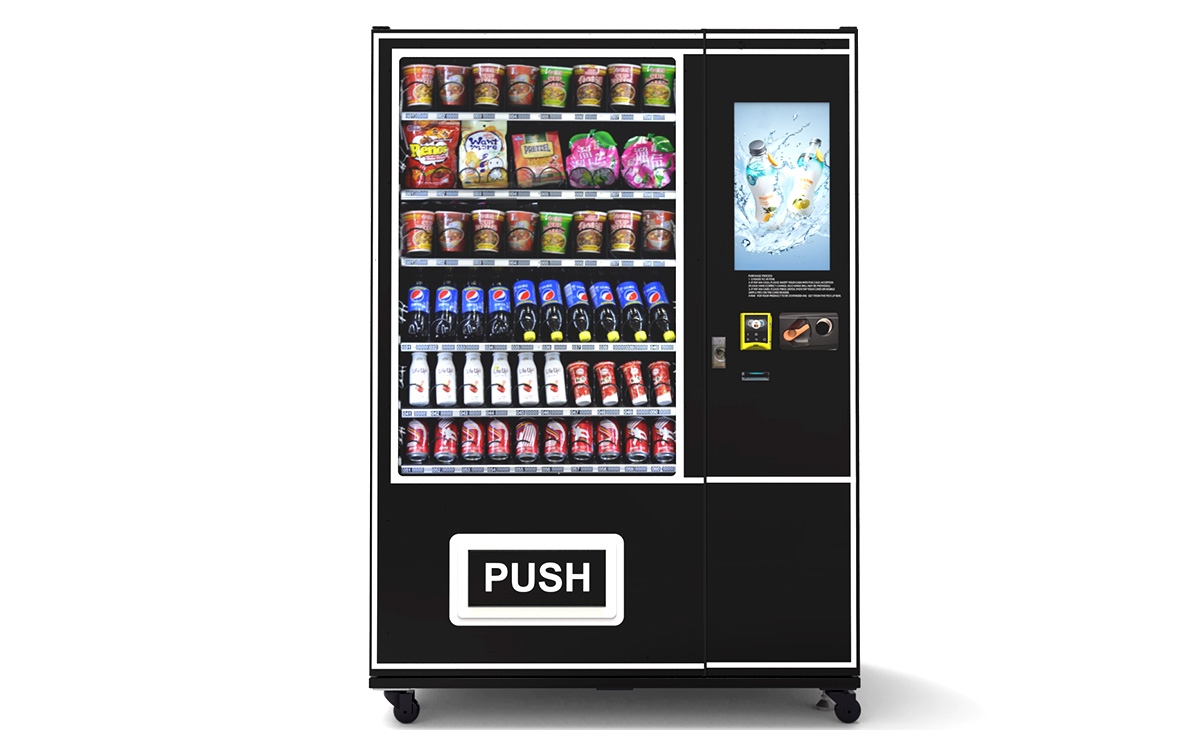
These numbers are based on my experience in the U.S. market. In Europe, wholesale costs and retail prices vary by country. For example, in France, a can of soda typically retails for around €1.00 to €1.50, with VAT at 20 percent. The net margins are tighter, which makes drink selection even more critical. According to data from Statista, the average vending machine transaction in the European Union was €1.42 in 2022. That means every slot in your machine needs to earn its keep.
How Temperature and Climate Affect Drink Choices
This is something many guides overlook, but it matters enormously. If you operate in a hot climate, cold drinks sell year-round. In colder regions, sales drop significantly during winter months. I have machines in Minnesota that see a 40 percent drop in beverage sales from December to February. To compensate, I adjust the mix. In winter, I reduce water and increase hot chocolate and coffee options if the machine supports it. In summer, I add more water and iced tea.
If your machine is outdoors, you also need to consider temperature extremes. A machine exposed to direct sunlight will struggle to keep drinks cold. The compressor works harder, electricity costs rise, and drink quality suffers. I learned this the hard way when a batch of energy drinks turned warm and customers complained. I now always place machines in shaded areas or invest in machines with higher BTU refrigeration systems for outdoor locations.
The Role of Packaging and Size
Not all drinks are created equal when it comes to vending machine compatibility. Cans are more durable and fit standard spirals. Bottles take up more space but allow for higher retail prices. Plastic bottles are lighter, which reduces shipping costs, but they are more prone to damage if the vending mechanism is not adjusted properly.
I have found that 12-ounce cans are the safest bet for most machines. They fit standard vending spirals, have long shelf lives, and are easy to restock. For machines with larger capacity, 16-ounce bottles work well for water and iced tea. I avoid glass bottles entirely. They break, they are heavy, and they increase the risk of machine jams. If you want to offer premium products, look for aluminum bottles or PET plastic instead.
How to Test a Drink Selection Without Wasting Money
You do not need to commit to a full machine load of a new drink. I always test new products in one or two spirals per machine. If the product sells within two weeks, I increase the order. If it sits for a month, I remove it. This approach minimizes waste and allows you to experiment without risking your entire inventory.
Another method is to observe what people bring into the location. If you see employees walking into a warehouse carrying a specific brand of energy drink, that is a strong signal. I once noticed that workers at a construction site were bringing their own coconut water. I added it to the machine and it sold steadily. You do not need to guess. The customers will tell you what they want if you pay attention.
Sales data from the machine itself is your best tool. Modern machines with telemetry systems track every sale in real time. If you are using a machine without this feature, I strongly recommend upgrading. The cost of telemetry is around $20 to $30 per month per machine, but it pays for itself by preventing stockouts and identifying slow-moving products. According to a report by the National Automatic Merchandising Association (NAMA), operators who use telemetry reduce waste by an average of 15 percent and increase sales by 10 percent.
Common Mistakes Beginners Make with Drink Selection
I have made almost every mistake in this business, and I have seen others make them too. Here are the most common ones.
Stocking too many varieties. A machine with 40 slots does not need 40 different drinks. You want 8 to 12 core products that sell consistently. Too many choices confuse customers and increase your restocking complexity. I recommend starting with 6 to 8 products and expanding only when you see demand.
Ignoring local tastes. In the United States, regional preferences matter. In the South, sweet tea is a necessity. In the Northeast, iced coffee sells year-round. In Europe, the preferences vary even more. In France, still water outsells sparkling. In Germany, fruit juice and carbonated mineral water are popular. If you are operating in a new region, visit local convenience stores and see what they stock. That is your best market research.
Choosing based on personal preference. Just because you like a certain drink does not mean it will sell. I once stocked a machine with a brand of organic lemonade that I personally enjoyed. It did not sell. The location was a manufacturing plant where workers wanted familiar, cheap drinks. I replaced it with a national brand and it sold immediately. Let the data guide you, not your taste.
Neglecting price sensitivity. In low-income areas or locations with captive audiences, you cannot charge premium prices. I have machines in schools where the maximum price is $1.00. In those locations, I focus on water, juice, and small cans. In high-income office buildings, I can charge $2.50 for premium iced tea. Know your audience and price accordingly.
How to Choose a Vending Machine Supplier That Understands Drinks
Your machine supplier should understand beverage vending specifically, not just general vending. I have worked with several manufacturers over the years, and the ones that specialize in drink vending tend to have better refrigeration systems, more reliable compressors, and better support for cashless payment systems.
When evaluating suppliers, ask about the machine's cooling capacity, the number of spirals, and whether the machine supports different package sizes. Some machines are designed primarily for snacks and struggle with bottle vending. If you plan to focus on drinks, you need a machine with a dedicated refrigeration system and adjustable shelving.
One supplier I have worked with extensively is Zhongda Smart. They manufacture a range of beverage vending machines that are built for high-volume drink sales. Their machines feature dual refrigeration systems, which is important if you are vending both cold drinks and ambient-temperature products. They also offer telemetry integration and support for multiple payment systems. I recommend them for operators who want a reliable machine that minimizes maintenance issues. However, always test the machine with your specific drink types before committing to a large order.
Other factors to consider include warranty length, availability of spare parts, and local service network. If your machine breaks down and the nearest technician is 200 miles away, you will lose sales. For European operators, look for suppliers with service centers in your country or region. For U.S. operators, check if the supplier has a distribution network that covers your state.
Maintenance and Repair Considerations for Drink Vending
Drink vending machines have specific maintenance needs that snack machines do not. The refrigeration system is the most critical component. If the compressor fails, your drinks warm up, and you lose sales. I recommend scheduling preventive maintenance every six months. This includes cleaning the condenser coils, checking refrigerant levels, and inspecting the door seals.
Another common issue is the vending mechanism itself. Spirals can bend over time, especially if you are vending heavy bottles. If a spiral is bent, it may not vend properly, leading to jams and customer complaints. I always keep a few spare spirals on hand and replace them as soon as I notice an issue.
Payment systems are another frequent pain point. Cashless payment terminals can fail, especially if they are exposed to extreme temperatures. I have had several instances where the card reader stopped working in the middle of summer. Now I always choose machines with weather-resistant payment systems and keep a backup reader in my vehicle.
If you are not comfortable with basic machine repair, I recommend building a relationship with a local vending machine repair technician before you need one. Many independent technicians offer service contracts for around $100 to $200 per month per machine. That might seem expensive, but it is cheaper than losing a week of sales while you wait for a repair.
How to Evaluate a Location for Drink Vending
I use a simple checklist when evaluating a potential location. First, I count the number of people who pass the machine location per hour. I do this at different times of the day. Second, I check if there are any other drink sources nearby. If there is a convenience store across the street, my machine will struggle. Third, I talk to the location manager about employee count and shift schedules. A location with multiple shifts has more potential buyers.
I also look at the physical environment. Is the machine visible? Is it near a high-traffic area like a break room or entrance? Is there an electrical outlet nearby? Can the machine be secured? I have seen machines placed in dark corners that nobody noticed. Visibility is critical for impulse purchases.
Finally, I negotiate the commission. In the United States, typical commissions range from 10 to 20 percent of gross sales. In Europe, commissions can be higher, sometimes reaching 25 percent, especially in high-traffic locations like universities or hospitals. I always start with a lower commission offer and increase it if the location proves profitable. Never agree to a fixed monthly rent unless you are confident in the location. A percentage-based agreement protects you if sales are lower than expected.
Real Numbers: What to Expect in Terms of Revenue and Costs
Based on my experience, a well-placed drink vending machine in a mid-traffic location generates between $300 and $800 per month in gross sales. In high-traffic locations, that number can reach $1,500 to $2,500 per month. However, these numbers are highly variable. I have machines that consistently do $1,200 per month and others that struggle to hit $200.
Your costs include the machine itself, which ranges from $2,000 for a used unit to $8,000 for a new smart machine. Installation costs are around $200 to $500. Restocking costs depend on your volume. I spend about $0.10 per mile in vehicle costs and about 30 minutes per machine per week for restocking. If you have 10 machines, that is 5 hours per week just for restocking.
Electricity costs vary by machine. A typical drink vending machine uses about 7 to 10 kilowatt-hours per day. At $0.12 per kWh, that is about $25 to $36 per month. In Europe, where electricity costs are higher, this can be $40 to $60 per month.
Maintenance costs average around $200 to $400 per year per machine for older units and $100 to $200 for newer units with better components. The total cost of ownership for a new machine over five years is roughly $2,500 to $4,000, including electricity, maintenance, and repairs.
Your break-even point depends on your margins and sales volume. For a $5,000 machine, if you are netting $200 per month, you break even in about 25 months. If you net $400 per month, you break even in 12 to 13 months. I have seen machines break even in 8 months and others that never break even. The difference is always the location and the drink selection.
When to Change Your Drink Selection
If a product has not sold in two weeks, replace it. If a product sells out within three days, increase the allocation. I review sales data every month and adjust accordingly. I also change selections seasonally. In summer, I add more water and iced tea. In winter, I add hot chocolate and coffee if the machine supports it.
Another trigger for change is when a new competitor appears. If a convenience store opens near your location, you need to differentiate. You can offer exclusive products or lower prices. I once had a machine near a gas station that started selling energy drinks at a discount. I responded by adding a premium energy drink that the gas station did not carry. Sales stabilized.
Finally, if your location manager complains about the selection, listen. They know their employees better than you do. I have had location managers tell me that employees wanted more diet options or more caffeine-free drinks. Every time I listened, sales improved.
Frequently Asked Questions
Are vending machines profitable?
Yes, but profitability depends entirely on location, drink selection, and operational efficiency. A well-placed machine with the right products can generate $300 to $800 per month in net profit. A poorly placed machine can lose money. Based on my experience, about 70 percent of machines are profitable, 20 percent break even, and 10 percent lose money. The key is to cut underperformers quickly.
How much does a vending machine cost?
A new drink vending machine costs between $3,000 and $8,000 depending on features like telemetry, cashless payment, and refrigeration quality. Used machines range from $1,000 to $3,000 but may require more maintenance. I recommend budgeting $4,000 to $6,000 for a reliable new machine from a reputable supplier like Zhongda Smart.
How long does it take to break even?
Break-even typically takes 12 to 24 months for a new machine. If you buy used and place it in a high-traffic location, you can break even in 8 to 12 months. If the location is slow, it may take 36 months or longer. Always calculate your break-even point before purchasing a machine.
Should I buy or lease a vending machine?
Buying is better for long-term operators who want full control and higher margins. Leasing is better for beginners who want to test the business without a large upfront investment. Lease payments typically range from $100 to $300 per month. However, leasing often comes with higher total costs over three to five years. I recommend buying if you have the capital.
Where should I place a drink vending machine?
The best locations are places with high foot traffic, captive audiences, and no nearby competition. Examples include office buildings, warehouses, factories, hospitals, schools, gyms, and apartment complexes. Avoid locations with low foot traffic or where people have easy access to other drink sources.
What permits do I need?
Requirements vary by country and local jurisdiction. In the United States, you typically need a business license, a sales tax permit, and a vending machine permit in some cities. In Europe, you may need a business registration, VAT registration, and compliance with local food safety regulations. Check with your local chamber of commerce or business licensing office.
How do I choose a vending machine supplier?
Look for a supplier with experience in beverage vending, good warranty terms, and a local service network. Ask about refrigeration quality, telemetry options, and payment system compatibility. I recommend testing the machine with your specific drink types before ordering in bulk. Zhongda Smart is one supplier I have used for high-volume drink machines, but always compare multiple options.
What happens if the machine breaks down?
If you have a service contract, call your technician. If not, you will need to troubleshoot or hire a local repair service. Common issues include compressor failure, spiral jams, and payment system errors. I recommend keeping a basic toolkit and spare parts like spirals and fuses in your vehicle. For major repairs, budget $150 to $400 per incident.
How can I reduce restocking and maintenance costs?
Use telemetry to monitor inventory remotely. This reduces unnecessary trips and prevents stockouts. Standardize your drink selection across machines to simplify restocking. Schedule preventive maintenance every six months to catch issues early. If you have multiple machines in the same area, you can reduce travel time by grouping your restocking routes.
Can I run a vending machine business part-time?
Yes, many operators start part-time with 5 to 10 machines. Restocking takes about 30 minutes per machine per week. With 5 machines, that is about 2.5 hours per week plus travel time. However, you still need to handle repairs, accounting, and location management. It is feasible but requires discipline.
Choosing the right vending machine drinks is not a one-time decision. It is an ongoing process of testing, measuring, and adjusting. The operators who succeed are the ones who treat their drink selection as a living system, not a static list. They pay attention to sales data, listen to location managers, and are not afraid to replace a product that is not working. If you start with the right location, stock the right drinks, and monitor your performance, you can build a vending business that generates reliable income for years. The machine is just the beginning. What you put inside it determines everything.
This article was updated in February 2025. All revenue and cost figures are based on the author's operational experience in the United States and European markets unless otherwise cited. Data sources include IBISWorld (U.S. vending machine industry report 2023), Statista (average vending machine transaction value in the EU 2022), and the National Automatic Merchandising Association (NAMA) telemetry impact report 2022. Individual results may vary based on location, product selection, and operational efficiency.