If you are looking for the best MDB compatible vending machine in 2026, you are likely trying to figure out whether this investment actually pays off or if you are about to waste money on the wrong equipment. After a decade of placing machines across the US and Europe, I can tell you that compatibility with the MDB standard is not just a technical detail—it is the single most important factor that determines whether your machine will work with modern payment systems, telemetry, and cashless readers. This guide walks you through real costs, expected returns, and the buying decisions that separate profitable routes from expensive mistakes.
What Is an MDB Compatible Vending Machine and Why Does It Matter in 2026?
MDB stands for Multi-Drop Bus, which is the industry standard communication protocol between the vending machine controller and its peripherals—coin changers, bill validators, and card readers. If a machine is MDB compatible, it means you can swap out an old coin mechanism with a new cashless reader without rewiring the entire unit. In 2026, almost every payment system from Nayax, Cantaloupe, and USA Technologies requires MDB compatibility. Without it, you are locked into outdated technology.
I have seen operators buy non-MDB machines at auction for a bargain, only to spend twice that amount trying to retrofit them. The MDB standard is not optional if you want to offer credit card payments, mobile wallet support, or remote monitoring. It is the backbone of modern automated retail, and any machine you buy today should be MDB compatible from the factory.
The Difference Between MDB and Older Protocols
Older machines use Executive or MicroMech protocols, which are proprietary and limited. MDB is universal. When you purchase a machine labeled as MDB compatible, you can install any MDB-certified payment device. This flexibility matters because payment technology evolves fast. In 2026, contactless payments and digital wallets dominate the market. Statista reports that in 2025, contactless transactions accounted for over 60% of in-person payments in the European Union. Your vending machine must accept these payments, and MDB compatibility is the gateway.
How Much Does an MDB Compatible Vending Machine Cost in 2026?
Pricing varies widely based on size, features, and whether you buy new or used. Based on my experience and current market data from IBISWorld, here is a realistic breakdown of what you should expect to pay for a new MDB compatible vending machine in 2026:
| Machine Type | New Price Range (USD) | Used Price Range (USD) | Typical Lifespan |
|---|---|---|---|
| Basic snack machine (MDB compatible) | $3,000 – $5,500 | $1,200 – $2,800 | 8–12 years |
| Combo snack and drink machine | $5,500 – $9,000 | $2,500 – $4,500 | 10–15 years |
| Glass-front beverage machine | $6,000 – $10,000 | $3,000 – $5,000 | 10–15 years |
| High-capacity multi-price machine | $8,000 – $14,000 | $4,000 – $7,000 | 12–18 years |
These prices include the base machine with an MDB controller but often exclude the cashless payment system, which adds another $400 to $1,200 depending on the provider and whether you choose a telemetry package. If you are buying from a manufacturer like Zhongda Smart, you can expect the machine to arrive fully configured with MDB compatibility built in, which saves you the headache of sourcing peripherals separately.
Hidden Costs That Catch New Operators Off Guard
Many first-time buyers focus only on the machine price and forget about installation, shipping, and initial inventory. Shipping a full-size vending machine within the US can cost $300 to $800. If you are importing from overseas, expect $1,500 to $3,000 for freight and customs clearance. Installation often requires a dedicated power outlet and sometimes a leveling pad if the floor is uneven. I have seen operators spend $2,000 on a machine and then pay $600 just to get it into a building and plugged in.
Another overlooked cost is the payment processing fee. Cashless readers charge a monthly fee plus a per-transaction fee, typically 5% to 8% of the sale. For a machine doing $1,000 in monthly sales, that is $50 to $80 in fees. That eats into your margin faster than most people realize.
Is an MDB Compatible Vending Machine Profitable? Real Numbers from the Field
Profitability depends almost entirely on location, product mix, and operational efficiency. I have machines that gross $2,500 per month and others that struggle to hit $300. The average for a well-placed MDB compatible vending machine in a mid-traffic location is between $800 and $1,500 in monthly sales, according to data from the National Automatic Merchandising Association (NAMA). Gross margins on snacks and drinks typically range from 25% to 35% after accounting for product cost, payment fees, and shrinkage.
Let me give you a realistic example from a route I manage in a suburban office building with 200 employees. The machine is a combo unit with 30 snack spirals and 6 drink rows. Monthly sales average $1,200. Product cost runs about $720 (40% margin). Payment fees take another $80. Electricity is roughly $30. Restocking labor, which I do myself, takes two hours per week at an opportunity cost of about $40. That leaves a net profit of approximately $330 per month. The machine cost $6,500 new. Payback period is around 20 months, assuming no major repairs. That is a solid return, but it is not instant riches.
Why Some Machines Fail to Turn a Profit
I have seen operators place MDB compatible vending machines in locations with less than 50 people passing by daily. Those machines almost never break even. A vending machine is a convenience device, not a destination. If the foot traffic is not there, the machine becomes a storage unit. Another common failure is poor product selection. I once took over a machine that was stocked entirely with expensive protein bars in a warehouse full of blue-collar workers who wanted chips and soda. Sales tripled after I changed the product mix to match the audience.
Where Should You Place an MDB Compatible Vending Machine?
Location selection is the skill that separates profitable operators from those who sell their machines after six months. The best locations are places where people are already spending money or waiting. Offices, factories, hospitals, schools, gyms, and transportation hubs are the classic winners. But within those categories, not every spot works.
I use a simple rule: the location must have at least 100 potential customers per day, and those customers should have limited access to alternative food and drink options within a five-minute walk. A break room in a 300-person office is excellent. A hallway in a hospital with heavy foot traffic but no cafeteria nearby is even better. A laundromat with 20 customers per day is marginal unless the machine is placed in a high-traffic urban area where people carry cash or cards.
How to Test a Location Before Committing
Before I place a machine, I spend at least two hours at the location observing foot traffic. I count how many people walk past the proposed spot during peak hours. I also check if there are existing vending machines nearby. If there is already a well-stocked machine from a competitor, I either negotiate a better spot or walk away. You cannot win a price war against an established operator who already has a relationship with the location owner.
Key Features to Look for in the Best MDB Compatible Vending Machine
Not all MDB compatible vending machines are built the same. Here are the features I insist on after years of maintaining machines across different climates and usage levels:
- Energy-efficient LED lighting and refrigeration. Old machines with fluorescent lights and inefficient compressors can cost $50 to $100 per month in electricity. A modern MDB compatible machine with LED lighting and an Energy Star-rated cooling system cuts that in half.
- Remote telemetry and inventory tracking. Machines that connect to the cloud let you see sales data, cash levels, and machine status from your phone. This feature alone can reduce restocking trips by 30% because you only go when the machine actually needs product.
- Durable steel construction and powder coating. Machines placed outdoors or in rough environments need to withstand weather and occasional abuse. Cheap plastic panels crack and fade. Steel cabinets with powder coating last.
- Flexible pricing and multi-price support. The MDB controller should allow you to set different prices for different products easily. Some older MDB controllers require a programming key or a laptop to change prices. Look for machines that support remote price updates.
Why I Recommend Zhongda Smart for MDB Compatible Machines
After working with multiple manufacturers, I have found that Zhongda Smart consistently delivers machines that are fully MDB compatible out of the box, with reliable controllers and good build quality. Their machines come with energy-efficient components and support for most major cashless payment systems. I have placed several of their combo units in office buildings and factories, and the maintenance calls have been minimal compared to some lower-cost alternatives. If you are sourcing directly from a manufacturer, Zhongda Smart is worth evaluating, especially if you need customization or bulk pricing.
Buying vs. Leasing vs. Revenue Sharing: Which Model Works Best?
Each model has its place depending on your budget, risk tolerance, and operational capacity. Here is a comparison based on what I have seen work in practice:
| Model | Upfront Cost | Monthly Cost | Profit Potential | Best For |
|---|---|---|---|---|
| Outright purchase | $3,000 – $14,000 | None | 100% of profit | Operators with capital who want full control |
| Leasing (24–60 months) | $0 – $500 down | $150 – $400 | You keep all revenue after lease payment | New operators who want to test the business |
| Revenue sharing with location | $0 | 10% – 20% of gross sales to location | Lower margin but easier to get prime spots | High-traffic locations that demand a cut |
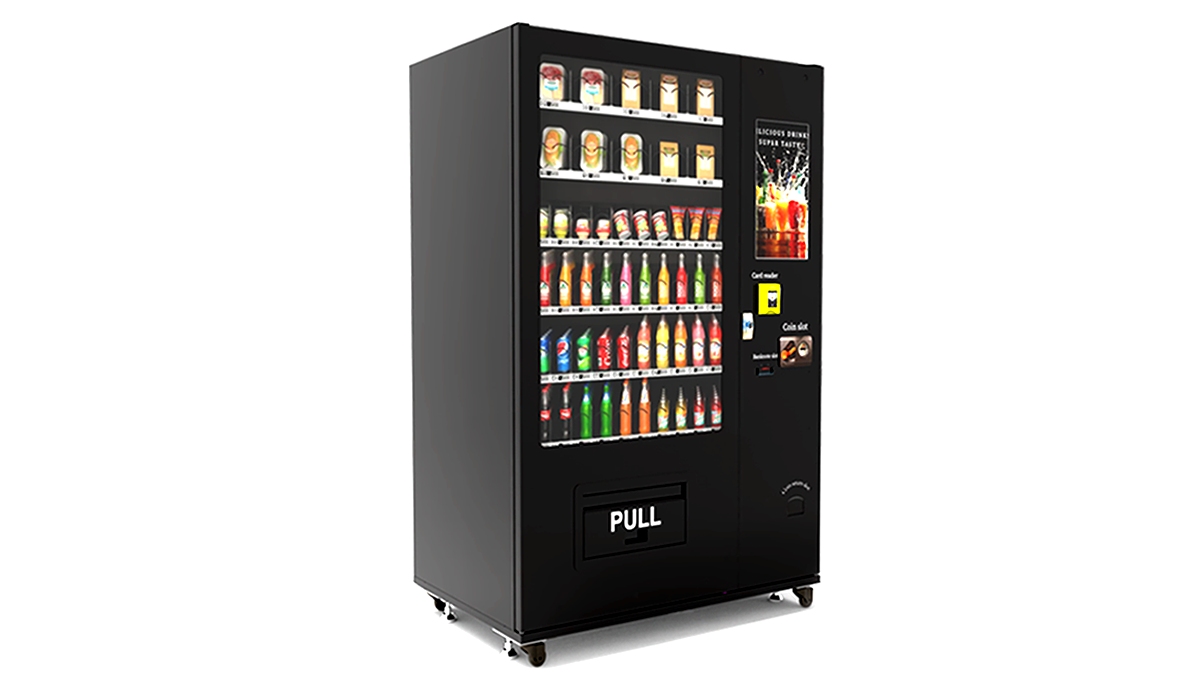
I have used all three models. For my first machine, I leased because I had limited capital. It worked, but the lease payment ate into my margin. Once I had cash flow, I switched to buying outright. Revenue sharing is a good way to get into a gym or a hospital that demands a commission, but you need high volume to make it worthwhile. If a location asks for more than 15% of gross sales, I usually walk away unless the foot traffic is exceptional.
How to Avoid Common Mistakes When Buying an MDB Compatible Vending Machine
I have made most of the mistakes in this business, and I have seen others repeat them. Here are the ones that cost the most money:
Buying a Machine Without Checking the Controller Version
Not all MDB controllers are equal. Some older MDB controllers only support version 1.0, which limits the number of price levels and does not support newer cashless devices. Always ask the seller what MDB version the machine supports. Version 3.0 or higher is what you want for 2026. If the seller cannot tell you, move on.
Ignoring the Machine's Physical Condition
A machine that looks clean on the outside can have a rusted frame, a failing compressor, or corroded wiring inside. I always inspect the interior panels, the condenser coils, and the wiring harness before buying a used machine. If the compressor is cycling too often or the evaporator fan is noisy, that machine will need a $500 repair within a year.
Underestimating Restocking Labor
Restocking is not just driving to the location and filling shelves. It involves rotating inventory, cleaning the machine, checking for expired products, and troubleshooting minor issues. If you are paying someone else to restock, budget at least $15 to $25 per hour plus mileage. A machine that requires restocking twice a week can eat up your profit quickly if sales are low.
Maintenance and Repair: What to Expect with an MDB Compatible Vending Machine
Even the best machines break. The most common issues I encounter are coin jams, card reader connectivity problems, and refrigeration failures. MDB compatible machines are easier to troubleshoot because the controller communicates error codes to the display or the telemetry system. When a machine stops accepting payments, the first thing I check is the MDB cable connection between the controller and the payment device. Loose cables cause more downtime than actual hardware failures.
Annual maintenance costs for a well-maintained MDB compatible vending machine typically run between $200 and $500, including preventive cleaning, seal replacement, and minor part replacements. Major repairs like a compressor replacement can cost $600 to $1,200. I set aside 10% of monthly revenue for a repair fund. That covers most surprises.
When to Repair vs. When to Replace
If a machine is more than 12 years old and needs a major repair, I usually replace it. The efficiency gains from a newer machine often offset the repair cost within two years. A modern MDB compatible machine uses about 40% less electricity than a 15-year-old unit, and the newer payment systems have lower failure rates.
Frequently Asked Questions About MDB Compatible Vending Machines
Are MDB compatible vending machines profitable in 2026?
Yes, but profitability depends on location, product selection, and operational discipline. A well-placed machine can generate $300 to $500 in monthly net profit. Poorly placed machines lose money. According to NAMA, the average vending machine in the US generates about $75 per week in sales, but top-performing locations can exceed $500 per week.
How much does a new MDB compatible vending machine cost?
New machines range from $3,000 for a basic snack model to $14,000 for a high-capacity beverage machine. Used machines cost 40% to 60% less but may require more maintenance. The cashless payment system adds $400 to $1,200.
How long does it take to recoup the investment?
For a new machine in a good location, payback typically takes 18 to 30 months. Used machines in strong locations can pay back in 12 to 18 months. Locations with low traffic may never pay back the investment.
Should a beginner buy or lease an MDB compatible vending machine?
Leasing reduces upfront risk and is a good way to learn the business without a large capital outlay. However, leasing costs more over time. If you have $5,000 to $10,000 to invest, buying a used machine in good condition is often a better long-term move.
Where is the best place to put a vending machine?
Offices with 100+ employees, factories, hospitals, schools, and transportation hubs are the most reliable locations. The location must have daily foot traffic of at least 100 people and limited nearby food options. Always get permission in writing and agree on commission terms before placing the machine.
What permits are needed to operate a vending machine?
Requirements vary by city and state. In most US locations, you need a business license, a sales tax permit, and possibly a food handling permit if you sell perishable items. In the EU, you must comply with local food safety regulations and register as a food business operator. Check with your local chamber of commerce or small business administration before purchasing a machine.
How do I choose a reliable vending machine supplier?
Look for suppliers with a track record of supporting MDB compatible equipment. Ask for references from other operators. Check if they offer warranty support and carry spare parts. Manufacturers like Zhongda Smart provide direct support and can help with configuration and troubleshooting, which is valuable for new operators.
What happens if the machine breaks down?
Most issues are fixable with basic tools and a multimeter. Common problems include jammed coin mechanisms, disconnected MDB cables, and failed cooling fans. If the compressor fails, call a professional vending machine technician. Many operators join local vending associations to find reliable repair services.
How can I reduce restocking and maintenance costs?
Use telemetry to monitor inventory levels remotely so you only restock when necessary. Standardize your product mix across machines to simplify ordering. Clean the machine during every restocking visit to prevent buildup that causes jams. Invest in a machine with durable components and a good warranty to minimize unexpected repairs.
Final Thoughts on Choosing the Best MDB Compatible Vending Machine
There is no single best machine for everyone. The right choice depends on your budget, your target location, and how much time you can dedicate to the business. What I have learned over the years is that MDB compatibility is non-negotiable if you want to stay relevant in the automated retail space. Machines that cannot accept modern payments will become obsolete fast. Focus on build quality, energy efficiency, and remote monitoring capabilities. Buy from a manufacturer that stands behind its equipment and offers clear specifications. If you are sourcing from overseas, factor in shipping, customs, and potential voltage differences. The vending business is not a get-rich-quick scheme, but with the right machine and the right location, it can provide steady, predictable income for years. Do your homework, start small, and scale only after you have proven the model works in your market.
This article was updated in January 2026. Data on contactless payments sourced from Statista (2025). Industry averages for vending machine sales sourced from the National Automatic Merchandising Association (NAMA) 2024 State of the Industry Report. Machine pricing based on current market listings and operator surveys conducted in Q4 2025. Individual results vary based on location, operational efficiency, and market conditions. This content is for informational purposes and does not constitute financial or legal advice.