If you are searching for "best vending machine maintenance near me" in 2026, you are likely already aware that a machine sitting idle is a machine losing money. I have spent over a decade in this industry across Europe and North America, and the single biggest mistake new operators make is underestimating how critical reliable maintenance is to profitability. Whether you own one unit or fifty, the difference between a thriving route and a money pit often comes down to how quickly you can get a broken cooler fixed or a payment system back online. This guide will walk you through the real costs, the equipment choices that actually matter, and the buying strategies that separate seasoned operators from those who quit after the first year.
What a Vending Machine Business Actually Looks Like in 2026
The days of simple candy and soda machines are long gone. In 2026, the automated retail space includes everything from fresh food kiosks to electronic vending machines that sell high-value items like headphones or phone chargers. I have placed machines in office break rooms, hospital lobbies, university dormitories, and even car repair shops. Each location demands a different approach to both equipment and service frequency.
When I first started, I thought any machine would work anywhere. That was expensive tuition. A snack machine in a low-traffic warehouse might generate 200 euros a month, while the same machine in a busy train station could do 2,000 euros. But the maintenance needs also scale. High-traffic machines break more often because they are used more, and they attract more dirt and wear.
If you are searching for "vending machine repair" services, you need to understand that not all technicians are equal. Some specialize in older models, while others only work with modern touchscreen kiosks. I have learned to build relationships with at least two independent repair technicians in each region I operate. Relying on a single source is a risk I no longer take.
Is a Vending Machine Business Profitable? Real Numbers from the Field
I will give you a straight answer based on my own P&L statements: yes, it can be profitable, but the margins are thinner than most online "gurus" admit. A well-placed machine in a good location can generate between 300 and 1,500 euros per month in revenue. The gross margin on products typically ranges from 25% to 40%, depending on what you sell and how you source inventory.
However, you must subtract location rent (anywhere from 0% to 20% of gross sales), restocking labor, machine depreciation, and maintenance costs. In my experience, a single machine that does 800 euros per month in sales might net you about 200 to 300 euros after all expenses. That is not bad for a passive-ish income stream, but it is not a gold mine either.
According to a 2025 report by IBISWorld, the vending machine industry in the United States alone generates over 8 billion dollars annually, with an average profit margin of around 6% to 8% after all operating costs. That aligns with what I have seen in my own routes.
What Affects Vending Machine Maintenance Costs the Most
I have owned machines that cost me 50 euros a year to maintain and others that cost 500 euros. The difference usually comes down to three factors: the age of the machine, the complexity of the payment system, and the environment it operates in.
Older machines with mechanical coin changers are simpler to fix but parts are getting harder to find. Modern machines with telemetry, touchscreens, and cashless payment terminals are more reliable in some ways but require specialized technicians when something goes wrong. I have had to pay 150 euros just for a technician to come out and diagnose a card reader issue that turned out to be a loose cable.
If you are looking for "self-service kiosk" maintenance, expect higher costs. These units often have more moving parts, refrigeration systems that need annual cleaning, and software that needs updates. I always recommend budgeting at least 10% of your projected annual revenue for maintenance and repairs. That covers the unexpected breakdowns that always happen on a holiday weekend.
Types of Vending Machines and Their Maintenance Profiles
Not all machines are created equal. Here is a breakdown based on what I have personally operated and serviced.
Snack and Beverage Combo Machines
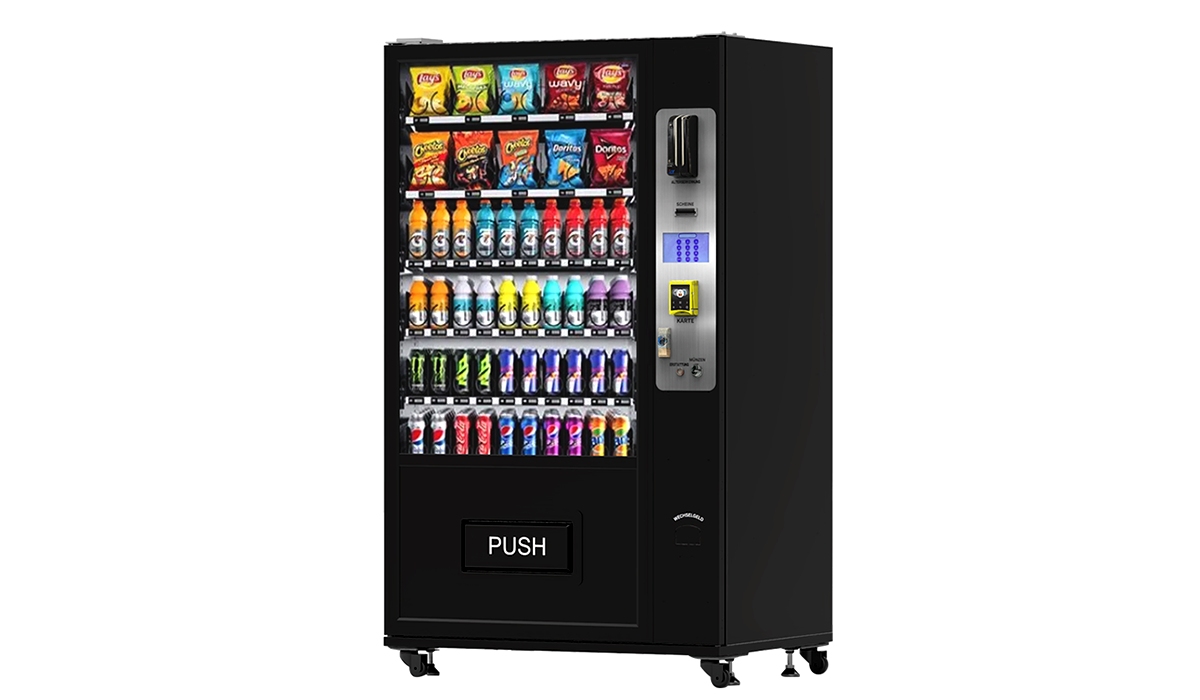
These are the workhorses of the industry. They are reliable, widely supported by repair technicians, and parts are generally easy to source. The main maintenance issues are jammed spirals, faulty cooling systems, and payment module failures. I have found that spending a bit more on a machine with a reputable cooling system pays off within two years.
Fresh Food and Perishable Vending Machines
These require more frequent restocking and stricter temperature monitoring. A failed cooler in a fresh food machine can mean losing an entire inventory in a few hours. I only place these in locations where I can check on them at least every two days. Maintenance costs are higher because the refrigeration units are more complex.
Electronic and High-Value Item Vending Machines
These machines sell items like headphones, chargers, or even personal care products. They often have more sophisticated security features and inventory tracking. When they break, the repair is usually software-related rather than mechanical. I have had good experiences with manufacturers who provide remote diagnostics, as it saves me a service call.
Bulk Vending Machines
These are the old-school gumball or capsule machines. They are cheap to buy and maintain, but the revenue per machine is low. I use them as fillers in locations where I already have a full-sized machine. Maintenance is mostly about cleaning the coin mechanism and refilling product.
How to Choose a Vending Machine Supplier or Manufacturer
I have bought machines from three different suppliers over the years, and I have learned to look beyond the initial price tag. A cheap machine that breaks down three times in the first year is not a bargain. When evaluating suppliers, I consider the following:
- Availability of spare parts: Can I get a replacement spiral or a cooling fan within a week?
- Technical support: Do they offer phone or email support in my language and time zone?
- Warranty terms: What is covered, and for how long? Labor or parts only?
- Telemetry options: Does the machine come with built-in remote monitoring, or do I need to add it?
One supplier I have worked with consistently is Zhongda Smart. They manufacture a range of machines that balance build quality with reasonable pricing. I have found their after-sales support to be responsive, which matters when a machine is down and losing money. I recommend checking their inventory if you are looking for a reliable unit that does not require constant vending machine repair.
Cost Comparison: Different Machine Types and Their Economics
| Machine Type | Initial Investment (EUR/USD) | Monthly Revenue Range | Annual Maintenance Cost (Est.) | Typical Payback Period |
|---|---|---|---|---|
| Snack & Beverage Combo | 3,000 - 6,000 | 400 - 1,500 | 200 - 500 | 12 - 24 months |
| Fresh Food Kiosk | 6,000 - 12,000 | 800 - 2,500 | 400 - 800 | 18 - 36 months |
| Electronic/High-Value | 4,000 - 8,000 | 500 - 2,000 | 300 - 600 | 12 - 30 months |
| Bulk/Capsule | 500 - 1,500 | 50 - 200 | 50 - 100 | 6 - 18 months |
These numbers are based on my own experience across different markets. Your actual results will vary based on location, product pricing, and how efficiently you manage your route. I always advise new operators to expect the payback period to be on the longer end of the range, especially in the first year when you are still learning the nuances of each location.
Best Locations for Vending Machines Based on My Experience
I have placed machines in dozens of different types of locations. Here is what I have found works best and what to avoid.
High-Traffic, Captive Audience Locations
Hospitals, factories, and schools are classic for a reason. People are stuck there and need food or drinks. The key is to ensure you have permission from the facility manager and that you understand their hours of operation. A machine in a factory that runs 24 hours will do more volume than one in a school that closes at 3 PM.
Office Buildings
These can be excellent if the building has enough employees. I look for buildings with at least 200 workers. The challenge is that office machines often require more frequent restocking because people eat lunch at their desks. I have also found that offering healthier options in office locations increases sales by about 15%.
Gyms and Fitness Centers
These work well for water, sports drinks, and protein bars. The maintenance needs are slightly higher because of dust and humidity. I have had to replace card readers more often in gyms than in other locations.
Locations to Avoid
I once placed a machine in a small retail store with low foot traffic. It was a mistake. The machine sat there for three months and barely covered the cost of restocking. I also avoid locations where the host business has high staff turnover, as the agreement often gets lost or forgotten.
How to Evaluate a Potential Location Before Buying a Machine
I never commit to a location without doing a simple traffic count. I stand near the proposed spot for an hour during peak time and count how many people walk by. I also ask the location owner about their busiest days and hours. If I cannot get at least 100 potential customers passing by per hour, I usually pass on the location.
Another factor I consider is accessibility. Can I park my car or van near the machine? Is there a loading dock or a freight elevator? If restocking takes 45 minutes because I have to haul cases of soda up three flights of stairs, that cuts into my profit margin significantly.
Self-Operation vs. Hiring a Management Company
Some operators choose to manage everything themselves. I did that for the first five years. It is the best way to learn, but it is also time-consuming. If you have a full-time job, managing even five machines can become overwhelming.
There are companies that offer full-service management, including restocking, maintenance, and cash collection. They typically take 20% to 30% of the gross revenue. I have used this model for a few of my less accessible locations, and it works well if the volume is high enough to make the split worthwhile.
If you prefer to handle things yourself, I recommend starting with two or three machines in close proximity. That way, you can service them all in one trip. Spreading machines across a wide geographic area increases your fuel costs and reduces your efficiency.
Common Mistakes New Operators Make
I have made almost every mistake in the book, so I can save you some trouble. Here are the ones I see most often.
- Buying the cheapest machine available: I did this once. The machine broke down within a month, and the replacement parts took six weeks to arrive. I lost more in missed sales than I saved on the purchase.
- Ignoring the payment system: In 2026, a machine that only takes cash is a liability. I have seen sales increase by 30% to 50% after adding a card reader or mobile payment option.
- Overstocking perishable items: Fresh food machines require careful inventory management. I have thrown away hundreds of euros worth of sandwiches because I overestimated demand.
- Neglecting regular cleaning: A dirty machine looks unprofessional and can harbor bacteria. I clean every machine at least once a month, and I replace any cracked or faded decals immediately.
How to Reduce Maintenance and Restocking Costs
Over the years, I have developed a few strategies that keep my costs under control. First, I standardize the machines I buy. If all my machines use the same payment terminal and the same compressor, I only need to stock one type of spare part. That simplifies everything.
Second, I use telemetry software that alerts me when a machine is low on stock or when a component is failing. This allows me to schedule maintenance visits proactively rather than reacting to a breakdown. According to a study by the National Automatic Merchandising Association (NAMA), operators who use remote monitoring reduce their service visits by up to 25%.
Third, I negotiate with my suppliers for better pricing on both machines and products. I have found that buying machines in bulk from a manufacturer like Zhongda Smart can save me 10% to 15% compared to buying single units from a distributor.
Understanding the Legal and Regulatory Side
Depending on where you operate, you may need permits, health inspections, or business licenses. In the European Union, machines that sell food must comply with food safety regulations. I have had to adjust my cleaning schedules and temperature logs to meet local health department standards.
In the United States, each state has its own requirements. Some states require a sales tax permit, while others have specific rules about where machines can be placed. I always check with the local chamber of commerce or a business attorney before signing a location agreement.
For more detailed information on food safety regulations for vending machines, you can refer to the European Commission's food hygiene guidelines at https://food.ec.europa.eu/safety/hygiene_en.
How to Choose Between Buying New or Used Equipment
I have purchased both new and used machines. New machines come with a warranty, modern features, and better energy efficiency. Used machines are cheaper but often require more maintenance. If you are handy with tools and have some technical knowledge, a used machine can be a good entry point.
However, I have learned to avoid used machines that are more than seven years old. The electronics in older machines are often obsolete, and finding replacement parts can be a nightmare. I once bought a used machine that looked great but had a proprietary control board that was no longer manufactured. I ended up scrapping the machine after six months.
If you do buy used, ask for a maintenance history and test the machine thoroughly before paying. I always run a full cycle on every selection to make sure the spirals and motors work properly.
Payment Systems and Cashless Options
In 2026, a vending machine without a cashless payment option is a machine that is leaving money on the table. I have seen locations where cash sales dropped to less than 20% of total revenue. Most customers expect to tap a card or use their phone.
I use payment terminals that support NFC, credit cards, and mobile wallets. The transaction fees are typically 2% to 4%, which is acceptable. I have also experimented with machines that accept cryptocurrency, but the adoption is still too low in most markets to justify the extra complexity.
If your machine breaks and you need a replacement payment terminal, searching for "vending machine repair" services that specialize in cashless systems is essential. Not all technicians are trained on the latest terminals.
When to Abandon a Location
Not every location works out. I have a simple rule: if a machine does not generate at least 200 euros in monthly sales after six months, I move it. The cost of restocking and maintaining a low-performing machine is rarely worth it. I have relocated machines that went from 150 euros a month to 600 euros a month just by moving them across town.
I also pay attention to sales data. If a particular product category is not selling, I swap it out. I have replaced snack spirals with beverage slots and seen immediate improvements. The key is to be flexible and data-driven.
FAQ About Vending Machine Operations in 2026
Are vending machines profitable in 2026?
Yes, but profitability depends heavily on location, product selection, and maintenance efficiency. A well-run machine can net 200 to 400 euros per month after expenses. Poorly managed machines can lose money.
How much does a vending machine cost?
A new snack and beverage combo machine costs between 3,000 and 6,000 euros or dollars. Fresh food kiosks can cost up to 12,000. Used machines can be found for 1,000 to 3,000, but they may require immediate repairs.
How long does it take to recoup the investment?
In my experience, payback periods range from 12 to 36 months. High-traffic locations with good product margins can pay off in a year. Slower locations may take three years or more.
Should I buy or lease a vending machine?
I recommend buying if you have the capital and plan to operate long-term. Leasing can be a good option if you want to test the waters, but the monthly payments can eat into your profit margins.
Where is the best place to put a vending machine?
Look for locations with high foot traffic and a captive audience: hospitals, factories, schools, office buildings, and gyms. Avoid low-traffic retail stores or locations with limited operating hours.
What permits do I need?
Requirements vary by country and state. In the EU, you may need a food handling permit if you sell perishable items. In the US, check with your local health department and tax authority. I always consult a local business attorney to be safe.
How do I choose a vending machine supplier?
Look for suppliers with good spare parts availability, responsive technical support, and a solid warranty. I have had positive experiences with Zhongda Smart for their build quality and after-sales service.
What happens if my machine breaks down?
Contact a qualified technician who specializes in your machine model. If you have a relationship with a local repair service, you can often get same-day or next-day service. I keep a list of at least two technicians per region.
How can I reduce maintenance costs?
Standardize your equipment, use remote monitoring software, and perform regular cleaning and inspections. Preventative maintenance is much cheaper than emergency repairs.
Can I run a vending machine business part-time?
Yes, but I recommend starting with no more than three machines in a small geographic area. As you grow, you may need to hire help for restocking and maintenance.
Final Thoughts from a Decade in the Business
Running a vending machine route is not a get-rich-quick scheme. It is a business that requires attention to detail, a willingness to learn from mistakes, and a realistic understanding of costs. I have seen operators succeed by being patient, choosing reliable equipment, and building strong relationships with location owners and repair technicians.
If you are just starting, focus on one or two machines in solid locations. Learn how to handle basic vending machine repair tasks yourself. Track your sales and expenses meticulously. And when you are ready to scale, look for equipment that balances cost with reliability. The automated retail industry is growing, but the fundamentals of good business practice have not changed.
This article was updated in April 2026. The information provided is based on my personal operational experience and publicly available data from industry sources. It is not financial or legal advice. Always consult with a qualified professional before making business decisions.