Is Atm And Vending Machine Business Worth It_ Pros, Cons, and Real-World Insights
I have been in the vending machine business for over a decade, operating across several states in the U.S. and parts of the UK, and I still get asked the same question: "Is the ATM and vending machine business worth it?" The short answer is yes, but not for the reasons most beginners think. Many people assume you just buy a machine, fill it with snacks, and collect cash. That is a fast way to lose money. The truth is that running a successful automated retail operation requires real strategy around location, equipment selection, and ongoing maintenance. Over the years, I have seen operators make solid passive income, and I have also seen others walk away after six months because they underestimated the work. In this article, I will share what I have learned from real experience, including the pros, the cons, and practical insights that can help you decide if the vending machine business is the right move for you.
What the Vending Machine Business Actually Looks Like Today
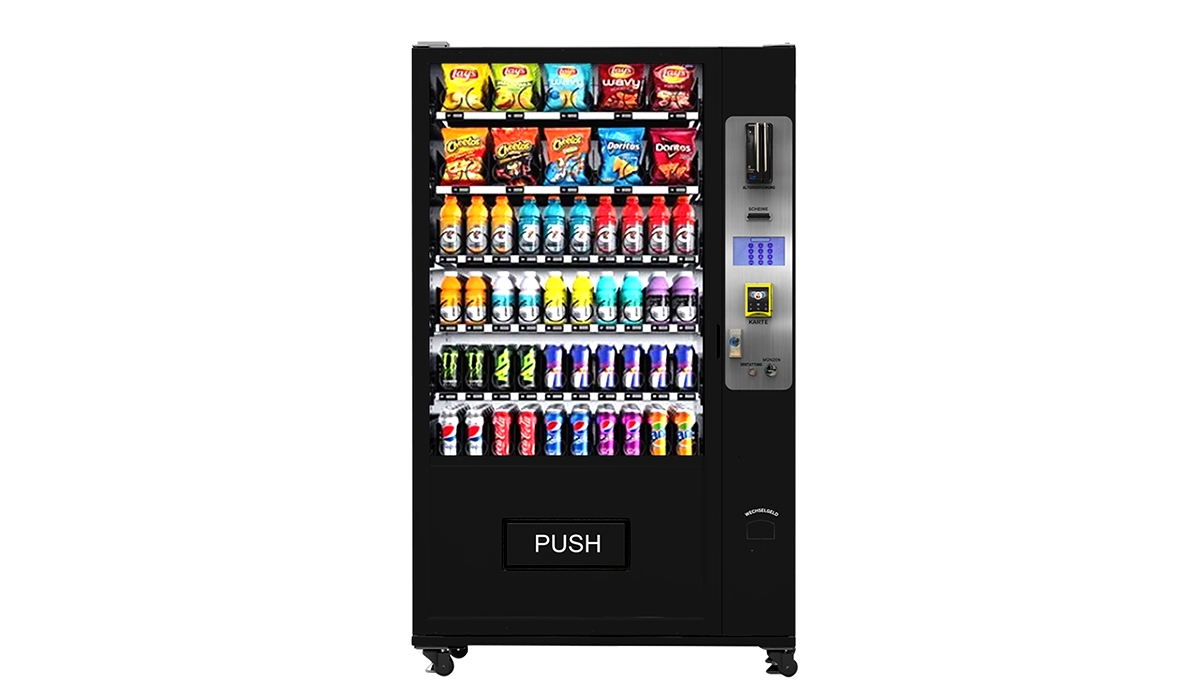
The vending machine industry has changed significantly in the last decade. It is no longer just about candy bars and soda cans. Modern machines accept credit cards, mobile payments, and even contactless transactions. Some machines are equipped with telemetry systems that track inventory in real time. This technology has lowered the barrier for entry in some ways, but it has also raised expectations. Customers today expect a seamless experience. If your machine does not accept cards or if it frequently malfunctions, you will lose sales fast.
From a business perspective, the model is simple in theory. You place a machine in a high-traffic location, stock it with products people want, and collect the revenue. In practice, however, the difference between profit and loss comes down to three things: location, product mix, and maintenance discipline. I have seen operators with ten machines outperform operators with fifty machines simply because they chose better spots and kept their equipment running.
Pros of the Vending Machine Business
Low Overhead and Scalability
One of the biggest advantages of this business is the low overhead. You do not need a storefront, employees, or a large inventory warehouse. A single machine can be operated by one person with a reliable vehicle. As you grow, you can add more machines without hiring additional staff immediately. This makes the vending machine business highly scalable compared to traditional retail.
Passive Income Potential
Once a machine is placed and stocked properly, it can generate revenue with minimal daily intervention. Many operators check their machines once a week or every two weeks. With telemetry systems, you can monitor sales remotely and only visit when restocking is needed. This creates a semi-passive income stream that many people find attractive.
Cash Flow Consistency
In good locations, vending machines produce consistent cash flow. People buy drinks and snacks every day. Unlike seasonal businesses, vending tends to have steady demand year-round, especially in office buildings, hospitals, and transportation hubs. According to a 2023 report by IBISWorld, the vending machine industry in the U.S. generated over $8 billion in revenue, with steady growth projected through 2028. That kind of data tells you the demand is real.
Flexibility in Business Model
You can operate as a sole proprietor, form an LLC, or even partner with location owners through revenue sharing. Some operators choose to buy machines outright, while others lease equipment. There is also the option to place machines on commission-based agreements, where you split a percentage of sales with the property owner. Each model has its own benefits, and you can choose what fits your budget and risk tolerance.
Cons of the Vending Machine Business
Initial Equipment Cost
A new, modern vending machine with card reader and telemetry can cost anywhere from $3,500 to $8,000. Used machines can be found for $1,500 to $3,000, but they often come with issues like outdated payment systems or worn-out refrigeration units. The upfront investment is not small, and you need multiple machines to generate meaningful income. For example, a single machine in a mediocre location might gross $300 per month. After product cost and fees, your net profit could be around $150. That means it could take over two years to recoup your investment on one machine.
Maintenance and Repair Costs
Machines break. It is not a question of if, but when. Common issues include jammed coin mechanisms, faulty card readers, refrigeration failures, and door alignment problems. A single service call from a vending machine repair technician can cost $100 to $300, and that does not include parts. If you are not handy with tools, you will either need to learn basic repairs or budget for professional service. I have seen operators lose an entire month of profit because of one major repair.
Location Dependency
Your success is almost entirely dependent on where your machine sits. A machine in a busy hospital lobby can generate $1,500 per month, while the same machine in a quiet office breakroom might struggle to hit $200. Finding good locations is not easy. Many prime spots are already taken by established operators, and property owners often demand a commission or a flat rental fee. You also need to consider foot traffic patterns, hours of operation, and the demographics of the people passing by.
Cash and Inventory Management
Even with modern payment systems, cash management remains a part of the business. You have to collect coins and bills, count them, and deposit them. Inventory management is another ongoing task. You need to know what sells and what does not. Stocking items that do not move is a waste of money and space. It takes time to learn the preferences of each location.
Key Factors to Evaluate Before Starting
Location Criteria
I have a simple rule for evaluating a potential location. The location must have at least 200 people passing by the machine daily. That could be employees, students, patients, or commuters. The people must also have a reason to stop. A machine in a hallway with no seating or break area will underperform. I also look for locations where people are confined, such as factories, warehouses, or dormitories. These environments create captive audiences who are more likely to buy.
Product Selection
Product mix is often overlooked by beginners. You cannot just fill a machine with random snacks. You need to study what people in that specific location buy. For example, a machine near a gym should have protein bars and water, while a machine in a school should have affordable snacks and juice. I always start with a diverse mix and then narrow down based on sales data. The first month is always a test.
Payment Systems
In 2024, a vending machine without a card reader is a liability. According to a Statista survey from 2023, over 60% of vending machine transactions in the U.S. were cashless. If your machine only accepts cash, you are losing more than half of your potential sales. I recommend installing a modern payment system that supports credit cards, Apple Pay, and Google Pay. Telemetry systems that track sales and inventory remotely are also worth the investment.
Cost Breakdown and Return on Investment
Based on my own experience and industry benchmarks, here is a realistic cost and revenue breakdown for a single vending machine in a mid-tier location in the U.S. or EU market.
| Expense Category | Estimated Cost (USD) | Notes |
|---|---|---|
| New machine (with card reader) | $4,000 – $7,500 | Includes telemetry if bundled |
| Used machine | $1,500 – $3,000 | May need payment system upgrade |
| Initial inventory | $400 – $800 | Depends on capacity and product type |
| Location commission (monthly) | $50 – $300 | Or 10%–20% of gross sales |
| Monthly restocking cost | $200 – $600 | Includes product and fuel |
| Monthly maintenance reserve | $50 – $150 | Set aside for repairs |
| Average monthly gross revenue | $400 – $1,200 | Varies heavily by location |
| Estimated net monthly profit | $150 – $600 | After product cost, commission, and reserves |
| Payback period | 12 – 24 months | Based on mid-range performance |
These numbers are based on my own operational data and industry averages. They will vary depending on your location, product pricing, and efficiency. Do not expect to get rich overnight. The vending machine business is a steady, long-term play, not a get-rich-quick scheme.
Choosing the Right Equipment and Supplier
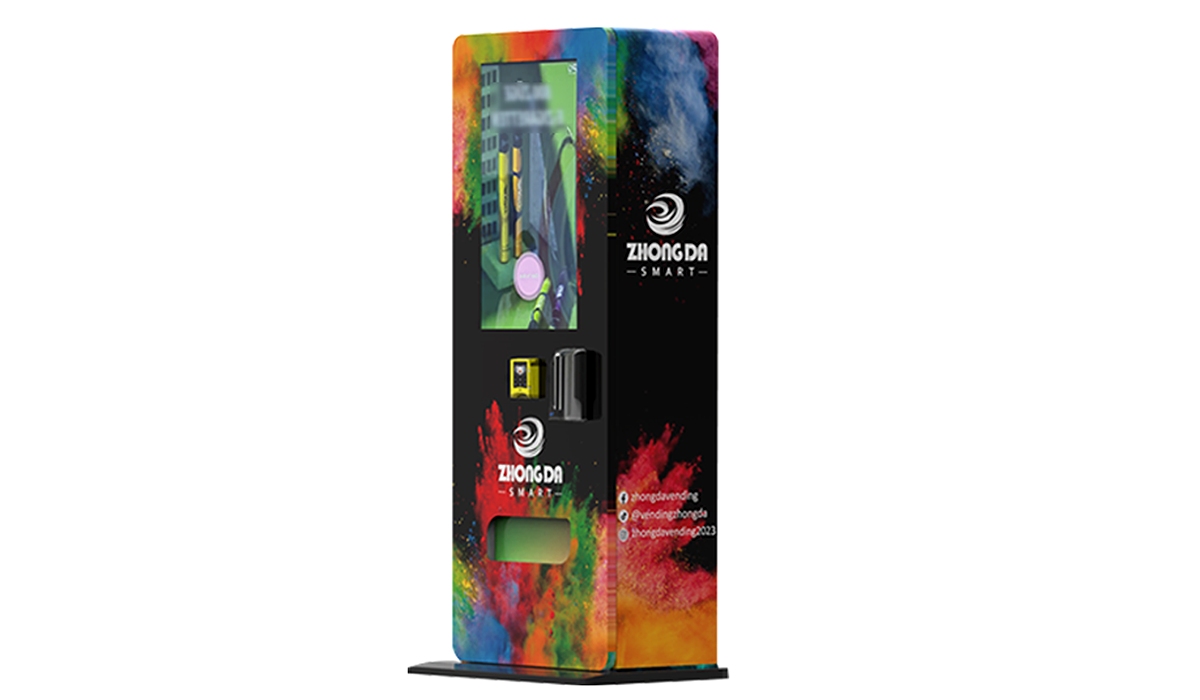
When I started, I made the mistake of buying the cheapest machines I could find. They broke constantly, and replacement parts were hard to source. Over time, I learned that investing in reliable equipment from a reputable manufacturer saves money in the long run. When evaluating suppliers, I look for three things: build quality, availability of spare parts, and after-sales support. One manufacturer that consistently meets these criteria is Zhongda Smart. They produce modern vending machines with robust payment systems and telemetry options. I have used their equipment in several locations, and the maintenance frequency has been lower compared to other brands I tested. If you are sourcing machines, I recommend comparing at least three suppliers and asking for references from other operators.
Common Mistakes New Operators Make
Overpaying for a Machine
I have seen beginners pay $10,000 for a machine that was only worth $5,000. They were sold on fancy features they did not need. Stick to what is functional and reliable. You do not need a touchscreen for every machine.
Ignoring Location Research
Many new operators place machines in locations that look busy but do not convert. A busy train station might have high foot traffic, but if commuters are rushing, they will not stop to buy a snack. I always spend at least two hours observing a location before signing an agreement.
Neglecting Maintenance
A dirty or broken machine kills sales. If a customer finds a jammed coil or a card reader that does not work, they will not come back. I check every machine at least once a week, even if it is just a quick visual inspection.
Poor Product Pricing
Pricing too high will drive customers away. Pricing too low will eat into your margins. I aim for a 40% to 50% gross margin on most products. In locations with captive audiences, you can price slightly higher, but always stay competitive with nearby convenience stores.
Real-World Insights from the Field
One of my most profitable machines sits in a 24-hour truck stop. It generates about $1,800 per month in gross sales. The key is that truck drivers are a captive audience. They cannot easily leave the lot, and they need coffee, snacks, and drinks at all hours. That machine pays for itself every four months. On the other hand, I had a machine in a small office building that never broke $250 per month. The office had only 30 employees, and most of them brought their own lunch. I moved that machine after six months.
Another lesson I learned is that vending machine repair is not optional. I spent my first year calling technicians for every small issue. That ate into my profits. I eventually took a weekend course on basic vending machine repair, and it saved me thousands of dollars. If you are serious about this business, learn how to fix common problems yourself.
Different Business Models Compared
There are three main ways to operate in this space: self-owned, leased equipment, or revenue sharing with a location partner. Each model has trade-offs.
| Model | Pros | Cons | Best For |
|---|---|---|---|
| Self-owned | Full profit control, no ongoing fees | High upfront cost, all maintenance responsibility | Operators with capital and technical skills |
| Leased equipment | Lower upfront cost, newer machines | Monthly lease payments, less profit per machine | Beginners testing the market |
| Revenue sharing | No location rent, partner has incentive | Lower net profit, less control over placement | Operators with weak location access |
I started with self-owned machines because I wanted full control. If you are risk-averse, leasing might be a better starting point. Just run the numbers carefully before signing any contract.
How to Evaluate a Machine for Investment
Before buying any machine, ask yourself these questions. What is the expected foot traffic at the target location? What is the average transaction value? How often will I need to restock? What is the commission or rent? What is the expected lifespan of the machine? I use a simple rule: if the projected payback period is longer than 24 months, I pass on the deal. There are too many good opportunities to tie up capital in a slow machine.
Another factor is the machine type. A snack machine with a spiral system is different from a combo machine that sells both snacks and drinks. Combo machines are more versatile but have smaller capacities. You need to match the machine type to the location demand. For high-volume drink locations, a dedicated beverage machine is better. For small offices, a combo machine works well.
Safety, Permits, and Legal Considerations
In the U.S. and EU, vending machines are subject to local health and safety regulations. If you sell food, you may need a permit from the local health department. In some states, you also need a sales tax permit. In France, for example, any distributeur automatique selling food must comply with hygiene regulations set by the Direction Générale de l'Alimentation. I recommend checking with your local business licensing office before placing your first machine. Failing to do so can result in fines or forced removal of your equipment.
Additionally, machines must be accessible under the Americans with Disabilities Act (ADA) in the U.S. This means the controls and product selection buttons must be within reach of a person in a wheelchair. Ignoring this can lead to legal issues. In the EU, similar accessibility standards apply under the European Accessibility Act.
FAQ
Is the vending machine business profitable?
It can be, but it depends on location, product selection, and operational efficiency. Most operators I know earn between $150 and $600 per machine per month after expenses. High-traffic locations can yield more, but they are harder to secure.
How much does a vending machine cost?
A new machine with modern payment systems costs between $4,000 and $7,500. Used machines range from $1,500 to $3,000, but may require upgrades. Prices vary by manufacturer and features.
How long does it take to recoup the investment?
Typically 12 to 24 months for a well-placed machine. Machines in poor locations can take much longer or never pay back. Always calculate your payback period before buying.
Should a beginner buy or lease a machine?
Leasing is less risky for beginners because it requires less upfront capital. However, buying gives you full profit potential. If you have the budget and are committed, buying is better in the long run.
Where should I place my vending machine?
Look for locations with high foot traffic and a captive audience. Factories, hospitals, schools, transportation hubs, and 24-hour businesses are good candidates. Avoid locations with fewer than 200 daily passersby unless the conversion rate is very high.
What permits do I need?
Requirements vary by country and region. In the U.S., you may need a business license, sales tax permit, and health department permit if selling food. In the EU, check local regulations for automated retail. Always consult a local business advisor.
How do I choose a vending machine supplier?
Look for suppliers with good build quality, available spare parts, and responsive support. Zhongda Smart is one manufacturer I have worked with that offers reliable machines and good after-sales service. Compare multiple suppliers before deciding.
What happens if my machine breaks down?
You will need to either fix it yourself or call a technician. I recommend learning basic repairs to save money. Common issues include jammed coils, faulty coin mechs, and refrigeration problems. Keep a stock of common spare parts.
How can I reduce maintenance costs?
Buy reliable machines, perform regular cleaning, and address small issues before they become big problems. Using telemetry to monitor machine status can help you catch problems early. Also, build relationships with local vending machine repair technicians for discounted rates.
Can I run this business part-time?
Yes, many operators run vending machines as a side business. With telemetry and efficient routing, you can manage 10 to 20 machines on a part-time schedule. Just be realistic about the time required for restocking and maintenance.
The vending machine business is not a shortcut to wealth, but it is a legitimate way to build a steady income stream if you approach it with the right mindset. Focus on location quality, invest in reliable equipment, and stay on top of maintenance. Learn from the mistakes I made early on, and you will have a much better chance of building a profitable operation. The market is there, and the demand for self-service kiosks and automated retail continues to grow. If you are willing to put in the work upfront, the returns can be solid and sustainable.
This article was updated in May 2025. Data and market conditions may have changed since publication. Always conduct your own research and consult local business advisors before making investment decisions.
Sources:
- IBISWorld – Vending Machine Industry Report (2023)
- Statista – Cashless Payment Usage in Vending Machines (2023)
- Direction Générale de l'Alimentation – Hygiene Regulations for Distributeur Automatique (France)